How to Make Bones and Joints Strong as You Age

Weight-bearing and muscle-strengthening exercise help support bone density and joint function. Calcium, vitamin D, protein, and an overall balanced diet are important for bone and muscle health.
Key Takeaways
- Weight-bearing and muscle-strengthening exercise help support bone density and joint function.
- Calcium, vitamin D, protein, and an overall balanced diet are important for bone and muscle health.
- Avoiding smoking, limiting alcohol, and maintaining a healthy weight can protect bones and joints.
- Persistent joint pain, loss of height, fractures, or reduced mobility should be evaluated by a doctor.
- Screening for osteoporosis and other bone or joint conditions may be recommended with age or risk factors.
Keeping bones and joints strong with age is possible through regular movement, balanced nutrition, healthy daily habits, and early attention to symptoms. A proactive approach can help support mobility, independence, and quality of life over time.
Overview
Bones and joints naturally change over time. Bone density may gradually decrease, cartilage can wear down, muscles may become weaker, and flexibility can reduce. These changes are common with aging, but they do not mean that pain, frailty, or loss of mobility are unavoidable.
Healthy habits can make a meaningful difference. Regular physical activity, good nutrition, sleep, and attention to posture and balance all help support the musculoskeletal system. These steps may lower the risk of fractures, joint stiffness, falls, and loss of independence.
Bone health and joint health are closely connected. Strong bones provide structure and stability, while healthy joints allow smooth movement. Muscles, tendons, and ligaments also play an important role, so protecting mobility usually involves caring for the whole body rather than focusing on one area alone.
Why Bones and Joints Weaken With Age
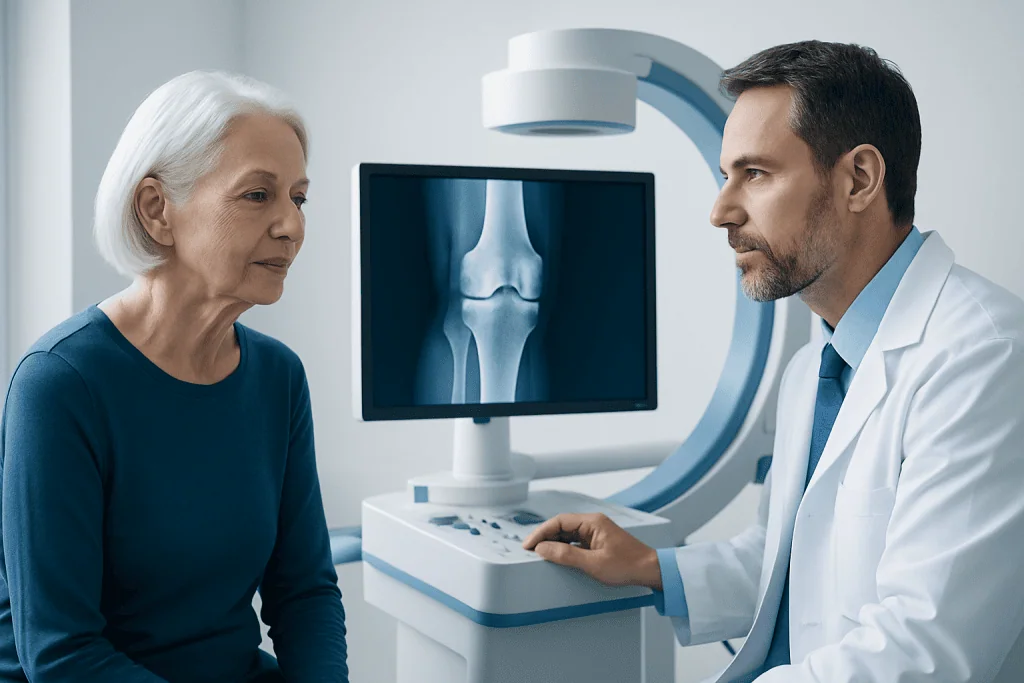
As people age, the body gradually breaks down and rebuilds bone at a different pace. In younger years, new bone is formed efficiently. Later in life, bone loss may happen faster than bone formation, which can increase the risk of thinning bones and fractures. This is one reason older adults may be more vulnerable to osteoporosis.
Joints also experience age-related changes. Cartilage, which cushions the ends of bones, may become less resilient over time. The fluid that helps joints move smoothly can change as well, and surrounding muscles may lose strength if they are not used regularly. Together, these changes can lead to stiffness, discomfort, or reduced range of motion.
Hormonal changes can contribute too. For example, after menopause, lower estrogen levels can accelerate bone loss. In both men and women, reduced physical activity, chronic illness, some medications, poor nutrition, and long periods of immobility may further affect bones and joints.
Common factors that may increase risk include:
- Older age
- Family history of osteoporosis or fractures
- Low body weight or poor muscle mass
- Smoking and high alcohol intake
- Low calcium or vitamin D intake
- Sedentary lifestyle
- Long-term use of certain medicines, such as corticosteroids
- Previous injuries or chronic joint conditions
Exercise and Movement for Lifelong Strength
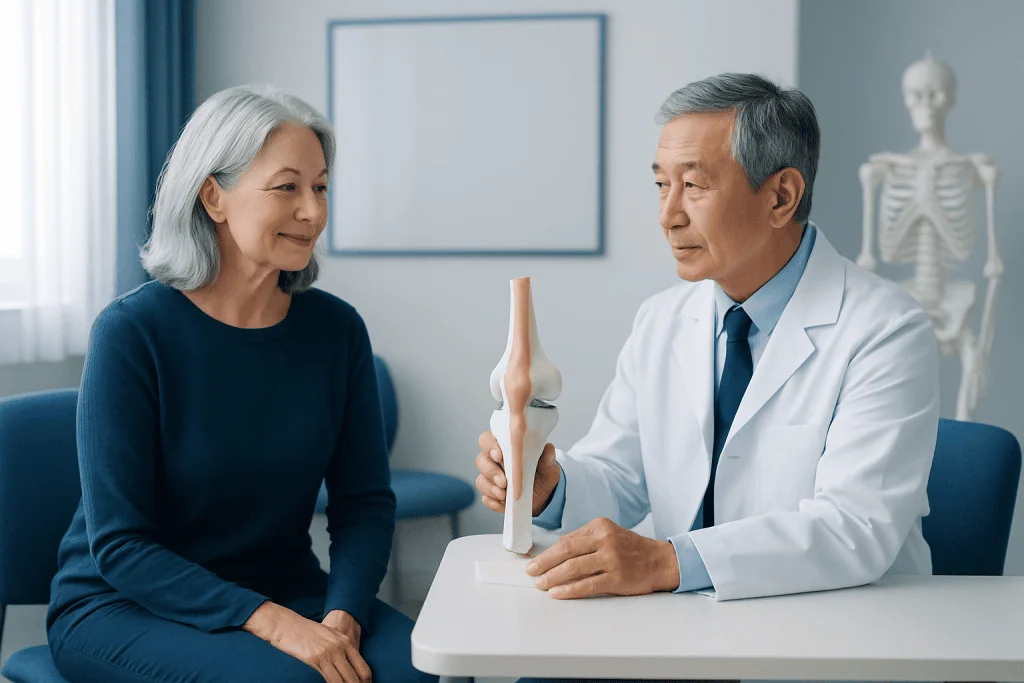
Exercise is one of the most effective ways to support strong bones and joints as people age. Weight-bearing activities encourage bones to maintain density, while strength training helps preserve muscle mass that supports and protects the joints. Movement also improves balance, coordination, and flexibility, which can reduce the risk of falls.
Helpful forms of exercise often include walking, stair climbing, dancing, resistance training, and balance-focused activities. Low-impact options such as swimming or cycling can be especially useful for people with joint discomfort because they place less stress on the knees, hips, and spine while still building endurance and muscle support.
Stretching and mobility work can help maintain range of motion and reduce stiffness. Gentle practices such as yoga or tai chi may improve posture, flexibility, and body awareness. For people already living with joint wear and tear, a structured plan for osteoarthritis can help them stay active more comfortably.
Starting slowly is important, especially after a long period of inactivity or after an injury. A doctor or physical therapist can help tailor an exercise routine based on age, fitness level, and medical history. In some cases, physical therapy and rehabilitation can help rebuild strength, improve balance, and support safe movement.
Nutrition That Supports Bone and Joint Health
Nutrition provides the building blocks for healthy bones, muscles, and connective tissue. Calcium is well known for its role in bone strength, but it works best alongside vitamin D, which helps the body absorb calcium properly. Protein is also essential because muscles support joints and help reduce fall risk.
Good dietary sources of calcium include dairy products, fortified plant-based drinks, tofu made with calcium, leafy green vegetables, almonds, and some fish with soft edible bones. Vitamin D may come from sunlight exposure, fortified foods, and certain foods such as oily fish and egg yolks. Some people may need supplements, but these should be discussed with a healthcare professional.
Joint health also benefits from an overall anti-inflammatory eating pattern. Meals centered on vegetables, fruits, legumes, whole grains, nuts, seeds, and healthy fats may help support general health and weight control. Maintaining a healthy weight is especially important because excess body weight can increase pressure on weight-bearing joints such as the hips, knees, and lower back.
Hydration matters as well. Drinking enough fluids supports general body function and may help tissues work more efficiently. A healthcare professional or dietitian can advise on an eating plan that fits personal health conditions, medications, and activity levels.
Daily Habits That Help Protect Bones and Joints
Simple everyday habits can reduce stress on the skeleton and joints. Good posture while sitting, standing, and lifting helps distribute force more evenly through the body. Supportive footwear, safe home lighting, and removing trip hazards can also reduce fall risk, which becomes increasingly important with age.
Smoking cessation is strongly recommended because smoking can affect bone health and healing. Limiting alcohol is also helpful, as high alcohol intake may increase the risk of falls and interfere with bone maintenance. Quality sleep should not be overlooked, since recovery and tissue repair are part of healthy aging.
Managing chronic conditions is another key step. Conditions such as diabetes, thyroid disorders, inflammatory diseases, and vitamin deficiencies can affect bone and joint health. Taking medicines as prescribed, attending regular checkups, and discussing side effects with a doctor can help protect long-term mobility.
For those with persistent weakness, pain, or changes after an injury, early rehabilitation can be useful. In some cases, specialists may recommend orthopedic rehabilitation to improve movement, reduce strain on joints, and support return to everyday activities.
Screening, Diagnosis, and When Assessment Is Needed
Many bone and joint changes develop gradually, so screening can be useful before major symptoms appear. Doctors may assess fracture risk, posture, gait, balance, and muscle strength. Bone density testing is commonly used to evaluate osteoporosis risk, especially in older adults or those with additional risk factors.
When joint pain or stiffness is present, assessment often begins with a medical history and physical examination. A doctor may ask about symptoms, previous injuries, family history, exercise habits, and medications. Blood tests or imaging studies such as X-rays, ultrasound, or MRI may sometimes be needed to look for arthritis, inflammation, or structural problems.
It is important to seek evaluation for symptoms that are persistent, worsening, or affecting daily life. New back pain with loss of height, a fracture after a minor fall, swelling in a joint, or sudden difficulty walking should not be ignored. Early diagnosis can often lead to more effective treatment and better long-term function.
If surgery is ever considered for advanced joint damage, options such as knee replacement may be discussed in selected cases after careful evaluation. Treatment decisions depend on symptoms, imaging findings, function, and the person’s overall health.
Treatment Options for Age-Related Bone and Joint Problems
Treatment depends on the underlying issue. For osteoporosis or low bone density, the goal is usually to reduce fracture risk through exercise, nutrition, fall prevention, and, when appropriate, medication. For joint problems, treatment often focuses on reducing pain, improving function, and helping people stay active safely.
Conservative care may include physical therapy, activity modification, assistive devices, heat or cold therapy, and medicines recommended by a doctor. Inflammatory conditions may need specialist treatment, while osteoarthritis care often combines exercise, weight management, and symptom relief strategies.
When damage is severe and quality of life is significantly affected, procedures may be considered. Some people with advanced hip disease may benefit from hip replacement after non-surgical options no longer provide enough relief. Treatment planning should always be individualized and based on a careful discussion of benefits, risks, and recovery needs.
Near the end of the care journey, multidisciplinary support can be valuable. Acibadem International’s specialists in JCI-accredited hospitals evaluate and treat bone and joint conditions for international patients, with care plans tailored to the person’s diagnosis, age, mobility goals, and overall health.
When to See a Doctor
Occasional stiffness after activity can be normal, but ongoing pain is not something people need to simply accept as part of aging. A doctor should be consulted if joint pain lasts for weeks, interferes with sleep, limits walking, or causes swelling, locking, or instability. These symptoms may point to a condition that can often be managed more effectively when addressed early.
Medical attention is also important after any fracture, fall, or sudden loss of mobility. Back pain accompanied by loss of height, a stooped posture, or pain after a minor strain may suggest a spinal compression fracture, especially in people with low bone density. A prompt evaluation can help guide treatment and prevent further complications.
Anyone concerned about bone thinning, family history, or menopause-related changes can ask a doctor whether screening is appropriate. Early conversations about exercise, nutrition, medications, and risk factors can help people make informed choices and stay active for longer.
Frequently asked questions
What is the best exercise for keeping bones strong with age?
There is no single best exercise for everyone. Weight-bearing activities such as walking and stair climbing, along with strength training, are commonly recommended because they help support bone density and muscle strength. Balance and flexibility exercises are also helpful for reducing fall risk and maintaining joint mobility.
Can diet really improve bone and joint health?
Yes, diet plays an important role in supporting bones, muscles, and connective tissues. Calcium, vitamin D, protein, and an overall balanced eating pattern help the body maintain bone structure and physical function. Nutrition works best when combined with regular movement and healthy daily habits.
At what age should people start thinking about osteoporosis prevention?
Osteoporosis prevention is valuable throughout adult life, but it becomes especially important in midlife and older age. Women after menopause and older men may have a higher risk of bone loss. A doctor can advise when screening or preventive steps are appropriate based on personal risk factors.
Are joint pains a normal part of getting older?
Mild stiffness can become more common with age, but persistent or worsening joint pain should not be considered normal. Ongoing symptoms may be linked to osteoarthritis, inflammation, injury, or another condition that deserves assessment. Early evaluation can help improve comfort and protect function.
How does body weight affect bones and joints?
Body weight influences both bone and joint health. Very low body weight may be associated with lower bone density, while excess body weight can place additional stress on joints, especially the knees, hips, and spine. A healthy weight can help support mobility and reduce strain.
When should someone see a doctor about bone or joint health?
A medical review is sensible if there is ongoing pain, repeated falls, a fracture after a minor injury, loss of height, or difficulty walking. People with strong family history, menopause-related concerns, or long-term use of medicines that affect bone health should also ask about screening. Timely advice can help prevent more serious problems later.
References
- World Health Organization
- National Institute on Aging
- National Institutes of Health Osteoporosis and Related Bone Diseases National Resource Center
- Centers for Disease Control and Prevention
- International Osteoporosis Foundation
This article is for general information only and is not a substitute for professional medical advice. Please consult a qualified doctor about your individual situation.
Joint and spine care in Turkey — expert assessment & treatment
JCI-accredited · board-certified surgeons · reply within 24h
Add us as a Preferred Source to see more of our trusted health content across Google Search, AI Overviews and Discover.