How to Make Yourself Throw Up? Here Is What the Evidence Says

Deliberately making yourself vomit is generally not recommended and can be harmful. Most brief nausea after overeating, motion sickness, or a mild stomach upset improves without forced vomiting.
Key Takeaways
- Deliberately making yourself vomit is generally not recommended and can be harmful.
- Most brief nausea after overeating, motion sickness, or a mild stomach upset improves without forced vomiting.
- Urgent medical care is needed for red flags such as blood in vomit, severe abdominal pain, chest pain, trouble breathing, or suspected poisoning.
- Doctors look for the cause of nausea and vomiting rather than simply trying to trigger or suppress vomiting.
- Safe self-care focuses on hydration, rest, and avoiding triggers until symptoms improve.
For most people, trying to make oneself throw up is not advised. Vomiting on purpose can injure the throat, worsen dehydration, and delay the right treatment, while many short episodes of nausea settle with rest, fluids, and time.
Overview: what the evidence says
If someone is wondering how to make yourself throw up, the safest evidence-based answer is usually not to do it. In most situations, vomiting should not be induced at home because it may do more harm than good, and many common causes of nausea are short-lived and harmless.
People often think vomiting will quickly relieve discomfort after eating too much, feeling carsick, or feeling nauseated from a stomach bug. Sometimes the urge passes on its own, and forcing vomiting can irritate the throat, expose the teeth to stomach acid, and make dehydration worse. It can also be dangerous if the person has swallowed a caustic substance, petroleum product, or has reduced alertness.
The more useful question is usually not how to trigger vomiting, but why the nausea is happening and whether it needs medical review. Most mild cases improve with sips of fluid, rest, and temporary changes in diet, while certain warning signs mean a doctor should assess the person promptly.
Why forcing vomiting can be risky
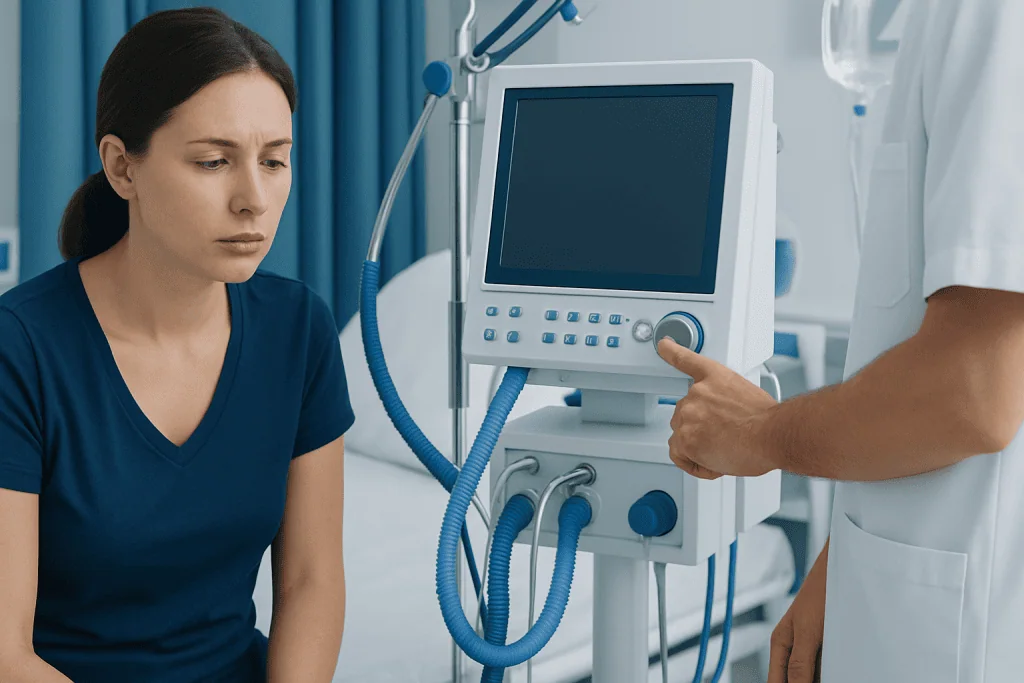
Vomiting is a protective reflex controlled by the brain and digestive system. It may happen with infections, migraine, medication side effects, food poisoning, pregnancy, or many other conditions. Because it is a symptom rather than a treatment, intentionally provoking it does not address the underlying cause.
Trying to vomit can lead to several problems. Stomach acid can inflame the esophagus and throat, small tears can cause pain or bleeding, and repeated vomiting can disturb body salts and fluids. In some people, especially children, older adults, and those with chronic illness, dehydration can develop quickly.
There is also a risk of aspiration, which means vomit entering the airways and lungs. That risk rises if the person is drowsy, intoxicated, has a neurologic condition, or cannot protect their airway well. For these reasons, poison control and emergency medicine experts generally advise against home-induced vomiting.
When vomiting is frequent, severe, or linked to eating habits and body image concerns, it may also point to a broader health issue that deserves compassionate professional support, such as bulimia.
Common causes of nausea and vomiting

Nausea and vomiting have many possible causes, and most are not emergencies. Common examples include viral gastroenteritis, food intolerance, motion sickness, migraine, early pregnancy, medication side effects, anxiety, and overeating. In these situations, symptoms often improve within hours to a couple of days.
Digestive conditions can also play a role. Acid reflux, gastritis, gallbladder disease, bowel blockage, and stomach ulcers may cause nausea, especially if symptoms keep returning. Some people may have underlying gastroenteritis or another short-term digestive illness that needs rest and hydration rather than induced vomiting.
Less commonly, nausea and vomiting can be related to conditions outside the stomach, such as inner-ear disorders, kidney problems, severe infections, head injury, or raised pressure inside the skull. Chest pain, fainting, confusion, or severe headache alongside vomiting always needs more careful attention.
Because the causes are so varied, the best next step depends on the whole symptom pattern, not just the urge to vomit. That is why medical advice focuses on red flags and cause-based care.
What to do instead of making yourself throw up
If nausea is mild and there are no red flags, simple self-care is usually the safest approach. Small sips of water or an oral rehydration drink can help prevent dehydration. Once nausea settles, bland foods such as toast, crackers, rice, bananas, or soup may be easier to tolerate than heavy, greasy, or spicy meals.
Resting in an upright or slightly reclined position may reduce the chance of reflux and can feel more comfortable than lying flat. Fresh air, slow breathing, and avoiding strong smells may also help. Alcohol and smoking can worsen stomach irritation, so avoiding them is sensible until symptoms pass.
If a new medicine seems to be causing nausea, a pharmacist or doctor can advise whether timing, taking it with food, or a medication change may help. For some people, medical treatment aimed at the cause is more appropriate, such as assessment by gastroenterology care for persistent digestive symptoms.
When there is possible poisoning or overdose, the correct action is to call local emergency services or a poison center right away and follow their advice. Do not try to force vomiting unless a qualified professional specifically instructs it, because the wrong response can increase injury.
Red flags: when vomiting needs urgent medical review
Although many episodes are mild, some symptoms should never be ignored. A person should seek urgent medical help if vomiting comes with severe abdominal pain, a swollen or rigid abdomen, chest pain, trouble breathing, confusion, fainting, seizure, or signs of stroke. Vomit that contains blood, looks like coffee grounds, or is dark green can also indicate a serious problem.
Medical review is also important if there are signs of dehydration, such as very little urine, marked thirst, dizziness on standing, dry mouth, or unusual sleepiness. Infants, pregnant people, older adults, and those with diabetes, kidney disease, or weakened immunity may need help earlier because complications can develop more quickly.
Head injury followed by vomiting deserves prompt assessment, as do persistent symptoms lasting more than a day or two, repeated vomiting that prevents fluids from staying down, and suspected food poisoning with severe weakness or fever. If someone may have swallowed a chemical, cleaning product, battery, or fuel, emergency advice is needed immediately.
For people who have recurrent nausea, unexplained weight loss, black stools, worsening reflux, or ongoing upper abdominal pain, a doctor may investigate for problems such as gastritis or other digestive conditions.
How doctors evaluate nausea and vomiting
When medical care is needed, the goal is to find the cause and treat it safely. A doctor usually begins by asking when the symptoms started, how often vomiting occurs, whether there is fever, diarrhea, pain, headache, recent travel, new medicines, pregnancy possibility, or exposure to spoiled food or toxins. They also ask whether the person can keep fluids down and how much urine they are passing.
The physical examination may include checking vital signs, hydration status, the abdomen, and sometimes the neurologic system. Depending on the situation, tests may include blood work, urine tests, pregnancy testing, stool studies, ultrasound, or other imaging. If symptoms suggest bleeding, ulcer disease, or persistent upper digestive trouble, a specialist may recommend endoscopy to look inside the esophagus and stomach.
Treatment depends on the findings. It may involve fluids, anti-nausea medicines, treatment for infection, migraine care, adjustment of medications, or targeted management of an underlying digestive problem. In some cases, surgery or hospital monitoring is necessary, but that is decided by the clinical picture rather than by the symptom of vomiting alone.
This step-by-step approach is safer than trying to trigger vomiting at home because it addresses the actual reason the body is reacting this way. It also helps prevent missed diagnoses and avoids unnecessary injury.
Prevention and longer-term self-care
Prevention depends on the trigger. People who tend to feel sick after large meals may benefit from smaller portions and slower eating. Those who are sensitive to certain foods can keep a symptom diary to identify patterns, while good hand hygiene and food safety reduce the risk of stomach infections.
For motion sickness, practical steps such as sitting where movement feels less intense, looking at the horizon, and discussing preventive medicines with a doctor may help. If nausea is linked to reflux or indigestion, avoiding lying down soon after meals and limiting heavy late-night foods can be useful. Ongoing symptoms may justify specialist review through diagnostic evaluation.
Repeated self-induced vomiting should never be treated as a routine coping tool after eating. Over time, it can damage teeth, salivary glands, the esophagus, and fluid balance, and it may be associated with an eating disorder or significant emotional distress. Gentle, nonjudgmental medical and mental health support can make a real difference.
Near the end of the care pathway, some patients may prefer a center that can coordinate digestive, nutritional, and mental health assessment together. Acibadem International’s multidisciplinary specialists and JCI-accredited hospitals diagnose and treat related conditions for international patients when further evaluation is needed.
When to seek medical care
A doctor should be contacted if nausea or vomiting is severe, keeps returning, or lasts longer than expected. Medical advice is especially important if the person cannot keep fluids down, has moderate dehydration, is pregnant and losing weight, or has chronic medical conditions that increase risk.
Same-day or urgent assessment is sensible for vomiting with intense pain, high fever, blood, black stools, a severe headache, neck stiffness, or recent head injury. Emergency help is needed for breathing trouble, chest pain, confusion, collapse, or suspected poisoning.
Even when symptoms seem mild, it is reasonable to seek care if something feels unusual or worsening. Reassurance is part of good medical care, and a clinician can help decide whether home management is enough or whether tests and treatment are needed.
Frequently asked questions
Is it ever safe to make yourself throw up?
In general, experts do not recommend making yourself throw up at home. It can cause throat injury, dehydration, and inhalation of vomit, and it may be especially dangerous after swallowing chemicals, fuel products, or sharp objects.
What should someone do if they feel sick after overeating?
Most people do better with rest, slow sips of water, and time rather than trying to vomit. Staying upright, avoiding more food for a short period, and then restarting with light foods often helps discomfort settle.
Should vomiting be induced after suspected poisoning?
No, not unless a poison center or emergency professional specifically instructs it. The correct step is to contact emergency services or a poison center immediately because the safest action depends on what was swallowed.
How can someone tell if vomiting is from a stomach bug or something more serious?
A mild stomach bug often causes short-lived nausea, vomiting, diarrhea, and cramps that improve with hydration and rest. Warning signs such as severe pain, blood, dehydration, confusion, chest pain, or symptoms that do not improve should prompt medical assessment.
Can self-induced vomiting harm the teeth and throat?
Yes. Repeated exposure to stomach acid can erode tooth enamel and inflame the throat and esophagus. Frequent vomiting may also lead to swelling of the salivary glands and problems with fluid and electrolyte balance.
When should a child with vomiting see a doctor?
Children should be checked sooner if they are very sleepy, not urinating much, cannot keep fluids down, have a high fever, severe belly pain, or signs of dehydration. Babies and very young children can become dehydrated quickly, so early medical advice is important.
References
- National Institute of Diabetes and Digestive and Kidney Diseases
- MedlinePlus
- American College of Gastroenterology
- National Health Service
- Centers for Disease Control and Prevention
This article is for general information only and is not a substitute for professional medical advice. Please consult a qualified doctor about your individual situation.
Persistent digestive symptoms? Get evaluated in Turkey
JCI-accredited · board-certified surgeons · reply within 24h
Add us as a Preferred Source to see more of our trusted health content across Google Search, AI Overviews and Discover.