How to Prepare for Wisdom Teeth Removal? A Doctor-Reviewed Answer

Most wisdom teeth removals are routine, and good preparation helps reduce stress and avoid preventable problems. A dentist or oral surgeon will review symptoms, examine the mouth, and often use dental X-rays to plan the procedure.
Key Takeaways
- Most wisdom teeth removals are routine, and good preparation helps reduce stress and avoid preventable problems.
- A dentist or oral surgeon will review symptoms, examine the mouth, and often use dental X-rays to plan the procedure.
- Patients may need to stop eating and drinking before sedation or anesthesia, depending on the care plan.
- It is important to discuss all medicines, supplements, allergies, and medical conditions before the procedure.
- Planning transport home, soft foods, and time to rest can support a smoother recovery.
- Urgent medical advice is needed for fever, spreading swelling, trouble breathing, or heavy bleeding.
Knowing how to prepare for wisdom teeth removal can make the procedure feel more manageable and help recovery go more smoothly. Most wisdom tooth removal is routine, but careful planning around medicines, food, transport, and aftercare is important for safety and comfort.
Overview: What preparation usually involves
For most people, wisdom teeth removal is a common and manageable procedure. The best way to prepare is to follow the dentist’s or oral surgeon’s instructions closely, especially about eating and drinking, medicines, transportation, and what to expect during recovery.
Preparation is not only about the day of surgery. It also includes understanding why the tooth is being removed, whether it is fully erupted or impacted, what type of anesthesia may be used, and what supplies may help at home afterward. These steps can lower stress and reduce the chance of avoidable complications.
Wisdom teeth are the last molars to come in, usually in the late teens or twenties. Some cause no problems, while others become trapped under the gums, grow at an angle, crowd nearby teeth, or lead to pain, swelling, decay, or infection. If a tooth is impacted, removal may require more planning than a simple extraction.
Why wisdom teeth are removed and what symptoms lead to an evaluation
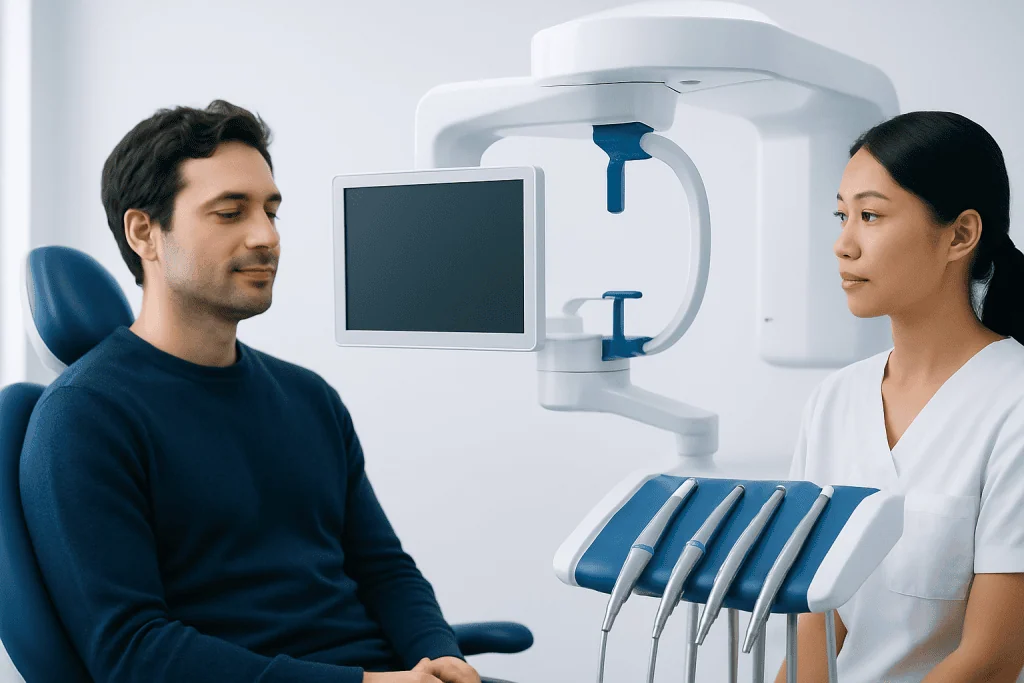
Wisdom teeth are not always removed just because they exist. A dentist or oral surgeon usually recommends removal when the teeth are causing symptoms, damaging nearby teeth, increasing the risk of infection, or are unlikely to come in normally. In many cases, the goal is to prevent repeated problems rather than wait for severe pain.
Common symptoms that lead to evaluation include jaw discomfort, gum swelling behind the back molars, bad taste in the mouth, food trapping, repeated irritation, or difficulty cleaning the area. Sometimes there are no obvious symptoms, but X-rays show that a wisdom tooth is pressing on another tooth or is only partially erupted, which can raise the risk of infection.
These concerns are often harmless at first and can be treated effectively when assessed early. Still, severe pain, rapidly increasing swelling, pus, fever, difficulty opening the mouth, or signs of a tooth abscess should be reviewed promptly by a dental professional.
How a doctor or dentist plans the procedure

Before wisdom teeth removal, the dentist or oral surgeon will usually ask about symptoms, past dental treatment, allergies, bleeding problems, and current medicines or supplements. They will examine the gums, neighboring teeth, and bite, and often take dental X-rays to see the position of the tooth roots and their relationship to nearby nerves or sinuses.
This planning step is important because not all wisdom teeth are removed in the same way. A fully erupted tooth may be simpler to remove, while an impacted or sideways-growing tooth may need a small gum incision or sectioning of the tooth into pieces. The doctor will also explain whether the care is closer to a routine tooth extraction or a more involved oral and maxillofacial surgery approach.
Patients should use this appointment to ask practical questions. Helpful topics include the type of anesthesia, how long the visit may take, expected swelling, whether stitches are likely, how pain is usually managed, and when normal activities can be resumed.
How to prepare in the days before wisdom teeth removal
A few days before the procedure, it helps to review instructions carefully and make a simple recovery plan. Patients should tell the care team about all prescription medicines, over-the-counter pain relievers, vitamins, herbal products, and any history of reactions to anesthesia. Some medicines may need special guidance before surgery, but changes should only be made under the doctor’s advice.
If sedation or general anesthesia is planned, fasting instructions are especially important. Many patients are told not to eat or drink for a certain period beforehand, but the exact timing varies. Alcohol, recreational drugs, and smoking or vaping should generally be avoided before and after the procedure because they can affect healing and anesthesia safety.
Home preparation can make the first 24 to 48 hours easier. Useful items often include cold packs, gauze if recommended, soft foods, water, comfortable pillows to keep the head slightly elevated, and any prescribed medicines filled in advance. Many people also benefit from arranging a lighter schedule for work, school, exercise, and childcare.
- Confirm the appointment time and fasting instructions.
- Review all medicines, allergies, and health conditions with the dental team.
- Fill prescriptions ahead of time if one is provided.
- Stock soft foods such as yogurt, soup, mashed foods, eggs, or smoothies eaten without a straw.
- Arrange time off and transport home if sedation is planned.
What to do on the day of the procedure
On the day of wisdom teeth removal, patients should follow the clinic’s directions exactly. If eating or drinking is restricted, this should be taken seriously because it affects anesthesia safety. Comfortable clothing is usually best, and many clinics advise avoiding heavy makeup, contact lenses, or jewelry if sedation is being used.
Transportation planning matters. A person receiving IV sedation or general anesthesia will usually need a responsible adult to accompany them home. Even if the procedure itself is brief, judgment, coordination, and reaction time may be affected for several hours afterward.
It is also helpful to arrive with questions written down and to mention any new illness, such as fever, cough, vomiting, or worsening tooth infection symptoms. In some cases, the procedure may need to be adjusted or postponed for safety. If advanced dental treatment is needed, this may be coordinated with broader dental care planning.
Recovery planning: what helps after wisdom teeth removal
Preparation for wisdom teeth removal should always include preparation for recovery. Swelling, mild bleeding or oozing, jaw stiffness, and soreness are common during the first few days. Most people do best with rest, hydration, cold compresses, and following instructions on oral hygiene and pain control.
Patients are often told to avoid vigorous rinsing, spitting, straws, smoking, and intense exercise early in recovery because these can disturb the blood clot and increase the risk of a painful dry socket. Soft foods are usually easier at first, and returning to normal eating should be gradual based on comfort and the doctor’s advice.
It is important to keep the extraction site as clean as instructed. Depending on the procedure, the clinician may recommend gentle salt-water rinses after the first day, careful toothbrushing away from the area, and follow-up if swelling or pain is not improving. Recovery instructions may differ if the case was more complex or if there was infection before surgery.
When to seek medical care
Most discomfort after wisdom teeth removal improves gradually and does not mean something is wrong. Mild swelling, limited mouth opening, and small amounts of blood-tinged saliva can be expected for a short time. However, some symptoms need prompt medical review rather than home monitoring alone.
Patients should contact their dentist, oral surgeon, or an urgent care service if they develop heavy bleeding that does not slow, worsening pain after initial improvement, fever, foul-tasting drainage, significant swelling that keeps increasing, or difficulty swallowing. Trouble breathing, severe facial swelling, or signs of an allergic reaction need urgent emergency care.
People should also seek advice before the procedure if they are pregnant, have heart or lung disease, bleeding disorders, diabetes, immune system problems, or a history of complications with anesthesia. Near the end of planning, some patients may choose care at centers such as Acibadem International, where multidisciplinary specialists in JCI-accredited hospitals evaluate and treat dental and surgical needs for international patients.
Frequently asked questions
How long before wisdom teeth removal should a person stop eating?
The timing depends on the type of sedation or anesthesia being used and the clinic’s protocol. Many patients need to stop eating and drinking for several hours beforehand, but the exact instruction should come from the treating team. It is important not to guess, because fasting rules are part of anesthesia safety.
Can regular medicines be taken before wisdom teeth removal?
Many medicines can be continued, but some may need to be adjusted or timed differently. Patients should tell the dentist or surgeon about prescriptions, pain relievers, blood thinners, vitamins, and herbal supplements. Changes should only be made with medical advice.
Does everyone need someone to drive them home?
If IV sedation or general anesthesia is planned, a responsible adult is usually required to take the patient home. If only local anesthesia is used, this may not always be necessary. The safest approach is to confirm the requirement before the appointment.
What foods are best to have ready after wisdom teeth removal?
Soft, easy-to-eat foods are usually most comfortable for the first day or two. Examples include yogurt, soup that is not too hot, mashed foods, eggs, and smoothies without using a straw. Foods should be chosen based on comfort and the aftercare instructions given by the clinician.
Is wisdom teeth removal always necessary if the teeth do not hurt?
Not always. Some wisdom teeth remain healthy and can simply be monitored, while others cause hidden problems such as decay, gum disease, crowding, or damage to nearby teeth. X-rays and a dental exam help decide whether observation or removal is the better option.
What symptoms after removal are normal, and what symptoms are not?
Mild bleeding, swelling, jaw stiffness, and soreness are common early after the procedure. Symptoms that deserve medical attention include fever, increasing swelling, severe or worsening pain, bad-smelling drainage, heavy bleeding, or trouble breathing or swallowing. When in doubt, patients should contact their dental team.
This article is for general information only and is not a substitute for professional medical advice. Please consult a qualified doctor about your individual situation.
Wisdom Teeth in Turkey — costs, top hospitals & a free quote
JCI-accredited · board-certified surgeons · reply within 24h
Add us as a Preferred Source to see more of our trusted health content across Google Search, AI Overviews and Discover.

More from the Health Library

Headache After Eating Explained: Common Triggers and Red Flags

What Medications Grapefruit Interacts with? A Doctor-Reviewed Answer

Rash Under Breast: Common Causes, Related Conditions, and When to See a Doctor

Disney Rash: Possible Causes and When to Seek Care

What Do Blush Mean? Here Is What the Evidence Says

How Much Potassium in Avocado? Causes, Explanations, and Next Steps
Oral & Dental Health Specialists at Acibadem

Dr. Alen Palancıoğlu
Oral Dental & Maxillofacial Surgery
Dt. Ali Osman Maviş
Oral & Dental Health
Dr. Ali Riza Özdurmuş
Oral & Dental Health
Dt. Alperen Kaşkaya
Oral & Dental Health