How to Prevent a Stroke: Warning Signs, Risk Factors, and Prevention Tips

High blood pressure is one of the most important treatable stroke risk factors. Sudden face drooping, arm weakness, speech trouble, or vision changes need emergency attention.
Key Takeaways
- High blood pressure is one of the most important treatable stroke risk factors.
- Sudden face drooping, arm weakness, speech trouble, or vision changes need emergency attention.
- Not all stroke risks can be changed, but many can be lowered through lifestyle choices and medical treatment.
- A transient ischemic attack, or TIA, is a warning sign that should never be ignored.
- Regular checkups can help detect atrial fibrillation, diabetes, and high cholesterol before they lead to stroke.
Stroke prevention starts with understanding what raises stroke risk and recognizing symptoms quickly. Many strokes can be reduced or delayed through healthy habits, regular medical care, and prompt treatment of underlying conditions.
Overview
Stroke happens when part of the brain does not get enough blood flow or when bleeding occurs in or around the brain. Without oxygen and nutrients, brain cells can begin to die within minutes. This is why stroke is a medical emergency and why prevention is so important.
There are two main types of stroke. Ischemic stroke is caused by a blocked blood vessel and is the most common type. Hemorrhagic stroke happens when a blood vessel ruptures and bleeds into brain tissue. A transient ischemic attack, often called a TIA or “mini-stroke,” causes temporary symptoms but does not leave permanent damage in the same way; however, it can be a strong warning sign of a future stroke.
Stroke prevention involves reducing the factors that increase the chance of a blocked or ruptured blood vessel. For many people, this means managing blood pressure, cholesterol, blood sugar, heart rhythm problems, smoking, weight, and physical inactivity. Preventive care also includes understanding warning signs and seeking urgent help without delay.
Warning Signs of Stroke
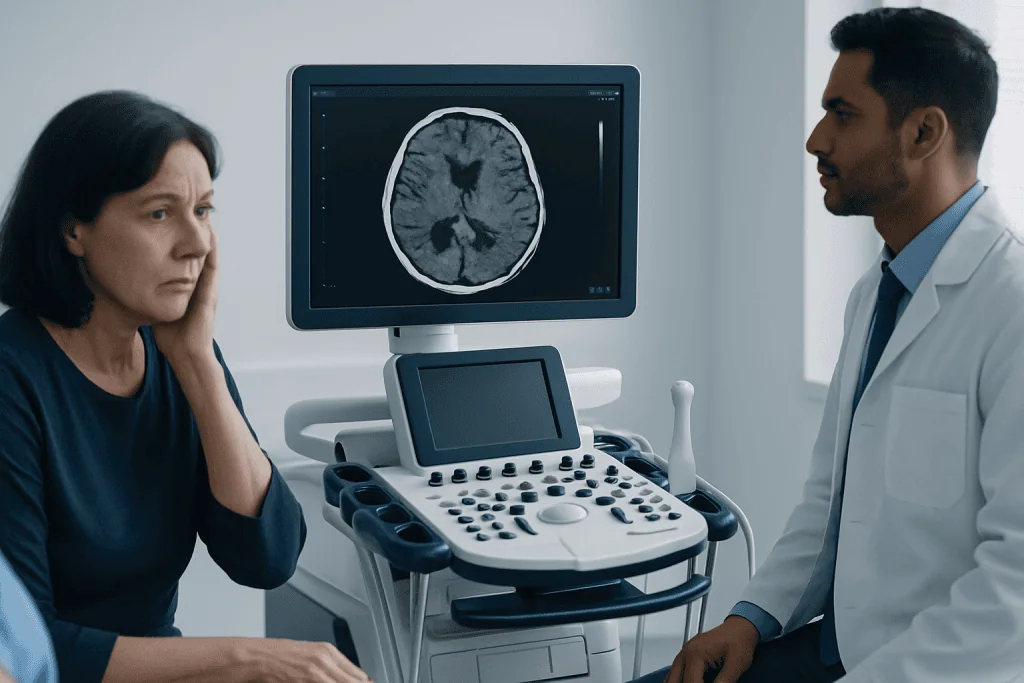
Stroke symptoms usually start suddenly. They may include weakness or numbness of the face, arm, or leg, especially on one side of the body. A person may also have trouble speaking, understanding speech, walking, or keeping balance. Sudden confusion, severe headache, dizziness, or vision loss can also occur.
A simple way to remember common stroke warning signs is FAST: Face drooping, Arm weakness, Speech difficulty, Time to call emergency services. If even one of these symptoms appears suddenly, immediate medical help is needed. Treatment works best when started as quickly as possible.
Other symptoms can include sudden double vision, loss of coordination, trouble swallowing, or a severe unexplained headache. Some symptoms may come and go, especially with a TIA, but temporary symptoms are not harmless. They should still be treated as an urgent medical problem.
- Face drooping or uneven smile
- Arm or leg weakness, especially on one side
- Slurred speech or difficulty speaking
- Sudden vision loss or blurred vision
- Severe headache with no clear cause
- Sudden dizziness or loss of balance
Stroke Risk Factors
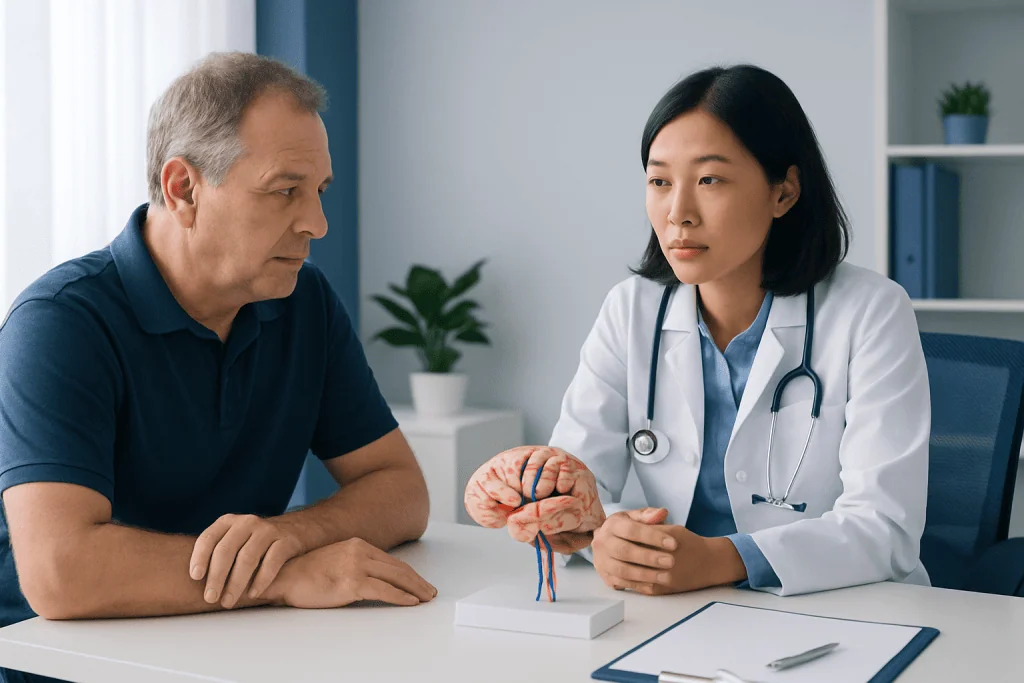
Some stroke risk factors cannot be changed. These include increasing age, family history, a personal history of stroke or TIA, and certain inherited or congenital conditions. Risk may also differ by sex and ethnic background. Even when these factors are present, prevention still matters because many other risks are modifiable.
High blood pressure is one of the most important risk factors for both ischemic and hemorrhagic stroke. Other major risks include diabetes, high cholesterol, smoking, obesity, unhealthy diet, physical inactivity, excessive alcohol use, and poor sleep habits. Conditions such as atrial fibrillation and carotid artery disease can increase the chance of a blood clot reaching the brain.
Heart disease, chronic kidney disease, sleep apnea, and some inflammatory disorders may also raise stroke risk. Certain medicines or substances can contribute as well, including illicit stimulant drugs. People who have already had a TIA or stroke need especially close follow-up, because the risk of another event can be higher without careful treatment and prevention.
In some people, stroke risk is linked to a combination of factors rather than a single cause. A doctor may assess overall cardiovascular health to understand which steps will make the biggest difference. This may include evaluation for stroke, atrial fibrillation, or narrowing of the neck arteries if symptoms or medical history suggest those conditions.
How to Prevent a Stroke
The most effective approach to stroke prevention is to control medical conditions and support overall vascular health. Blood pressure management is a top priority. Following a treatment plan, checking blood pressure regularly, and attending routine appointments can significantly reduce risk. Keeping diabetes and cholesterol under good control is also important.
Lifestyle changes play a central role. A balanced diet rich in vegetables, fruits, whole grains, legumes, and healthy fats can support heart and brain health. Limiting salt, highly processed foods, added sugars, and trans fats may help improve blood pressure, weight, and cholesterol. Regular physical activity also supports circulation and helps lower several stroke risk factors at once.
Not smoking is one of the clearest ways to reduce stroke risk. Smoking damages blood vessels, raises blood pressure, and makes clotting more likely. Limiting alcohol, getting enough sleep, and managing stress can also support prevention. For some people, treatment of sleep apnea is part of reducing risk, especially if snoring, daytime tiredness, or interrupted breathing during sleep are present.
Some people need medicines to help prevent stroke, such as medicines for blood pressure, cholesterol, diabetes, or abnormal heart rhythms. If a narrowed artery or heart condition is found, a specialist may recommend further evaluation or treatment. In carefully selected cases, investigations such as carotid ultrasound or advanced MRI scanning may help clarify risk and guide prevention planning.
Diagnosis and Risk Assessment
Preventing stroke often begins with identifying risk early. A doctor may review personal and family history, blood pressure, weight, smoking status, exercise habits, and any previous symptoms such as temporary weakness or speech difficulty. Even brief episodes can be important clues and should be discussed honestly.
Blood tests may be used to check cholesterol, blood sugar, kidney function, and other markers related to vascular health. A heart rhythm check can help detect atrial fibrillation, which may come and go and therefore be missed without proper monitoring. In some cases, imaging tests are used to look at the brain or blood vessels if symptoms suggest previous unnoticed events or narrowing of arteries.
If someone has had sudden temporary symptoms, urgent evaluation is especially important because the event could have been a TIA. Doctors may recommend brain imaging, heart tests, or vascular imaging to understand the cause and choose the most suitable prevention strategy. Depending on the findings, evaluation by specialists in neurology, cardiology, or vascular care may be advised.
When symptoms are ongoing or a recent stroke is suspected, rapid imaging becomes critical. Tests such as CT scan can help doctors determine whether the cause is a blockage or bleeding, which directly affects treatment decisions. Early and accurate diagnosis is one of the most effective tools for reducing long-term disability.
Treatment Options to Reduce Future Stroke Risk
Treatment to prevent stroke depends on the individual risk profile and whether a person has already had a TIA or stroke. Blood pressure treatment is often a cornerstone. Cholesterol-lowering therapy, diabetes treatment, and medicines to manage heart rhythm disorders may also be recommended. A doctor will choose the approach based on medical history, test results, and overall cardiovascular risk.
For some people, antiplatelet or anticoagulant medicines may be used to lower the chance of harmful blood clots. These medicines are not suitable for everyone, especially those with certain bleeding risks, so they should only be taken under medical advice. People should never start or stop these medications without discussing it with a qualified clinician.
If a structural problem is contributing to risk, a procedure may sometimes be considered. For example, significant narrowing of the carotid arteries may need specialist review, and some heart conditions may require targeted treatment. Rehabilitation and long-term follow-up are also important for those recovering from a stroke, because prevention of another event begins as soon as the first one is treated.
International patients may seek coordinated care when several risk factors are present. Near the end of the care pathway, it may be helpful to know that Acibadem International’s multidisciplinary specialists and JCI-accredited hospitals diagnose and treat stroke-related conditions for international patients, with treatment plans based on individual medical needs.
Prevention Tips for Daily Life
Small daily choices can support stroke prevention over time. Building a routine around healthy meals, regular movement, and taking prescribed medicines consistently can make a meaningful difference. It is often easier to maintain changes when goals are realistic, specific, and discussed with a healthcare professional.
Home blood pressure monitoring can help some people stay engaged with their treatment plan. A doctor or nurse can explain how often to check it and what readings should lead to follow-up. Keeping a simple record of measurements, symptoms, and medicines may be useful during appointments.
It is also wise to know personal warning signs and share them with family members. If a person has a history of TIA, heart rhythm problems, or uncontrolled blood pressure, household members should know when to call emergency services. Prevention is not only about lowering risk over time but also about reacting quickly if symptoms appear.
- Take prescribed medicines as directed
- Attend routine checkups and screening visits
- Stop smoking and avoid secondhand smoke
- Choose a heart-healthy eating pattern
- Stay physically active most days of the week
- Seek help urgently for sudden neurologic symptoms
When to See a Doctor
Any sudden symptom that could suggest stroke should be treated as an emergency. This includes facial drooping, arm weakness, trouble speaking, sudden confusion, vision loss, severe dizziness, or a sudden severe headache unlike usual headaches. Emergency services should be contacted immediately rather than waiting to see if symptoms improve.
A doctor should also be seen promptly for symptoms that come and go, even if they last only a few minutes. Temporary numbness, weakness, difficulty speaking, or brief vision loss may be caused by a TIA. Early treatment after a TIA can lower the chance of a future stroke.
Routine medical review is important for anyone with stroke risk factors such as high blood pressure, diabetes, high cholesterol, atrial fibrillation, smoking, or a family history of stroke. Regular care allows problems to be detected early and managed before they lead to serious complications. If there is any uncertainty about stroke risk or prevention, a qualified healthcare professional can provide individualized guidance.
Frequently asked questions
What is the best way to prevent a stroke?
There is no single step that prevents every stroke, but controlling blood pressure is one of the most effective measures. Not smoking, staying active, eating a balanced diet, and managing conditions such as diabetes, high cholesterol, and atrial fibrillation are also very important.
Can a healthy person still have a stroke?
Yes, a stroke can occur even in someone who appears otherwise healthy. Some risk factors, such as age, family history, inherited conditions, or an undiagnosed heart rhythm problem, may not be obvious without medical evaluation.
What is a TIA and why does it matter?
A transient ischemic attack, or TIA, is a temporary interruption of blood flow to the brain that causes short-lived stroke-like symptoms. It matters because it can be an early warning sign of a future stroke and should be assessed urgently.
How quickly should someone act if stroke symptoms appear?
They should act immediately and call emergency services right away. Early treatment can reduce brain damage and improve the chance of recovery, so waiting for symptoms to pass can be dangerous.
Does high blood pressure always cause symptoms before a stroke?
No, high blood pressure often causes no clear symptoms for years. That is why regular blood pressure checks are important, even for people who feel well.
Are strokes always preventable?
Not all strokes can be prevented, because some risk factors cannot be changed. However, many strokes are linked to treatable or manageable risks, so prevention efforts can still lower the overall chance significantly.
References
- World Health Organization
- American Stroke Association
- National Institute of Neurological Disorders and Stroke
- Centers for Disease Control and Prevention
- National Health Service
This article is for general information only and is not a substitute for professional medical advice. Please consult a qualified doctor about your individual situation.
Explore treatments in Turkey — costs, top hospitals & a free quote
JCI-accredited · board-certified surgeons · reply within 24h
Add us as a Preferred Source to see more of our trusted health content across Google Search, AI Overviews and Discover.
Check your numbers in seconds
BMI, calories, due date, blood pressure and 30+ more clinical calculators — free, instant, doctor-reviewed ranges.