How to Prevent Infectious Diseases: Vaccines, Hygiene, and Daily Habits

Vaccination is one of the most effective ways to prevent many serious infectious diseases. Good hand hygiene, safe food handling, and cleaning high-touch surfaces reduce everyday infection risk.
Key Takeaways
- Vaccination is one of the most effective ways to prevent many serious infectious diseases.
- Good hand hygiene, safe food handling, and cleaning high-touch surfaces reduce everyday infection risk.
- Ventilation, masking in higher-risk situations, and staying home when sick can limit the spread of respiratory infections.
- Safer sex, not sharing needles, and prompt treatment help prevent blood-borne and sexually transmitted infections.
- People with chronic illness, pregnancy, older age, or weakened immunity may need extra precautions and personalized advice.
Many infectious diseases can be prevented through a combination of vaccination, hygiene, healthy daily habits, and timely medical care. Small, consistent steps at home, work, school, and while traveling can lower the risk of infection and help protect the wider community.
Overview
To prevent infectious diseases, most people benefit from a layered approach: staying up to date with vaccines, practicing regular hand hygiene, handling food safely, improving indoor air quality, and making careful choices when sick or exposed. These actions work together because infections spread in different ways, including through the air, close contact, contaminated food or water, blood, and insect bites.
Infectious diseases are caused by bacteria, viruses, fungi, or parasites. Some lead to mild, short-lived illness, while others can cause serious complications, especially in infants, older adults, pregnant people, and those with weakened immune systems. Prevention is not about avoiding all germs; it is about reducing exposure, strengthening protection, and responding early when risk is higher.
Daily prevention habits also help protect family members, coworkers, classmates, and vulnerable people in the community. Even simple routines such as washing hands after using the bathroom, covering a cough, or staying home with fever can interrupt transmission and lower the chance of outbreaks.
How Infectious Diseases Spread

Understanding how infections spread makes prevention more practical. Respiratory infections, such as influenza, COVID-19, and some colds, often spread through droplets and smaller airborne particles released when a person breathes, talks, coughs, or sneezes. Crowded indoor spaces with poor ventilation can increase this risk.
Other infections spread through direct contact with skin, saliva, or bodily fluids; through contaminated surfaces followed by touching the eyes, nose, or mouth; or through unsafe food and water. Some are transmitted by sexual contact or blood exposure, including sharing needles. In certain regions, mosquitoes, ticks, and other insects can carry infections from one person or animal to another.
Because each infection has its own route of transmission, prevention may involve different tools. These can include vaccination, handwashing, masks in high-risk settings, condoms, safe drinking water, insect repellent, or prompt isolation and testing when symptoms develop.
Vaccines: A Key Part of Prevention
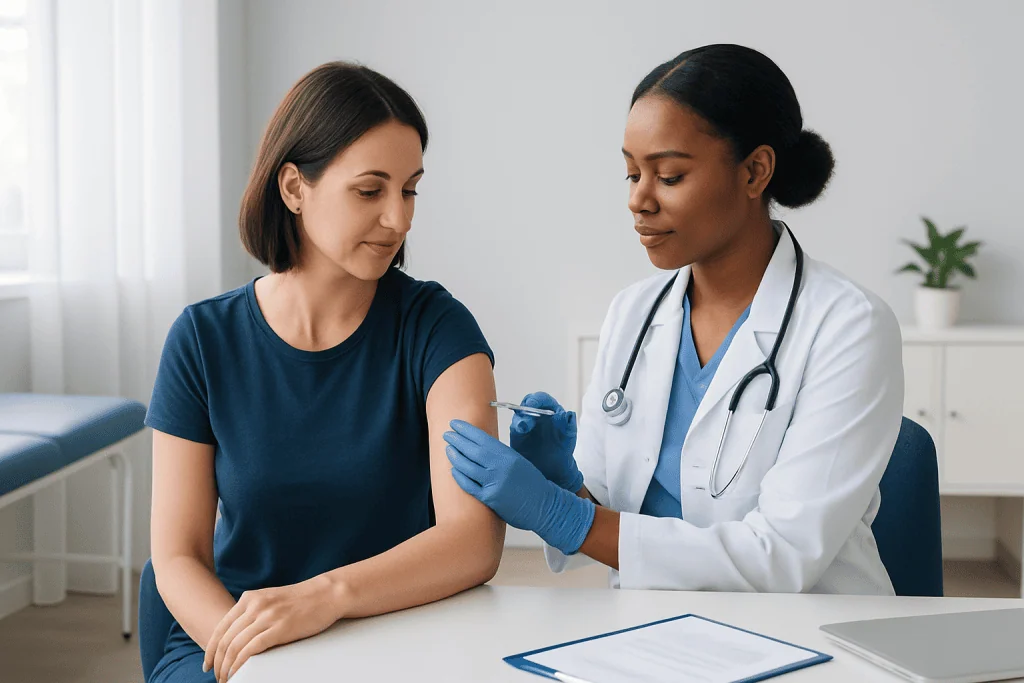
Vaccines train the immune system to recognize and fight specific infections before they cause severe illness. They are one of the most effective public health measures for reducing disease, complications, hospitalization, and spread. Routine immunization schedules may include vaccines given in childhood, adolescence, adulthood, pregnancy, and older age, with boosters when needed.
Recommended vaccines vary by age, medical history, occupation, travel plans, pregnancy status, and local disease patterns. A doctor may advise vaccination against illnesses such as influenza, COVID-19, hepatitis, pneumococcal disease, measles, mumps, rubella, tetanus, pertussis, shingles, or human papillomavirus. Travel-related vaccines may also be advised for some destinations.
Vaccines do not prevent every infection completely, but they often make illness milder and reduce the risk of severe complications. Anyone who is unsure which vaccines are due should review their immunization history with a qualified healthcare professional, especially before pregnancy, school enrollment, healthcare work, or international travel.
- Keep a personal vaccine record.
- Ask about routine, catch-up, and travel vaccines.
- Discuss vaccine timing if there is pregnancy, chronic disease, or immune suppression.
- Encourage household members to stay up to date, which can help protect vulnerable relatives.
Hygiene and Daily Habits That Lower Risk
Hand hygiene remains one of the simplest and most effective ways to prevent infectious diseases. Hands should be washed with soap and water for at least 20 seconds, especially after using the toilet, changing diapers, coughing, sneezing, touching animals, handling raw food, or returning home from public places. If soap and water are not available, an alcohol-based hand sanitizer can be useful in many situations.
Respiratory etiquette is also important. Covering the mouth and nose with a tissue or elbow when coughing or sneezing, disposing of tissues promptly, and cleaning hands afterward can reduce spread. When respiratory viruses are circulating widely or when spending time with high-risk people, additional steps such as improving ventilation, avoiding crowded indoor spaces, or wearing a well-fitting mask may be helpful.
Food and water safety reduce the risk of stomach and intestinal infections. This includes washing produce, separating raw and cooked foods, cooking foods thoroughly, refrigerating perishables promptly, and drinking safe water. At home and in shared spaces, cleaning high-touch surfaces such as phones, door handles, and bathroom fixtures may also help, particularly when someone in the household is ill.
Lifestyle habits can support the immune system, although they do not replace vaccination or hygiene. Adequate sleep, balanced nutrition, regular physical activity, stress management, and avoiding tobacco can help the body respond better to infections and recover more effectively if illness occurs.
Preventing Specific Types of Infections
Different infections require different prevention strategies. For respiratory illnesses, vaccination, ventilation, masks in higher-risk situations, and staying home when feverish or clearly unwell are often the most useful measures. For gastrointestinal infections, careful food preparation, handwashing, and safe water are central. For skin infections, keeping cuts clean and covered and avoiding sharing razors, towels, or personal items can help.
Sexually transmitted and blood-borne infections are best prevented through safer sex practices, condom use, regular screening when indicated, and not sharing needles or injection equipment. Vaccines can also prevent some infections in this group, including hepatitis B and human papillomavirus. If there are concerns about illnesses such as hepatitis B, medical advice can help clarify testing, vaccination, and treatment options.
Travelers may need additional precautions depending on destination, season, and activities. These can include travel vaccines, malaria prevention, insect repellent, bed nets, bottled or treated water, and extra attention to food safety. People with chronic health conditions or weakened immunity should discuss travel plans with a doctor in advance.
What to Do After Exposure or When Symptoms Start
Even with careful prevention, exposures can happen. If a person has been in close contact with someone who has a contagious illness, the next steps depend on the infection involved. In many cases, it is sensible to monitor for symptoms, limit close contact with vulnerable people, and seek medical advice about testing, preventive medication, or vaccination updates.
Symptoms that may suggest an infectious illness include fever, cough, sore throat, shortness of breath, vomiting, diarrhea, rash, painful urination, unusual fatigue, or localized redness and swelling. Not every symptom means a serious infection, but early assessment can be important if symptoms are severe, persistent, or worsening. Doctors may use a physical examination and tests such as blood work, swabs, urine tests, stool tests, or MRI scan or other imaging when complications or deep infections are suspected.
Treatment depends on the cause. Viral infections may improve with supportive care, while bacterial infections sometimes require antibiotics. Antiviral, antiparasitic, or antifungal medicines may be appropriate in selected cases. It is important not to use antibiotics without medical guidance, because unnecessary use does not treat viruses and may contribute to resistance. In more complex situations, specialists in infectious diseases care may help guide diagnosis, treatment, and prevention of recurrence.
Prevention for Higher-Risk Groups
Some people need extra protection because they are more likely to become seriously ill from infections. This includes older adults, newborns, pregnant people, those receiving chemotherapy, transplant recipients, and people with chronic lung disease, diabetes, kidney disease, or immune system disorders. For these groups, prevention plans should be individualized.
Extra measures may include additional vaccines, earlier testing after exposure, prompt treatment, masking in crowded or healthcare settings, and avoiding contact with sick individuals when possible. Household members and close contacts also play an important role by staying up to date with vaccines and not visiting when unwell.
People with recurrent infections or unexplained severe illness may need further evaluation to look for underlying conditions affecting immunity. If persistent or unusual infections occur, doctors may recommend blood tests, specialist assessment, or targeted treatment. In selected cases, blood tests can help assess inflammation, infection markers, or immune-related issues.
When to See a Doctor
Medical advice is recommended if symptoms are severe, last longer than expected, or keep returning. A person should seek prompt care for difficulty breathing, chest pain, dehydration, confusion, high or persistent fever, severe headache with neck stiffness, widespread rash, or signs of infection around a wound such as increasing redness, swelling, warmth, or pus.
Pregnant people, infants, older adults, and anyone with weakened immunity should contact a doctor early if they have symptoms of infection or a significant exposure. Early evaluation may help prevent complications and reduce the chance of spreading illness to others.
Near the end of the care pathway, some people may benefit from coordinated specialist support, especially if diagnosis is unclear or infections are recurrent. Acibadem International’s multidisciplinary specialists and JCI-accredited hospitals diagnose and treat infectious diseases for international patients, with care guided by individual needs and standard medical practice.
Frequently asked questions
What is the best way to prevent infectious diseases?
The most effective approach is usually a combination of measures rather than one single step. Staying current with vaccines, washing hands regularly, handling food safely, improving ventilation, and avoiding close contact when sick all help reduce risk.
Do vaccines completely stop infections?
Vaccines do not always prevent infection entirely, but they often reduce the chance of getting sick and can make illness much milder. They are especially important for lowering the risk of serious complications, hospitalization, and spread to vulnerable people.
How often should hands be washed to prevent infection?
Hands should be washed often during the day, especially before eating, after using the toilet, after coughing or sneezing, after touching animals, and after returning from public places. Soap and water are preferred when hands are visibly dirty.
Can healthy lifestyle habits strengthen protection against infections?
Yes, healthy habits such as enough sleep, balanced meals, regular exercise, stress control, and avoiding tobacco can support immune function. However, they should be seen as a complement to proven prevention methods like vaccination and hygiene, not a replacement.
When should someone stay home to avoid spreading infection?
It is wise to stay home when there is fever, vomiting, diarrhea, or significant respiratory symptoms such as frequent coughing and feeling unwell. Limiting contact with others during the most contagious period can help protect family, coworkers, classmates, and vulnerable people.
Are antibiotics useful for preventing or treating every infection?
No. Antibiotics work against bacterial infections, but they do not treat viral illnesses such as most colds or flu. Using antibiotics only when prescribed helps avoid side effects and reduces the risk of antibiotic resistance.
References
- World Health Organization
- Centers for Disease Control and Prevention
- European Centre for Disease Prevention and Control
- UNICEF
- National Health Service
This article is for general information only and is not a substitute for professional medical advice. Please consult a qualified doctor about your individual situation.
Explore treatments in Turkey — costs, top hospitals & a free quote
JCI-accredited · board-certified surgeons · reply within 24h
Add us as a Preferred Source to see more of our trusted health content across Google Search, AI Overviews and Discover.