How to Prevent Migraines: Medicines, Triggers, and Daily Habits That Matter

Migraine prevention often works best when medicines and daily habits are used together. Common triggers include poor sleep, stress, skipped meals, dehydration, alcohol, and hormonal changes.
Key Takeaways
- Migraine prevention often works best when medicines and daily habits are used together.
- Common triggers include poor sleep, stress, skipped meals, dehydration, alcohol, and hormonal changes.
- A headache diary can help identify patterns and guide treatment decisions.
- Preventive medicines may be useful when migraines are frequent, long-lasting, or disabling.
- A doctor should evaluate new, severe, or changing headaches.
Many people can prevent migraines or reduce how often they happen by combining healthy routines, trigger management, and preventive treatment when needed. The best plan is personalized, practical, and guided by a qualified doctor.
Overview: Can Migraines Be Prevented?
Many migraines can be prevented, or at least reduced in frequency and severity. Prevention usually focuses on three areas: identifying triggers, building steady daily habits, and using preventive treatment when attacks happen often or interfere with normal life. For many people, small changes made consistently are just as important as medication.
Migraine is more than a simple headache. It is a neurological condition that can cause throbbing head pain, nausea, light sensitivity, sound sensitivity, and sometimes visual or sensory symptoms called aura. Because migraine tends to return, prevention is an important part of care, not only treatment during an attack.
The right prevention plan depends on the person. Age, headache pattern, overall health, sleep, stress, hormone changes, and other medical conditions can all influence what works best. A doctor may suggest lifestyle changes alone, prescription prevention, or a combination of both.
Why Migraines Happen and What Raises the Risk
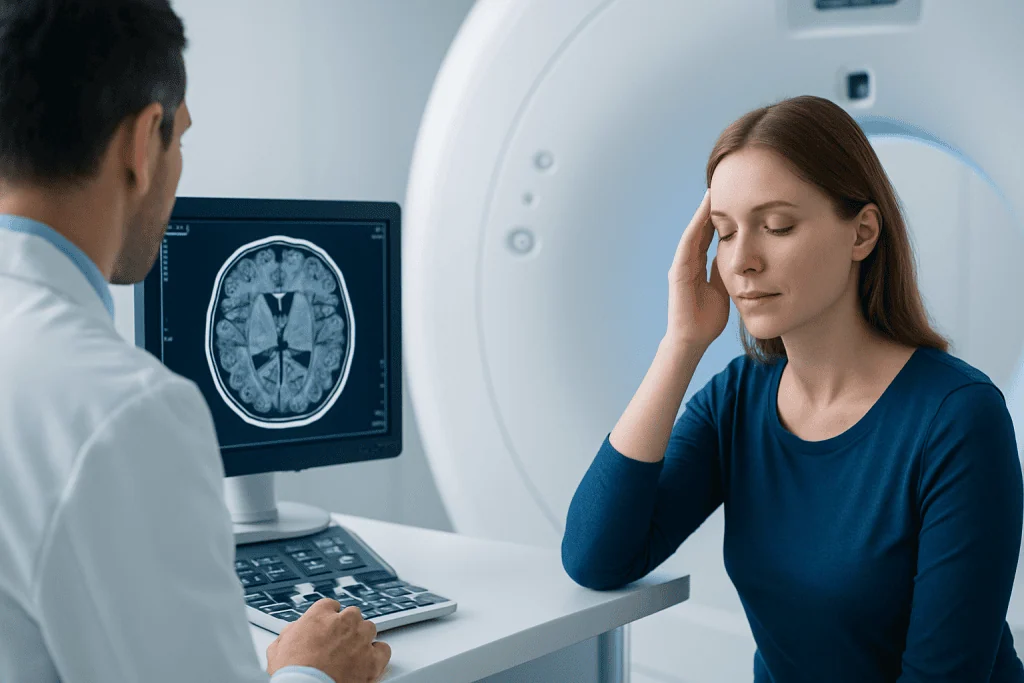
Migraine is thought to involve changes in brain signaling, pain pathways, and blood vessel activity, together with a genetic tendency in many people. This is why migraine often runs in families. Having a trigger does not mean the person caused the migraine; rather, certain factors can make the nervous system more likely to react.
Common risk factors include a family history of migraine, being female, hormonal fluctuations, stress, irregular sleep, and certain coexisting conditions such as anxiety, depression, or sleep disorders. Some people also notice that migraine becomes more frequent during periods of major routine change, travel, illness, or overuse of pain-relief medicines.
It is helpful to think of triggers as part of an overall threshold. On one day, a single factor may not cause an attack. On another day, a combination of poor sleep, dehydration, missed meals, and stress may lower the threshold enough for migraine to start. Understanding that pattern can make prevention more realistic and less frustrating.
Common Migraine Triggers to Watch For

Triggers vary from person to person, but some are especially common. Irregular sleep, skipped meals, dehydration, emotional stress, alcohol, strong smells, bright or flickering lights, and too much or too little caffeine are frequently reported. In some people, weather changes or hormonal shifts around menstruation can also play a role.
Food triggers are often suspected, but they are not the same for everyone. Aged cheeses, processed meats, chocolate, and foods containing additives may affect some people, while others tolerate them well. Strict food avoidance is not always necessary unless a clear and repeatable pattern is present.
A headache diary can be very useful. Recording the date, symptoms, sleep, meals, stress, menstrual cycle, and possible triggers for several weeks may reveal patterns that are easy to miss in daily life. A diary also helps doctors judge whether symptoms fit migraine and whether the person may be developing migraine more frequently over time.
- Sleep changes, including too little or too much sleep
- Skipping meals or fasting
- Not drinking enough fluids
- Stress and emotional tension
- Alcohol and caffeine changes
- Hormonal changes
- Sensory triggers such as bright light, noise, or strong odors
Daily Habits That Help Prevent Migraines
Daily routine matters because the migraine brain often responds better to consistency than extremes. Going to bed and waking up at similar times each day may help reduce attacks. Regular meals and good hydration can also support prevention, especially for people whose headaches worsen after missing food or fluids.
Stress management is another key part of prevention. Stress does not mean migraine is psychological; it simply affects the nervous system and can increase susceptibility. Relaxation exercises, gentle breathing, mindfulness, yoga, stretching, and scheduled breaks may help lower the body’s stress response over time.
Regular physical activity can reduce migraine frequency for some people, but it is best to increase exercise gradually. Sudden intense exertion can trigger headaches in certain individuals. Moderate, steady activities such as walking, cycling, or swimming are often easier to tolerate. Sleep quality, posture, screen breaks, and limiting overuse of pain medicines also support long-term control.
If headaches are linked to snoring, poor sleep, daytime fatigue, or insomnia, treating the underlying sleep problem may improve migraine prevention. A doctor may look for other contributors as well, including neck pain, medication effects, and related conditions such as tension-type headache that can overlap with migraine symptoms.
Medicines Used to Prevent Migraines
Preventive medicines are considered when migraines are frequent, severe, long-lasting, or disruptive to work, school, or family life. They are also used when acute treatments do not work well, cannot be used safely, or are needed too often. Prevention medicine is taken regularly, not only during an attack.
Several types of medicines may be used, including certain blood pressure medicines, some antidepressants, some anti-seizure medicines, and newer migraine-specific options. For selected patients, doctors may recommend injectable therapies or other advanced approaches, depending on the migraine pattern and the person’s medical history. These decisions should always be individualized.
Some people with chronic migraine may benefit from specialist treatments such as Botox treatment when a neurologist feels it is appropriate. Others may be candidates for broader migraine treatment plans that combine prevention, rescue medicines, and trigger management. If headaches are becoming frequent because pain-relief medicines are used too often, the doctor may also assess for medication-overuse headache.
Preventive treatment usually takes time to judge. Doctors often recommend following the plan for several weeks or longer, while tracking headache days and side effects. The goal is not always to stop every migraine completely, but to reduce frequency, intensity, and disability in a safe and sustainable way.
How Doctors Diagnose Migraine and Build a Prevention Plan
Migraine is usually diagnosed based on symptoms, medical history, and a neurological examination. The doctor will ask about the location and character of pain, nausea, sensitivity to light or sound, aura symptoms, how long attacks last, and how often they happen. A headache diary can make this conversation much more accurate and productive.
Testing is not always needed. However, imaging or other investigations may be recommended if the headache pattern is unusual, suddenly changing, or associated with warning signs. The main aim is to confirm the diagnosis and rule out other causes of headache that may need different treatment.
Once migraine is identified, the prevention plan is tailored to the individual. It may include avoiding clear triggers, stabilizing sleep and meals, limiting acute medicine use, and considering prescription prevention. If needed, doctors may arrange further neurological evaluation or specialist care to better understand complex or difficult-to-control symptoms.
When to See a Doctor
A person should see a doctor if headaches are frequent, severe, worsening, or interfering with normal life. Medical advice is also important if pain-relief medicines are needed often, if attacks cause vomiting or significant disability, or if the person is unsure whether the headaches are migraine. Early assessment can improve control and help prevent headaches from becoming more difficult to treat.
Urgent medical care is needed for a sudden, explosive headache, headache after a head injury, or headache with fever, confusion, fainting, weakness, seizures, or new trouble speaking or seeing. These symptoms do not always mean a serious problem, but they should be evaluated promptly and safely.
Near the end of the care pathway, some people benefit from a multidisciplinary approach, especially when migraines are chronic or accompanied by sleep, hormonal, or mood-related concerns. Acibadem International’s multidisciplinary specialists in JCI-accredited hospitals diagnose and treat migraine for international patients, with plans based on the individual’s symptoms and overall health.
Frequently asked questions
What is the best way to prevent migraines?
The best approach is usually a combination of trigger awareness, regular daily habits, and preventive treatment when needed. Good sleep, regular meals, hydration, stress management, and a doctor-guided plan often work better than relying on a single method.
When should preventive migraine medicine be considered?
Preventive medicine may be considered when migraines happen often, last a long time, or significantly affect daily life. It can also help when attack medicines are not enough or are being used too frequently.
Can keeping a headache diary really help?
Yes. A headache diary can show patterns in triggers, timing, and symptom severity that may not be obvious otherwise. It also gives the doctor useful information for diagnosis and treatment decisions.
Do all people with migraine need to avoid the same foods?
No. Food triggers are highly individual, and a food that affects one person may not affect another. It is usually more helpful to look for a consistent personal pattern than to follow a very restrictive diet without clear evidence.
Can stress cause migraines?
Stress can be a trigger or contributing factor for many people, but it is not the only cause of migraine. Migraine is a neurological condition, and stress management is just one part of prevention.
Is it possible to stop migraines completely?
Some people achieve long periods without attacks, while others mainly reduce frequency or severity. A realistic goal is fewer, milder, and more manageable migraines with less disruption to daily life.
References
- World Health Organization
- International Headache Society
- American Migraine Foundation
- National Institute of Neurological Disorders and Stroke
- Mayo Clinic
This article is for general information only and is not a substitute for professional medical advice. Please consult a qualified doctor about your individual situation.
Migraine in Turkey — costs, top hospitals & a free quote
JCI-accredited · board-certified surgeons · reply within 24h
Add us as a Preferred Source to see more of our trusted health content across Google Search, AI Overviews and Discover.

More from the Health Library



Related Specialists

Prof. Dr. Tolga Tüzüner
Orthopedic Surgery & Traumatology
Dr. Memiş Ali Mutlu
Gynecology & Obstetrics
Yaren Kasal
Physical Medicine & Rehabilitation
Dr. Alî Uçar
Emergency Service