How to Relieve Stress? Causes, Explanations, and Next Steps

Stress is common and often manageable with small, consistent self-care steps. Useful first steps include regular sleep, physical activity, slower breathing, and reducing avoidable stressors.
Key Takeaways
- Stress is common and often manageable with small, consistent self-care steps.
- Useful first steps include regular sleep, physical activity, slower breathing, and reducing avoidable stressors.
- Ongoing stress can affect the body as well as mood, concentration, and energy.
- Medical review is important if symptoms are severe, long-lasting, or hard to distinguish from another health condition.
- Treatment may include lifestyle changes, counseling, and care for related conditions such as anxiety, depression, or sleep problems.
Most stress is a normal response to daily demands and often improves with rest, routines, movement, and practical coping skills. Persistent, overwhelming, or physically disruptive stress deserves medical review, especially if it affects sleep, mood, work, relationships, or causes chest pain, panic, or thoughts of self-harm.
Overview: what helps relieve stress?
For many people, stress can be relieved by a combination of simple measures: creating a steadier daily routine, getting enough sleep, moving the body regularly, limiting excess caffeine and alcohol, and using calming techniques such as slow breathing or brief mindfulness practice. Stress is often a normal response to challenge, and in many cases it improves when the trigger passes or when a person feels more supported and in control.
Even so, stress should not be ignored when it becomes intense, frequent, or hard to recover from. A medical review is a good idea if stress starts to affect sleep, appetite, concentration, relationships, work, or physical health, or if symptoms such as chest pain, fainting, severe panic, or thoughts of self-harm are present. Doctors can help identify whether stress is the main issue or whether another condition may be contributing.
Because stress can overlap with anxiety, depression, thyroid problems, heart symptoms, sleep disorders, or medication side effects, it is not always something a person should have to sort out alone. In some cases, stress is best understood as part of a broader pattern such as anxiety disorder or low mood linked to depression. Recognizing this early can make treatment more effective and reassuring.
How stress affects the mind and body
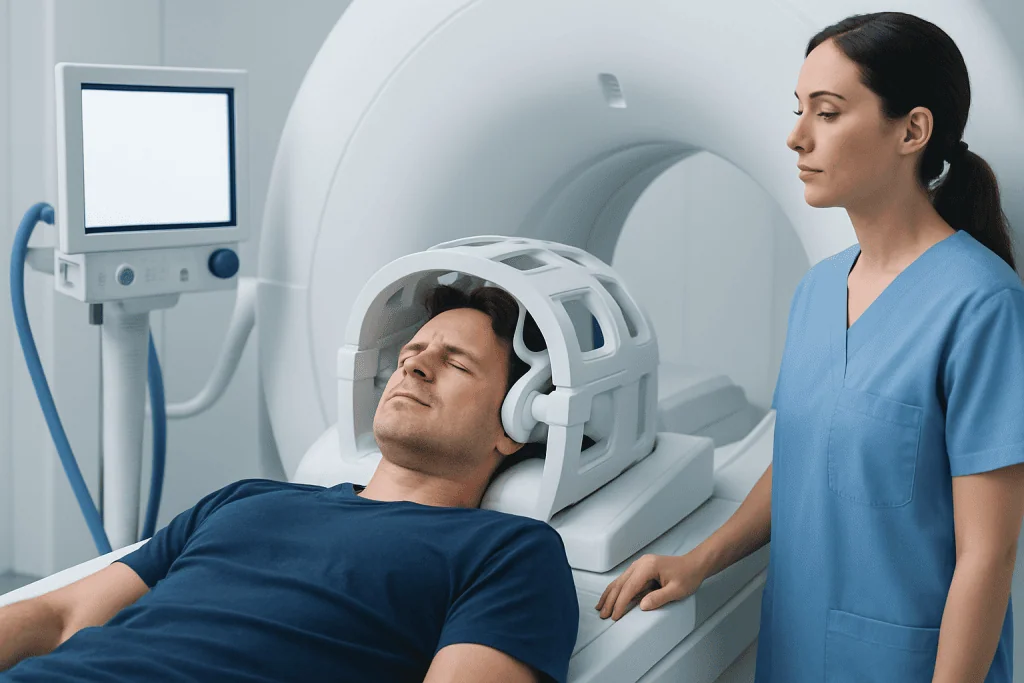
Stress is the body’s built-in alarm system. When a person faces pressure, uncertainty, pain, or conflict, the brain signals the release of stress hormones that prepare the body to respond. In the short term, this can be helpful: heart rate rises, attention narrows, and energy becomes more available for action.
The problem is not stress itself, but stress that is too intense, too frequent, or too prolonged. When the body stays in a state of high alert for long periods, people may begin to feel constantly tense, irritable, tired, restless, or emotionally drained. Memory, attention, and decision-making can also suffer, which may make everyday demands feel even harder to manage.
Longer-term stress can show up physically as headaches, muscle tension, stomach upset, changes in appetite, poor sleep, palpitations, and a weakened sense of well-being. It can also worsen existing health concerns, including high blood pressure, chronic pain, and some digestive symptoms. This is why stress relief is not only about feeling calmer in the moment, but also about protecting overall health.
Common signs and triggers of stress

Stress does not look the same for everyone. Some people mainly notice emotional symptoms such as worry, frustration, feeling overwhelmed, or losing motivation. Others notice physical changes first, including jaw clenching, neck or back tension, headaches, sweating, digestive discomfort, or difficulty falling asleep.
Typical triggers include work pressure, caregiving, financial strain, relationship conflict, grief, major life changes, exams, illness, chronic pain, and poor sleep. Sometimes the trigger is clear, but stress can also build quietly over time when a person has too little recovery time between responsibilities.
Warning signs that stress may be becoming chronic include:
- Feeling tired but unable to relax
- Sleeping too little or too much
- Becoming more forgetful or less productive
- Using alcohol, nicotine, or overeating to cope
- Frequent headaches, stomach symptoms, or muscle tension
- Pulling away from friends, family, or enjoyable activities
These symptoms are common and often improve with practical support, but they can also overlap with medical and mental health conditions. That is one reason persistent stress deserves attention rather than self-criticism.
Practical ways to relieve stress day to day
The most effective stress relief plan is usually simple and sustainable rather than extreme. A helpful starting point is to protect the basics: regular sleep and wake times, balanced meals, hydration, daily movement, and short breaks from screens and constant notifications. Even modest improvements in routine can make stress feel more manageable.
Calming the nervous system directly can also help. Slow breathing, progressive muscle relaxation, stretching, prayer or meditation, journaling, time in nature, and brief pauses between tasks can reduce the sense of being constantly rushed. Many people benefit from setting aside 5 to 10 minutes once or twice a day for one technique they can repeat consistently.
It also helps to reduce avoidable stress where possible. This may include setting clearer boundaries, breaking large tasks into smaller steps, saying no to nonessential demands, and asking for help earlier. Social connection matters as well; speaking with a trusted friend, family member, or counselor can reduce isolation and improve coping.
If symptoms include poor sleep, treatment focused on rest may be especially useful. For some people, a doctor may assess for an underlying sleep condition and discuss approaches such as sleep disorder treatment. When stress is closely tied to physical tension or inactivity, a structured plan involving physical therapy and rehabilitation may also support recovery in selected cases.
When stress may need medical evaluation
Stress is often harmless and temporary, but certain features should prompt medical review. A person should seek urgent care for chest pain, severe shortness of breath, fainting, sudden weakness, new confusion, or thoughts of self-harm. These symptoms should not be assumed to be caused by stress alone.
Non-urgent medical assessment is also appropriate if stress lasts for weeks, keeps returning, or begins to interfere with normal life. This includes trouble sleeping, panic-like episodes, persistent sadness, loss of interest, significant appetite or weight changes, frequent headaches, digestive symptoms, rising blood pressure, or increased use of alcohol or drugs to cope.
Another reason to seek help is uncertainty. Stress symptoms can resemble other conditions, including panic attacks, heart rhythm problems, thyroid disorders, anemia, medication effects, and sleep disorders. In some cases, physical symptoms may need targeted evaluation, such as cardiology care for concerning chest symptoms or palpitations.
Getting checked does not mean something serious is likely. More often, it helps rule out important causes, clarify what is happening, and create a practical plan for relief.
How doctors diagnose stress-related symptoms
Diagnosis usually begins with a careful conversation rather than a single test. A doctor will ask about the symptoms, when they started, possible triggers, sleep, mood, work and home pressures, medications, caffeine or alcohol use, and whether there have been panic episodes or symptoms of anxiety or depression. Understanding the full picture helps separate ordinary short-term stress from a pattern that may need structured treatment.
The physical examination may include blood pressure, heart rate, and a general review for signs of another medical cause. Depending on symptoms, tests may be considered to look for conditions that can mimic or worsen stress, such as thyroid imbalance, anemia, vitamin deficiencies, blood sugar problems, or heart rhythm issues. If sleep is poor, the doctor may explore snoring, nighttime awakenings, and daytime fatigue.
Doctors may also use brief screening questionnaires for stress, anxiety, depression, and sleep quality. These tools do not label a person, but they can guide next steps. If needed, referral to a mental health professional may be recommended for fuller assessment and support.
This evaluation is often reassuring because it gives structure to symptoms that may have felt vague or overwhelming. It also helps tailor care so that the person is not relying only on generic advice.
Treatment options for ongoing or severe stress
Treatment depends on the cause, severity, and effect on daily life. For mild to moderate stress, doctors often recommend a combination of lifestyle measures, stress-management skills, and regular follow-up. Building routines, improving sleep, increasing physical activity, and learning coping strategies are often the foundation of care.
When stress is linked to anxiety, depression, trauma, or burnout, talking therapies can be very effective. Cognitive behavioral therapy and other forms of counseling can help a person recognize unhelpful thought patterns, regulate the body’s stress response, and develop healthier ways to respond to pressure. If appropriate, referral for psychiatry support may help coordinate therapy and, in selected cases, medication.
Medication is not needed for everyone, but some people benefit when symptoms are persistent, severe, or part of a diagnosed mental health condition. A doctor will consider the likely benefits, possible side effects, sleep issues, and any coexisting medical problems before recommending treatment.
Near the end of the care pathway, specialist support may be helpful for complex cases, especially when physical and emotional symptoms overlap. Acibadem International’s multidisciplinary specialists in JCI-accredited hospitals diagnose and treat stress-related conditions for international patients when broader evaluation is needed.
Prevention and long-term self-care
Preventing stress entirely is not realistic, but resilience can be strengthened. Helpful long-term habits include regular exercise, consistent sleep, realistic scheduling, healthy meals, and protecting time for rest and enjoyable activities. Small habits practiced daily tend to work better than occasional major efforts.
Many people also benefit from noticing early signs that stress is rising, such as irritability, shallow breathing, skipped meals, muscle tension, or difficulty concentrating. Catching these signs early makes it easier to respond with a short walk, a breathing exercise, a conversation with someone supportive, or a temporary reduction in demands.
It can also help to review what stress is asking of the person. Sometimes the next step is not only relaxation, but practical problem-solving: financial advice, workplace adjustments, grief support, parenting support, or treatment of an underlying condition. Lasting stress relief often comes from combining emotional coping with real-world changes.
If symptoms continue despite self-care, that is not a personal failure. It usually means the stress response has become more entrenched and deserves professional support, just as any other ongoing health issue would.
Frequently asked questions
What is the fastest way to relieve stress in the moment?
The quickest options are usually simple physical calming techniques such as slow breathing, unclenching the jaw and shoulders, stepping away from the trigger, and grounding attention on the present moment. These methods may not solve the cause of stress, but they can lower the body's immediate alarm response and make clearer thinking easier.
Can stress cause physical symptoms even if nothing serious is wrong?
Yes. Stress commonly causes headaches, muscle tension, stomach upset, poor sleep, palpitations, sweating, and fatigue. Even so, new, severe, or persistent physical symptoms should be assessed by a doctor so that other medical causes are not missed.
How do I know if stress is turning into anxiety or depression?
Stress may overlap with anxiety or depression when symptoms are frequent, last for weeks, or affect work, relationships, sleep, and enjoyment of life. Constant worry, panic episodes, hopelessness, loss of interest, or feeling unable to cope are signs that professional evaluation would be helpful.
When should someone seek urgent medical care for stress symptoms?
Urgent care is important for chest pain, severe breathing difficulty, fainting, sudden weakness, new confusion, or thoughts of self-harm. These symptoms should not be assumed to be caused by stress alone, even in someone who has felt anxious before.
Are medications always needed for stress?
No. Many people improve with lifestyle changes, better sleep, counseling, and practical support around work or home pressures. Medication may be considered when symptoms are severe, long-lasting, or part of a diagnosed condition such as anxiety or depression.
Can poor sleep make stress worse?
Yes. Sleep and stress affect each other closely: stress can make it harder to sleep, and lack of sleep can make the body more reactive to stress the next day. Improving sleep habits is often one of the most effective starting points for stress relief.
References
- World Health Organization
- National Institute of Mental Health
- American Psychological Association
- Centers for Disease Control and Prevention
- National Health Service
This article is for general information only and is not a substitute for professional medical advice. Please consult a qualified doctor about your individual situation.
Explore treatments in Turkey — costs, top hospitals & a free quote
JCI-accredited · board-certified surgeons · reply within 24h
Add us as a Preferred Source to see more of our trusted health content across Google Search, AI Overviews and Discover.
Check your numbers in seconds
BMI, calories, due date, blood pressure and 30+ more clinical calculators — free, instant, doctor-reviewed ranges.