How to Remove Plaque From Teeth? Causes, Explanations, and Next Steps
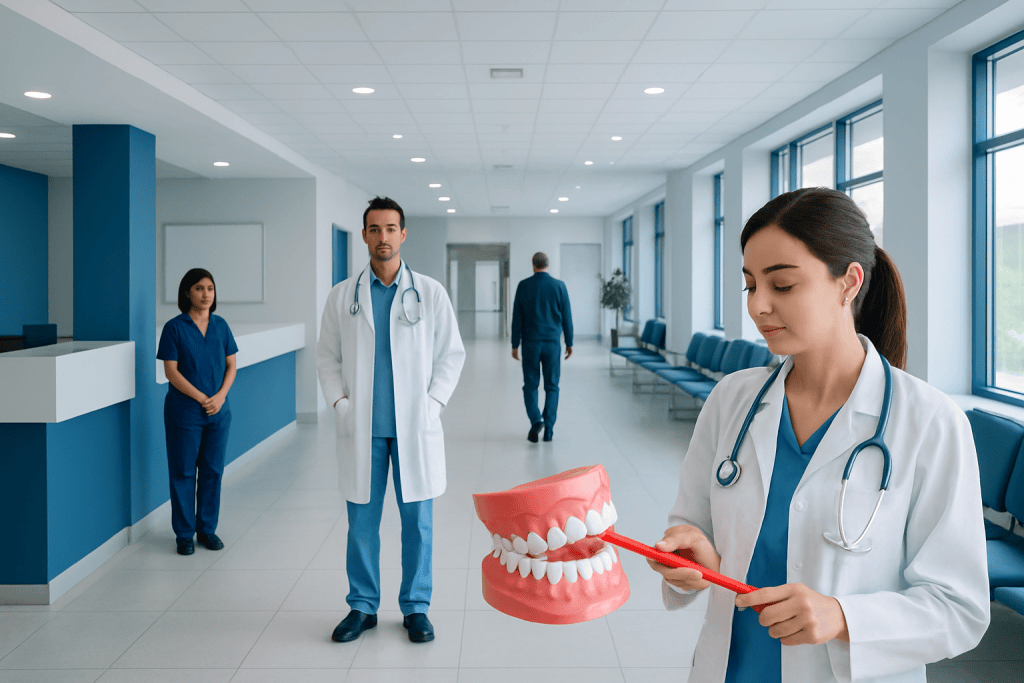
Soft dental plaque can often be reduced with effective brushing and daily cleaning between the teeth. Hardened plaque, called tartar or calculus, cannot usually be removed safely at home.
Key Takeaways
- Soft dental plaque can often be reduced with effective brushing and daily cleaning between the teeth.
- Hardened plaque, called tartar or calculus, cannot usually be removed safely at home.
- Persistent bleeding gums, pain, swelling, bad breath, or loose teeth should be assessed by a dental professional.
- Dentists diagnose plaque-related problems with an oral exam and may use dental X-rays if needed.
- Long-term prevention depends on consistent oral hygiene, diet habits, and regular dental checkups.
Plaque on teeth is very common and is often manageable with careful daily oral hygiene and routine dental care. The key is to remove soft plaque early, since once it hardens into tartar it usually needs professional cleaning.
Overview: how to remove plaque from teeth
For most people, the answer to how to remove plaque from teeth is straightforward: remove soft plaque every day with thorough brushing, clean between the teeth once daily, and arrange regular dental cleanings so hardened deposits can be removed professionally. Plaque is a sticky film of bacteria that forms naturally on teeth, and it becomes a problem mainly when it is left in place long enough to irritate the gums or harden into tartar.
In many cases, plaque buildup is harmless at first and improves with better home care. The concerns begin when there are warning signs such as gums that bleed often, ongoing bad breath, tooth sensitivity, visible yellow or brown deposits near the gumline, gum swelling, pain, or teeth that feel loose. These signs do not always mean serious disease, but they do deserve attention because untreated plaque can contribute to tooth decay and gum disease.
If symptoms persist, a dentist will usually begin with a careful history and oral examination, looking at the teeth, gums, plaque accumulation, and any areas of tenderness or bleeding. Depending on the findings, they may recommend a professional cleaning, assess for cavities, or look for gum disease such as gingivitis or more advanced periodontal problems.
What plaque is and why it builds up
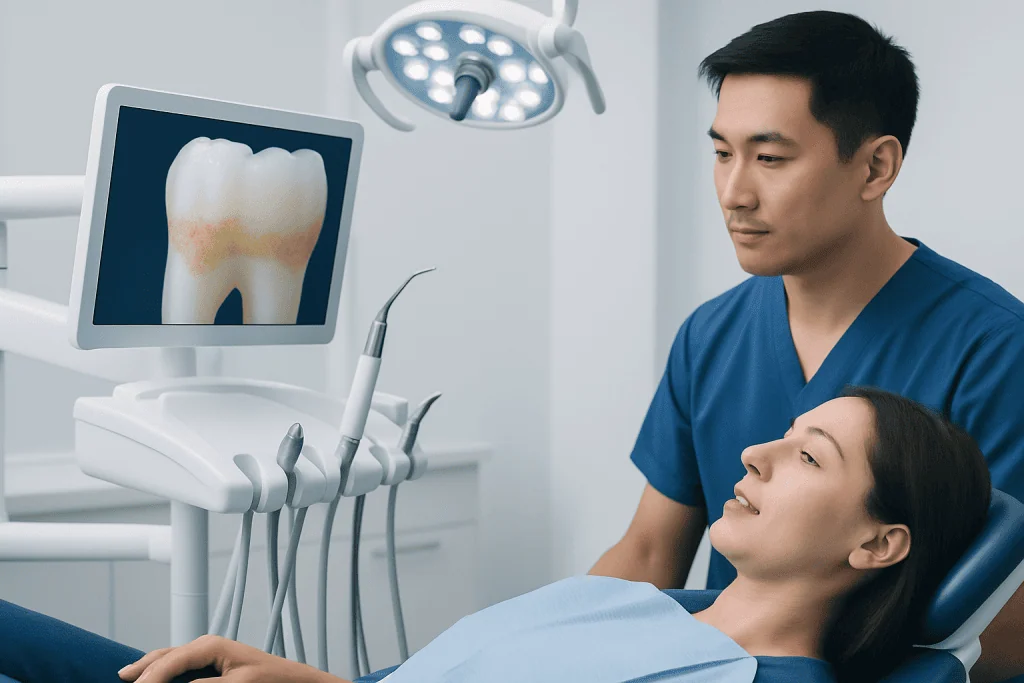
Dental plaque is a soft, colorless or pale yellow biofilm made of bacteria, saliva, and food particles. It starts to form on teeth soon after eating and drinking, especially after foods containing sugars or starches. Because it is sticky, it can collect along the gumline, in the grooves of the teeth, and in spaces a toothbrush may miss.
If plaque is not removed regularly, minerals in saliva can cause it to harden into tartar, also called calculus. This is an important distinction. Soft plaque can often be removed at home with careful technique, but tartar is firmly attached and usually needs professional tools to remove it safely. Trying to scrape it off at home can damage enamel or injure the gums.
Plaque tends to build up more easily in people who have crowded teeth, dry mouth, orthodontic appliances, gum recession, or limited hand dexterity. Skipping regular brushing, not cleaning between the teeth, frequent snacking, smoking, and some medical conditions can also increase the risk of buildup.
Signs that plaque may be causing problems
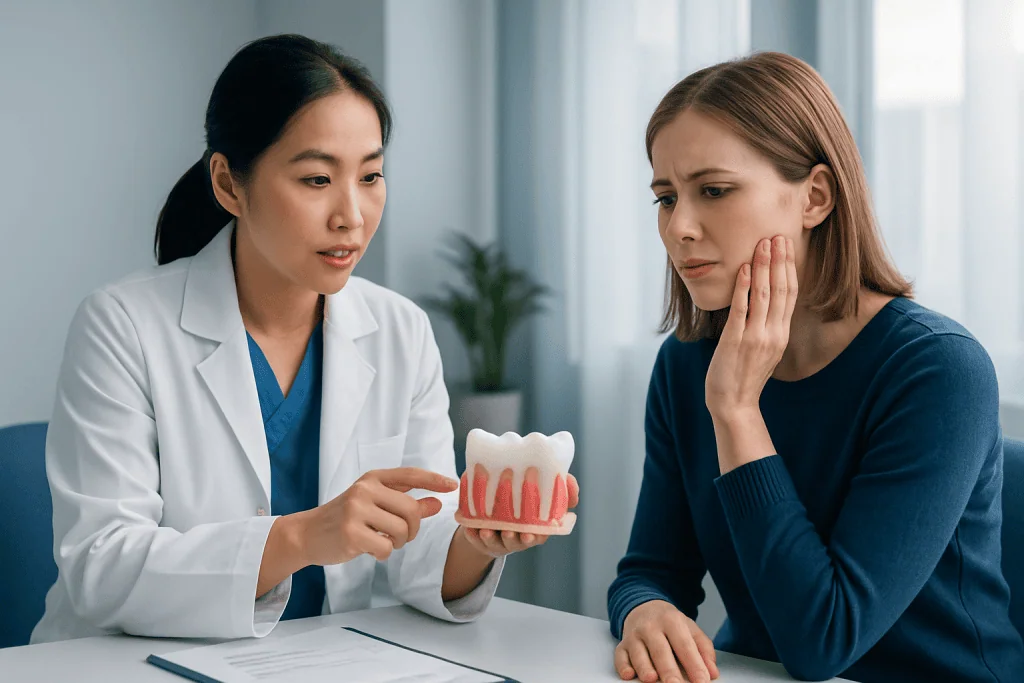
Plaque does not always cause symptoms right away. In its early stages, a person may simply notice a fuzzy feeling on the teeth, a dull coating near the gums, or bad breath that returns quickly after brushing. These mild signs are common and often improve with more consistent oral hygiene.
As plaque remains on the teeth and gums, inflammation can develop. The gums may look red instead of pink, appear puffy, or bleed during brushing and flossing. Teeth may also become more sensitive to cold foods or drinks if plaque contributes to gum irritation or early decay.
More concerning symptoms include ongoing gum pain, pus, a bad taste in the mouth, increasing spaces between teeth, gum recession, or teeth that feel loose. These can suggest more advanced gum disease and should be evaluated by a dental professional rather than managed with home remedies alone.
- Common mild signs: fuzzy teeth, mild bad breath, slight gum bleeding
- Signs needing prompt review: swelling, persistent bleeding, pain, pus, loose teeth
- Appearance clues: yellow or brown deposits near the gumline may indicate tartar
How to remove plaque at home safely
The most effective home approach is gentle but thorough cleaning every day. Brushing twice daily with fluoride toothpaste helps remove plaque from exposed tooth surfaces. A soft-bristled toothbrush or electric toothbrush can both work well when used correctly. The brush should be angled toward the gumline, and all surfaces of the teeth should be cleaned for enough time rather than rushed.
Cleaning between the teeth once a day is just as important because plaque often remains where a toothbrush cannot reach. Dental floss, interdental brushes, or other interdental cleaners may be suitable depending on tooth spacing and dental work. A dentist or dental hygienist can show which method is most effective for a person’s mouth.
Some people also benefit from an antimicrobial or fluoride mouth rinse, but rinses are an addition rather than a replacement for brushing and interdental cleaning. It is best to avoid sharp scraping tools or abrasive methods at home. These may seem appealing when tartar is visible, but they can injure the gums or scratch enamel without fully solving the problem.
- Brush twice daily with fluoride toothpaste
- Clean between teeth every day
- Replace worn toothbrush heads regularly
- Limit frequent sugary snacks and drinks
- Seek professional cleaning for hardened tartar
Why home care is sometimes not enough
Even excellent home care cannot always remove all deposits, especially if plaque has already hardened into tartar below or along the gumline. Professional dental cleaning is designed to remove these deposits more completely and to reduce the irritation they cause to the gums. This is why someone may brush regularly yet still develop tartar in hard-to-reach areas.
If the gums are inflamed or there is concern about deeper periodontal pockets, a dentist may recommend more focused periodontal treatment rather than a routine polish alone. In some cases, treating plaque-related gum disease may involve gum disease treatment and close follow-up to check that the gums are healing and that home care technique is effective.
When plaque has contributed to tooth decay, treatment may also be needed for the damaged tooth itself. A dentist may discuss options such as tooth filling if a cavity is found, or broader dental treatment planning when multiple issues are present. The main goal is to remove the cause, restore oral health, and help prevent recurrence.
How dentists diagnose plaque-related dental problems
Diagnosis usually begins with a discussion of symptoms, brushing and flossing habits, diet, smoking status, medications, and any medical conditions that may affect oral health. Dry mouth, diabetes, and orthodontic devices are examples of factors that can influence plaque buildup and gum health. The dentist will then inspect the teeth and gums closely.
During the examination, they may look for visible plaque, tartar, gum redness, swelling, bleeding points, recession, and signs of enamel damage or decay. The bite and any areas that trap food may also be assessed. In some visits, the gums are gently measured to see whether periodontal pockets are present, which can help distinguish simple gum inflammation from more advanced disease.
Dental X-rays are not always necessary for straightforward plaque buildup, but they can be useful when there is concern about cavities between teeth, bone loss, infection, or hidden tartar deposits. This stepwise approach helps the dentist choose the most appropriate treatment while avoiding unnecessary procedures.
Prevention and self-care for long-term control
Preventing plaque is usually easier than reversing its effects after tartar and gum inflammation develop. Consistency matters more than occasional intensive cleaning. A sustainable routine includes brushing twice a day, daily interdental cleaning, and seeing a dentist on a schedule tailored to personal risk rather than waiting for symptoms to appear.
Diet also plays a role. Frequent sipping of sugary drinks or constant snacking can feed oral bacteria throughout the day. Choosing water more often, rinsing the mouth after meals when brushing is not possible, and limiting sticky sweets can help reduce plaque formation. People with dry mouth may also benefit from discussing hydration strategies and underlying causes with their clinician.
Smoking cessation is another important step because tobacco use increases the risk of gum disease and can mask gum bleeding, making problems harder to notice early. Near the end of care planning, some patients may seek support through a multidisciplinary dental team; Acibadem International’s specialists in JCI-accredited hospitals diagnose and treat oral health conditions for international patients when expert assessment is needed.
When to seek medical care
Many cases of plaque buildup are not urgent, and it is reasonable to start with improved brushing and interdental cleaning if symptoms are mild. However, a dental appointment is advisable if there is repeated gum bleeding, persistent bad breath, visible tartar that does not come away with normal brushing, tooth sensitivity that continues, or symptoms lasting more than a short period despite good home care.
Prompt evaluation is more important if there is significant gum swelling, pain, pus, fever, facial swelling, difficulty chewing, or a loose tooth. These symptoms can point to infection, advanced gum disease, or dental decay that needs treatment. People with diabetes, reduced immunity, or a history of periodontal disease should also seek earlier advice if plaque problems are recurring.
Urgent care may be needed for severe facial swelling, trouble swallowing, or rapidly worsening pain, because these can indicate a spreading infection. In general, if plaque is accompanied by symptoms beyond mild surface buildup, professional assessment is the safest next step.
Frequently asked questions
Can plaque be removed from teeth at home?
Yes, soft plaque can often be removed at home with effective brushing and daily cleaning between the teeth. If the deposit has hardened into tartar, home care usually will not remove it safely and a professional cleaning is often needed.
What is the difference between plaque and tartar?
Plaque is a soft, sticky film of bacteria that forms on teeth every day. Tartar is plaque that has hardened with minerals from saliva, making it much more difficult to remove without dental instruments.
Why do my gums bleed when I brush if I have plaque?
Bleeding gums commonly happen when plaque irritates and inflames the gum tissue. This may improve with consistent gentle oral hygiene, but repeated bleeding should be checked by a dentist because it can be a sign of gum disease.
Does mouthwash remove plaque?
Mouthwash can help reduce bacteria or provide fluoride support, depending on the product. However, it does not replace brushing and cleaning between the teeth, which physically remove plaque from surfaces.
How long does it take for plaque to turn into tartar?
The timing varies from person to person and depends on saliva, oral hygiene, diet, and other factors. In general, plaque can begin hardening relatively quickly if it is not removed, which is why daily cleaning is important.
Should visible plaque always be a reason to see a dentist?
Not always, especially if it is mild and improves with better brushing and flossing. A dentist should be seen if the buildup seems hard, keeps returning quickly, or is accompanied by bleeding, pain, swelling, bad breath, or loose teeth.
References
- American Dental Association
- Centers for Disease Control and Prevention
- National Institute of Dental and Craniofacial Research
- Mayo Clinic
- World Health Organization
This article is for general information only and is not a substitute for professional medical advice. Please consult a qualified doctor about your individual situation.
Explore treatments in Turkey — costs, top hospitals & a free quote
JCI-accredited · board-certified surgeons · reply within 24h
Add us as a Preferred Source to see more of our trusted health content across Google Search, AI Overviews and Discover.