How to Remove Undergrowth Hair? Here Is What the Evidence Says

Most undergrowth hair is harmless and can be managed with gentle trimming or careful hair removal. Do not dig, squeeze, or aggressively pluck hair under the skin, as this can worsen inflammation and scarring.
Key Takeaways
- Most undergrowth hair is harmless and can be managed with gentle trimming or careful hair removal.
- Do not dig, squeeze, or aggressively pluck hair under the skin, as this can worsen inflammation and scarring.
- Red flags include increasing pain, pus, spreading redness, fever, recurrent bumps, or sudden excess hair growth.
- Doctors diagnose the cause by examining the skin, reviewing hair-removal habits, and checking for hormonal or skin conditions when needed.
- Longer-term options may include shaving technique changes, topical treatments, or [[TREATMENT:laser-hair-removal|laser hair removal]] for suitable candidates.
Undergrowth hair is often a harmless term people use for unwanted, trapped, or inward-growing hair, especially in sensitive areas. The safest way to remove it depends on whether it is simply unwanted hair, an ingrown hair, or a sign of skin irritation, infection, or hormone-related hair growth.
Overview: what “undergrowth hair” usually means
When people ask how to remove undergrowth hair, they are often referring to one of three things: unwanted hair in a sensitive area, a hair that is curling back into the skin, or small bumps that appear after shaving, waxing, or friction. In many cases, this is harmless and improves with gentler skin care and safer hair-removal methods.
The most common medical explanation is an ingrown hair. This happens when a cut or newly growing hair bends and re-enters the skin instead of growing outward. It can cause a small bump, tenderness, itching, or a pimple-like spot. Areas with coarse or curly hair, frequent shaving, and tight clothing are more likely to be affected.
Sometimes the concern is not an ingrown hair but ongoing excess hair growth, especially on the face, chest, abdomen, or inner thighs. When this pattern is new, worsening, or linked with acne or irregular periods, a doctor may look for hormone-related causes such as polycystic ovary syndrome. The first step is to identify which type of problem is present, because the safest solution depends on the cause.
How to remove undergrowth hair safely at home
If the issue is simply unwanted hair, the lowest-risk approach is usually trimming rather than very close removal. Clean scissors or an electric trimmer can reduce hair length without putting much stress on the skin. This is often the best option for people who frequently develop razor bumps or irritation.
If a person prefers shaving, it helps to soften the skin first with warm water, use a fragrance-free shaving gel, and shave in the direction of hair growth with a clean, sharp razor. Stretching the skin tightly or shaving too closely can make ingrown hairs more likely. Afterward, a bland moisturizer may help protect the skin barrier.
If a hair appears trapped under the skin, it is important not to dig deeply with tweezers or needles. A warm compress for several minutes may soften the area. If the tip of the hair is already visible at the skin surface, it may sometimes be gently lifted out with a clean tool, but the hair should not be forcefully plucked from an inflamed bump. Repeated picking can lead to infection, dark marks, and scarring.
- Prefer trimming if the skin is sensitive or frequently irritated.
- Use clean tools every time.
- Avoid dry shaving and repeated passes over the same spot.
- Do not squeeze painful bumps or try to dig out buried hairs.
Symptoms that suggest an ingrown hair or skin irritation

Ingrown hairs often look like small raised bumps, sometimes with a visible hair loop or dark dot in the center. The area may itch, sting, or feel tender. In darker skin tones, ingrown hairs may leave more noticeable post-inflammatory darkening after the bump settles.
Related conditions can look similar. Razor burn may cause diffuse redness and stinging shortly after shaving. Folliculitis, which is inflammation of the hair follicles, can cause clusters of pimple-like bumps and may be triggered by friction, shaving, bacteria, or yeast. Recurrent inflamed bumps in the groin or underarms may need evaluation to rule out more persistent disorders such as hidradenitis suppurativa.
It is also helpful to notice whether the concern is localized to an area that is shaved or waxed, or whether there is a broader pattern of increased hair growth. Hair that becomes thicker, darker, or more widespread over time may point toward hormonal influences rather than a simple hair-removal problem.
Causes and risk factors
The main reason undergrowth hair develops is mechanical stress on the hair and skin. Shaving very closely, shaving against the direction of growth, waxing, and plucking can all alter the angle of regrowth. Curly or coarse hair is more likely to bend back into the skin. Friction from tight underwear, sports clothing, or prolonged sweating can make the problem worse.
Skin type also matters. People who are prone to sensitive skin, eczema, or post-shave irritation may develop more bumps after hair removal. Reusing dull razors, sharing tools, and heavily fragranced products can irritate the skin surface and increase inflammation.
In some cases, the concern is not trapped hair but increased hair growth itself. Hormonal changes, certain medications, and endocrine conditions may cause unwanted hair to become more prominent. For women, a clinician may consider problems such as PCOS if excess hair growth occurs along with irregular menstrual cycles, acne, scalp hair thinning, or weight changes.
What a doctor may check and how diagnosis is made
If symptoms persist or keep returning, a doctor will usually begin with a close skin examination. They will look at the location of the bumps, whether hairs are visible under the skin, and whether there are signs of infection such as pus, warmth, or spreading redness. This exam is often enough to diagnose ingrown hairs or folliculitis.
The clinician may also ask about shaving habits, waxing, creams, clothing friction, sweating, and whether the symptoms started after a change in hair-removal routine. If there are recurrent painful nodules, scarring, or drainage, they may assess for other skin conditions. When excess hair growth is the main issue, the doctor may ask about menstrual cycles, acne, medication use, and family history.
Some people need further tests. These may include a swab if infection is suspected, or blood tests if there are signs of a hormone imbalance. The purpose is not only to explain the current problem but also to guide prevention so the bumps or unwanted regrowth are less likely to return.
Treatment options for persistent or recurrent problems
Treatment depends on the cause. For mild ingrown hairs, pausing shaving for a period and using warm compresses may be enough. A doctor may recommend gentle exfoliation in selected cases, although over-scrubbing can worsen irritation. If the area is inflamed, prescription creams may sometimes be used to reduce irritation or treat infection when present.
Folliculitis may improve with changes in skin care and hair-removal technique, but some people need medicated washes or topical antibiotics based on clinical findings. Deeper or more severe infections may require other treatments guided by a doctor. If recurring boils or scarring are present, specialist assessment is important.
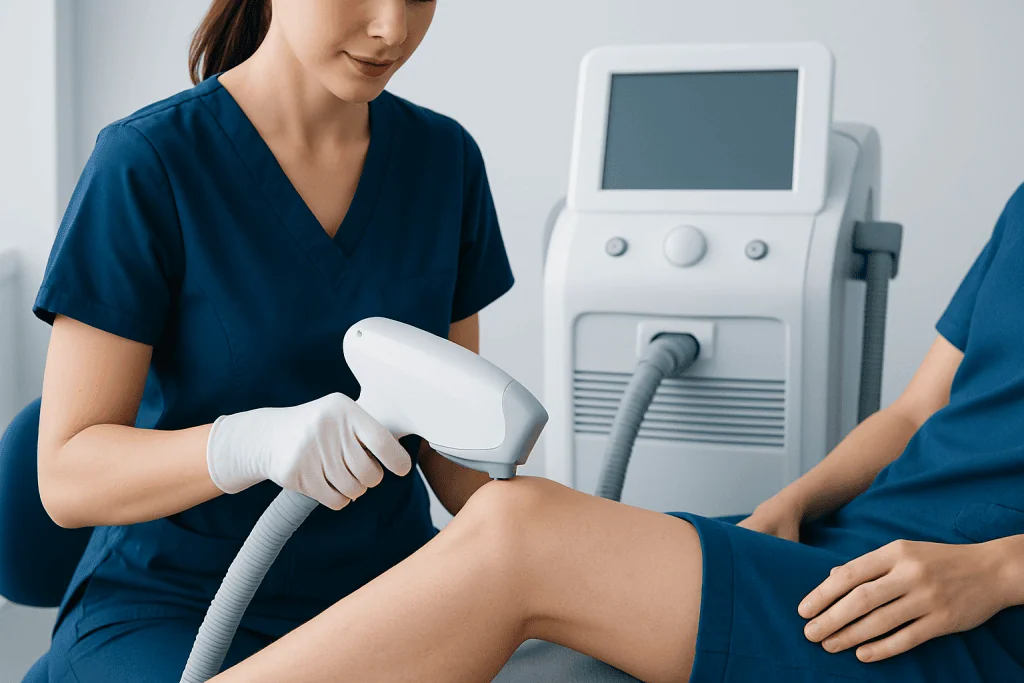
For longer-term reduction of unwanted hair, some people consider laser hair removal. This may be especially helpful when shaving repeatedly causes ingrown hairs. In some cases, a dermatologist may also discuss related dermatology care for skin inflammation or pigment changes, or investigate hormone-related causes if the hair pattern suggests an internal condition rather than a local skin problem.
Prevention and self-care
Preventing undergrowth hair usually means reducing irritation and changing how hair is removed. Leaving a little hair length, shaving less often, or switching to an electric trimmer can help. If shaving is preferred, use a clean single- or double-blade razor rather than repeatedly passing multiple blades over the same area.
Before hair removal, washing with warm water can soften the skin and hair. Afterward, loose clothing and non-irritating moisturizers may reduce friction. Heavy perfumes and harsh scrubs are often best avoided on recently shaved skin, especially in the groin, armpits, or bikini line.
People with repeated ingrown hairs should avoid picking at bumps. This can introduce bacteria and cause scarring or dark spots. If a person is troubled by frequent episodes despite careful technique, a clinician can help tailor a plan, which may include changing removal methods or considering more durable options such as laser treatment if appropriate.
When to seek medical care
Most cases are not serious, but medical review is important if there is increasing pain, warmth, swelling, pus, or redness that spreads beyond a small bump. Fever, recurrent boils, or symptoms that do not improve after basic self-care also deserve attention. These signs can suggest infection or another inflammatory skin condition rather than a simple ingrown hair.
A doctor should also be consulted if unwanted hair growth becomes suddenly more noticeable, especially when it appears with irregular periods, worsening acne, deepening voice, or scalp hair thinning. In those situations, the goal is to look for an underlying hormonal cause and treat it appropriately.
For international patients who need assessment, Acibadem International’s multidisciplinary specialists in JCI-accredited hospitals evaluate both skin-related and hormone-related causes of undergrowth hair and provide treatment when needed. The most suitable clinician may be a dermatologist, gynecologist, endocrinologist, or primary care doctor depending on the symptoms.
Frequently asked questions
Is undergrowth hair the same as an ingrown hair?
Often, yes. Many people use the term undergrowth hair to describe a hair that is growing back into the skin instead of outward. However, some people mean unwanted hair growth in general, so the cause should be clarified first.
Should an ingrown hair be pulled out with tweezers?
It is usually best not to dig into the skin or forcefully pluck an inflamed hair. If the tip is already visible at the surface, a clean tool may sometimes gently lift it free, but squeezing and picking can worsen inflammation and raise the risk of infection or scarring.
What is the safest way to remove hair in sensitive areas?
For many people, trimming is the gentlest option because it removes length without cutting extremely close to the skin. If shaving is preferred, warm water, shaving gel, a clean razor, and shaving in the direction of growth can help reduce irritation.
Can undergrowth hair be a sign of a hormone problem?
It can be, especially if the concern is increasing coarse or dark hair rather than isolated ingrown bumps. When excess hair growth appears with irregular periods, acne, or scalp hair thinning, a doctor may check for hormone-related conditions such as PCOS.
When does a bump need medical treatment?
Medical care is a good idea if the bump becomes very painful, fills with pus, keeps coming back, or the redness spreads. A clinician can check for infection, folliculitis, or a different skin condition and recommend the right treatment.
Does laser hair removal help prevent ingrown hairs?
It may help some people, particularly those who repeatedly develop ingrown hairs after shaving or waxing. Because it reduces hair growth over time, it can lower the chance of hairs curling back into the skin, although suitability depends on skin type, hair type, and medical history.
References
- American Academy of Dermatology
- Mayo Clinic
- National Health Service
- MedlinePlus
- World Health Organization
This article is for general information only and is not a substitute for professional medical advice. Please consult a qualified doctor about your individual situation.
Hair transplant in Turkey — costs, graft counts & a free assessment
JCI-accredited · board-certified surgeons · reply within 24h
Add us as a Preferred Source to see more of our trusted health content across Google Search, AI Overviews and Discover.