How to Start Running? A Doctor-Reviewed Answer

Most healthy adults can start running safely with a gradual walk-run plan. Good shoes, realistic pacing, and rest days help reduce injury risk.
Key Takeaways
- Most healthy adults can start running safely with a gradual walk-run plan.
- Good shoes, realistic pacing, and rest days help reduce injury risk.
- Mild muscle soreness is common at first, but chest pain, fainting, or severe breathlessness need medical assessment.
- Doctors evaluate symptoms, medical history, and activity goals before advising on safe exercise progression.
- Consistency matters more than speed, distance, or intensity in the early weeks.
How to start running is usually simpler than many people expect: begin with short walk-run intervals, increase gradually, and pay attention to how the body responds. Most early discomfort is manageable, but certain warning signs should prompt medical review before or during a new running routine.
Overview: How to Start Running Safely
For most people, how to start running has a reassuring answer: start small, go slowly, and build consistency before worrying about pace or distance. A beginner does not need to run continuously on day one. Short sessions that alternate walking and easy jogging are often the safest and most sustainable way to begin.
Early challenges such as mild breathlessness, leg fatigue, or muscle soreness are common as the body adapts to a new activity. These symptoms are often harmless when they improve with rest and happen at a manageable level. In contrast, symptoms such as chest pain, fainting, severe shortness of breath, or pain that sharply worsens with activity deserve medical attention before continuing.
A doctor-reviewed approach focuses not only on performance, but also on health, symptom awareness, and injury prevention. This means choosing a realistic starting point, checking for important risk factors, and knowing when a symptom is simply part of conditioning and when it may point to a problem that should be assessed.
A Simple Beginner Plan
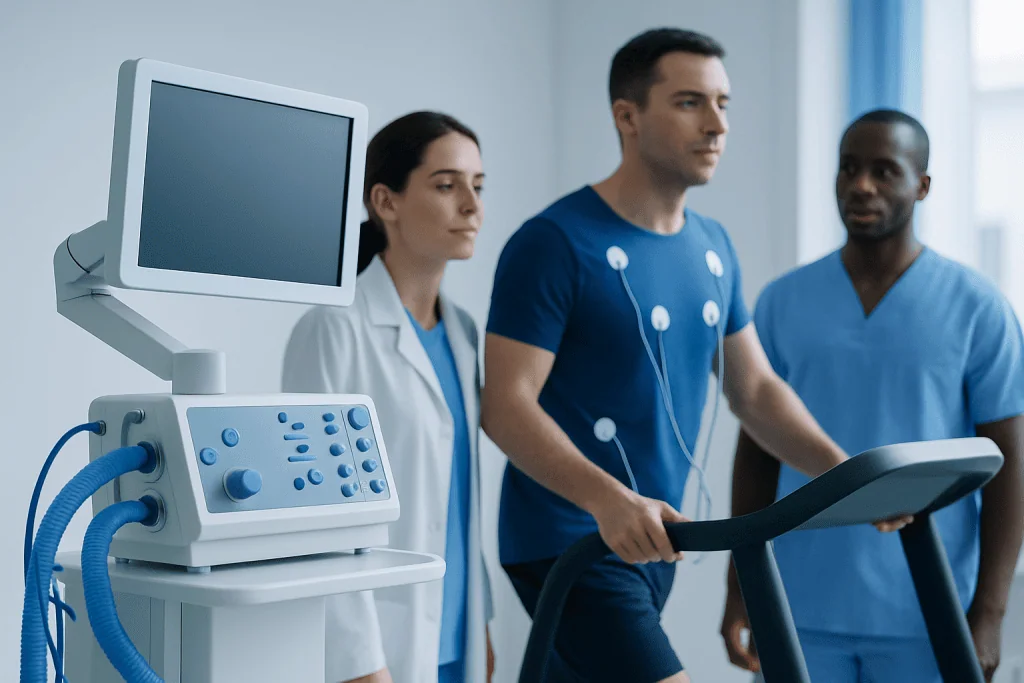
A practical way to start is with 20 to 30 minutes of total exercise, two to four times per week. Many beginners do well with a walk-run method, such as brisk walking for a few minutes followed by a short, easy jog, then repeating that cycle several times. The pace should feel conversational rather than exhausting.
Progress should be gradual. A person can first increase total time, then the running portions, and only later think about speed. If a session leaves someone unusually exhausted for more than a day or causes lingering pain, the plan is likely progressing too quickly.
A beginner routine may include:
- 5 minutes of brisk walking to warm up
- 1 to 2 minutes of easy jogging followed by 2 to 4 minutes of walking
- Repeating intervals for 20 to 30 minutes total
- 5 minutes of slower walking to cool down
- At least one rest or recovery day between harder sessions at the start
This steady approach gives the heart, lungs, muscles, tendons, and joints time to adapt. It also reduces the temptation to do too much too soon, which is a common reason beginners stop.
What a Beginner May Feel: Normal Adaptation vs Warning Signs

It is normal to notice some body changes in the first weeks of running. Mild muscle soreness, heavier breathing during effort, temporary leg tiredness, and a sense that running feels awkward at first are all common. These symptoms usually improve as fitness builds, especially when the person is sleeping well, hydrating, and allowing recovery time.
Some symptoms should not be ignored. A person should pause exercise and seek medical review if they develop chest pain, pressure, irregular heartbeat, fainting, severe dizziness, unusual wheezing, or shortness of breath that feels out of proportion to the effort. Significant swelling, sharp joint pain, or one-sided calf pain also deserves prompt assessment.
It is also worth discussing exercise plans with a clinician before starting if there is known heart disease, uncontrolled blood pressure, diabetes complications, severe obesity, chronic lung disease, or a long period of inactivity. In some people, symptoms during exercise may relate to conditions such as arrhythmia or exercise-triggered breathing problems, including asthma.
Why Running Feels Hard at First
Running can feel difficult in the beginning even in otherwise healthy people. The body is learning to coordinate movement efficiently while also improving cardiovascular fitness, muscular endurance, and impact tolerance. This adaptation takes time, and the first few weeks often feel harder than many beginners expect.
Common factors that make early running feel harder include starting too fast, running too long, wearing unsuitable shoes, training on steep or hard surfaces, poor sleep, inadequate fueling, and dehydration. Previous injuries, weak hip or core muscles, and limited ankle mobility can also contribute to discomfort or inefficient running form.
In some cases, pain or breathlessness reflects a medical issue rather than simple deconditioning. Doctors may consider problems such as anemia, uncontrolled asthma, biomechanical overuse injuries, or an underlying heart condition if symptoms are persistent or unusual. When needed, further evaluation can help distinguish ordinary adaptation from something that should be treated.
What Doctors Check Before Clearing Someone to Run
If a person has symptoms, risk factors, or concerns about starting exercise, a doctor usually begins with a detailed history. This includes current symptoms, past medical conditions, medications, previous injuries, family history of heart disease, and usual activity level. The doctor will also ask what kind of running the person wants to do, such as general fitness, weight management, or event training.
A physical examination may include blood pressure, heart and lung assessment, weight-bearing and joint evaluation, and a review of gait or movement patterns if pain is involved. Depending on the situation, a clinician may advise tests such as blood work, lung function tests, X-rays, or cardiac assessment. If chest discomfort, palpitations, or exercise intolerance are present, investigations may include an electrocardiogram or, in selected cases, echocardiography.
When joint, tendon, or muscle pain limits running, doctors may look for overuse injuries, arthritis, alignment problems, or soft tissue strain. A structured rehabilitation plan, shoe advice, and targeted strengthening can be as important as rest. The goal is usually not to stop activity completely, but to make it safer and more comfortable.
Treatment and Practical Support for a Safe Start
There is no single medical treatment for how to start running, but there are clear strategies that help people begin safely. These include choosing supportive running shoes, starting with realistic session lengths, warming up, cooling down, and adding strength work for the hips, core, and calves. Recovery is part of training, so rest days should be planned rather than seen as setbacks.
If pain develops, management depends on the cause. Mild delayed-onset muscle soreness often improves with lighter movement, hydration, sleep, and time. However, persistent pain in the knee, shin, foot, or Achilles tendon may need evaluation, activity modification, and sometimes physical therapy and rehabilitation to correct loading patterns and reduce recurrence.
People with chronic medical conditions can often still run, but they may need an individualized plan. For example, those with asthma may need symptom control before exercise, while those with heart disease may require clinician-guided activity recommendations. In more complex cases, multidisciplinary specialists at Acibadem International and its JCI-accredited hospitals support diagnosis and treatment for international patients.
Prevention and Self-Care Tips for New Runners
Prevention starts with pacing. A beginner is usually better served by regular, easy sessions than by occasional intense efforts. Trying to make every run faster or longer often increases the risk of overuse injuries and discouragement. The body tends to adapt well when changes are gradual and consistent.
Supportive habits can make early running safer and more comfortable:
- Wear well-fitting running shoes suited to the foot and activity level
- Warm up with brisk walking and simple dynamic movements
- Keep effort easy enough to speak in short sentences
- Increase time or distance gradually, not all at once
- Include rest days and consider cross-training such as cycling or swimming
- Stay hydrated and eat regularly, especially before longer sessions
- Stop if pain changes normal movement or worsens during the run
Surface choice also matters. Flat, even routes are often easier for beginners than steep hills or uneven ground. Strength training two or three times a week can help protect joints and improve running efficiency, especially for the knees, hips, and ankles.
When to Seek Medical Care
Most people can begin running without difficulty, but medical advice is important when symptoms suggest more than normal adjustment. A person should seek prompt care for chest pain, fainting, severe breathlessness, blue lips, sudden weakness, or a rapid or irregular heartbeat that does not settle. One-sided calf swelling or pain, severe joint swelling, or inability to bear weight also needs urgent assessment.
Non-urgent medical review is sensible if there is recurring knee, shin, foot, or hip pain; exercise-induced wheezing; unusual fatigue; dizziness; or symptoms that continue despite reducing intensity. It is also wise to discuss running plans with a doctor before starting if there has been a long period of inactivity or if the person has heart disease, lung disease, diabetes, or significant obesity.
Seeking care does not always mean there is a serious problem. In many cases, evaluation simply helps identify manageable issues such as poor training progression, inadequate footwear, biomechanics, or a treatable medical condition. Once these are addressed, many people can return to activity with more confidence and less discomfort.
Frequently asked questions
How often should a beginner run?
Many beginners do well with running or walk-run sessions two to four times per week. Rest or recovery days between sessions help the body adapt and may reduce injury risk.
Is it normal to feel sore after starting running?
Yes, mild muscle soreness is common, especially in the first days or weeks. It should gradually improve and should not cause sharp pain, major swelling, or difficulty walking.
Should a person lose weight before starting to run?
Not necessarily. Many people can safely begin with walking, walk-run intervals, or other low-impact exercise while working on overall fitness and weight goals. A doctor may advise a modified plan if joint pain, heart disease, or other health issues are present.
What type of shoes are best for new runners?
Shoes should fit well, feel comfortable, and provide support appropriate for the person's foot shape and training surface. There is no single perfect shoe for everyone, so comfort and function are more important than trends.
When should someone stop running and call a doctor?
Running should be stopped if there is chest pain, fainting, severe shortness of breath, marked dizziness, or sudden severe pain. Medical advice is also important for persistent joint pain, swelling, or symptoms that keep returning with exercise.
Can people with asthma or heart conditions still run?
Some can, but they should first discuss exercise with their doctor. With proper evaluation and a tailored plan, many people with chronic conditions can participate in physical activity more safely.
References
- American College of Sports Medicine
- Centers for Disease Control and Prevention
- National Heart, Lung, and Blood Institute
- National Institute of Arthritis and Musculoskeletal and Skin Diseases
- American Heart Association
This article is for general information only and is not a substitute for professional medical advice. Please consult a qualified doctor about your individual situation.
Explore treatments in Turkey — costs, top hospitals & a free quote
JCI-accredited · board-certified surgeons · reply within 24h
Add us as a Preferred Source to see more of our trusted health content across Google Search, AI Overviews and Discover.
Check your numbers in seconds
BMI, calories, due date, blood pressure and 30+ more clinical calculators — free, instant, doctor-reviewed ranges.

More from the Health Library



Related Specialists

Asst. Prof. Dr. Gökhan Arslanhan
Cardiovascular Surgery
Prof. Dr. Ferdane Pirinççi Sapmaz
Gastroenterology
Dr. İhsan Güney
Anesthesiology
Assoc. Prof. Dr. Emine Şatır
Gastroenterology