How to Track Sleep? A Doctor-Reviewed Answer

The best first step in how to track sleep is a 1- to 2-week sleep diary combined with notes about symptoms, caffeine, alcohol, stress, and medications. Consumer wearables can show useful trends, but they are not as accurate as medical sleep testing for diagnosing a sleep disorder.
Key Takeaways
- The best first step in how to track sleep is a 1- to 2-week sleep diary combined with notes about symptoms, caffeine, alcohol, stress, and medications.
- Consumer wearables can show useful trends, but they are not as accurate as medical sleep testing for diagnosing a sleep disorder.
- Sleep tracking should focus on how a person feels during the day as well as nighttime patterns such as snoring, frequent waking, and irregular sleep times.
- Red flags include loud snoring, breathing pauses, waking up choking, ongoing insomnia, excessive daytime sleepiness, and morning headaches.
- Doctors may use questionnaires, physical examination, actigraphy, or a formal sleep study when symptoms suggest a sleep disorder.
How to track sleep usually begins with simple, low-cost tools such as a sleep diary, a regular wake time, and watching for daytime symptoms. For many people, occasional poor sleep is harmless, but loud snoring, witnessed breathing pauses, or persistent daytime sleepiness deserve medical review.
Overview: what sleep tracking really means
For most people, learning how to track sleep does not need to be complicated. It usually starts with noticing patterns: when a person goes to bed, how long it takes to fall asleep, how often they wake up, when they get up, and how they feel the next day. This simple approach is often enough to show whether sleep trouble is occasional and harmless or whether it may need closer attention.
Sleep tracking works best when it answers practical questions rather than chasing a perfect score. A person may want to know why they feel tired despite spending enough time in bed, whether snoring is becoming a concern, or whether shift work, stress, caffeine, alcohol, or medications are affecting rest. Looking at the full picture is more useful than focusing on one device number.
It also helps to know the limits of home tracking. Watches, rings, and phone apps can estimate sleep duration and timing, and they may be helpful for trends over time. However, they cannot diagnose every cause of poor sleep. If symptoms suggest a medical issue, a doctor may recommend further evaluation for problems such as sleep apnea or chronic insomnia.
What to monitor at home
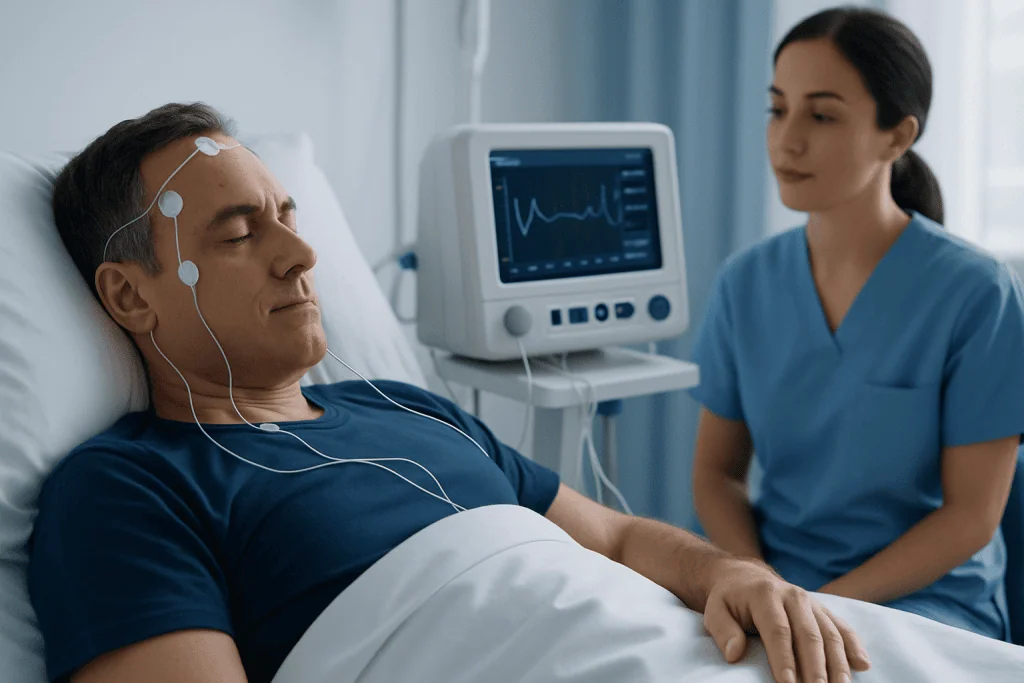
The most useful home method is a sleep diary kept for at least 1 to 2 weeks. Each day, the person records bedtime, estimated time to fall asleep, number and length of awakenings, wake-up time, naps, exercise, caffeine, alcohol, nicotine, and medicines that might affect sleep. It is also important to rate daytime energy, concentration, and mood, because daytime function is a key part of sleep health.
A bed partner or family member can add helpful observations. They may notice loud snoring, grinding teeth, restless movements, breathing pauses, or episodes of confusion or unusual behaviors during the night. These details can help distinguish simple sleep disruption from a sleep disorder that needs medical evaluation.
- Bedtime and wake time on workdays and free days
- Time needed to fall asleep
- Night awakenings and early morning waking
- Naps and total sleep opportunity
- Snoring, gasping, choking, or leg discomfort
- Morning headache, dry mouth, or non-refreshing sleep
- Daytime sleepiness, fatigue, or trouble focusing
If a person uses a wearable device, it is best to treat it as a trend tool. It may help show whether sleep timing is becoming more regular or whether total sleep time is improving. Still, estimates of light sleep, deep sleep, or REM sleep should be interpreted cautiously, because consumer devices can misclassify wakefulness and sleep stages.
How to use wearables and apps wisely

Sleep trackers can be helpful when used with realistic expectations. Most consumer devices estimate sleep by combining movement data and, in some cases, heart rate signals. They are often better at estimating when someone is in bed than at identifying specific sleep stages. Because of this, a person should look for broad patterns over days and weeks rather than assuming every nightly reading is exact.
A practical approach is to compare device data with a written diary. If a wearable suggests 7 hours of sleep but the person still feels unrefreshed, snores loudly, or struggles to stay awake during the day, symptoms matter more than the device score. Good sleep is not only about duration; it is also about continuity, timing, breathing, and daytime restoration.
Some people become overly focused on tracking and start worrying about numbers in a way that makes sleep worse. If checking sleep data increases anxiety, it may help to review the data less often, turn off unnecessary notifications, or pause device use for a short time. Sleep tracking should support healthy habits, not create pressure to achieve a perfect reading every night.
Signs that poor sleep may point to a medical problem
Occasional restless nights are common and are often linked to stress, travel, illness, schedule changes, or lifestyle habits. In many cases, these episodes improve once routines settle. However, certain patterns suggest that poor sleep may not be just a temporary inconvenience and should be assessed more carefully.
Red flags include loud habitual snoring, witnessed pauses in breathing, waking up gasping or choking, marked daytime sleepiness, falling asleep unintentionally, morning headaches, and difficulty concentrating despite enough time in bed. Trouble falling asleep or staying asleep several nights a week for weeks at a time can also signal a sleep disorder or an underlying health issue.
Other causes doctors may consider include restless legs symptoms, circadian rhythm disruption, depression, anxiety, chronic pain, reflux, medication effects, and some neurological or respiratory conditions. Sleep may also be disrupted by movement disorders, enlarged tonsils, nasal blockage, or weight-related upper airway narrowing. When symptoms fit, a doctor may evaluate for insomnia or other sleep-related conditions rather than relying on home tracking alone.
How doctors evaluate sleep concerns
When a person seeks medical advice about sleep, the first step is usually a careful history. The doctor asks about the main complaint, bedtime habits, work schedule, snoring, breathing pauses, leg sensations, dream enactment, mental health, medications, alcohol use, and daytime functioning. A sleep diary and wearable trends can be very useful here, because they show patterns that are easy to forget during an appointment.
A physical examination may look for factors that affect breathing or sleep quality, such as body habitus, nasal obstruction, throat anatomy, blood pressure, and signs of other medical conditions. Depending on the symptoms, the doctor may use validated questionnaires to estimate daytime sleepiness or sleep apnea risk.
If more testing is needed, the doctor may recommend actigraphy or a formal sleep study. Some people benefit from overnight testing for breathing-related sleep problems, such as a sleep study or, when appropriate, home sleep apnea testing. In selected cases, blood tests or referral to specialists may help identify causes such as thyroid disorders, iron deficiency, or other medical contributors to poor sleep.
Improving tracking and sleep habits at the same time
The most effective sleep tracking usually happens alongside basic sleep-supporting habits. Keeping a regular wake time, getting morning light exposure, limiting late caffeine, and creating a calm wind-down routine can make patterns easier to interpret. If bedtime changes dramatically from one day to the next, the tracking data often becomes harder to use.
It can also help to note what happens before a poor night. Common triggers include evening alcohol, heavy meals close to bedtime, long naps, late intense exercise, screen use in bed, pain flares, and stressful events. These notes often reveal a pattern long before a device does.
- Use the bed mainly for sleep and intimacy
- Keep the bedroom dark, quiet, and comfortably cool
- Avoid large amounts of caffeine late in the day
- Limit alcohol close to bedtime, as it can fragment sleep
- Get regular physical activity, ideally earlier in the day
- Keep naps short and early if needed
If a person has persistent insomnia symptoms, behavioral treatment may be recommended. Doctors may discuss sleep hygiene first, but structured approaches such as cognitive behavioral therapy are often more effective for ongoing insomnia than simply trying to sleep harder. The goal is to improve both sleep quality and confidence around sleep.
When to seek medical care
Medical review is a good idea if sleep problems last for several weeks, interfere with work or daily life, or are accompanied by significant daytime sleepiness. Evaluation is especially important if a person snores loudly, stops breathing during sleep, wakes up choking, has morning headaches, or feels sleepy while driving. These symptoms can suggest a condition that deserves timely diagnosis and treatment.
Care is also appropriate for unusual nighttime behaviors such as acting out dreams, sleepwalking, repeated limb movements, or severe leg discomfort at night. Children, older adults, pregnant people, and those with heart, lung, neurological, or mental health conditions may need earlier assessment because sleep symptoms can affect overall health and safety.
Doctors may recommend treatments based on the cause. For example, breathing-related sleep disorders may be managed with lifestyle measures, positional strategies, oral devices, or CPAP therapy when indicated. Near the end of the care pathway, some international patients choose centers such as Acibadem International, where multidisciplinary specialists in JCI-accredited hospitals evaluate and treat sleep-related conditions in a coordinated way.
Frequently asked questions
What is the best way to start tracking sleep?
The best starting point is usually a simple sleep diary kept for 1 to 2 weeks. It should include bedtime, wake time, night awakenings, naps, and daytime symptoms such as sleepiness or poor concentration. This often provides more useful context than a single device score.
Are sleep trackers accurate?
Consumer sleep trackers can be useful for spotting trends in sleep timing and estimated duration. However, they are not fully accurate for measuring sleep stages or diagnosing a sleep disorder. If symptoms are concerning, medical assessment is more reliable than wearable data alone.
How long should someone track sleep before seeing a doctor?
A 1- to 2-week record is often enough to identify common patterns and triggers. A person should seek medical advice sooner if there is loud snoring, breathing pauses, severe daytime sleepiness, or sleepiness while driving. Persistent insomnia or fatigue also deserves review even if tracking has only just begun.
What symptoms matter more than the number of hours slept?
Daytime sleepiness, poor concentration, morning headaches, waking up unrefreshed, and witnessed breathing pauses can be more important than total sleep time. Someone may spend many hours in bed but still have poor-quality sleep. Symptoms help doctors judge whether a sleep disorder may be present.
Can a phone app diagnose sleep apnea or insomnia?
No phone app can confirm a diagnosis on its own. Apps may help track snoring, sleep timing, or habits, but diagnosing sleep apnea or insomnia usually requires a clinical assessment and sometimes formal sleep testing. A doctor interprets symptoms, risk factors, and test results together.
Should someone stop using a sleep tracker if it causes stress?
If tracking increases worry or leads to repeated checking during the night, it may be helpful to reduce how often the data is reviewed or to pause the device for a while. Sleep tracking should support healthy habits, not become a source of pressure. A doctor or sleep specialist can suggest a more balanced approach if sleep anxiety develops.
References
- American Academy of Sleep Medicine
- National Heart, Lung, and Blood Institute
- Centers for Disease Control and Prevention
- National Institute of Neurological Disorders and Stroke
- World Health Organization
This article is for general information only and is not a substitute for professional medical advice. Please consult a qualified doctor about your individual situation.
Explore treatments in Turkey — costs, top hospitals & a free quote
JCI-accredited · board-certified surgeons · reply within 24h
Add us as a Preferred Source to see more of our trusted health content across Google Search, AI Overviews and Discover.
Check your numbers in seconds
BMI, calories, due date, blood pressure and 30+ more clinical calculators — free, instant, doctor-reviewed ranges.