HPV Remedies — Explained by Medical Evidence, Not Myths

Most HPV infections clear naturally through the immune system without causing symptoms or long-term health problems. No supplement, herbal product, cleansing practice, or topical home remedy has been proven to cure HPV.
Key Takeaways
- Most HPV infections clear naturally through the immune system without causing symptoms or long-term health problems.
- No supplement, herbal product, cleansing practice, or topical home remedy has been proven to cure HPV.
- Vaccination can prevent infection from several HPV types and remains useful for many people who may have had prior exposure.
- Genital warts and HPV-related cell changes can be treated, but treatment does not necessarily eliminate the virus immediately.
- Regular cervical screening helps find abnormal cells early, before they develop into cancer.
There is currently no medicine or home remedy that reliably removes human papillomavirus (HPV) from the body. Evidence-based HPV care focuses on preventing infection, supporting routine screening, and treating health problems caused by HPV, such as genital warts or abnormal cells.
HPV Remedies: What Actually Works?
HPV remedies are often described online as ways to “clear” or “kill” the virus. In medical practice, there is no approved antiviral treatment that can reliably eliminate HPV itself from the body. Most infections are controlled and cleared naturally by the immune system over time, often without a person ever knowing they had HPV.
Evidence-based care depends on what HPV has caused, if anything. A clinician may recommend treatment for visible genital warts, monitoring or treatment for abnormal cervical cells, or specialist assessment for less common HPV-related changes in other areas of the body. These approaches treat the health effects of HPV and reduce the risk of complications; they should not be understood as a guaranteed cure for every HPV infection.
It is understandable to look for a quick remedy after an HPV test result. However, products marketed as HPV cures, including unregulated supplements, vaginal cleansing products, essential oils, or wart-removal acids intended for hands and feet, can be ineffective or harmful. A qualified clinician can help place a positive result in context and identify whether any follow-up is needed.
Understanding HPV and Its Usual Course
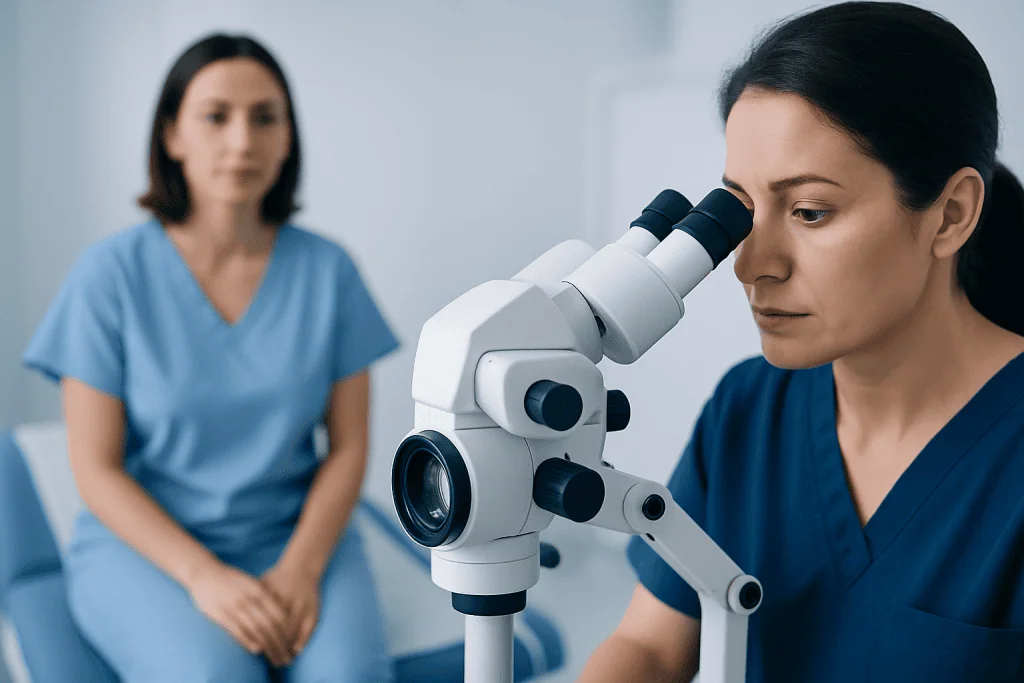
Human papillomavirus is a very common group of viruses, with many different types. HPV is usually spread through intimate skin-to-skin sexual contact, including vaginal, anal, or oral sex. It can be transmitted even when there are no visible warts or other symptoms, and a positive test does not show when the infection was acquired or from whom.
Many HPV types do not cause noticeable problems. Some types can cause genital warts, while others are called high-risk types because persistent infection may lead to abnormal cell changes. Over many years, untreated persistent changes can sometimes contribute to cancers of the cervix, anus, penis, vulva, vagina, or throat. This does not mean that everyone with a high-risk HPV result will develop cancer; most infections do not progress that way.
Age, immune health, smoking, and the specific HPV type can influence how long an infection lasts. People with weakened immune systems, including those taking immune-suppressing medicines or living with certain health conditions, may be more likely to have persistent HPV and may need individualized follow-up. HPV is common and does not reflect hygiene, character, or relationship status.
Symptoms and Problems HPV Can Cause

HPV usually causes no symptoms. This is one reason preventive vaccination and recommended screening are important: a person may not know an infection is present. Cervical HPV testing and cervical screening can detect high-risk HPV or early cell changes before symptoms develop.
Low-risk HPV types may cause genital warts. These may appear as small bumps, flat lesions, or clusters with a cauliflower-like surface around the genital or anal area. Warts may itch, cause discomfort, or bleed if irritated, but they are usually caused by HPV types that are not associated with most HPV-related cancers.
Abnormal cervical cells generally do not cause pain, discharge, or other early warning signs. Symptoms such as bleeding after sex, bleeding between periods, unexplained pelvic pain, or unusual discharge have many possible causes and should be assessed by a clinician. They are not specific signs of HPV or cancer, but timely assessment is important.
- Visible new growths, bumps, or sores in the genital or anal area should be examined rather than self-treated.
- Persistent sore throat, difficulty swallowing, a neck lump, or unexplained voice changes should be discussed with a doctor, particularly if they do not improve.
- Anyone with an abnormal HPV or cervical screening result should follow the recommended follow-up plan, even when feeling well.
Evidence-Based Treatment for HPV-Related Conditions
When genital warts are present, a clinician may offer prescription creams or solutions that are applied at home, or treatments performed in a clinic. Depending on the location, size, number, and appearance of warts, options may include freezing treatment, carefully applied chemical treatment, electrosurgery, laser treatment, or minor surgical removal. The best approach varies from person to person.
Wart treatment can remove visible lesions and improve comfort, but warts can return because HPV may remain in nearby skin for a time. It is also possible for warts to resolve without treatment. A clinician can explain the advantages, limitations, expected skin reactions, and aftercare for each option. Over-the-counter wart products made for common hand or foot warts should not be used on genital skin unless specifically advised by a healthcare professional.
High-risk HPV detected through screening is managed differently. The next step may be repeat testing after a defined interval, a closer examination of the cervix called colposcopy, or treatment of significant precancerous cell changes. Procedures to remove or destroy abnormal cervical tissue can substantially reduce the risk that these changes will progress. Follow-up after treatment remains important because HPV-related changes can recur.
There is no evidence that antibiotics treat HPV, unless a separate bacterial infection is also diagnosed. Likewise, antiviral medicines used for conditions such as herpes do not treat HPV. Care should be based on the specific diagnosis rather than on a positive HPV result alone.
Supplements, Natural Products, and Popular HPV Myths
People may encounter claims that vitamins, mushrooms, green tea extracts, herbal preparations, vaginal probiotics, detoxes, or special diets can eradicate HPV. Some nutrients are important for overall health, but current evidence does not support using supplements or natural products as a replacement for vaccination, screening, follow-up testing, or clinician-directed treatment.
A balanced diet, regular physical activity, adequate sleep, and avoiding tobacco support general health and immune function. These habits are worthwhile, but they cannot promise faster HPV clearance. Taking high-dose supplements can cause side effects, interact with medicines, or delay appropriate medical care. It is sensible to discuss any supplement with a clinician or pharmacist, especially during pregnancy, breastfeeding, or treatment for another condition.
Vaginal steaming, douching, internal cleansing products, and applying acidic or irritating substances to genital tissue are not HPV remedies. They can disrupt normal tissue, cause burns or infections, and make symptoms harder to evaluate. Similarly, trying to cut, tie off, or freeze genital growths at home can lead to bleeding, scarring, or missed diagnosis.
Another common myth is that HPV always means recent infidelity. HPV can remain undetectable for years, and testing cannot determine when exposure happened. Open, nonjudgmental communication with partners and a healthcare professional can be more helpful than trying to identify the timing of an infection.
Prevention, Vaccination, and Everyday Self-Care
HPV vaccination is the most effective available method for preventing infection with several HPV types that can cause cancers and genital warts. It works best before exposure to HPV, which is why it is routinely offered in adolescence in many countries. However, some adults may also benefit, depending on their age, vaccination history, health status, and likelihood of future exposure. A clinician can advise whether vaccination is appropriate.
Vaccination does not treat an existing HPV infection or visible warts. Even so, a prior positive HPV test does not automatically mean vaccination has no value, because the vaccine may protect against HPV types a person has not encountered. People should follow local immunization schedules and medical advice regarding the number and timing of doses.
Condoms and dental dams can lower the chance of HPV transmission and also protect against many other sexually transmitted infections. They do not provide complete protection because HPV can affect skin not covered by a barrier. Limiting tobacco use or stopping smoking is also important, as smoking is associated with a greater chance that certain HPV infections and cervical abnormalities will persist.
For people with a cervix, attending routine cervical screening is a central part of prevention. The right test and interval depend on age, country guidelines, prior results, immune status, and whether the cervix has been removed. Screening should continue as recommended even after HPV vaccination.
When to Seek Medical Care
Medical care should be sought for new genital or anal bumps, persistent itching, bleeding, pain, or skin changes that do not settle. A doctor or sexual health clinician can determine whether lesions are genital warts or another condition that needs different treatment. Early assessment is especially useful before using any topical product.
Anyone who receives an abnormal cervical screening or HPV test result should arrange the advised follow-up. These results are common and usually do not mean cancer is present, but follow-up testing or colposcopy can identify which changes require observation and which may need treatment. It is important not to skip appointments simply because there are no symptoms.
Prompt medical assessment is also appropriate for bleeding after sex, unexplained vaginal bleeding, a persistent pelvic symptom, a persistent throat problem, a neck lump, or unexplained changes around the anus or genitals. These symptoms often have causes unrelated to HPV, but a clinician can investigate them safely and appropriately.
Acibadem International’s multidisciplinary specialists and JCI-accredited hospitals can assess HPV-related concerns, provide screening follow-up, and coordinate treatment for international patients when needed. Individual care should always be based on a medical examination, relevant test results, and local screening guidance.
Frequently asked questions
Can HPV be cured with medicine?
There is no approved medicine that reliably cures or removes HPV from the body. In many cases, the immune system clears the infection naturally. Medical treatment is available for problems HPV may cause, such as genital warts or precancerous cell changes.
Do HPV remedies from supplements or herbs work?
No supplement, herb, detox, or natural topical product has been proven to cure HPV. Healthy lifestyle habits can support general wellbeing, but they should not replace screening or clinician-recommended follow-up. A doctor or pharmacist can review any supplement for safety and possible interactions.
Can genital warts go away without treatment?
Genital warts can sometimes disappear without treatment, remain unchanged, or increase in size or number. Treatment can remove visible warts and relieve symptoms, but recurrence is possible. A clinician should examine suspected genital warts before any treatment is used.
Does a positive HPV test mean cancer?
No. A positive high-risk HPV test means a type of HPV linked with cervical cell changes was detected, not that cancer is present. Most HPV infections clear, and screening follow-up is designed to find and manage significant changes early.
Should someone get the HPV vaccine after testing positive?
A positive HPV test does not necessarily mean vaccination will have no benefit. The vaccine does not treat the current infection, but it may protect against other HPV types included in the vaccine. Eligibility and expected benefit depend on age, prior vaccination, and individual circumstances.
Can condoms prevent HPV?
Condoms and dental dams reduce the risk of HPV transmission but do not eliminate it completely. HPV can spread through skin-to-skin contact in areas not covered by a barrier. Using barriers consistently remains an important part of safer sex, alongside vaccination and recommended screening.
References
- World Health Organization
- Centers for Disease Control and Prevention
- American Cancer Society
- American College of Obstetricians and Gynecologists
- International Agency for Research on Cancer
This article is for general information only and is not a substitute for professional medical advice. Please consult a qualified doctor about your individual situation.
Explore treatments in Turkey — costs, top hospitals & a free quote
JCI-accredited · board-certified surgeons · reply within 24h
Add us as a Preferred Source to see more of our trusted health content across Google Search, AI Overviews and Discover.

More from the Health Library



Related Specialists

Dr. Duygu Emine Güdük
Anesthesiology
Dr. Alp Er Tunga Bölükbaşı
Orthopedic Surgery & Traumatology
Dt. Ali Osman Maviş
Oral & Dental Health
Dt. Hayrunnisa Batur
Oral & Dental Health