Hsv Eye Treatment: How It Works, Results and What to Expect

HSV eye infection most often affects the cornea and is commonly called HSV keratitis or herpes simplex keratitis. Antiviral eye drops, ointments or tablets are the main treatments; the choice depends on the part of the eye involved.
Key Takeaways
- HSV eye infection most often affects the cornea and is commonly called HSV keratitis or herpes simplex keratitis.
- Antiviral eye drops, ointments or tablets are the main treatments; the choice depends on the part of the eye involved.
- Steroid eye drops may be helpful in selected forms of HSV keratitis, but only under close ophthalmology supervision and alongside antiviral treatment.
- Symptoms such as eye pain, light sensitivity, redness, blurred vision or a new eye rash need urgent professional assessment.
- HSV can remain inactive in the body and recur, but preventive antiviral treatment may be considered for frequent or severe episodes.
HSV eye treatment usually involves antiviral medicine prescribed by an eye specialist to control herpes simplex virus infection and protect the cornea. Prompt assessment is important because untreated or recurrent infection can affect vision, while appropriate care often leads to good recovery.
Overview: How HSV Eye Treatment Works
HSV eye treatment is designed to stop or slow herpes simplex virus activity, reduce inflammation when appropriate, support corneal healing and protect vision. The infection is usually caused by herpes simplex virus type 1, the virus commonly associated with cold sores, although either type of herpes simplex virus can affect the eye.
When HSV affects the clear front surface of the eye, it is called herpes simplex keratitis or HSV keratitis. Treatment is not a single procedure: it is a tailored plan led by an ophthalmologist, often using antiviral medication and follow-up eye examinations. The most suitable approach depends on whether the virus is affecting the corneal surface, deeper corneal layers, the inside of the eye or surrounding eyelid skin.
Early care matters. Antiviral treatment can shorten active infection and lower the chance of complications, while regular review allows the specialist to check that the cornea is healing safely. A person should not use leftover drops or start steroid eye drops for a suspected HSV eye infection without an eye specialist’s advice.
How Common Is HSV in the Eye?
HSV infection of the eye is less common than oral herpes, but it is a leading infectious cause of corneal disease in many parts of the world. It can occur in adults and children, including people who have never noticed a cold sore or other obvious herpes symptoms.
The virus can remain inactive in nerve tissue after an earlier infection and later reactivate. Recurrences may happen months or years apart. They can be associated with illness, fever, stress, sun exposure, eye injury, immune suppression or certain medicines, although a clear trigger is not always identified.
Most people with a red or uncomfortable eye do not have HSV keratitis. Allergies, dry eye, conjunctivitis and contact lens-related irritation are more common explanations. However, only an eye examination can reliably distinguish these conditions, particularly when pain, light sensitivity or blurred vision is present.
Symptoms, Candidacy and the HSV Eye Exam

Symptoms can include a red eye, pain or a gritty sensation, tearing, sensitivity to light, swollen eyelids, blurred vision and a feeling that something is in the eye. Some people develop small blisters or a rash around the eyelid. Symptoms may affect one eye, though more extensive eye involvement is possible.
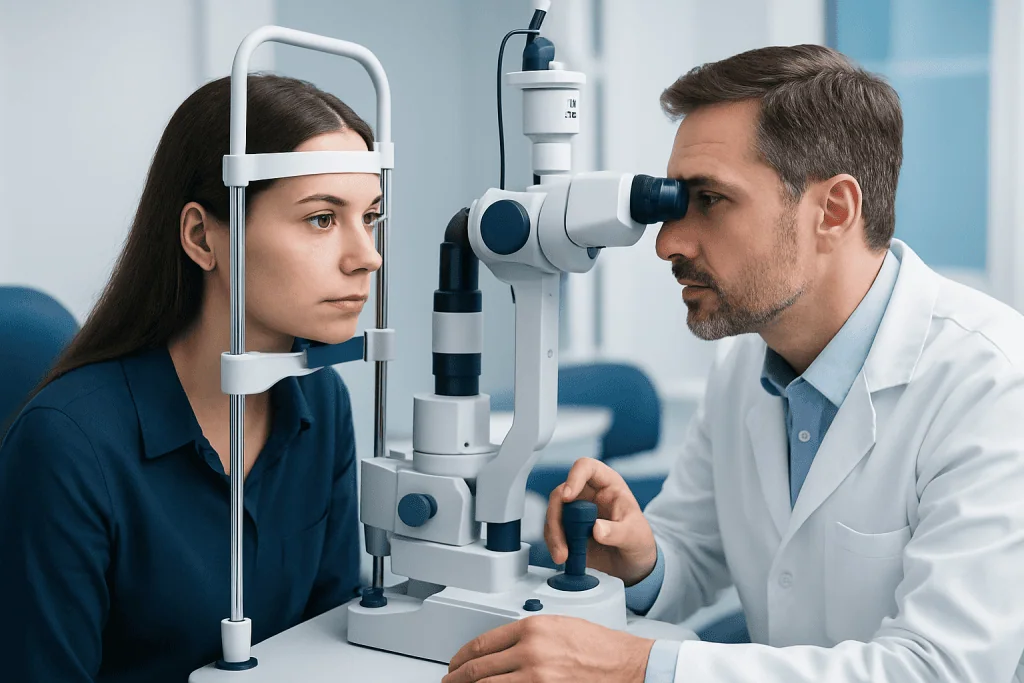
An HSV eye exam generally includes checking vision, examining the eyelids and eye surface, and using a slit-lamp microscope to view the cornea in detail. The ophthalmologist may place a harmless fluorescent dye in the eye. Characteristic branching corneal changes can help identify an active surface infection. In uncertain or severe cases, laboratory testing of an eye sample may occasionally be considered.
People may be candidates for antiviral treatment when examination findings suggest active HSV infection. A specialist also considers contact lens use, pregnancy, kidney disease, immune system conditions, current medicines and previous episodes. These details help determine the safest medication form and follow-up schedule.
- Contact lens wear should usually stop during an active painful or red-eye episode until an eye specialist says it is safe to restart.
- Eye makeup should be avoided during infection and replaced after recovery if contamination is a concern.
- Hands should be washed carefully before and after touching the eye area or using prescribed drops.
HSV Eye Treatment: Step by Step
For an infection limited to the corneal surface, an ophthalmologist may prescribe an antiviral eye medicine, oral antiviral tablets, or both. These medicines limit viral replication and allow the corneal surface to heal. The specific medicine, treatment duration and review timing depend on the examination findings and the person’s health history.
If the infection affects deeper corneal tissue or causes immune-related inflammation, treatment can be more complex. An ophthalmologist may prescribe anti-inflammatory steroid drops to control damaging inflammation, but these are used carefully and generally with antiviral coverage. Steroids can worsen an active epithelial HSV infection if used inappropriately, which is why specialist monitoring is essential.
During treatment, the clinician checks vision, the appearance of the cornea and eye pressure. Lubricating drops may help comfort in some cases, while pain relief can be advised when needed. Severe disease, extensive corneal damage or infection inside the eye may require more intensive treatment and closer follow-up.
For people with repeated episodes, long-term preventive oral antiviral medication may be discussed. This decision is individualized and considers recurrence frequency, corneal scarring, immune status and the potential benefits and side effects of ongoing medicine. A corneal specialist can also assess whether treatment is needed for complications such as scarring or reduced corneal sensation.
Can HSV in the Eye Be Cured?
Active HSV infection in the eye can usually be controlled and treated successfully, but current medicines do not remove herpes simplex virus permanently from the body. After the first infection, the virus may remain dormant in nearby nerve tissue and can reactivate later. For this reason, an absolute HSV eye cure is not currently available.
Even so, many people recover from individual episodes without lasting vision problems, especially when they receive prompt ophthalmology care. Preventive antiviral treatment may reduce recurrences in people at higher risk. Continuing scheduled reviews is important because recurring inflammation can sometimes occur with mild symptoms.
It is important not to confuse symptom improvement with a reason to stop medicine early. Treatment should be completed or adjusted only as directed by the prescribing clinician. A follow-up examination confirms whether the cornea has healed and whether vision has returned to its usual level.
What Is the Prognosis for HSV Keratitis?
The prognosis for HSV keratitis is often favorable when the infection is identified early and managed appropriately. Surface infections commonly heal with antiviral treatment. However, repeated episodes or deeper inflammation can lead to corneal scarring, thinning, changes in corneal sensation, raised eye pressure or reduced vision.
Outcome depends on the location and severity of infection, how quickly treatment begins, whether episodes recur, and whether there are other eye or immune system conditions. People with a history of HSV keratitis benefit from telling every eye-care professional about it, particularly before using steroid drops or having an eye procedure.
In uncommon severe cases, scarring can significantly impair vision and may require specialist treatments, including procedures to restore corneal clarity. The aim of ongoing care is to prevent this level of damage whenever possible by recognizing recurrence early and following the treatment plan closely.
Can You Get Rid of Corneal HSV?
It is possible to clear an active corneal HSV episode, meaning the visible infection and related inflammation can resolve with appropriate treatment. However, corneal HSV can recur because herpes simplex virus may remain inactive in the body after the eye appears fully healed. The goal is therefore both to treat the current episode and reduce future risk.
People can help protect their eyes by avoiding eye rubbing, washing hands regularly, not sharing towels or eye cosmetics, and following advice about contact lenses. Sun protection may be useful for some people who notice that strong sunlight seems to trigger episodes. General measures such as sleep, nutrition and stress management support overall health, but they do not replace antiviral care.
Online resources, including searches for “HSV treatment EyeWiki,” can provide background information, but they cannot assess the cornea or replace individual medical advice. The correct treatment differs between surface disease and deeper inflammatory disease, so a clinician should guide all antiviral and steroid use.
When to Seek Medical Care
Urgent same-day eye assessment is appropriate for a painful red eye, new light sensitivity, blurred or reduced vision, a feeling of something stuck in the eye, or blisters around the eyelid with eye symptoms. These signs do not always mean HSV, but they can indicate conditions that need prompt treatment to protect sight.
People with previous HSV keratitis should contact an ophthalmologist promptly if similar symptoms return, even if they seem mild. They should also seek advice before using any steroid eye drops. Contact lens wearers with pain, redness or reduced vision should remove lenses and obtain urgent assessment.
Acibadem International’s multidisciplinary specialists and JCI-accredited hospitals diagnose and treat corneal and eye infections for international patients. An ophthalmologist can explain the likely cause of symptoms, arrange appropriate testing where needed and create a follow-up plan based on the individual eye findings.
Frequently asked questions
What is the first-line HSV eye treatment?
Antiviral medication is the main treatment for active HSV eye infection. Depending on the type and location of disease, an ophthalmologist may prescribe antiviral drops, ointment, oral tablets or a combination. The medicine should be selected after an eye examination because treatment differs for surface and deeper corneal disease.
Can HSV eye infection go away on its own?
Some mild symptoms may improve, but suspected HSV eye infection should not be managed without professional assessment. The virus can damage the cornea or lead to inflammation that threatens vision if treatment is delayed. Prompt ophthalmology care helps confirm the diagnosis and determine whether antiviral medicine is needed.
Why are steroid eye drops risky in HSV keratitis?
Steroid drops can reduce inflammation in selected deeper forms of HSV keratitis, but they may worsen active viral infection on the corneal surface when used without antiviral treatment. They can also raise eye pressure in some people. An ophthalmologist should prescribe and monitor them closely.
How long does recovery from HSV keratitis take?
Recovery time varies with the location and severity of infection and the response to treatment. Surface disease may improve over days to weeks, while deeper inflammation or corneal scarring can require longer monitoring. A clinician should confirm healing before treatment is stopped or contact lenses are worn again.
Can HSV keratitis cause permanent vision loss?
Most promptly treated episodes do not cause permanent vision loss. However, recurrent infections, deep corneal inflammation and scarring can reduce vision, especially if treatment is delayed. Regular follow-up and early assessment of new symptoms reduce this risk.
Can I wear contact lenses during HSV eye treatment?
Contact lenses should generally not be worn during an active HSV eye infection or while the eye is painful, red or sensitive to light. Lenses can irritate the healing cornea and make it harder to monitor symptoms. An ophthalmologist can advise when it is safe to resume lens wear.
References
- American Academy of Ophthalmology
- National Eye Institute
- Centers for Disease Control and Prevention
- Mayo Clinic
- World Health Organization
This article is for general information only and is not a substitute for professional medical advice. Please consult a qualified doctor about your individual situation.
Explore treatments in Turkey — costs, top hospitals & a free quote
JCI-accredited · board-certified surgeons · reply within 24h
Add us as a Preferred Source to see more of our trusted health content across Google Search, AI Overviews and Discover.