Human Anatomy: What Patients Need to Know

Human anatomy describes how the body is built, from cells and tissues to organs and body systems. Learning basic anatomy can help patients better understand symptoms, medical terms, and treatment decisions.
Key Takeaways
- Human anatomy describes how the body is built, from cells and tissues to organs and body systems.
- Learning basic anatomy can help patients better understand symptoms, medical terms, and treatment decisions.
- Major body systems work together, so a problem in one area can affect others.
- Imaging tests and physical exams help doctors assess anatomy and identify structural problems.
- Changes in pain, movement, breathing, digestion, or sensation may suggest that a body structure needs medical evaluation.
Human anatomy is the study of the body’s structures, including organs, bones, muscles, nerves, and blood vessels. For patients, understanding basic anatomy can make symptoms, test results, and treatment plans easier to follow and discuss with a doctor.
Overview: what human anatomy means for patients
Human anatomy is the study of the body’s structure. It explains where organs are located, how bones and muscles are arranged, how nerves travel through the body, and how tissues fit together to support normal function. For patients, anatomy is not just a school subject. It is a practical way to understand where symptoms come from and why a doctor may recommend a certain examination, scan, or treatment.
In everyday healthcare, anatomy helps connect symptoms to body parts. Chest discomfort may involve the heart, lungs, ribs, muscles, or esophagus. Abdominal pain may relate to the stomach, intestines, liver, gallbladder, kidneys, or reproductive organs. Knowing the basic layout of the body can make medical conversations clearer and more reassuring.
Anatomy is closely related to physiology, which is the study of how the body works. Anatomy describes the structures; physiology describes their function. Both are important in medicine because disease can change the shape, position, size, or condition of body structures, and these changes can affect how the body performs.
How the body is organized
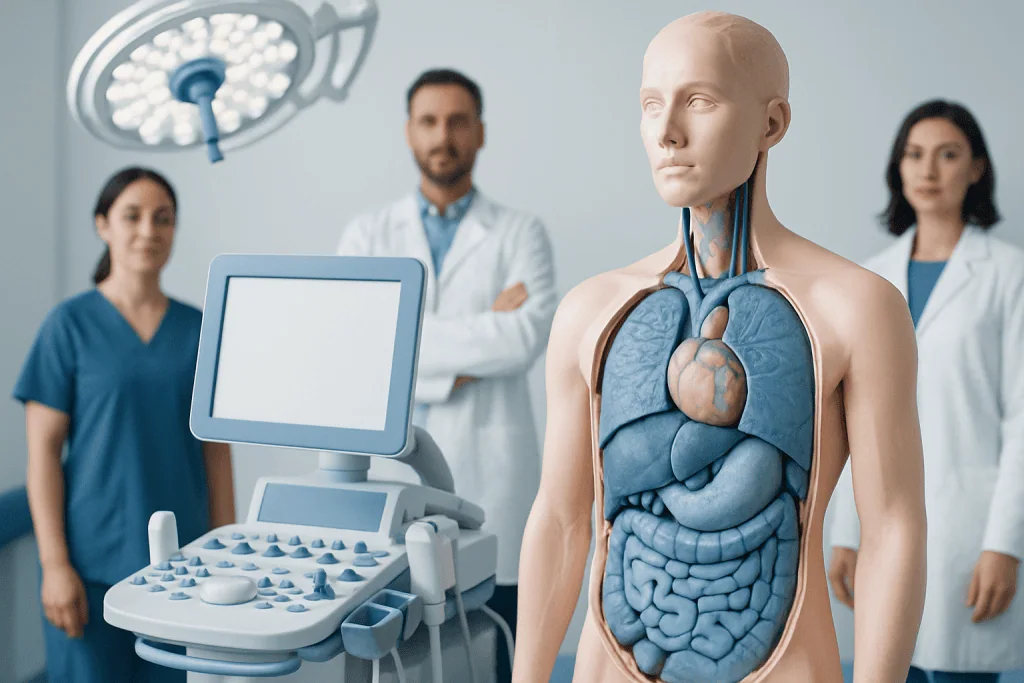
The human body is organized in levels. The smallest living units are cells. Groups of similar cells form tissues, such as muscle tissue, nerve tissue, and connective tissue. Different tissues combine to form organs, and organs work together in body systems. This organized structure helps the body grow, heal, move, and respond to the environment.
Doctors often describe anatomy using standard directional terms. For example, structures may be called upper or lower, front or back, deep or superficial, left or right. These terms help healthcare teams communicate accurately. They also reduce confusion during imaging, surgery, and emergency care.
The body can also be understood by regions, such as the head and neck, chest, abdomen, pelvis, back, arms, and legs. This regional approach is often helpful for patients because symptoms are usually noticed in a specific area first. A doctor then considers which structures in that region may be involved.
- Cells: the basic building blocks of life
- Tissues: groups of similar cells with a shared role
- Organs: structures made of several tissue types
- Systems: organs working together to support the body
The major body systems and what they do

Patients often find anatomy easiest to understand through body systems. The skeletal system gives the body shape, protects organs, and stores minerals. The muscular system creates movement and helps maintain posture. Together, bones, joints, muscles, tendons, and ligaments support daily activity.
The nervous system includes the brain, spinal cord, and nerves. It controls sensation, movement, balance, memory, and many automatic processes. The cardiovascular system includes the heart and blood vessels, which deliver oxygen and nutrients throughout the body. The respiratory system, including the lungs and airways, brings oxygen in and removes carbon dioxide.
The digestive system processes food and absorbs nutrients. It includes the mouth, esophagus, stomach, intestines, liver, pancreas, and gallbladder. The urinary system filters blood and removes waste through the kidneys, ureters, bladder, and urethra. The endocrine system uses hormones to regulate growth, metabolism, reproduction, and stress responses.
Other important systems include the immune and lymphatic systems, which help defend the body; the reproductive system; and the integumentary system, which includes the skin, hair, and nails. Because these systems interact continuously, symptoms are not always limited to one organ. For example, hormonal changes can affect the skin, digestion, mood, and heart rate all at once.
Why anatomy matters in symptoms, tests, and diagnosis
Understanding human anatomy can help patients make sense of symptoms. Numbness in the hand may involve a nerve, the cervical spine, or circulation. Shortness of breath may begin in the lungs, heart, or chest wall. Pain in one area can also be referred from another structure, which is why doctors ask detailed questions about location, timing, and triggers.
Anatomy also guides the physical exam. A clinician may listen to heart sounds in specific places on the chest, press on different areas of the abdomen, or test muscle strength and reflexes to assess nerve pathways. These exam steps are based on normal body structure and how disease may change it.
When a structural problem is suspected, imaging can provide more detail. X-rays are useful for bones and some chest problems. Ultrasound can assess soft tissues, blood flow, pregnancy, and certain abdominal organs. CT and MRI offer detailed cross-sectional views and are often used to evaluate the brain, spine, joints, blood vessels, chest, and abdomen. If symptoms suggest a structural brain problem, doctors may evaluate for conditions such as brain tumor.
Accurate diagnosis often combines anatomy with laboratory testing and medical history. For example, abdominal pain may require imaging, blood tests, and examination together. In some cases, a patient may need a procedure such as endoscopy to look directly at the digestive tract or MRI to assess soft tissues and internal organs in more detail.
Common anatomy-related problems patients hear about
Many common health conditions involve changes in body structure. A fracture changes bone anatomy. A herniated disc can press on nearby nerves. Swelling, inflammation, cysts, tumors, enlarged organs, and blocked blood vessels are other examples of structural changes that can lead to symptoms. In joints, cartilage wear and alignment changes may contribute to pain and stiffness over time.
Some problems are congenital, meaning they are present from birth. Others develop later because of aging, infection, injury, autoimmune disease, or lifestyle factors. Structural changes may be temporary, such as swelling after a sprain, or long-term, such as joint degeneration or spinal curvature.
It is also common for patients to hear anatomy terms during specialist visits. Cardiology may focus on heart chambers, valves, and arteries. Orthopedics may discuss bones, ligaments, and tendons. Neurology may explain the brain, spinal cord, and peripheral nerves. If a patient has persistent joint pain or injury-related symptoms, imaging and specialist assessment may help evaluate orthopedic disorders.
Because anatomy underlies all medical specialties, learning a few basic terms can improve communication. It can help patients ask more specific questions, understand reports more clearly, and follow treatment plans with greater confidence.
How doctors evaluate the body’s structures
Doctors use several methods to assess anatomy safely and systematically. The first step is usually a medical history and physical exam. A patient may be asked where the symptom is felt, whether it spreads, what makes it better or worse, and whether it affects function such as walking, breathing, eating, or sleeping.
Depending on the concern, a doctor may recommend imaging or direct visualization. X-rays are commonly used for fractures and chest assessment. Ultrasound can help evaluate the abdomen, thyroid, pelvis, and blood vessels. CT can show detailed anatomy in trauma, infection, bleeding, or complex internal conditions. MRI is often preferred for the brain, spine, joints, and soft tissues. For bowel symptoms, bleeding, or persistent digestive complaints, colonoscopy may be recommended to examine the colon directly.
Sometimes additional testing is needed to understand function as well as structure. Heart rhythm tests, lung function tests, nerve conduction studies, or blood tests may be used alongside imaging. This combined approach is important because a structure may look normal but function abnormally, or a structural change may not fully explain a person’s symptoms.
At experienced centers, evaluation may involve several specialties working together. Near the end of the care journey, some international patients choose institutions such as Acibadem International, where multidisciplinary specialists in JCI-accredited hospitals assess structural and functional health concerns using coordinated diagnostic services.
Protecting anatomy through prevention and self-care
Patients cannot control every health condition, but many aspects of structural health can be supported through daily habits. Regular movement helps maintain muscle strength, joint flexibility, balance, and bone health. Good posture and body mechanics may reduce strain on the neck, back, and shoulders, especially during desk work or lifting.
Nutrition also supports anatomy. Adequate protein helps maintain muscles and tissues. Calcium, vitamin D, and other nutrients help support bone health. Hydration supports circulation, kidney function, and overall tissue health. Avoiding tobacco is important because smoking can affect blood vessels, bone healing, lung structure, and cancer risk.
Injury prevention matters as well. Wearing seat belts, using protective sports equipment, preventing falls, and following workplace safety measures can reduce trauma to the head, spine, joints, and internal organs. Skin protection from excessive sun exposure is another way to protect the body’s largest organ.
Self-care should not replace medical evaluation when symptoms persist. Home measures such as rest, hydration, posture changes, or gentle activity may help minor symptoms, but new, severe, or worsening problems should be reviewed by a qualified doctor.
When to seek medical care
Medical care is appropriate when symptoms suggest that a body structure may be injured, inflamed, blocked, infected, or under unusual strain. Patients should seek prompt evaluation for chest pain, trouble breathing, sudden weakness, severe headache, confusion, major injury, or new difficulty speaking, walking, or seeing. These symptoms can involve critical anatomy and need urgent attention.
It is also sensible to arrange a medical visit for ongoing pain, a lump, limited movement, persistent digestive symptoms, numbness, recurrent headaches, changes in bladder or bowel habits, or unexplained swelling. Even when symptoms are mild, persistence can be a sign that an underlying structure needs assessment.
Children, older adults, and people with chronic illnesses may need earlier evaluation because symptoms can be less specific in these groups. A doctor can decide whether examination, imaging, laboratory tests, or referral to a specialist is needed.
Frequently asked questions
What is human anatomy in simple terms?
Human anatomy is the study of the body’s structures. It includes organs, bones, muscles, nerves, blood vessels, and tissues, as well as how they are arranged in the body.
Why is anatomy important for patients?
Anatomy helps patients understand where symptoms may be coming from and why a doctor recommends certain tests or treatments. It can also make medical discussions easier to follow and support informed questions during appointments.
What is the difference between anatomy and physiology?
Anatomy focuses on the body’s structure, while physiology explains how those structures work. For example, anatomy describes the heart’s chambers and valves, while physiology explains how the heart pumps blood.
Do I need to know all the organs and bones to understand my health?
No. Most patients only benefit from a basic understanding of major organs, body regions, and systems related to their symptoms. A doctor can explain the specific anatomy that matters for an individual condition or test result.
How do doctors look at anatomy inside the body?
Doctors use physical examination and imaging tests such as X-ray, ultrasound, CT, and MRI. In some situations, procedures like endoscopy or colonoscopy allow direct visualization of certain internal structures.
Can pain in one place come from another part of the body?
Yes. This is called referred pain, and it happens because nerves can make the brain interpret pain as coming from a different location. For example, shoulder pain may sometimes relate to neck structures or certain abdominal problems.
This article is for general information only and is not a substitute for professional medical advice. Please consult a qualified doctor about your individual situation.
Explore treatments in Turkey — costs, top hospitals & a free quote
JCI-accredited · board-certified surgeons · reply within 24h
Add us as a Preferred Source to see more of our trusted health content across Google Search, AI Overviews and Discover.
Check your numbers in seconds
BMI, calories, due date, blood pressure and 30+ more clinical calculators — free, instant, doctor-reviewed ranges.

More from the Health Library

Carbs in Blueberries: What Patients Need to Know

Dandelion Leaves: What Patients Need to Know

Aberrancy: A Complete Medical Overview

Mouth Breather: An Evidence-Based Guide for Patients

Wild Berries — Explained by Medical Evidence, Not Myths