Human Body Temp Lowering: A Complete Medical Overview

Body temperature normally changes throughout the day and differs according to the measurement method, age, activity level, and environment. Lowering body temperature is appropriate in some situations, such as moving out of heat or easing discomfort from a fever, but aggressive cooling can be harmful.
Key Takeaways
- Body temperature normally changes throughout the day and differs according to the measurement method, age, activity level, and environment.
- Lowering body temperature is appropriate in some situations, such as moving out of heat or easing discomfort from a fever, but aggressive cooling can be harmful.
- A core temperature below 35°C (95°F) is considered hypothermia and requires timely medical attention.
- Older adults, infants, people with chronic illnesses, and people taking certain medicines may be more vulnerable to low body temperature.
- Symptoms and the person’s overall condition are often more important than one temperature reading alone.
Human body temp lowering can occur naturally during sleep, after exercise recovery, in cool environments, or as part of safe fever comfort measures. A temperature that is unusually low or falls with confusion, severe shivering, drowsiness, or breathing changes needs prompt medical assessment because it may indicate hypothermia or another underlying condition.
Human Body Temp Lowering: What It Means
Human body temp lowering describes a reduction in body temperature, whether it happens naturally, is used to improve comfort during a fever or heat exposure, or occurs because the body is losing heat faster than it can produce it. The safest response depends on why the temperature is lower and how the person feels. Mild fluctuations are common, while a significantly low temperature can be a medical concern.
Body temperature is regulated mainly by the brain’s hypothalamus. It balances heat made by metabolism and muscle activity with heat lost through the skin, sweating, breathing, and contact with the surrounding environment. Temperature is not fixed: it commonly runs lower during sleep and early morning and may rise later in the day, after physical activity, or around ovulation.
Readings also vary by where and how temperature is measured. Oral, ear, forehead, armpit, and rectal measurements do not always give the same result. For this reason, an unexpected reading should be checked again using the thermometer correctly, especially if it does not match the person’s symptoms.
Normal Temperature Changes and Low Temperature
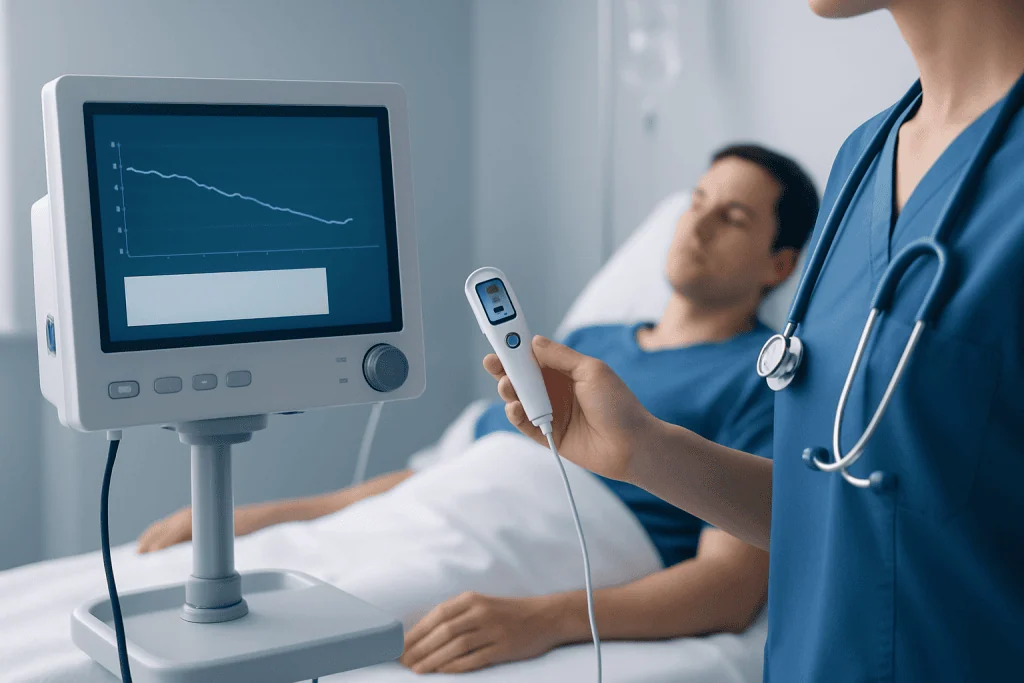
Many healthy adults have temperatures that vary within a range rather than remaining at one exact number. Room temperature, clothing, recent meals, exercise, alcohol use, stress, and the time of day can all affect a reading. Infants and older adults may regulate temperature less consistently than healthy younger adults.
Hypothermia is generally defined as a core body temperature below 35°C (95°F). It can develop after exposure to cold weather or water, but it may also occur indoors, particularly in frail older adults, people who are unwell, or people without adequate heating. A low temperature is more concerning when it is accompanied by persistent shivering, slurred speech, poor coordination, confusion, unusual sleepiness, weak pulse, or slow breathing.
Not every lower-than-usual measurement is hypothermia. For example, a person may feel cool after swimming, resting in an air-conditioned room, or waking from sleep and return to normal after drying off, adding a light layer, or moving into a comfortable environment. However, symptoms should guide decisions more than attempts to interpret a single number in isolation.
Why Body Temperature May Fall

Environmental heat loss is a common cause of human body temp lowering. Wind, rain, wet clothing, cold water, inadequate shelter, and prolonged time in a cool setting can rapidly remove heat from the body. Alcohol can increase risk because it may create a sensation of warmth while widening blood vessels in the skin and impairing judgment.
Medical factors can also contribute. Low body temperature may be seen with severe infections, an underactive thyroid, low blood sugar, poor nutrition, dehydration, major injury, stroke, or disorders affecting the brain and nervous system. Some medicines, including sedatives and certain medicines used for anxiety, pain, or blood pressure, may reduce alertness or alter the body’s ability to respond to cold.
Risk is higher in newborns, older adults, people with low body weight, people with diabetes or thyroid disease, and those with reduced mobility or cognitive impairment. People recovering from surgery or serious illness may also have trouble maintaining their usual temperature. A clinician can assess whether a lower temperature is related to an environmental exposure, a medicine, or an underlying health issue.
- Cold or wet surroundings, including cold-water immersion
- Inadequate food intake, dehydration, or exhaustion
- Alcohol or sedating substances
- Thyroid, metabolic, neurological, or severe infectious illnesses
- Age-related difficulty sensing or responding to cold
Lowering Temperature Safely for Fever or Heat Exposure
When someone has a mild fever and is otherwise stable, the goal is usually comfort rather than forcing body temperature to return immediately to normal. Rest, drinking fluids when appropriate, wearing lightweight clothing, and keeping the room comfortably cool can help. A lukewarm bath or sponge wipe may feel soothing for some people, but cold baths, ice packs over large areas of skin, or alcohol rubs are not recommended because they can cause shivering, discomfort, or other harm.
Fever is part of the body’s immune response and often occurs with viral or bacterial infections. Over-the-counter fever medicines may help some adults and children when used according to the product label and a clinician’s advice. The choice depends on age, medical history, other medicines, and the cause of fever. Aspirin should not be given to children or teenagers with viral symptoms unless specifically directed by a clinician because of the risk of Reye’s syndrome.
Heat exhaustion and heatstroke require a different approach. A person with heat exhaustion should stop activity, move to a cool place, loosen excess clothing, cool the skin with water and airflow, and drink fluids if fully alert and able to swallow. Suspected heatstroke, especially with confusion, collapse, seizures, or very hot skin, is an emergency: emergency services should be contacted while rapid cooling is started.
What to Do if Body Temperature Is Too Low
If a person is alert and has mild cold exposure, move them to a warm, dry place, remove wet clothing, and cover them with dry layers or blankets. Warm the center of the body first, including the chest, neck, head, and groin, rather than applying intense heat directly to hands or feet. Warm non-alcoholic drinks may be helpful only if the person is awake, can swallow safely, and is not nauseated.
Do not use a hot bath, heating pad directly on the skin, or vigorous rubbing or massage to rewarm someone who may have hypothermia. These methods can damage skin, cause burns, or lead to sudden circulation changes. A person who is confused, very drowsy, unconscious, unable to coordinate movements, or shivering less despite being cold needs emergency assessment.
People with low temperature after an illness, injury, or medication change should not assume that cold exposure is the only explanation. Medical teams may check temperature with a more reliable method and evaluate blood sugar, thyroid function, infection markers, hydration, heart rhythm, and other factors according to the situation.
Supporting Healthy Temperature Regulation
Daily habits can reduce the risk of unwanted temperature changes. Dressing in layers, staying dry in cold weather, eating regular balanced meals, and drinking enough fluids support the body’s ability to generate and retain heat. During exercise or hot weather, regular breaks, shade, breathable clothing, and planned hydration help limit overheating.
Older adults and caregivers may benefit from checking that living spaces are adequately heated, especially overnight. A person who lives alone, has limited mobility, or has memory difficulties may not notice that their environment is too cold. Infants should also be dressed appropriately for the setting and monitored for signs of overheating or chilling rather than being heavily bundled.
Anyone taking regular medicines should discuss unexpected temperature changes with their prescribing clinician rather than stopping treatment independently. Acibadem International’s multidisciplinary specialists and JCI-accredited hospitals assess temperature-related symptoms and underlying medical conditions for international patients when further evaluation is needed.
When to Seek Medical Care
Emergency medical care is needed for a suspected low body temperature with confusion, loss of consciousness, severe weakness, blue or gray lips, slow or irregular breathing, chest pain, seizures, or inability to stop shivering. Emergency help is also important after cold-water immersion, prolonged exposure to cold, or when a person cannot be safely warmed at home.
Urgent assessment is appropriate for a baby with an unusually low or high temperature, an older adult with new confusion or weakness, or anyone with a temperature change after a serious illness, injury, or overdose. People with diabetes should check for low blood sugar if they have symptoms such as sweating, shaking, confusion, or weakness and follow their established care plan.
A routine appointment is sensible when lower-than-usual temperatures recur, occur without clear cold exposure, or appear alongside fatigue, weight changes, constipation, hair or skin changes, dizziness, or other persistent symptoms. A healthcare professional can determine whether testing or treatment is needed and offer individualized advice about safe temperature management.
Frequently asked questions
What temperature is considered too low for an adult?
A core body temperature below 35°C (95°F) is generally considered hypothermia. The seriousness also depends on symptoms, the speed of cooling, and the person’s age and health. Confusion, drowsiness, poor coordination, or slow breathing require urgent medical attention regardless of the exact reading.
Can body temperature be lower in the morning?
Yes. Body temperature follows a daily rhythm and is often lower during sleep and in the early morning. A small change at these times can be normal if the person feels well and the temperature returns to their usual range later in the day.
How can a person lower body temperature safely during a fever?
Rest, fluids, lightweight clothing, and a comfortably cool room are usually appropriate comfort measures. A lukewarm wash may help, but ice baths and alcohol rubs should be avoided. Fever medicine may be suitable for some people when used according to the label and advice from a qualified healthcare professional.
Why should ice-cold baths be avoided for fever?
Ice-cold water can cause shivering, which may make the body generate more heat and increase discomfort. It can also be unpleasant and may be unsafe for some people with heart, circulation, or neurological conditions. Gentle cooling measures are generally preferred unless emergency clinicians advise otherwise.
Can dehydration cause low body temperature?
Dehydration can impair the body’s ability to regulate temperature, particularly during illness, heat exposure, or strenuous activity. It may contribute to feeling cold, weak, dizzy, or unwell, although it is not the only possible cause of a low reading. Persistent symptoms should be assessed by a clinician.
Is a low body temperature a sign of infection?
It can be, particularly in older adults, newborns, or people with weakened immune systems. While fever is more commonly associated with infection, some serious infections may cause a lower-than-normal temperature. New low temperature with confusion, breathing changes, marked weakness, or worsening illness needs prompt medical evaluation.
References
- Centers for Disease Control and Prevention
- National Institute of Environmental Health Sciences
- MedlinePlus, U.S. National Library of Medicine
- Mayo Clinic
- World Health Organization
This article is for general information only and is not a substitute for professional medical advice. Please consult a qualified doctor about your individual situation.
Explore treatments in Turkey — costs, top hospitals & a free quote
JCI-accredited · board-certified surgeons · reply within 24h
Add us as a Preferred Source to see more of our trusted health content across Google Search, AI Overviews and Discover.
Check your numbers in seconds
BMI, calories, due date, blood pressure and 30+ more clinical calculators — free, instant, doctor-reviewed ranges.

More from the Health Library



Related Specialists

Prof. Dr. Rıza Dundar
Otorhinolaryngology
Dr. Alper Koçak
Gynecology & Obstetrics
Assoc. Prof. Dr. Bedriye Koyuncu Sökmen
Gastrointestinal Oncology Unit Clinical Service
Asst. Prof. Dr. Erkan Acar
Neurology