Humidifier: What Patients Need to Know
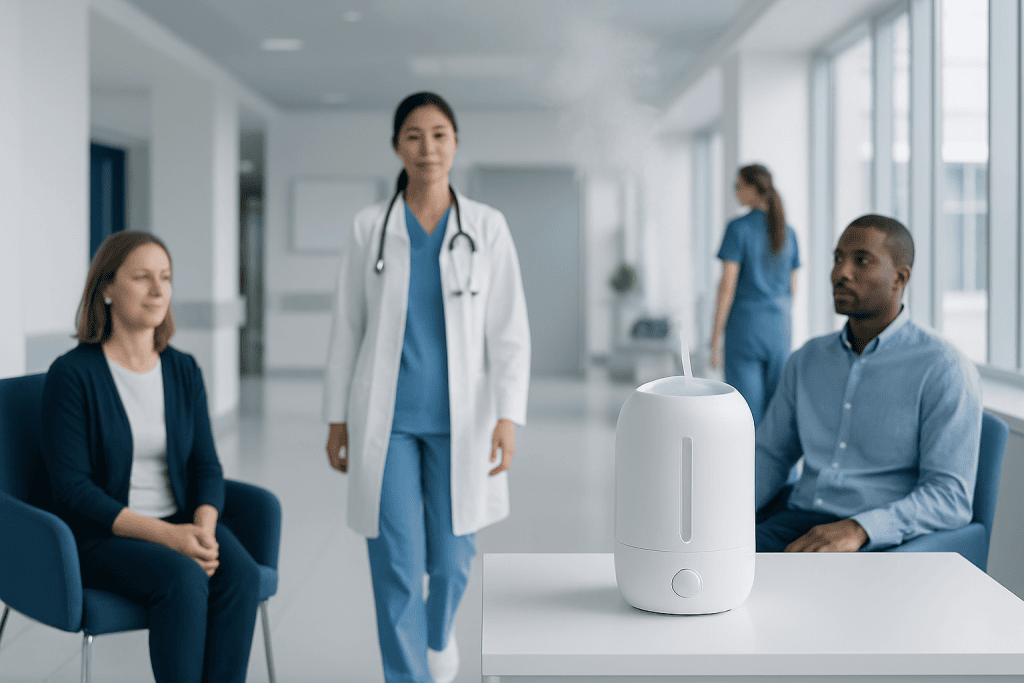
A humidifier can ease symptoms caused by dry indoor air, including dry nose, throat irritation, and chapped skin. It does not treat the underlying cause of infection, asthma, or allergies, but may make some symptoms more comfortable.
Key Takeaways
- A humidifier can ease symptoms caused by dry indoor air, including dry nose, throat irritation, and chapped skin.
- It does not treat the underlying cause of infection, asthma, or allergies, but may make some symptoms more comfortable.
- The safest approach is to keep indoor humidity in a moderate range and clean the device regularly.
- Too much humidity can encourage mold, dust mites, and worsening allergy or asthma symptoms.
- Distilled or demineralized water may reduce mineral buildup and white dust in some humidifiers.
A humidifier is a device that adds moisture to indoor air, which can help relieve dryness in the nose, throat, skin, and eyes when the air is too dry. It is most useful when used carefully, with the right humidity level and regular cleaning to avoid mold, mineral dust, and germs.
Overview: what a humidifier does
A humidifier is a home device that adds moisture to the air. For many people, it can make a room feel more comfortable when indoor air is very dry, especially during winter heating or in air-conditioned environments. Used properly, a humidifier may reduce dryness in the nasal passages, throat, lips, skin, and eyes.
Humidifiers do not cure colds, flu, allergies, or chronic lung disease. However, they may help ease irritation that comes from dry air. This distinction matters because the goal is comfort and support, not treatment of the underlying illness. People with ongoing breathing symptoms should still be assessed for conditions such as asthma or allergies when appropriate.
Several types are available, including cool-mist, warm-mist, ultrasonic, evaporative, and whole-home systems. Each can raise humidity, but all require correct maintenance. The main safety concerns are over-humidifying the room, spreading mineral particles, and allowing bacteria or mold to grow inside the unit.
Possible benefits of using a humidifier

The main benefit of a humidifier is comfort in dry indoor conditions. Moist air may help soothe a dry or scratchy throat, reduce nose dryness, and make breathing feel less irritating when the air is harsh. Some people also notice less dry skin or fewer cracked lips during colder months.
A humidifier may be helpful at night if dry air causes mouth or nasal discomfort during sleep. In children and adults with a cold, moisture may help loosen thick nasal secretions and reduce the feeling of congestion, even though it does not shorten the illness itself. People bothered by dry air around the eyes may also feel some relief, although persistent eye symptoms should be evaluated.
For people with certain respiratory conditions, moisture can sometimes improve comfort, but the response varies. In some individuals, especially those with reactive airways, too much humidity or poorly maintained equipment can worsen symptoms rather than help. When symptoms are frequent or severe, a doctor may recommend further evaluation, including pulmonary function testing to better understand breathing problems.
- May relieve dryness in the nose, throat, and skin
- Can make indoor air feel more comfortable in winter
- May help loosen mucus and ease irritation from dry air
- Can support sleep comfort when dryness is a trigger
Risks, side effects, and common mistakes

The biggest mistake with a humidifier is using it too much. Air that is too humid can encourage mold growth, dust mites, and musty indoor conditions. This may worsen coughing, wheezing, allergy symptoms, or breathing discomfort in people who are sensitive.
Another important risk is poor cleaning. If water sits in the tank or internal parts are not cleaned regularly, bacteria and mold can multiply and then spread into the air as a mist. This can irritate the lungs and may be especially problematic for infants, older adults, or people with chronic lung disease.
Some units, especially certain ultrasonic humidifiers, can release fine mineral particles into the air if tap water is used. This is often called white dust. Using distilled or demineralized water may reduce this problem, although users should follow the device manufacturer’s instructions. Warm-mist devices also carry a burn risk if tipped over or touched by a child, so placement and supervision matter.
A humidifier is not a substitute for medical care. Persistent cough, repeated congestion, frequent wheezing, or sleep-related breathing problems should not be attributed to dry air alone. In some cases, symptoms are related to conditions such as sinusitis or other ear, nose, and throat problems that need targeted assessment.
How to use a humidifier safely and effectively
The most helpful way to use a humidifier is to aim for moderate humidity rather than maximum moisture. A room that feels slightly more comfortable is the goal. If windows develop condensation, surfaces feel damp, or the room smells musty, humidity is likely too high.
Many clinicians suggest using a hygrometer, a small device that measures room humidity. This helps keep indoor moisture in a balanced range and reduces guesswork. It is also wise to place the humidifier on a flat, stable surface away from walls, curtains, and electronics, with enough space for airflow around it.
The choice between cool-mist and warm-mist models often comes down to household safety and personal preference. Cool-mist units are generally preferred in homes with young children because there is no hot water or steam exposure. If breathing symptoms are persistent, a physician may advise further evaluation or referral to specialists who provide allergy testing or respiratory assessment when clinically indicated.
- Use the device in the room where dryness is most noticeable
- Avoid making the room feel damp or stuffy
- Monitor humidity rather than relying only on comfort
- Keep the unit out of reach of children and pets
- Follow the manufacturer’s maintenance instructions closely
Cleaning and maintenance: why it matters
Regular cleaning is essential because a humidifier holds standing water, and standing water can support the growth of microorganisms. Tanks should be emptied, dried, and refilled according to the manufacturer’s guidance. Allowing old water to sit for long periods increases the chance of contamination.
Routine descaling is also important. Minerals from tap water can build up on the tank and internal parts, making the unit less effective and more likely to release particles into the air. Some people choose distilled or demineralized water to reduce mineral residue, but this does not replace cleaning.
Filters and cartridges should be changed as recommended by the manufacturer. If the humidifier develops a persistent odor, visible residue, or discoloration, it may need more thorough cleaning or replacement parts. A neglected device can turn a helpful home measure into a source of indoor air irritation.
Cleaning becomes even more important if someone in the home has chronic respiratory symptoms or a weakened immune system. In these settings, clinicians may also evaluate the home environment more broadly and recommend specialist input, such as ENT evaluation when nasal or throat symptoms continue despite home measures.
Who may benefit most, and who should be cautious
People who may benefit most from a humidifier are those living in very dry climates or in homes where heating or air conditioning noticeably dries the air. Seasonal dryness, nosebleeds linked to dry nasal passages, dry skin, and throat irritation are common reasons for trying one. It may also help people who wake with a dry mouth or nose in certain environments.
Caution is especially important for people with allergies, asthma, chronic sinus problems, or recurrent wheezing. These individuals are not automatically excluded from using a humidifier, but they may be more sensitive to excess humidity, mold, dust mites, or contaminated mist. For them, close attention to humidity levels and cleaning is particularly important.
Infants, young children, and older adults may be more vulnerable to discomfort from poor air quality. In homes with children, cool-mist devices are often the safer option because they avoid hot water and steam. If a person has ongoing sleep disruption, snoring, repeated nasal blockage, or chronic cough, a doctor can help determine whether dry air is the main issue or whether another condition is contributing.
When to seek medical care
A humidifier can be a useful comfort tool, but medical advice is important if symptoms are persistent, severe, or unclear. A person should seek medical care for trouble breathing, wheezing, chest tightness, high fever, dehydration, severe sore throat, or symptoms that do not improve as expected. These problems may have causes beyond dry air.
Medical review is also sensible when nosebleeds happen often, sinus symptoms keep returning, a cough lasts for weeks, or nighttime breathing problems disturb sleep. In children, any signs of breathing difficulty, poor feeding, unusual sleepiness, or worsening illness deserve prompt attention. People with chronic lung disease or immunosuppression should be especially cautious about home air devices if symptoms flare.
If symptoms suggest a specific condition, doctors may recommend targeted testing or treatment rather than relying on humidity alone. In complex cases, multidisciplinary specialists at Acibadem International and its JCI-accredited hospitals diagnose and treat respiratory and ENT-related concerns for international patients in a coordinated setting.
Frequently asked questions
Does a humidifier help with a cold?
A humidifier may make a person with a cold feel more comfortable by easing dryness in the nose and throat and helping loosen mucus. It does not kill viruses or shorten the infection itself. Clean use and moderate humidity are important to avoid irritation.
Can a humidifier make allergies or asthma worse?
Yes, it can if the room becomes too humid or if the device is not cleaned properly. Excess moisture can promote mold and dust mites, and contaminated mist can irritate the airways. People with allergies or asthma should monitor humidity carefully and speak with a doctor if symptoms worsen.
Is cool mist or warm mist better?
Both can add moisture to the air, so the main difference is safety and convenience rather than effectiveness. Cool-mist models are often preferred in homes with young children because they avoid burn risks. The best choice is the one that can be used safely and maintained well.
How often should a humidifier be cleaned?
Cleaning frequency depends on the model, but regular emptying, drying, and routine cleaning are essential. Water should not be left standing in the tank for long periods. Following the manufacturer's instructions is the safest approach.
What kind of water should be used in a humidifier?
Some manufacturers recommend distilled or demineralized water because it can reduce mineral buildup and white dust. This may be especially helpful in areas with hard tap water. The device manual should guide the choice, since recommendations differ by model.
What humidity level is best indoors?
Moderate indoor humidity is usually the goal, rather than making the air feel very moist. A hygrometer can help track levels more accurately than comfort alone. If windows fog up or the room feels damp, humidity is probably too high.
References
- American Academy of Pediatrics
- Centers for Disease Control and Prevention
- Environmental Protection Agency
- American Academy of Allergy, Asthma & Immunology
- National Institutes of Health
This article is for general information only and is not a substitute for professional medical advice. Please consult a qualified doctor about your individual situation.
Explore treatments in Turkey — costs, top hospitals & a free quote
JCI-accredited · board-certified surgeons · reply within 24h
Add us as a Preferred Source to see more of our trusted health content across Google Search, AI Overviews and Discover.

More from the Health Library



Related Specialists

Prof. Dr. Ayten Ferahbaş Kesikoğlu
Dermatology
Dr. Işıl Avcı
Physical Medicine & Rehabilitation
Prof. Dr. Yusuf Serdar Sakin
Gastroenterology
Dr. Mazlum Batu
Emergency Service