Hydrafacial Machine: A Complete Medical Overview
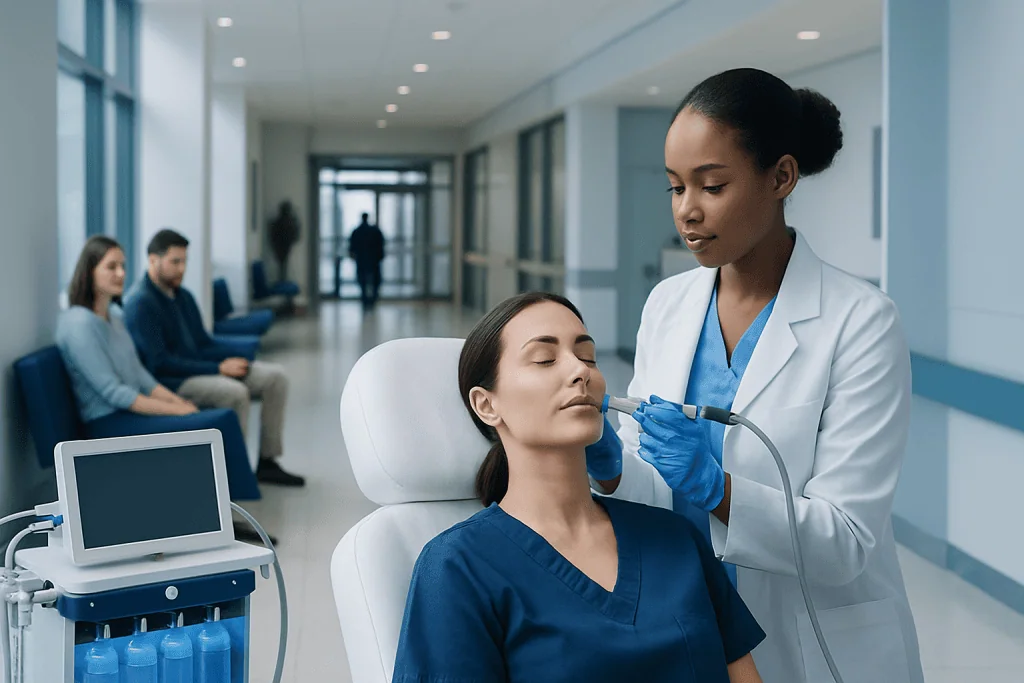
A hydrafacial machine uses a multi-step process to cleanse, exfoliate, extract debris, and apply hydrating solutions. The treatment is usually well tolerated and involves little downtime, but temporary redness or sensitivity can occur.
Key Takeaways
- A hydrafacial machine uses a multi-step process to cleanse, exfoliate, extract debris, and apply hydrating solutions.
- The treatment is usually well tolerated and involves little downtime, but temporary redness or sensitivity can occur.
- Results are often temporary and vary by skin type, treatment settings, and the skill of the provider.
- It may help with dullness, mild clogged pores, and surface dehydration, but it does not replace medical treatment for active skin disease.
- People with active rashes, infections, severe acne flares, or very sensitive skin should seek professional advice before treatment.
A hydrafacial machine is a professional skin-treatment device that combines cleansing, exfoliation, suction-based extraction, and serum infusion in a single session. It can improve skin texture, congestion, and temporary dehydration, but it is not a cure for medical skin diseases and is best chosen after a skin assessment.
What a hydrafacial machine is
A hydrafacial machine is a professional device used for a multi-step facial treatment that typically includes cleansing, exfoliation, gentle suction-based extraction, and the application of moisturizing or skin-conditioning solutions. In practical terms, it is designed to remove surface debris and oil while delivering topical serums to the skin during the same session.
Many people ask whether a hydrafacial machine is a medical necessity or a cosmetic tool. The most accurate answer is that it is primarily a cosmetic skin-care device, although it may be used in medically supervised aesthetic practice for selected patients. It can support overall skin maintenance, but it does not diagnose or cure underlying skin disorders.
The treatment is often chosen by people who want skin that feels cleaner, smoother, and more hydrated with minimal recovery time. Compared with more aggressive procedures, it is usually considered a gentler option. Even so, skin response depends on individual sensitivity, the strength of the exfoliating solution, and whether there is an untreated skin condition present.
How the hydrafacial machine works
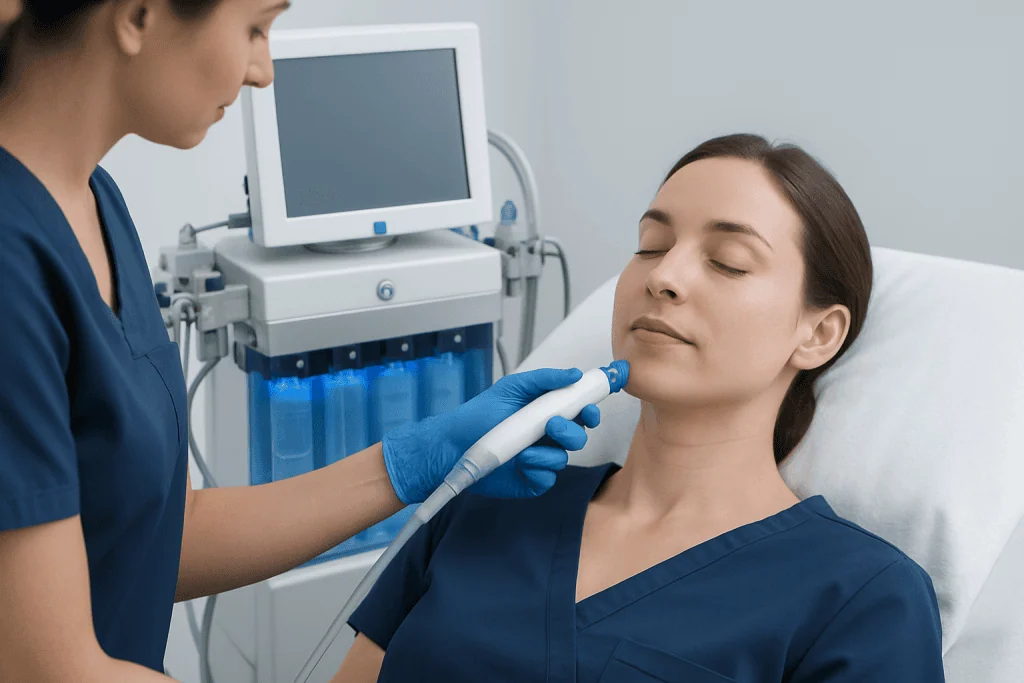
Most hydrafacial systems work through a sequence rather than a single action. A handheld tip passes over the skin to loosen dead skin cells and surface oil, while a vacuum-like mechanism helps remove loosened material from pores. At the same time or in a later step, the machine delivers liquid solutions that may contain humectants, antioxidants, or mild exfoliating acids.
The exact technology varies by manufacturer, but the basic principles are similar. The treatment generally aims to improve superficial skin texture and reduce visible congestion without the degree of peeling often seen after stronger chemical peels or laser-based procedures. Because the process is focused on the outer layers of skin, the effects are usually modest and need maintenance if a person wants ongoing improvement.
A typical session may include:
- Preparation and skin assessment
- Gentle cleansing and exfoliation
- Suction-assisted extraction of surface debris and sebum
- Application of hydrating or soothing solutions
- Sun-protection advice after the procedure
Some clinics combine this treatment with other aesthetic approaches, but combination plans should be individualized. For example, people being evaluated for broader skin concerns may also discuss dermatology care to understand whether a cosmetic procedure is appropriate or whether medical treatment is needed first.
Potential benefits and realistic expectations

The main appeal of a hydrafacial machine is convenience. In one visit, it can provide cleansing, light exfoliation, extraction, and hydration with little interruption to daily activities. Many people notice an immediate feeling of smoother skin and a fresher appearance, especially if they have dullness, mild blackheads, or surface dryness.
Possible benefits may include temporary improvement in skin softness, brightness, and the appearance of clogged pores. Some people also feel that makeup applies more evenly after treatment. However, these results are not permanent, and response differs widely between individuals.
It is important to keep expectations realistic. A hydrafacial machine does not tighten significantly lax skin, erase deep wrinkles, remove scars, or treat every cause of acne or redness. If a person has persistent pigmentation, scarring, or recurrent inflammatory breakouts, a dermatologist may recommend other treatments, such as skin rejuvenation treatments, or investigation for conditions that need medical care rather than cosmetic maintenance.
In short, the treatment may be useful for routine skin upkeep, but it should not be viewed as a substitute for a full diagnosis when symptoms are ongoing or worsening.
Who may benefit and who should be cautious
A hydrafacial machine may suit adults who want a noninvasive facial treatment for mild congestion, uneven texture, or temporary dehydration. It is often marketed for many skin types because the intensity can be adjusted. Even so, suitability is not the same for everyone, and a careful skin review matters.
People should be more cautious if they have very sensitive skin, rosacea, eczema, active dermatitis, cold sores, open wounds, recent sunburn, or an active bacterial or fungal skin infection. In these settings, suction, exfoliation, or certain topical ingredients may irritate the skin barrier and make symptoms worse. Those with severe inflammatory acne may also need medical evaluation before cosmetic extraction is attempted.
Special consideration is also wise for people using prescription retinoids, recent isotretinoin therapy, exfoliating acids, or other treatments that can increase irritation. During pregnancy or breastfeeding, a clinician may review the safety of any active ingredients used in the solutions, even when the procedure itself is considered low risk.
If there is uncertainty about whether a cosmetic facial is appropriate, a doctor may first assess for common conditions such as acne or eczema so that treatment targets the real cause of the skin concern.
Risks, side effects, and safety considerations
Hydrafacial treatment is generally described as well tolerated, but no skin procedure is completely risk-free. The most common short-term effects are mild redness, tightness, tenderness, or temporary sensitivity after the session. These effects are usually brief, especially when treatment settings are appropriate for the skin type.
Less commonly, a person may develop irritation from exfoliating solutions, fragrance, preservatives, or other serum ingredients. People with reactive skin may notice burning, stinging, or a flare of underlying redness. If extraction is too aggressive, the skin may become more inflamed rather than calmer.
There are also infection-control issues that matter with any device used on multiple patients. Safe care depends on proper cleaning, single-use or correctly sterilized components when required, and a trained professional who recognizes when not to treat. Skin that has active infection, bleeding, or significant barrier damage should generally not undergo the procedure until it is medically reviewed.
Anyone with a history of allergy, recurrent facial rash, or previous adverse reaction to peels or facials should mention this before treatment. A patch test or ingredient review may help reduce avoidable reactions.
Medical assessment, alternatives, and treatment planning
One useful way to think about a hydrafacial machine is as one tool among many. A good treatment plan starts with understanding the goal: hydration, smoother texture, less congestion, or management of a diagnosed skin condition. Cosmetic procedures work best when they match the person’s actual skin problem.
For example, blackheads and mild oiliness may respond to routine professional skin care and home skin-care guidance. By contrast, cystic acne, persistent facial redness, post-inflammatory marks, or suspicious lesions need medical assessment. In those situations, formal evaluation through specialist dermatology assessment is often more important than scheduling repeated cosmetic facials.
Alternative or complementary options may include standard facials, prescription topical therapy, chemical peels, light-based procedures, laser therapies, or barrier-repair skin-care routines. The best choice depends on skin type, medical history, season, sun exposure, and how sensitive the skin is. A qualified clinician can also advise on whether combining treatments is sensible or likely to increase irritation.
Near the end of the care pathway, if procedural treatment is appropriate, a multidisciplinary skin team can help align the plan with both skin health and cosmetic goals. Acibadem International’s specialists in JCI-accredited hospitals diagnose and treat skin conditions for international patients, including cases where cosmetic concerns overlap with medical dermatology.
Aftercare and self-care after treatment
After a hydrafacial session, simple aftercare can help the skin recover comfortably. Patients are usually advised to use a gentle cleanser, a bland moisturizer, and daily broad-spectrum sunscreen. Sun protection is especially important because freshly exfoliated skin may be more sensitive to ultraviolet exposure.
For the first day or two, it is often sensible to avoid harsh scrubs, strong acids, retinoids, and fragranced products unless a clinician advises otherwise. Heavy rubbing, very hot water, and picking at the skin can also increase irritation. If the skin feels warm or tight, a simple barrier-supporting moisturizer may be enough.
People often ask how frequently treatment should be repeated. There is no single medical schedule that suits everyone. Frequency depends on the reason for treatment, the person’s skin tolerance, and whether a doctor is addressing an underlying condition at the same time.
Good long-term skin care usually relies more on consistent basics than on any one device. Daily sun protection, gentle cleansing, appropriate moisturizing, and medical review for persistent symptoms remain the foundation of healthy skin.
When to seek medical care
Medical advice is important if skin symptoms are severe, unusual, or do not match a simple cosmetic concern. A person should seek professional care if they have a painful acne flare, rapidly spreading redness, swelling, crusting, pus, fever, or signs of an allergic reaction after a facial treatment. These symptoms may point to infection, significant irritation, or another condition that needs prompt evaluation.
It is also wise to arrange a medical assessment if there is a persistent rash, repeated facial flushing, unexplained pigmentation changes, non-healing spots, or breakouts that do not improve with routine care. Cosmetic devices can sometimes delay proper diagnosis if used in place of evaluation.
Anyone considering repeated procedures because of ongoing skin concerns may benefit from a clearer diagnosis first. In many cases, a short medical consultation can identify whether the issue is simple congestion or a treatable disorder that needs targeted care rather than another facial session.
Frequently asked questions
Is a hydrafacial machine safe for all skin types?
It is often suitable for many skin types, but not for everyone. People with very sensitive skin, active rashes, infections, recent sunburn, or severe acne flares should have a professional assessment before treatment.
What does a hydrafacial machine actually do?
It usually performs several steps in one session: cleansing, light exfoliation, suction-based extraction, and application of hydrating or skin-conditioning solutions. The goal is to improve surface texture and hydration rather than treat deep structural skin problems.
Can a hydrafacial machine treat acne?
It may help with mild congestion and blackheads, but it does not treat every form of acne. Moderate to severe, painful, or scarring acne usually needs medical diagnosis and targeted treatment.
Are there side effects after a hydrafacial?
Mild redness, tightness, or sensitivity can happen for a short time after treatment. Less commonly, irritation or allergy to ingredients may occur, especially in people with reactive skin.
How long do hydrafacial results last?
Results are usually temporary and vary from person to person. Skin may look smoother or more refreshed for a limited time, but lasting improvement depends on regular skin care and whether there is an underlying skin condition.
Should someone avoid a hydrafacial before a special event if they have sensitive skin?
That can be a sensible precaution. Even though downtime is usually limited, sensitive skin may react with redness or irritation, so a trial session well before an important event is often safer than first-time treatment at the last minute.
This article is for general information only and is not a substitute for professional medical advice. Please consult a qualified doctor about your individual situation.
Explore treatments in Turkey — costs, top hospitals & a free quote
JCI-accredited · board-certified surgeons · reply within 24h
Add us as a Preferred Source to see more of our trusted health content across Google Search, AI Overviews and Discover.

More from the Health Library

Strep Throat Pictures: A Complete Medical Overview

Dry Nose: A Complete Medical Overview

Legal Steroids: What Patients Need to Know

Lump on Forehead: What Patients Need to Know

Mycophenolate: An Evidence-Based Guide for Patients