

Strep Throat Pictures: A Complete Medical Overview

Strep throat pictures can be useful for awareness, but they do not replace a throat swab or medical exam. Common visible signs include red, swollen tonsils, white patches, and small red spots on the roof of the mouth.
Key Takeaways
- Strep throat pictures can be useful for awareness, but they do not replace a throat swab or medical exam.
- Common visible signs include red, swollen tonsils, white patches, and small red spots on the roof of the mouth.
- Symptoms such as sudden sore throat, fever, and painful swallowing make strep more likely than a common cold.
- Antibiotics are used when testing confirms strep throat caused by group A Streptococcus.
- Children, teens, and close contacts of an infected person are at higher risk.
- Medical care is important for severe symptoms, breathing trouble, dehydration, or symptoms that do not improve.
Strep throat pictures may help people recognize common visual signs such as redness, swollen tonsils, or white patches, but images alone cannot confirm the diagnosis. A medical evaluation and throat testing are the most reliable ways to tell strep throat apart from viral sore throats and other conditions.
What strep throat pictures can and cannot show
Strep throat pictures usually show a throat that looks red and inflamed, often with swollen tonsils and patches of white or yellowish material on the tonsils. Some images also show tiny red spots on the roof of the mouth, called palatal petechiae, which can appear in some cases of strep throat. These pictures can help a person understand what doctors look for during an examination.
However, many throat infections can look similar. Viral sore throats, tonsillitis, infectious mononucleosis, and even irritation from dry air or allergies may also cause redness, swelling, or throat discomfort. Because of this overlap, a photograph or mirror check cannot reliably distinguish strep throat from other causes.
A complete medical overview goes beyond appearance alone. Clinicians consider the person’s age, symptoms, exposure history, and physical examination findings, then confirm the diagnosis with a rapid strep test or throat culture when appropriate. In other words, pictures are best used as a visual guide, not as a way to self-diagnose.
What strep throat typically looks and feels like
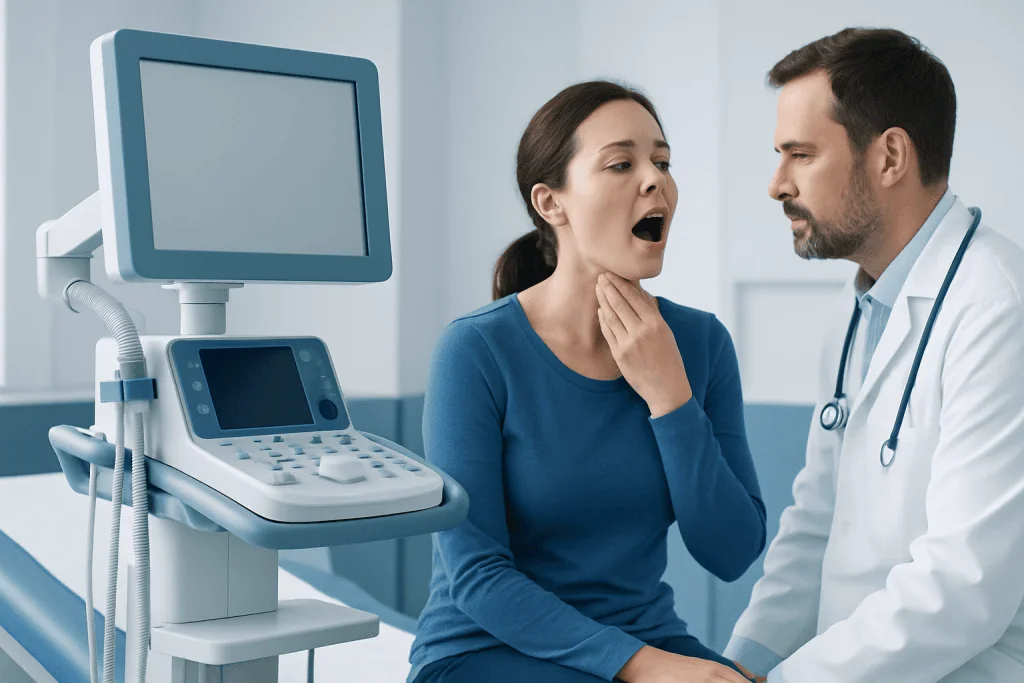
When strep throat is present, the back of the throat often appears bright red. The tonsils may look enlarged and swollen, and white streaks, spots, or patches of pus may be visible. The lymph nodes in the front of the neck can also become swollen and tender, although that change is felt more than seen.
Symptoms often begin suddenly. A person may develop a sore throat that makes swallowing painful, along with fever, headache, body aches, or a general feeling of being unwell. In children, stomach pain, nausea, or vomiting can sometimes occur along with throat symptoms.
Strep throat is less likely when cold-like symptoms are prominent. A runny nose, cough, hoarseness, and red, watery eyes more often point to a viral infection rather than group A streptococcal infection. This distinction matters because antibiotics help strep throat but do not treat viral sore throats.
- Red, swollen tonsils
- White patches or streaks on the tonsils
- Tiny red spots on the roof of the mouth
- Sudden sore throat and fever
- Pain with swallowing
- Tender neck glands
Why strep throat happens and who is at higher risk

Strep throat is caused by a bacterium called group A Streptococcus. It spreads from person to person through respiratory droplets, such as those released when an infected person coughs, sneezes, or talks closely with others. It may also spread through shared utensils or touching contaminated surfaces followed by contact with the nose or mouth.
School-aged children and teenagers are affected most often, though adults can also develop the infection. Risk tends to rise in settings where people have close contact, such as schools, daycare centers, family households, dormitories, or military environments. Strep throat may become more common during certain seasons when respiratory infections circulate more widely.
Having a sore throat does not necessarily mean a person has strep. Most sore throats are viral, especially when accompanied by cough or congestion. Still, if symptoms strongly suggest strep or there has been known exposure, testing is important to guide proper treatment and reduce the chance of complications.
How doctors diagnose strep throat
Diagnosis begins with a medical history and examination. A doctor asks about how quickly symptoms started, whether there is fever or cough, and whether there has been recent contact with someone who has strep throat. During the exam, the throat, tonsils, and neck lymph nodes are checked for typical signs of infection.
Because appearance alone is not enough, doctors usually confirm suspected cases with a rapid antigen detection test, commonly called a rapid strep test. This test uses a swab from the throat and can provide results quickly. In some cases, especially in children and adolescents, a throat culture may be used if the rapid test is negative but suspicion remains high.
Additional testing may be needed when symptoms suggest another cause, such as mononucleosis, a deep neck infection, or a chronic tonsil problem. If a person has repeated episodes, an ear, nose, and throat specialist may review whether there is an underlying issue such as recurrent tonsil inflammation. In some situations, doctors may also recommend a medical check-up to assess overall health and symptom patterns.
Treatment options and symptom relief
If testing confirms strep throat, treatment usually includes antibiotics prescribed by a doctor. The goals are to shorten symptoms, reduce spread to others, and lower the risk of complications such as rheumatic fever or local abscess formation. It is important to take the medication exactly as prescribed and to complete the full course unless a doctor advises otherwise.
Supportive care also matters. Rest, fluids, warm beverages, cool foods, and doctor-recommended pain relievers can make swallowing easier and improve comfort. Gargling with warm salt water may help some adults and older children, while a humidified environment can reduce throat dryness.
Some people experience repeated infections or have enlarged tonsils that continue to cause problems. In carefully selected cases, an ENT specialist may discuss whether tonsil and adenoid surgery is appropriate. If symptoms are severe, unusual, or difficult to distinguish from other throat problems, ENT evaluation can help guide diagnosis and treatment.
Prevention, home care, and limiting spread
Good hygiene is the main way to help prevent strep throat from spreading. Frequent handwashing, covering coughs and sneezes, and avoiding sharing cups, utensils, or toothbrushes can reduce transmission. People who are diagnosed with strep throat should follow their clinician’s advice about when it is safe to return to school, work, or group settings.
At home, comfort measures are usually simple. Drinking enough fluids helps prevent dehydration, especially when swallowing is painful. Soft foods such as soups, yogurt, mashed vegetables, or smoothies may be easier to tolerate. Smoke exposure and very dry air can irritate the throat further, so avoiding them can support recovery.
It is best not to rely on leftover antibiotics or self-treatment based on internet images. Since many throat conditions look alike, using medication without a diagnosis may delay proper care or contribute to inappropriate antibiotic use. If symptoms are not improving as expected, a doctor should reassess the situation.
When to seek medical care
A person should seek medical care if a sore throat is severe, begins suddenly with fever, or is accompanied by white patches on the tonsils and painful swallowing. Evaluation is also wise when there has been close contact with someone who has confirmed strep throat, especially in children and teens. Testing is the best way to know whether antibiotics are needed.
Urgent medical attention is important if there is trouble breathing, drooling, inability to swallow fluids, signs of dehydration, a muffled voice, severe neck swelling, or worsening pain on one side of the throat. These features can suggest a more serious infection or complication that needs prompt evaluation.
If sore throats happen again and again, or if enlarged tonsils affect sleep or swallowing, specialist assessment may be helpful. Near the end of the care pathway, some patients benefit from multidisciplinary review; Acibadem International’s specialists in JCI-accredited hospitals diagnose and treat throat conditions for international patients when needed.
Frequently asked questions
Can strep throat pictures confirm that someone has strep?
No. Strep throat pictures can show common visual signs, but they cannot confirm the infection because viral sore throats and other conditions may look similar. A throat swab test is usually needed for an accurate diagnosis.
What do white spots in the throat mean?
White spots or patches on the tonsils can occur with strep throat, but they are not specific to it. They may also be seen with viral infections, tonsillitis, or infectious mononucleosis, so a doctor may recommend testing.
How is strep throat different from a regular sore throat?
Strep throat often starts suddenly and may cause fever, painful swallowing, swollen neck glands, and red or patchy tonsils. A regular viral sore throat is more likely to come with cough, runny nose, hoarseness, or congestion.
Do all cases of strep throat need antibiotics?
Antibiotics are used when a test confirms strep throat caused by group A Streptococcus. They are not helpful for viral sore throats, which is why testing and medical guidance are important.
How long is strep throat contagious?
A person with untreated strep throat can spread the infection to others. After starting appropriate antibiotics, contagiousness usually decreases significantly within about a day, but the exact return-to-school or return-to-work timing should follow a doctor's advice.
When should a child with a sore throat see a doctor?
A child should be evaluated if there is fever, sudden throat pain, difficulty swallowing, poor fluid intake, or known exposure to strep throat. Urgent care is needed for breathing difficulty, drooling, dehydration, or unusual sleepiness.
This article is for general information only and is not a substitute for professional medical advice. Please consult a qualified doctor about your individual situation.
Explore treatments in Turkey — costs, top hospitals & a free quote
JCI-accredited · board-certified surgeons · reply within 24h
Add us as a Preferred Source to see more of our trusted health content across Google Search, AI Overviews and Discover.

More from the Health Library

Underarm Ingrown: An Evidence-Based Guide for Patients

Foot Mask: A Complete Medical Overview

Keppra: An Evidence-Based Guide for Patients

Pomelo: An Evidence-Based Guide for Patients

Lispro Insulin: A Complete Medical Overview

Magnesium for ADHD: A Complete Medical Overview
Otorhinolaryngology Specialists at Acibadem

Assoc. Prof. Dr. Ali Titiz
Otorhinolaryngology
Prof. Dr. Alp Demireller
Otorhinolaryngology
Asst. Prof. Dr. Alper Özdilek
Otorhinolaryngology
Asst. Prof. Dr. Altuğ Özagar
Otorhinolaryngology