Hydrocelectomy: Candidacy, Procedure Steps, and Recovery Timeline

Hydrocelectomy treats a hydrocele by removing or repairing the sac that allows fluid to collect around the testicle. Not every hydrocele needs surgery; treatment depends on symptoms, size, age, and whether the swelling is changing or causing concern.
Key Takeaways
- Hydrocelectomy treats a hydrocele by removing or repairing the sac that allows fluid to collect around the testicle.
- Not every hydrocele needs surgery; treatment depends on symptoms, size, age, and whether the swelling is changing or causing concern.
- The procedure is commonly done as day surgery, and many patients return to light activities within days to a couple of weeks.
- Expected recovery includes temporary swelling, bruising, and mild discomfort that gradually improve.
- Medical evaluation is important because scrotal swelling can have causes other than a hydrocele, including hernia, infection, or a testicular condition.
Hydrocelectomy is a surgical procedure used to treat a hydrocele, a fluid-filled sac around the testicle that causes scrotal swelling. It is usually recommended when the swelling is persistent, uncomfortable, large, or uncertain in cause, and most people recover well with appropriate aftercare.
Overview: what hydrocelectomy is and when it is used
Hydrocelectomy is an operation to treat a hydrocele, which is a buildup of fluid around a testicle that causes swelling in the scrotum. In adults, a hydrocele may develop gradually and can remain painless, but it may also cause heaviness, discomfort, embarrassment, or trouble with daily activities. Surgery aims to remove or repair the fluid-filled sac so the hydrocele is less likely to come back.
The procedure is usually considered when a hydrocele does not go away on its own, becomes large, causes symptoms, or makes it difficult for the doctor to confidently rule out other causes of swelling. In children, some hydroceles may close naturally over time, but persistent or communicating hydroceles may need surgical repair. For adults, hydrocelectomy is often the standard definitive treatment when observation is no longer the best option.
A key part of care is making sure the swelling is truly a hydrocele. Scrotal swelling can also be linked to conditions such as a hernia, infection, inflammation, trauma, or a testicular mass. That is why hydrocelectomy is not simply a cosmetic procedure; it begins with a careful diagnosis and a discussion of whether surgery is appropriate for the individual patient.
Who may be a candidate for hydrocelectomy
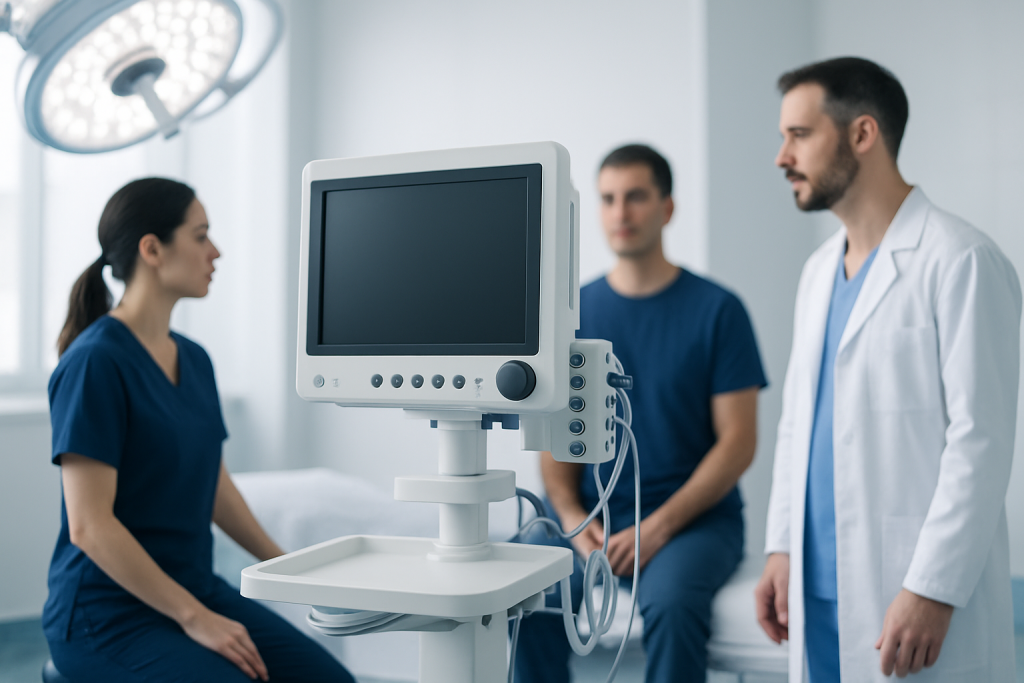
A person may be a good candidate for hydrocelectomy if they have a confirmed hydrocele that is causing symptoms or concern. Common reasons for surgery include persistent scrotal enlargement, a feeling of heaviness, discomfort when walking or exercising, irritation from clothing, or swelling that interferes with sexual activity or self-examination. Some patients also choose surgery when the hydrocele is visibly large or keeps increasing in size.
Doctors may also recommend surgery when the diagnosis is uncertain or when imaging suggests another issue should be excluded. A hydrocele itself is often benign, but the underlying reason for scrotal swelling matters. For example, clinicians may need to distinguish a hydrocele from an inguinal hernia or a separate testicular problem such as testicular cancer before planning treatment.
Not everyone needs an operation right away. Watchful waiting may be reasonable if the hydrocele is small, painless, stable, and clearly diagnosed. However, if there is pain, redness, fever, a sudden change in size, or swelling after injury, prompt medical review is important because these features may point to infection, bleeding, torsion, or another urgent condition.
Symptoms, causes, and related conditions

The most typical symptom of a hydrocele is painless swelling on one or both sides of the scrotum. Some people describe a sense of fullness or heaviness rather than pain. As the hydrocele grows, it may become uncomfortable when sitting, walking, exercising, or wearing fitted clothing. The amount of swelling can stay the same or change gradually over time.
Hydroceles can occur in infants when a channel between the abdomen and scrotum does not close as expected. In adults, they may appear without a clear reason, but they can also develop after inflammation, infection, injury, or surgery in the groin or scrotal area. Occasionally, a hydrocele forms alongside another issue, such as epididymal inflammation, testicular inflammation, or an inguinal hernia.
Because hydrocele symptoms overlap with other causes of scrotal swelling, evaluation matters. Related concerns can include varicocele, hernia, epididymitis, or a testicular lump. In some cases, the same urology assessment that confirms a hydrocele may also review broader options in urology care if another condition is present or if several problems need treatment planning together.
How hydrocelectomy is diagnosed and planned
Diagnosis begins with a medical history and physical examination. The doctor asks when the swelling started, whether it has changed, and whether there is pain, fever, trauma, urinary symptoms, or any prior surgery in the area. On examination, a hydrocele often feels like a smooth fluid-filled swelling around the testicle, but the clinician still needs to confirm that the testicle itself can be assessed properly.
An ultrasound of the scrotum is commonly used because it can show fluid around the testicle and help rule out other conditions. Ultrasound is painless and does not use radiation. It is especially useful if the swelling is large, if the testicle is hard to examine, or if there is any concern about a hernia, inflammation, bleeding, or a mass.
Before surgery, the team also reviews the person’s general health, medicines, allergies, and anesthesia considerations. Blood tests or other preoperative checks may be needed depending on age and medical history. Patients are usually told when to stop eating or drinking before the procedure and whether blood thinners or certain other medicines should be adjusted temporarily under medical guidance.
Hydrocelectomy procedure steps: how the operation works
Hydrocelectomy is usually performed under general anesthesia, although in selected cases regional or local anesthesia with sedation may be considered. The procedure is often done as day surgery, meaning the patient goes home the same day if recovery is smooth. The exact technique depends on the hydrocele’s size, location, and whether it communicates with the abdomen.
In a typical adult hydrocelectomy, the surgeon makes a small incision in the scrotum or sometimes in the groin. The hydrocele sac is opened, the fluid is drained, and the sac is either removed in part or folded and stitched in a way that reduces the chance of fluid collecting again. The testicle is preserved, and the tissues are carefully closed after bleeding is controlled.
In children, the approach may be through the groin if the hydrocele is communicating, because the connecting passage often needs to be closed in a similar way to hernia repair. A dressing may be applied, and some patients are given supportive underwear or a scrotal support afterward. For patients discussing procedural details, risks, and individualized planning, the main treatment pathway is hydrocelectomy.
Needle drainage alone is generally not the standard long-term solution because fluid can return, and there may be a risk of infection or recurrence. In certain people who are not suitable for surgery, aspiration with or without another measure may be discussed, but hydrocelectomy remains the more definitive option for many adults with bothersome hydroceles.
Recovery timeline, benefits, and possible risks
Most patients go home on the day of surgery once they are awake, comfortable, and able to pass urine if required by the care team. Mild to moderate soreness, swelling, bruising, and a pulling sensation are common in the first few days. These symptoms usually improve steadily. Keeping the area supported, resting, and following instructions about wound care can make recovery more comfortable.
Many people can return to desk work and light daily activities within several days to one to two weeks, depending on the operation and the nature of their work. More strenuous exercise, heavy lifting, cycling, and sexual activity usually need to wait longer, often until the surgeon confirms healing is progressing well. Full settling of scrotal swelling may take a few weeks, and temporary firmness in the area can persist for some time.
The main benefits of hydrocelectomy are reduced swelling, relief of heaviness or discomfort, easier movement, and improved quality of life. It can also help restore confidence in self-examination and make follow-up easier if the testicle was previously hard to feel. When another groin issue is present at the same time, a surgeon may discuss whether related treatment such as hernia repair is also relevant.
As with any operation, there are risks. These may include bleeding, infection, fluid reaccumulation, wound problems, persistent swelling, scrotal hematoma, reaction to anesthesia, or recurrence of the hydrocele. Less commonly, nearby structures can be affected. Although serious complications are uncommon, patients should understand both benefits and risks and follow their surgeon’s instructions closely after the procedure.
Self-care after surgery and ways to support healing
After hydrocelectomy, simple self-care measures usually play an important role in comfort and healing. Patients are often advised to rest for the first day or two, wear supportive underwear or a scrotal support, and keep the incision clean and dry according to the surgeon’s instructions. Using prescribed or recommended pain relief appropriately can help maintain mobility and rest.
Cold packs may be suggested for short periods in the first 24 to 48 hours if approved by the care team, but ice should not be placed directly on the skin. Gentle walking is often encouraged to promote circulation, while heavy lifting, gym workouts, and vigorous activity are usually avoided until cleared medically. It is also sensible to avoid driving until the patient is comfortable, alert, and no longer limited by pain or sedating medicines.
There is no guaranteed way to prevent every hydrocele, especially when one develops without a clear trigger. However, prompt care for scrotal pain, infection, groin swelling, or injury may reduce delays in diagnosis and treatment. For international patients who need coordinated evaluation and surgery, Acibadem International’s multidisciplinary specialists and JCI-accredited hospitals diagnose and treat hydroceles with individualized planning.
When to seek medical care
Medical care should be sought if there is a new or enlarging swelling in the scrotum, even if it is painless. A hydrocele is often benign, but the same symptom can appear with hernia, infection, inflammation, bleeding, or a testicular condition that needs different treatment. Early evaluation helps confirm the cause and guide the safest next step.
Urgent medical attention is especially important if scrotal swelling is accompanied by sudden severe pain, redness, warmth, fever, nausea, vomiting, or swelling after an injury. After surgery, patients should contact their doctor promptly if they develop increasing pain, heavy bleeding, pus-like drainage, worsening swelling, trouble passing urine, or signs of infection such as fever. Any concern about healing or recurrence is a good reason to arrange follow-up rather than waiting.
Frequently asked questions
Is hydrocelectomy the only treatment for a hydrocele?
No. Some hydroceles can be monitored if they are small, painless, and clearly diagnosed. Surgery is usually considered when the swelling is persistent, large, uncomfortable, or uncertain in cause.
How long does it take to recover from hydrocelectomy?
Initial recovery is often fairly quick, and many people return to light activities within days to one or two weeks. Swelling and firmness can take several weeks to settle fully, and strenuous exercise usually needs to wait until the surgeon says it is safe.
Is hydrocelectomy painful?
The procedure itself is done with anesthesia, so the patient should not feel pain during surgery. Afterward, mild to moderate discomfort, swelling, or bruising is common, but it usually improves with rest, support, and prescribed pain relief.
Can a hydrocele come back after surgery?
Recurrence is possible, although hydrocelectomy is generally considered a definitive treatment. The chance of recurrence varies by the type of hydrocele, surgical technique, and individual healing factors.
Will hydrocelectomy affect fertility or sexual function?
For most patients, hydrocelectomy does not cause long-term problems with sexual function or fertility. However, every operation has risks, and the surgeon will explain uncommon complications that could affect nearby structures.
How do doctors confirm that scrotal swelling is a hydrocele?
Doctors usually use a combination of physical examination and scrotal ultrasound. Ultrasound helps show the fluid around the testicle and can rule out other causes such as hernia, inflammation, or a mass.
References
- American Urological Association
- European Association of Urology
- National Institute of Diabetes and Digestive and Kidney Diseases
- Urology Care Foundation
- NHS
This article is for general information only and is not a substitute for professional medical advice. Please consult a qualified doctor about your individual situation.
Explore treatments in Turkey — costs, top hospitals & a free quote
JCI-accredited · board-certified surgeons · reply within 24h
Add us as a Preferred Source to see more of our trusted health content across Google Search, AI Overviews and Discover.