Hydrocolloid Bandages: What Patients Need to Know

Hydrocolloid bandages absorb light to moderate wound drainage and create a moist healing environment. They are often used for blisters, superficial wounds, and some pressure injuries, but not for heavily infected or very deep wounds.
Key Takeaways
- Hydrocolloid bandages absorb light to moderate wound drainage and create a moist healing environment.
- They are often used for blisters, superficial wounds, and some pressure injuries, but not for heavily infected or very deep wounds.
- A white or gel-like material under the dressing can be normal and does not always mean infection.
- The bandage should be changed if it leaks, lifts, becomes very swollen, or as advised by a clinician.
- Medical advice is important if a wound is worsening, very painful, has spreading redness, or does not improve.
Hydrocolloid bandages are special wound dressings that form a moist, protected environment to help many minor wounds heal. They can be useful for blisters, shallow cuts, and some pressure-related skin injuries, but they are not right for every wound.
Overview: What Hydrocolloid Bandages Do
Hydrocolloid bandages are adhesive wound dressings designed to keep a wound protected and slightly moist while it heals. They contain materials that interact with wound fluid to form a soft gel, which helps cushion the area and supports the body’s natural repair process. For many patients, they are best known as blister bandages, but they are also used in broader wound care.
Unlike a simple dry gauze dressing, a hydrocolloid dressing seals the skin surface from outside friction, dirt, and bacteria exposure. This can make the wound more comfortable and reduce repeated trauma from clothing or movement. Because the dressing often stays in place for longer than standard bandages, it may also reduce the need for frequent dressing changes.
Hydrocolloid bandages are most suitable for selected wounds, not every wound. They are commonly used for superficial cuts, abrasions, minor burns, blisters, and some pressure injuries with light to moderate drainage. They are generally not the first choice for wounds with heavy drainage, exposed deeper tissue, or clear signs of infection.
How They Work and When They Are Used

The main purpose of hydrocolloid bandages is to support moist wound healing. A moist healing environment can help skin cells move across the wound surface more efficiently than if the area repeatedly dries out and forms a hard scab. The dressing also provides a barrier against rubbing, which is one reason it is popular for foot blisters and pressure-prone areas.
When the dressing meets wound fluid, it may swell slightly and turn whitish or yellowish underneath. This is often the gel formed by the dressing materials mixing with normal drainage. Patients sometimes mistake this for pus, but appearance alone is not enough to diagnose infection. The overall condition of the skin, pain level, odor, swelling, and redness matter more.
Common uses include:
- Blisters caused by friction
- Superficial abrasions and minor cuts
- Shallow pressure injuries
- Some postoperative wounds, if advised by a clinician
- Areas that need protection from rubbing or moisture loss
Some wounds need a different approach. For example, diabetic foot wounds, circulation-related ulcers, or wounds that are not healing as expected should be assessed professionally. In those situations, a doctor may consider more specialized wound care depending on the wound type and the person’s overall health.
Benefits and Possible Limitations
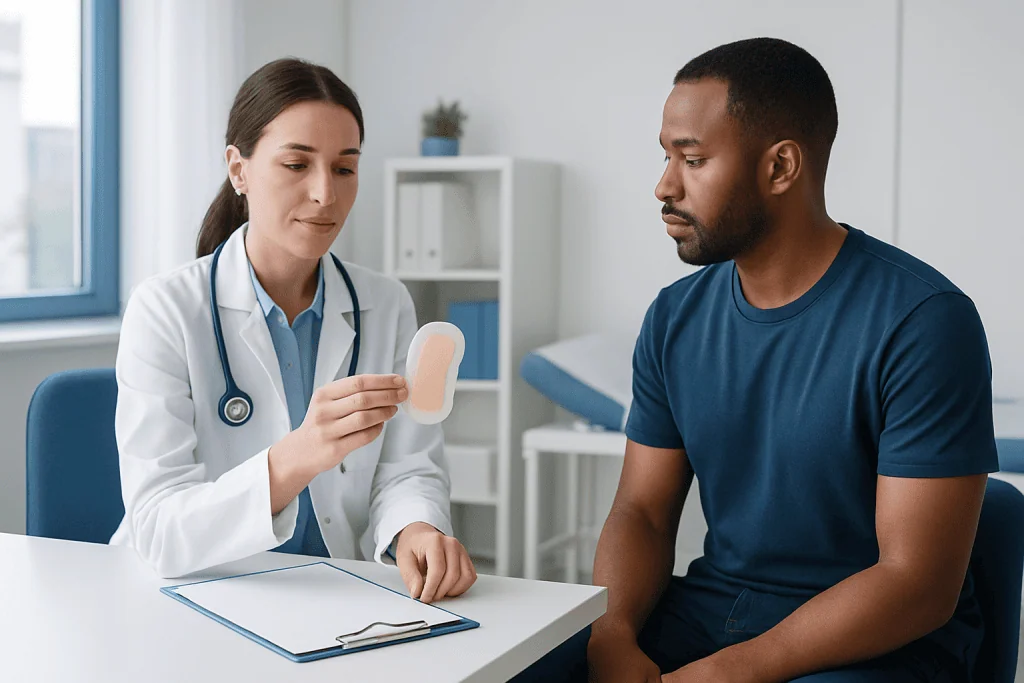
One practical benefit of hydrocolloid bandages is comfort. They are flexible, often water-resistant, and can stay on for several days if the wound is appropriate and the dressing remains well sealed. This may make day-to-day life easier, especially for areas exposed to friction such as the heel, toes, or hands.
Another advantage is protection. The dressing cushions the wound, reduces contact with outside irritants, and may lower pain from rubbing. Because it maintains moisture, it can also help support the removal of small amounts of dead tissue in certain superficial wounds. For some patients, this can improve the wound bed and support healing.
Still, hydrocolloid bandages have limitations. They are not ideal for wounds with heavy drainage because excess fluid can overwhelm the dressing and cause leakage or skin irritation. They also may not be suitable for fragile surrounding skin, wounds with tunneling, or wounds where close daily inspection is necessary.
Patients with complex conditions should be especially cautious. A slow-healing wound may be linked to an underlying issue such as poor circulation, pressure injury, or infection rather than the dressing itself. If a wound is recurring or difficult to manage, a clinician may also evaluate related concerns such as diabetic foot or other chronic wound causes.
How to Apply and Remove a Hydrocolloid Dressing
Before applying a hydrocolloid bandage, the wound and surrounding skin should be gently cleaned as advised by a healthcare professional or according to product instructions. The skin around the wound should be dry so the adhesive can seal properly. The dressing should usually extend beyond the wound edges onto intact skin.
It is important not to stretch the dressing too tightly when placing it, especially over joints or delicate skin. Pressing the edges gently can improve the seal. Once in place, the dressing should generally be left undisturbed unless it begins to lift, leak, or cause discomfort. Frequent unnecessary changes can interrupt healing.
Removing the dressing slowly helps reduce skin irritation. Peeling it back gently while supporting the surrounding skin is often more comfortable than pulling it straight up. If the dressing is strongly adhered, warm water or a clinician-recommended adhesive remover may help. Patients should avoid forceful removal, particularly if the skin is thin, inflamed, or healing from a recent procedure.
After removal, the wound should be checked for changes such as increasing redness, swelling, unusual odor, or worsening pain. If the wound appears deeper, larger, or more inflamed than before, it is sensible to pause self-treatment and seek medical advice.
When Hydrocolloid Bandages Should Not Be Used
Although hydrocolloid bandages are useful, they are not appropriate for every situation. A wound that is actively infected or strongly suspected to be infected usually needs medical review rather than simple self-care. Covering a worsening wound without proper assessment can delay the right treatment.
These dressings are often avoided for:
- Heavily draining wounds
- Deep wounds with exposed fat, muscle, tendon, or bone
- Bites or puncture wounds
- Wounds with spreading redness, increasing warmth, or significant swelling
- Burns beyond minor superficial burns
- Very fragile skin that may be damaged by adhesive removal
Patients with diabetes, immune suppression, poor circulation, or reduced sensation in the feet should be more careful with any wound dressing. In these cases, even a small wound can become more serious if not monitored closely. A clinician may recommend a different dressing or further testing if healing is delayed.
In some cases, a wound may be linked to pressure damage, circulation problems, or inflammatory skin disease rather than simple friction. If that is suspected, a healthcare team may look beyond routine bandaging and consider broader management, including evaluation for pressure sores or referral to the appropriate specialty.
Signs of Normal Healing vs. Signs of a Problem
Many patients feel uncertain when they first use hydrocolloid bandages because the dressing changes appearance over time. Mild swelling of the dressing, a cloudy white center, or a soft gel under the bandage can all occur during normal use. These changes usually reflect absorbed wound fluid rather than a complication.
Normal healing often includes gradually less pain, stable or improving skin color around the wound, and a wound that is becoming smaller or less tender. The surrounding skin should not become increasingly red or hot. If the dressing remains sealed and the wound is improving, this is generally reassuring.
Warning signs include worsening pain, spreading redness, increasing swelling, foul odor, fever, pus-like drainage, or the wound becoming larger instead of smaller. Skin irritation from the adhesive can also develop, especially if dressings are changed too often or removed roughly. In that case, a different type of dressing may be needed.
Some patients with difficult or slow-healing wounds may benefit from specialist assessment, imaging, or procedures tailored to the wound cause. Depending on the clinical picture, management may involve infection treatment, pressure relief, or more advanced wound debridement to remove unhealthy tissue.
Self-care Tips and Practical Use at Home
Hydrocolloid bandages work best when part of a thoughtful wound-care routine. Patients should choose the right size so the dressing covers the wound with a margin onto healthy skin. Keeping the area clean, limiting friction, and avoiding picking at the dressing can help the wound heal with less irritation.
At home, it helps to watch how much fluid the wound produces. If the dressing fills quickly, leaks, or loosens early, the wound may be producing too much drainage for a hydrocolloid product. The surrounding skin should also be checked for maceration, which can look pale, soggy, or over-softened from excess moisture.
General measures that support healing include good nutrition, managing blood sugar when relevant, staying hydrated, and reducing pressure on the injured area. For foot blisters or heel wounds, changing shoes, socks, or walking habits may be just as important as the dressing itself. Preventing repeated friction can stop the wound from reopening.
If a wound is persistent or recurs often, it may need a more detailed evaluation. Near the end of a patient’s care journey, it can be reassuring to know that Acibadem International’s multidisciplinary specialists and JCI-accredited hospitals evaluate and treat wound-related conditions for international patients when more advanced assessment is needed.
When to Seek Medical Care
Patients should seek medical care if a wound becomes more painful, more red, more swollen, or starts to drain material that looks or smells unusual. Fever, chills, red streaking, or a wound that is not improving over several days are also reasons to contact a healthcare professional. These signs may suggest infection or another issue that needs treatment beyond a simple dressing.
Prompt medical review is especially important for wounds in people with diabetes, poor circulation, immune system problems, or reduced feeling in the feet or hands. The same is true for wounds caused by pressure, surgery, animal bites, or burns beyond a minor surface injury. A clinician can help decide whether the wound needs a different dressing, antibiotics, pressure relief, or other care.
If the wound repeatedly opens, remains deep, or heals very slowly, specialist evaluation may be helpful. Depending on the cause, care can involve specialties such as dermatology, surgery, internal medicine, or rehabilitation, and selected patients may need structured hyperbaric oxygen therapy or other advanced support.
Frequently asked questions
What are hydrocolloid bandages used for?
Hydrocolloid bandages are used for selected superficial wounds, including blisters, minor abrasions, shallow cuts, and some pressure-related skin injuries. They help protect the area and keep the wound environment moist, which can support healing.
How long can a hydrocolloid bandage stay on?
Many hydrocolloid dressings can stay on for several days if they remain well sealed and the wound is suitable for that type of dressing. The exact timing depends on the product, the amount of drainage, and advice from a healthcare professional.
Is the white gel under a hydrocolloid dressing normal?
Yes, a white or yellowish gel-like appearance under the dressing is often normal. It usually forms when the dressing absorbs wound fluid, although worsening pain, odor, redness, or swelling should still be checked by a clinician.
Can hydrocolloid bandages be used on infected wounds?
They are generally not the first choice for a clearly infected wound unless a clinician specifically advises their use in a treatment plan. Suspected infection usually needs medical assessment to decide whether cleaning, antibiotics, or another dressing is more appropriate.
Are hydrocolloid bandages good for blisters?
Yes, they are commonly used for friction blisters because they cushion the area and reduce rubbing. They can also make walking or daily activities more comfortable while the skin heals.
Do hydrocolloid bandages speed up healing?
They can support healing by maintaining a moist, protected environment and reducing repeated irritation. However, healing also depends on the type of wound, location, overall health, and whether there is an underlying problem such as pressure or poor circulation.
This article is for general information only and is not a substitute for professional medical advice. Please consult a qualified doctor about your individual situation.
Explore treatments in Turkey — costs, top hospitals & a free quote
JCI-accredited · board-certified surgeons · reply within 24h
Add us as a Preferred Source to see more of our trusted health content across Google Search, AI Overviews and Discover.

More from the Health Library

Burdock Root: An Evidence-Based Guide for Patients

Avoidant Attachment: A Complete Medical Overview

Fig Bars: A Complete Medical Overview

Allergy Eye Drops: An Evidence-Based Guide for Patients

Antihistamine for Stress Hives — Explained by Medical Evidence, Not Myths