Normal Limit of Blood Sugar: What Patients Need to Know

Blood sugar is interpreted differently when fasting, before meals, and after eating. A single reading does not always diagnose diabetes; patterns and laboratory tests matter.
Key Takeaways
- Blood sugar is interpreted differently when fasting, before meals, and after eating.
- A single reading does not always diagnose diabetes; patterns and laboratory tests matter.
- Prediabetes means blood sugar is higher than normal but not yet in the diabetes range.
- Food, exercise, stress, illness, sleep, and medicines can all affect glucose levels.
- People with symptoms of very high or very low blood sugar should seek medical advice promptly.
The normal limit of blood sugar depends on when the blood sample is taken. In most non-pregnant adults, fasting blood sugar is usually 70-99 mg/dL, and a level below 140 mg/dL two hours after a meal is generally considered normal.
Overview: what is the normal limit of blood sugar?
The normal limit of blood sugar refers to the healthy range of glucose in the bloodstream. Glucose is the body’s main source of energy, and levels naturally rise and fall during the day depending on meals, activity, sleep, stress, and overall health. Because of this, there is not just one “normal” number; the correct range depends on when the test is done.
For most non-pregnant adults, a fasting blood sugar level of 70-99 mg/dL is generally considered normal. A blood sugar level below 140 mg/dL two hours after eating is also usually considered normal. A random blood sugar result can be harder to interpret on its own, so doctors often look at symptoms and use additional tests such as HbA1c to understand the bigger picture.
If fasting blood sugar is 100-125 mg/dL, this may suggest prediabetes. A fasting level of 126 mg/dL or higher on repeat testing may indicate diabetes. These cutoffs can differ in special situations, such as pregnancy, serious illness, or in people already diagnosed with diabetes, so results should always be interpreted by a qualified clinician.
How blood sugar is measured and why timing matters
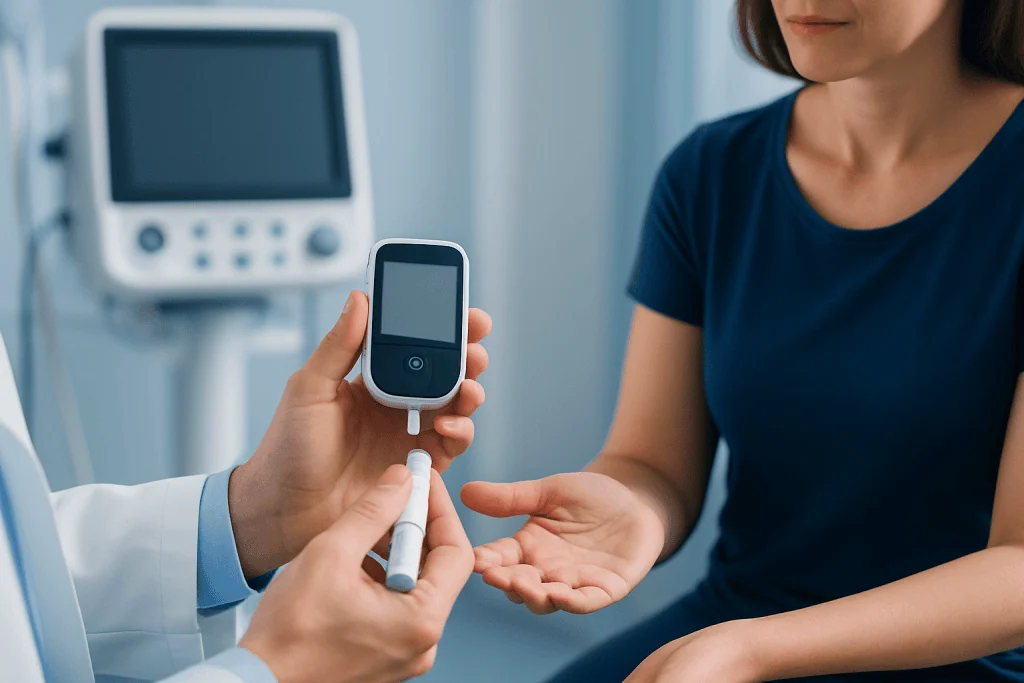
Blood sugar can be measured in several ways. A fasting plasma glucose test is done after not eating for at least 8 hours. A post-meal or postprandial reading looks at blood sugar after eating, often two hours later. A random glucose test may be done at any time of day, while HbA1c estimates average glucose levels over about the previous 2 to 3 months.
Timing matters because blood sugar normally changes throughout the day. After a meal, glucose rises as carbohydrates are digested and absorbed. Insulin then helps move glucose from the bloodstream into the body’s cells. In a healthy system, this rise is controlled and temporary.
Doctors often use these common reference points for adults:
- Fasting: 70-99 mg/dL is generally normal
- 2 hours after eating: below 140 mg/dL is generally normal
- HbA1c: below 5.7% is generally normal
- Prediabetes: fasting 100-125 mg/dL or HbA1c 5.7%-6.4%
- Diabetes: fasting 126 mg/dL or higher on repeat testing, HbA1c 6.5% or higher, or a random glucose of 200 mg/dL or higher with classic symptoms
Home glucose meters and continuous glucose monitors can be useful, especially for people living with diabetes, but they are not exactly the same as laboratory testing. Small differences can happen because of device accuracy, hand contamination, test strip problems, dehydration, or circulation issues.
What can make blood sugar go up or down?

Blood sugar is influenced by many everyday factors. Meals rich in refined carbohydrates or sugary drinks can cause a faster rise. Physical activity usually lowers blood sugar by helping muscles use glucose more efficiently, although intense exercise may sometimes raise it briefly in some people.
Stress hormones, poor sleep, infection, fever, and some medications can also raise blood sugar. Examples include corticosteroids and certain medicines used for mental health conditions or transplant care. On the other hand, skipped meals, alcohol, some diabetes medications, or prolonged exercise can lower blood sugar too much.
Age, body weight, family history, and conditions that affect hormones or the pancreas may also play a role. People with diabetes or prediabetes often have glucose patterns that remain higher than normal because the body is not making enough insulin, not using insulin well, or both.
It is also important to remember that one unusual result does not always mean disease. A temporary rise can happen during acute illness or stress. For this reason, doctors usually confirm abnormal results with repeat testing or with another type of glucose test.
Symptoms linked to high or low blood sugar
Mildly elevated blood sugar may cause no symptoms at all, which is why screening can be important. When symptoms do occur, they may include increased thirst, frequent urination, blurry vision, unusual tiredness, slower wound healing, and recurrent infections. These symptoms can develop gradually, especially in type 2 diabetes.
Very high blood sugar may cause nausea, vomiting, abdominal pain, fruity-smelling breath, confusion, or deep, rapid breathing. This needs urgent medical attention, especially in someone known to have diabetes. Severe hyperglycemia can become dangerous if not treated quickly.
Low blood sugar, or hypoglycemia, can cause sweating, shakiness, hunger, headache, dizziness, irritability, palpitations, trouble concentrating, or weakness. If blood sugar drops further, confusion, seizures, or loss of consciousness can occur. This is more common in people taking insulin or certain diabetes medicines, but it can have other causes as well.
Anyone with repeated symptoms should speak with a healthcare professional even if a single reading seems only mildly abnormal. Symptoms, medical history, and laboratory findings together give a more accurate answer than one number alone.
How doctors evaluate abnormal blood sugar results
If a blood sugar result is outside the normal range, the next step is usually to confirm what the result means. A doctor may ask about eating patterns, medications, sleep, weight changes, family history, and symptoms. They may also consider whether the test was done correctly and whether the person was truly fasting.
Common tests used to evaluate blood sugar include fasting plasma glucose, HbA1c, and sometimes an oral glucose tolerance test. In some cases, urine tests, kidney function tests, cholesterol levels, or tests of pancreatic function may also be advised. These help build a broader picture of metabolic health.
Evaluation does not stop at diagnosis. Doctors also assess whether there are related conditions such as high blood pressure, abnormal cholesterol, fatty liver disease, or cardiovascular risk. This matters because blood sugar is closely connected to overall metabolic health, not just diabetes alone.
If needed, patients may be referred for specialist care in endocrinology or nutrition. For some people, formal assessment may lead to guidance on insulin therapy or structured diabetes education, while others may only need lifestyle counseling and follow-up testing.
Treatment and management when blood sugar is not normal
Treatment depends on the cause and on how far the blood sugar is from the normal range. In prediabetes, management often focuses on lifestyle changes such as balanced nutrition, regular physical activity, weight management, and improving sleep habits. These steps can reduce the chance of progression to diabetes and improve overall health.
When diabetes is diagnosed, treatment may include meal planning, exercise, self-monitoring, oral medicines, non-insulin injectable therapies, or insulin. Care is individualized based on age, other medical conditions, pregnancy status, risk of low blood sugar, and personal treatment goals. Some people may need support from a dietitian, diabetes nurse educator, or endocrinologist.
People with high blood sugar caused by another condition may need treatment directed at the underlying problem. For example, managing hormonal disorders, reviewing medications, or addressing pancreatic disease can improve glucose control. In selected cases, doctors may recommend advanced options related to metabolic health, such as diabetes treatment programs or specialist assessment for metabolic surgery.
Near the end of the care pathway, some international patients choose centers that can coordinate multiple specialties. Acibadem International’s multidisciplinary specialists in JCI-accredited hospitals diagnose and treat glucose disorders and related metabolic conditions with individualized evaluation and follow-up.
Prevention and self-care for healthier glucose levels
Healthy blood sugar habits are useful for many people, not only those with diabetes. Eating regular meals with a balance of fiber, protein, and healthy fats may help reduce sharp glucose spikes. Choosing whole grains, vegetables, legumes, fruit in appropriate portions, and limiting highly processed sugary foods can support more stable levels.
Regular movement is also important. Walking after meals, strength training, and aerobic exercise can improve insulin sensitivity. Good sleep, stress management, and staying hydrated may also support healthier glucose regulation over time.
People who monitor glucose at home should learn proper technique. Washing and drying hands before testing, checking strip expiration dates, and keeping a record of readings can make results more reliable. It is also helpful to note whether a reading was fasting, before a meal, after a meal, during illness, or after exercise.
Routine screening may be recommended for adults with risk factors such as excess weight, family history of diabetes, prior gestational diabetes, polycystic ovary syndrome, high blood pressure, or abnormal cholesterol. Early detection creates an opportunity to manage metabolic syndrome and prevent complications before symptoms become more serious.
When to seek medical care
Medical advice is important if repeated fasting readings are above normal, if post-meal readings are consistently high, or if HbA1c suggests prediabetes or diabetes. People should also arrange medical review if they have symptoms such as increased thirst, frequent urination, unexplained weight loss, blurred vision, fatigue, or recurrent infections.
Urgent care is needed if symptoms of very high or very low blood sugar appear. Warning signs include confusion, fainting, severe weakness, vomiting, dehydration, seizures, chest pain, trouble breathing, or inability to keep fluids down. These symptoms should not be ignored, especially in someone with known diabetes or who uses glucose-lowering medication.
Pregnant women, children, older adults, and people with chronic kidney disease, liver disease, or endocrine disorders may need more individualized targets and closer follow-up. A clinician can explain what blood sugar range is appropriate for the person’s age, health status, and treatment plan.
Frequently asked questions
What is the normal limit of blood sugar in the morning?
For most non-pregnant adults, a fasting morning blood sugar of 70-99 mg/dL is generally considered normal. The test is usually done after not eating for at least 8 hours.
What blood sugar level is normal after eating?
A blood sugar level below 140 mg/dL about two hours after a meal is usually considered normal for most adults without diabetes. Results can vary depending on the meal, activity level, and individual health factors.
Is 110 mg/dL blood sugar normal?
It depends on when the test was taken. If 110 mg/dL is a fasting result, it is above the usual normal range and may fall into the prediabetes range; if it is a non-fasting reading after eating, it may be normal.
Can one high blood sugar reading mean diabetes?
Not always. Doctors usually confirm diabetes with repeat testing or with another test such as HbA1c, unless there is a clearly high random glucose level along with classic symptoms.
What is the difference between prediabetes and diabetes?
Prediabetes means blood sugar is higher than normal but not high enough to meet the criteria for diabetes. Diabetes means glucose levels are persistently high enough to increase the risk of health complications and usually requires structured long-term management.
How can someone keep blood sugar in the normal range?
Helpful steps include balanced meals, regular physical activity, healthy sleep, weight management, and following medical advice for any underlying conditions. People with diabetes may also need regular glucose monitoring and prescribed medication.
References
- American Diabetes Association
- National Institute of Diabetes and Digestive and Kidney Diseases
- Centers for Disease Control and Prevention
- World Health Organization
- Mayo Clinic
This article is for general information only and is not a substitute for professional medical advice. Please consult a qualified doctor about your individual situation.
Explore treatments in Turkey — costs, top hospitals & a free quote
JCI-accredited · board-certified surgeons · reply within 24h
Add us as a Preferred Source to see more of our trusted health content across Google Search, AI Overviews and Discover.

More from the Health Library



Related Specialists

Dyt. Ezgi Hazal Çelik
Nutrition & Diet
Dt. Selen Burçak Şimşek
Oral & Dental Health
Dt. Selin Sirkeci
Dentistry
Prof. Dr. Mehmet Ziya Özüer
Otorhinolaryngology