Hypertension Headache: Common Causes, Related Conditions, and When to See a Doctor

Most headaches are not caused by routine, mildly elevated blood pressure. A hypertension headache is more concerning when blood pressure is very high or rising quickly.
Key Takeaways
- Most headaches are not caused by routine, mildly elevated blood pressure.
- A hypertension headache is more concerning when blood pressure is very high or rising quickly.
- Severe headache with chest pain, shortness of breath, weakness, confusion, or vision changes needs urgent medical evaluation.
- Blood pressure should be measured properly before assuming headache is due to hypertension.
- Long-term blood pressure control helps reduce the risk of stroke, heart disease, kidney damage, and other complications.
A hypertension headache usually does not occur with mild or moderate high blood pressure, but a sudden or severe rise in blood pressure can be linked with headache and other warning signs. Understanding when headache is likely unrelated to blood pressure—and when it may signal an urgent problem—can help patients seek the right care promptly.
Overview: Can High Blood Pressure Cause a Headache?
A hypertension headache can happen, but it is not the most common explanation for head pain. In many people, everyday headaches are caused by tension, migraine, dehydration, poor sleep, infection, medication effects, eye strain, or other conditions rather than high blood pressure itself.
Headache becomes more relevant to blood pressure when the reading is very high, especially if it rises suddenly. In these situations, the body may not be able to regulate blood flow as effectively, and symptoms such as headache, nausea, dizziness, blurred vision, or confusion may appear. This is why clinicians pay close attention to headache that occurs together with markedly elevated blood pressure.
It is also important to avoid assuming the relationship works in only one direction. Pain, anxiety, and stress can temporarily raise blood pressure during a headache episode. That means a high reading taken during severe pain does not always prove that hypertension caused the headache.
A careful evaluation usually looks at both the blood pressure reading and the full clinical picture. If a person has repeated high readings or symptoms suggesting chronic hypertension, proper assessment is important to confirm the diagnosis and guide treatment.
What a Hypertension Headache May Feel Like
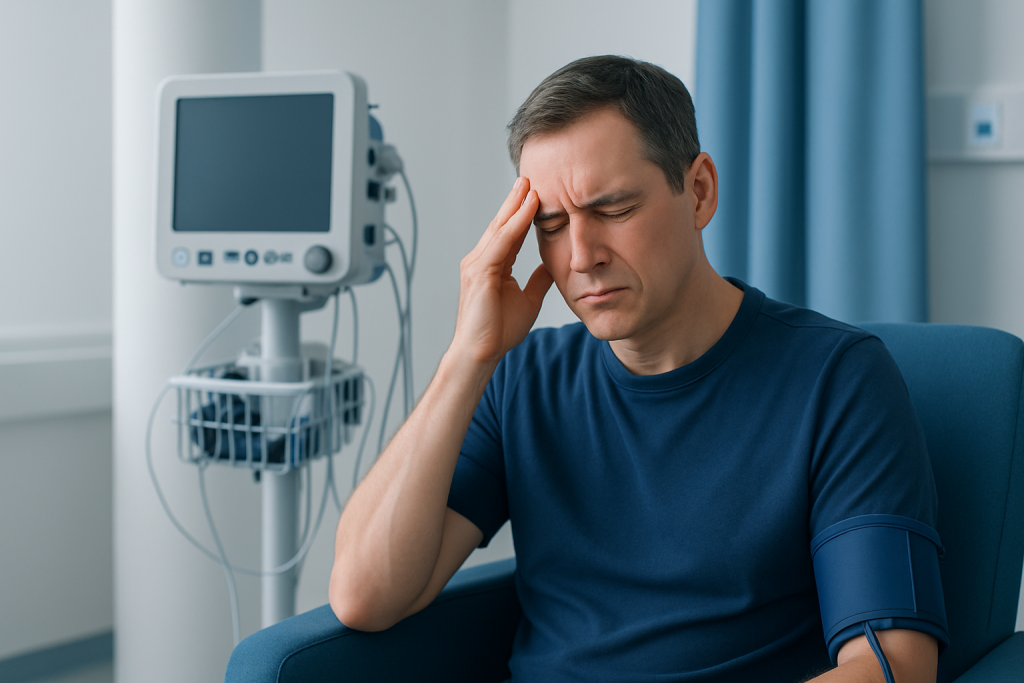
There is no single headache pattern that confirms high blood pressure as the cause. Some people describe a diffuse, throbbing, or pressure-like pain that affects both sides of the head. Others notice the discomfort more strongly in the morning, although this feature is not specific and can occur in many headache disorders.
When headache is related to severely elevated blood pressure, it may be accompanied by other symptoms that make the situation more concerning. These can include:
- Blurred vision or other visual changes
- Nausea or vomiting
- Dizziness or unsteadiness
- Chest pain
- Shortness of breath
- Confusion or reduced alertness
- Numbness, weakness, or difficulty speaking
By contrast, migraine often causes one-sided or pulsating pain, sensitivity to light or sound, and sometimes nausea or aura. Tension-type headache commonly feels like a tight band or pressure around the head. These patterns can overlap, so self-diagnosis is not always reliable.
Patients should also remember that a headache can be a symptom of serious neurologic conditions such as stroke in the right context, particularly when it starts suddenly or appears with weakness, facial drooping, speech changes, or vision loss.
Common Causes and Related Conditions

The most important distinction is between chronic high blood pressure and a sudden, severe elevation. Many people with long-standing hypertension have no symptoms at all, which is why it is often called a “silent” condition. A headache is more concerning when blood pressure reaches very high levels, especially during a hypertensive crisis.
A hypertensive urgency means the blood pressure is severely elevated without clear evidence of immediate organ damage, while a hypertensive emergency involves severe blood pressure elevation with signs that organs such as the brain, heart, kidneys, or eyes may be affected. In a hypertensive emergency, headache may occur alongside chest pain, breathing difficulty, severe neurologic symptoms, or vision changes and requires urgent treatment.
Other conditions can mimic or accompany a hypertension headache. These include migraine, tension headache, sinus disease, sleep apnea, medication overuse, kidney disease, hormonal disorders, and pregnancy-related conditions such as preeclampsia. Stimulants, some decongestants, excess alcohol, recreational drugs, and abrupt withdrawal from certain medications can also raise blood pressure and trigger headache.
Because headache and elevated blood pressure can occur together for many reasons, clinicians focus on the broader medical context. A person may need assessment for underlying heart or vascular risk, and in some cases further care may involve specialists in cardiology evaluation or neurology assessment depending on the symptoms.
Risk Factors That Make a Blood Pressure-Related Headache More Likely
Some factors increase the chance that a headache could be linked to dangerous blood pressure elevation rather than a routine headache disorder. These include known uncontrolled hypertension, not taking prescribed blood pressure medicines, kidney disease, diabetes, pregnancy, and a history of stroke or heart disease.
Lifestyle factors may also play a role. High salt intake, heavy alcohol use, stimulant use, tobacco exposure, obesity, and untreated sleep apnea can all contribute to elevated blood pressure. Emotional stress and pain may not cause chronic hypertension by themselves, but they can temporarily raise readings and complicate the picture during an acute headache episode.
Older adults and people with multiple cardiovascular risk factors deserve particular attention, but younger adults are not exempt. Sudden severe headache with very high blood pressure is always worth prompt evaluation, especially if it is different from the person’s usual headaches.
Pregnancy deserves special mention because headache with high blood pressure can be a warning sign of preeclampsia. Pregnant patients with headache, swelling, visual symptoms, upper abdominal pain, or elevated blood pressure should contact a doctor without delay.
How Doctors Diagnose the Cause
Diagnosis begins with a careful history and an accurate blood pressure measurement. Doctors usually ask when the headache started, how severe it is, whether it came on suddenly or gradually, and whether there are warning signs such as vision changes, confusion, chest pain, weakness, fever, or neck stiffness. They also review medicines, caffeine and alcohol use, pregnancy status, and any past history of migraine or hypertension.
Blood pressure should be measured correctly, ideally after a few minutes of rest and with a properly fitting cuff. One high reading during pain or anxiety may not be enough to diagnose chronic hypertension. Repeated measurements, home blood pressure monitoring, or ambulatory monitoring may be recommended if long-term high blood pressure is suspected.
If symptoms suggest a hypertensive emergency or another serious condition, urgent tests may be needed. Depending on the situation, these can include blood tests, urine tests, an electrocardiogram, eye examination, and brain imaging such as MRI or other scans to look for stroke, bleeding, or other neurologic causes.
The goal is not only to identify whether blood pressure is involved, but also to rule out dangerous alternatives. This is especially important when the headache is sudden, unusually severe, or associated with neurologic or cardiovascular symptoms.
Treatment Options and Blood Pressure Control
Treatment depends on the cause. If a person has a common headache disorder and blood pressure is only mildly elevated, care may focus on hydration, rest, reviewing triggers, and appropriate headache treatment while blood pressure is monitored over time. If chronic hypertension is diagnosed, the main aim is long-term control to protect the heart, brain, kidneys, and eyes.
Doctors may recommend lifestyle changes such as reducing sodium intake, following a heart-healthy eating plan, maintaining a healthy weight, being physically active, limiting alcohol, avoiding tobacco, and improving sleep. Many patients also need medication. The exact treatment is individualized based on age, other health conditions, and how high the blood pressure is.
If there is severely elevated blood pressure with signs of organ involvement, urgent hospital treatment is required. In these cases, blood pressure should be lowered in a controlled medical setting rather than abruptly at home. Trying to self-treat a possible hypertensive emergency can be unsafe.
For patients needing specialized care, Acibadem International’s multidisciplinary specialists in JCI-accredited hospitals diagnose and treat hypertension, headache disorders, and related complications for international patients. When structural or vascular causes are suspected, additional assessment may involve advanced imaging or stroke-focused evaluation.
Prevention, Self-Care, and When to Seek Medical Care
The best way to reduce the risk of a hypertension headache is to manage blood pressure consistently. This includes taking prescribed medicines as directed, checking blood pressure regularly if advised, attending follow-up appointments, and addressing lifestyle factors that contribute to hypertension. It also helps to identify personal headache triggers such as dehydration, skipped meals, poor sleep, or medication overuse.
At home, a person with headache should rest, drink water if dehydration is possible, and recheck blood pressure calmly after sitting quietly for several minutes. They should avoid taking extra blood pressure medicine unless a doctor has specifically instructed them to do so. Repeated very high readings should not be ignored.
Medical care should be sought promptly for headache with blood pressure that is severely elevated, especially when it occurs with chest pain, shortness of breath, weakness, numbness, confusion, fainting, seizure, or changes in vision or speech. Emergency care is also needed for a sudden “worst headache,” a thunderclap onset, or a new severe headache during pregnancy.
Even without emergency symptoms, a doctor should evaluate frequent headaches, newly elevated blood pressure, or headaches that are changing in pattern. Early assessment can help determine whether the problem is hypertension, a primary headache disorder, or another condition that needs treatment.
Frequently asked questions
Can mild high blood pressure cause headaches?
Usually, mild or moderately elevated blood pressure does not directly cause headache. Many people with hypertension have no symptoms. Headache becomes more concerning when blood pressure is very high or rises suddenly.
How do I know if my headache is from blood pressure?
There is no single symptom that proves a headache is caused by blood pressure. A blood pressure-related headache is more likely if the reading is severely high and the headache is accompanied by symptoms such as vision changes, chest pain, shortness of breath, confusion, or neurologic problems. A doctor can help determine the real cause.
What blood pressure level is considered dangerous with a headache?
A very high blood pressure reading together with headache can be dangerous, especially if there are additional symptoms suggesting organ involvement. Because risk depends on the overall situation, not just the number, severe elevation with chest pain, weakness, trouble speaking, or visual changes should be treated as urgent.
Should I go to the emergency room for a hypertension headache?
Emergency evaluation is appropriate if headache occurs with severely elevated blood pressure and warning signs such as chest pain, shortness of breath, weakness, confusion, fainting, seizure, or vision changes. A sudden thunderclap headache also needs urgent assessment. It is safer to seek prompt care than to assume the symptoms will pass.
Can anxiety raise blood pressure during a headache?
Yes. Pain, stress, and anxiety can temporarily increase blood pressure during a headache episode. That is why one high reading during severe discomfort does not always mean hypertension caused the headache or that chronic hypertension is present.
Will lowering blood pressure make the headache go away?
If the headache is truly related to severe blood pressure elevation, proper medical treatment may help as the blood pressure is controlled. However, many headaches have other causes and need a different approach. A clinician can decide whether headache treatment, blood pressure management, or both are needed.
References
- American Heart Association
- Centers for Disease Control and Prevention
- National Heart, Lung, and Blood Institute
- Mayo Clinic
- World Health Organization
This article is for general information only and is not a substitute for professional medical advice. Please consult a qualified doctor about your individual situation.
Hypertension in Turkey — costs, top hospitals & a free quote
JCI-accredited · board-certified surgeons · reply within 24h
Add us as a Preferred Source to see more of our trusted health content across Google Search, AI Overviews and Discover.
Check your numbers in seconds
BMI, calories, due date, blood pressure and 30+ more clinical calculators — free, instant, doctor-reviewed ranges.

More from the Health Library



Related Specialists

Prof. Dr. Mehmet Ali Şehitoğlu
Otorhinolaryngology
Prof. Dr. Atakan Yeşil
Gastroenterology
Dr. Murat Öksüz
Gastroenterology
Assoc. Prof. Dr. Pınar Kahraman Koytak
Neurology