Hyperthymesia: An Evidence-Based Guide for Patients

Hyperthymesia refers to highly superior autobiographical memory, especially for personal past events and dates. It does not mean perfect memory for everything, and it is different from photographic memory.
Key Takeaways
- Hyperthymesia refers to highly superior autobiographical memory, especially for personal past events and dates.
- It does not mean perfect memory for everything, and it is different from photographic memory.
- Diagnosis focuses on careful history, memory testing, and ruling out other neurological or mental health conditions.
- There is no standard medical cure, but support may help if memory intensity causes stress, anxiety, or sleep problems.
- A medical evaluation is important if unusual memory changes appear suddenly or are linked with other symptoms.
Hyperthymesia is a rare condition in which a person can recall an unusually large number of personal life events with striking detail. It mainly affects autobiographical memory, and while it may seem like a gift, it can also be emotionally tiring or interfere with daily life for some people.
What Hyperthymesia Means
Hyperthymesia is a rare ability to remember an unusually large number of personal experiences in vivid detail. A person with hyperthymesia may recall what happened on specific dates, what day of the week it was, and how they felt at the time. In medical literature, this is often called highly superior autobiographical memory, or HSAM.
This condition is centered on autobiographical memory, which means memory for one’s own life. It is not the same as having perfect memory for names, school facts, or every piece of information ever learned. Many people with hyperthymesia still forget routine details, and their memory strengths may be very uneven.
Hyperthymesia is uncommon and still being studied. Researchers do not fully understand why it happens, but it appears to involve a combination of memory processing, attention to personal events, and repetitive mental review of life experiences. Because it is rare, most information comes from detailed case studies rather than large clinical trials.
How It Differs From a “Perfect Memory”
People sometimes confuse hyperthymesia with photographic memory, eidetic memory, or simply being very intelligent. These are not the same. Hyperthymesia is specifically about recalling autobiographical events, especially events tied to dates and personal experiences.
For example, a person with hyperthymesia may quickly describe what happened on a birthday many years ago but may not necessarily remember a random shopping list or a textbook page. This distinction matters because it helps patients and families set realistic expectations about what the condition does and does not involve.
Another important point is that strong memory can have drawbacks. Some people with hyperthymesia describe persistent replay of unwanted memories, difficulty letting go of emotional events, or feeling mentally crowded by constant recollection. In this way, a remarkable memory can sometimes create real day-to-day challenges.
Possible Signs and Everyday Effects

The main feature of hyperthymesia is the ability to recall personal events with unusual accuracy and speed. A person may remember dates from childhood, conversations, travel days, school events, or family milestones without using notes or prompts. They may also automatically connect a date to a clear mental picture or emotional memory.
Not everyone experiences hyperthymesia in the same way. Some people find their memory ability interesting or helpful, while others say that memories come to mind automatically and can be hard to control. This can be tiring, especially when the memories involve grief, embarrassment, conflict, or other painful emotions.
Daily effects can include:
- Frequent mental replay of past personal events
- Strong attachment to dates and timelines
- Difficulty moving past upsetting experiences
- Distraction when memories arise during work or study
- Stress, anxiety, or sleep disruption in some individuals
These effects do not automatically mean a person has a mental illness. However, if memory intensity is causing distress, a clinical evaluation can help identify whether there are overlapping concerns such as anxiety, obsessive thinking, depression, or sleep problems.
What May Cause Hyperthymesia and Related Risk Factors
The exact cause of hyperthymesia is not known. Current evidence suggests that it is likely linked to how the brain encodes, organizes, and repeatedly reviews autobiographical information. Some researchers have explored whether certain brain regions involved in memory and emotional processing may function differently in people with this ability, but findings are still limited.
Another possible factor is habit. Some individuals with hyperthymesia appear to spend a great deal of time thinking about past events, reviewing dates, or mentally organizing memories. This does not mean the condition is “caused by overthinking,” but repeated rehearsal may strengthen autobiographical recall over time.
Doctors also consider whether there are related neuropsychiatric features, such as obsessive traits, anxiety, or very strong emotional associations with memory. Importantly, hyperthymesia itself is not the same as dementia or confusion. In fact, it should be distinguished from conditions that affect memory in the opposite direction, such as Alzheimer’s disease. A specialist may also want to rule out other brain or nervous system concerns when symptoms are unusual, especially through a structured neurology evaluation.
How Doctors Evaluate and Diagnose It
There is no single blood test or scan that proves hyperthymesia. Diagnosis is usually based on a detailed clinical history and specialized memory assessment. A doctor may ask the person to recall dated personal events and compare these with independent records when possible, such as diaries, calendars, school records, or family confirmation.
The evaluation may include questions about when the memory ability began, whether it has changed over time, and whether it causes distress. Doctors also ask about mood, anxiety, sleep, daily functioning, medications, head injury, seizures, or other neurological symptoms. This helps separate a longstanding memory trait from a new medical problem.
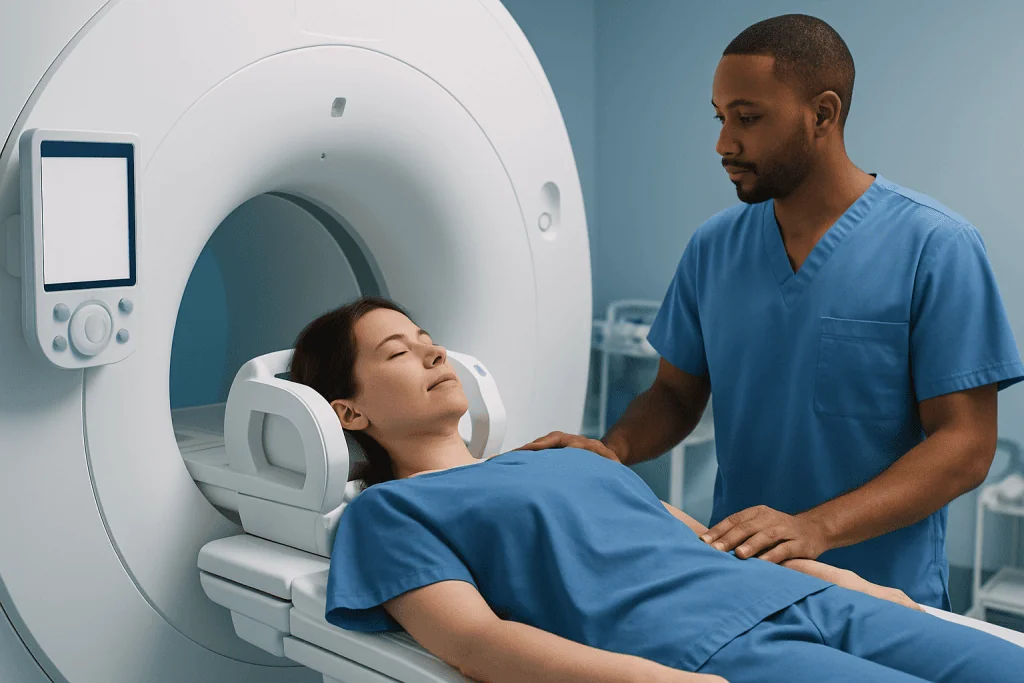
In some cases, a person may benefit from formal cognitive testing, which is often arranged through neuropsychological assessment. This can show which types of memory are unusually strong and whether other areas of thinking are typical. Depending on the situation, clinicians may also recommend MRI or other tests if there are warning signs suggesting another neurological condition.
Because hyperthymesia is rare, diagnosis should be careful and evidence-based. The goal is not simply to label strong memory, but to understand whether the person’s experience fits this uncommon pattern and whether any support is needed.
Treatment, Support, and Living Well With Hyperthymesia
There is no standard treatment designed to remove hyperthymesia, and many people do not need medical treatment at all. If the memory ability is not causing problems, reassurance and education may be enough. A clinician can explain how autobiographical memory differs from general memory and help the person understand their experience in a balanced way.
Support becomes more important when vivid recall causes stress, intrusive memories, sleep difficulties, anxiety, or low mood. In these cases, treatment is directed at the distress rather than the memory ability itself. This may include psychological support, stress-management strategies, sleep care, or treatment for coexisting mental health symptoms when appropriate.
Helpful day-to-day approaches may include:
- Keeping regular sleep and wake times
- Limiting overstimulation before bed
- Using mindfulness or grounding techniques when unwanted memories become intense
- Journaling in a structured way rather than reviewing memories repeatedly for long periods
- Seeking counseling if old memories trigger ongoing emotional pain
For people who want expert assessment, Acibadem International’s multidisciplinary specialists and JCI-accredited hospitals evaluate memory-related concerns for international patients and can coordinate neurological and psychological care when needed.
When to Seek Medical Care
A doctor should assess unusual memory symptoms if they are new, worsening, or interfering with daily life. This is especially important when strong memory recall is accompanied by confusion, headaches, seizures, changes in behavior, sleep disruption, low mood, panic, or obsessive thinking.
Medical care is also important if memory changes begin after a head injury, neurological illness, major emotional trauma, or a change in medication. Sudden cognitive changes are not typical of hyperthymesia and may point to another health issue that needs prompt attention.
Patients and families may benefit from specialist review if they are unsure whether the pattern reflects hyperthymesia or another memory condition. A careful assessment can clarify what is happening, provide reassurance when appropriate, and guide any needed treatment or follow-up.
Frequently asked questions
Is hyperthymesia the same as photographic memory?
No. Hyperthymesia mainly affects autobiographical memory, meaning memory for personal life events. Photographic or eidetic memory refers to a different idea and is not the same clinical phenomenon.
Does hyperthymesia mean a person remembers everything?
No. People with hyperthymesia usually have exceptional recall for their own past experiences, especially events linked to dates. They may still forget everyday information, facts, or tasks like anyone else.
Is hyperthymesia a disorder or a gift?
It can be experienced as either, depending on the person. Some people see it as a special ability, while others find that constant vivid recall is emotionally draining or distracting. A medical evaluation is most helpful when it causes distress or affects daily functioning.
Can hyperthymesia be treated?
There is no standard treatment to switch off hyperthymesia itself. Treatment focuses on related problems such as anxiety, intrusive memories, poor sleep, or emotional distress. Supportive care and counseling can be useful in these situations.
How do doctors test for hyperthymesia?
Doctors usually rely on detailed interviews, memory testing, and confirmation of past events when possible. They may also check for other neurological or mental health conditions to make sure the memory pattern is understood correctly.
Should someone worry if they suddenly notice unusual memory changes?
Yes, sudden or rapidly changing memory symptoms deserve medical attention. Hyperthymesia is generally described as a longstanding pattern rather than an abrupt new symptom. New memory changes may need evaluation for neurological, psychological, or medication-related causes.
This article is for general information only and is not a substitute for professional medical advice. Please consult a qualified doctor about your individual situation.
Explore treatments in Turkey — costs, top hospitals & a free quote
JCI-accredited · board-certified surgeons · reply within 24h
Add us as a Preferred Source to see more of our trusted health content across Google Search, AI Overviews and Discover.

More from the Health Library

Preventive Health Screenings by Age: What Adults Should Consider and When

Cold Sore: An Evidence-Based Guide for Patients

Baby Hair: An Evidence-Based Guide for Patients
Average walking speed: Charts, Averages, and What’s Normal

Kinesiology Tape Knee: What Patients Need to Know