Hypnagogia: What Patients Need to Know

Hypnagogia happens during the transition from being awake to falling asleep. Common experiences include sudden jerks, a feeling of falling, vivid imagery, sounds, or brief dream-like thoughts.
Key Takeaways
- Hypnagogia happens during the transition from being awake to falling asleep.
- Common experiences include sudden jerks, a feeling of falling, vivid imagery, sounds, or brief dream-like thoughts.
- Occasional hypnagogia is often normal, but recurrent episodes with daytime sleepiness or sleep paralysis may suggest a sleep disorder.
- Good sleep habits, stress management, and regular sleep schedules may reduce symptoms.
- A doctor may recommend further evaluation if episodes are frightening, frequent, or affect daily life.
Hypnagogia is the natural state between wakefulness and sleep. It can bring brief, vivid experiences such as falling sensations, muscle jerks, sounds, or images, and while it is often harmless, frequent or distressing episodes may need medical assessment.
Overview: what hypnagogia means
Hypnagogia is the short transition period between wakefulness and sleep. During this stage, the brain is not fully awake and not fully asleep, so a person may notice vivid sensory experiences, brief muscle jerks, or dream-like thoughts just as they are drifting off. In many people, these episodes are occasional and not a sign of disease.
Patients often describe hypnagogia as surprisingly real. They may see flashes of light, hear a voice or sound, feel as if they are falling, or suddenly jerk awake. Because these experiences can feel intense, they are sometimes confused with mental health problems, seizures, or serious neurological illness, but hypnagogia itself is usually a sleep-related phenomenon.
It is helpful to separate hypnagogia from normal dreaming. Dreams usually occur after sleep has started, while hypnagogic experiences happen at sleep onset. The person may still have some awareness of the room or environment, which can make the experience feel especially vivid.
What hypnagogia can feel like
Hypnagogia can involve several senses at once. Some people mainly notice visual experiences, such as shapes, shadows, faces, colors, or brief scenes. Others hear words, knocking, music, or a sudden sound that seems external but is generated by the brain as it shifts into sleep.
Physical sensations are also common. A person may feel a jolt, a floating sensation, a sense of falling, or a quick whole-body twitch known as a sleep start or hypnic jerk. These symptoms can happen alone or together and usually last only a short time.
Typical features may include:
- Vivid images or brief dream-like scenes
- Sounds such as voices, buzzing, or a bang-like noise
- A feeling of falling or floating
- Sudden muscle jerks at sleep onset
- A brief sense of confusion as sleep begins
- Occasionally, sleep paralysis occurring around the same time
Although the sensations may be unsettling, they are not always dangerous. What matters most is how often they happen, whether they are linked with poor sleep or daytime tiredness, and whether they come with other symptoms that suggest a broader sleep problem.
Why hypnagogia happens

Hypnagogia happens because the brain transitions gradually, not instantly, from wakefulness into sleep. During this handover, parts of the brain involved in sensory processing, movement, and dreaming may become active at different times. This mixed state can briefly produce vivid perceptions or body sensations before full sleep begins.
Several factors can make hypnagogic experiences more likely. Sleep deprivation is one of the most common. When a person is not getting enough rest, the brain may enter sleep more abruptly, increasing the chance of muscle jerks, vivid imagery, or other sleep-onset phenomena. Emotional stress, irregular sleep schedules, and fatigue can have similar effects.
Some episodes are associated with sleep disorders. Recurrent hypnagogic hallucinations, especially when combined with marked daytime sleepiness or episodes of muscle weakness triggered by emotion, may prompt doctors to evaluate for narcolepsy. Other sleep problems, anxiety, and certain medications or substances may also play a role. A clinician can help decide whether symptoms fit a benign pattern or deserve closer review.
Triggers and related conditions
Many patients notice that hypnagogia is more likely during periods of change or strain. Missing sleep, working night shifts, jet lag, excessive caffeine late in the day, alcohol use, or significant stress may make symptoms more noticeable. In some people, sleeping on the back seems to worsen associated sleep paralysis.
It is also important to understand what hypnagogia is not. It does not automatically mean a person has psychosis, dementia, or epilepsy. However, if unusual experiences happen fully during the day, occur without relation to sleep, or are accompanied by loss of awareness, a doctor may consider other causes and may evaluate related neurological conditions.
Hypnagogia can overlap with other sleep phenomena. For example, a person who wakes up unable to move may be experiencing sleep paralysis, which sometimes occurs near sleep onset or awakening. If symptoms are frequent, a sleep specialist may look for underlying sleep disorders that interfere with healthy sleep architecture.
How doctors evaluate hypnagogia
Diagnosis usually begins with a detailed history. The doctor asks what the person experiences, how often episodes occur, whether they happen only while falling asleep, and whether there is daytime sleepiness, snoring, witnessed pauses in breathing, or sudden weakness with emotion. This history often provides the most important clues.
Keeping a sleep diary can be very useful. Recording bedtimes, wake times, naps, caffeine use, alcohol intake, and episodes of hypnagogia may show patterns and triggers. In some cases, questionnaires about sleep quality or daytime drowsiness are used to guide next steps.
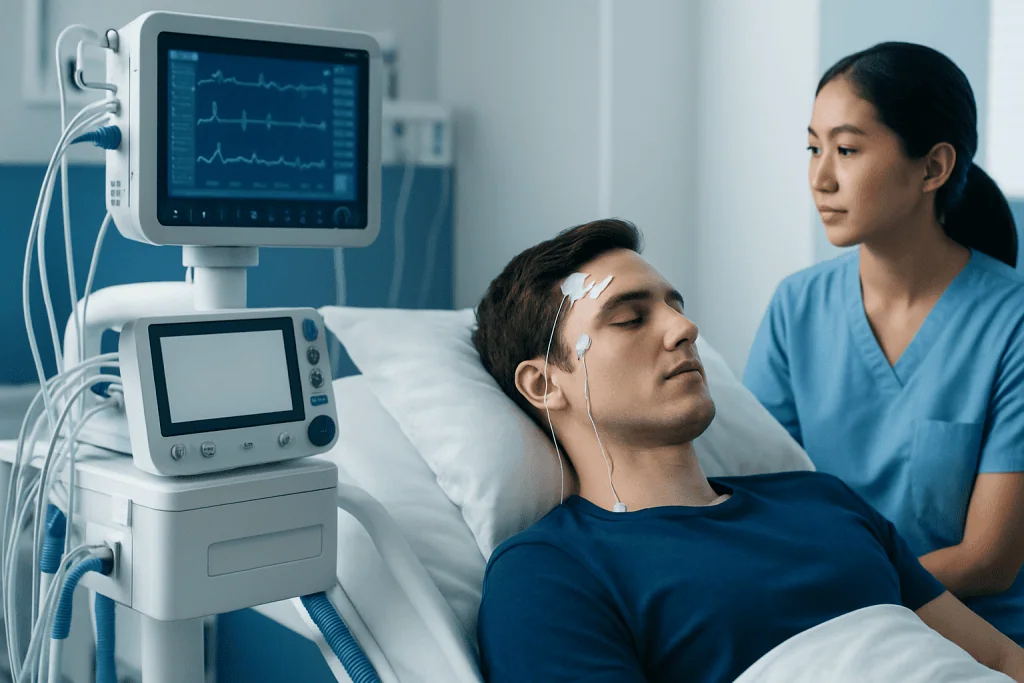
If symptoms suggest another sleep disorder, further testing may be considered. A doctor may recommend a formal sleep study to monitor brain waves, breathing, movement, and sleep stages overnight. When narcolepsy is suspected, specialized sleep testing can help clarify the diagnosis. The goal is not only to confirm what is happening at sleep onset, but also to identify treatable reasons for disrupted sleep.
Treatment and practical self-care
Treatment depends on the cause and on how much the symptoms affect daily life. When hypnagogia is occasional and not distressing, reassurance and sleep hygiene may be all that is needed. Many patients improve when they follow a more regular sleep-wake schedule, allow enough time for sleep, and reduce factors that fragment sleep.
Helpful self-care strategies include:
- Going to bed and waking up at consistent times
- Aiming for enough nightly sleep for age and lifestyle
- Reducing caffeine, nicotine, and alcohol, especially late in the day
- Managing stress with relaxation techniques, breathing exercises, or counseling if needed
- Creating a quiet, dark, comfortable sleep environment
- Discussing medications or supplements with a doctor if symptoms began after starting them
If hypnagogia is linked to an underlying sleep condition, treatment focuses on that condition. For example, symptoms may improve when sleep apnea, narcolepsy, or chronic insomnia is managed appropriately. A specialist may also advise behavioral sleep treatment, such as cognitive behavioral therapy, when poor sleep patterns or anxiety contribute to episodes.
For patients with frequent, complex, or disruptive symptoms, assessment by a neurologist or sleep physician can be helpful. Acibadem International’s multidisciplinary specialists in JCI-accredited hospitals diagnose and treat sleep-related conditions for international patients, including evaluation with neurology care when clinically appropriate.
When to seek medical care
Medical review is appropriate if hypnagogia happens often, causes significant fear, disrupts sleep, or affects concentration and safety during the day. It is especially important to seek help if episodes are accompanied by strong daytime sleepiness, sudden muscle weakness with laughter or emotion, repeated sleep paralysis, or witnessed breathing pauses during sleep.
A doctor should also assess symptoms that do not fit the usual pattern of sleep-onset experiences. Warning signs include episodes that occur well outside the sleep-wake transition, confusion that lasts, injuries from sudden movements, blackouts, or symptoms that suggest a seizure or another neurological condition. Children, older adults, and people with complex medical histories may benefit from earlier evaluation.
Patients do not need to wait until symptoms become severe to ask questions. A clear explanation can be reassuring, and early assessment may uncover treatable sleep issues before they affect mood, memory, work, driving, or overall well-being.
Frequently asked questions
Is hypnagogia normal?
Yes, hypnagogia can be a normal part of falling asleep. Many people have occasional vivid sensations, images, or muscle jerks at sleep onset without having a disease. It becomes more important to assess when it is frequent, frightening, or linked with daytime symptoms.
What is the difference between hypnagogia and dreaming?
Hypnagogia happens as a person is transitioning from wakefulness into sleep. Dreams usually occur after sleep has begun, often later in more established sleep stages. During hypnagogia, a person may still feel partly aware of the room around them.
Can hypnagogia cause hallucinations?
Yes, hypnagogia can include brief hallucination-like experiences, such as seeing shapes, hearing sounds, or feeling movement. These are called hypnagogic hallucinations and are related to sleep onset. They are different from hallucinations that happen fully during wakefulness.
Is hypnagogia linked to narcolepsy?
It can be. Hypnagogic hallucinations are more common in people with narcolepsy, especially when they occur together with severe daytime sleepiness or sleep paralysis. However, many people with hypnagogia do not have narcolepsy.
How can someone reduce hypnagogia episodes?
Regular sleep habits often help. Getting enough sleep, keeping a consistent schedule, reducing late caffeine or alcohol, and managing stress may make episodes less frequent. If symptoms continue, a doctor can check for an underlying sleep disorder.
When should a person worry about hypnagogia?
A person should seek medical advice if episodes are frequent, very distressing, or affect daytime function. Medical review is also important if there is excessive daytime sleepiness, repeated sleep paralysis, possible seizure-like events, or breathing problems during sleep.
This article is for general information only and is not a substitute for professional medical advice. Please consult a qualified doctor about your individual situation.
Explore treatments in Turkey — costs, top hospitals & a free quote
JCI-accredited · board-certified surgeons · reply within 24h
Add us as a Preferred Source to see more of our trusted health content across Google Search, AI Overviews and Discover.

More from the Health Library

Fibula: What Patients Need to Know

Fatty Liver: An Evidence-Based Guide for Patients

Gaslighting — Explained by Medical Evidence, Not Myths

Black Vgina: A Complete Medical Overview

Throat with Bumps on Back: An Evidence-Based Guide for Patients