Hypodontia: A Complete Medical Overview

Hypodontia means one or more teeth are missing because they never developed. It commonly affects permanent teeth and may run in families.
Key Takeaways
- Hypodontia means one or more teeth are missing because they never developed.
- It commonly affects permanent teeth and may run in families.
- Diagnosis usually involves a dental exam and imaging such as X-rays.
- Treatment depends on age, the number of missing teeth, jaw growth, and bite alignment.
- Early assessment can help protect oral function, appearance, and long-term dental health.
Hypodontia is a developmental condition in which one or more teeth fail to form, most often affecting permanent teeth. It is usually manageable with timely dental assessment, planning, and supportive treatment tailored to appearance, bite, and oral health.
Overview
Hypodontia is a condition in which one or more teeth do not develop at all. In most cases, it affects the permanent teeth rather than the baby teeth, and it is often noticed when expected adult teeth do not come in on time. The condition can involve a single tooth or several teeth, and its effects may range from minor cosmetic concerns to changes in bite, chewing, and speech.
Many people with hypodontia are otherwise healthy, while others may have it as part of a broader genetic or developmental pattern. The condition is not the same as losing teeth because of decay, injury, or gum disease. With hypodontia, the tooth bud never formed properly, so the tooth is absent from the start.
Care is often most effective when planning begins early. Children, teenagers, and adults may all benefit from evaluation by a dentist, and some patients also need input from orthodontists, prosthodontists, or oral and maxillofacial specialists. The aim is not only to replace missing teeth when needed, but also to support healthy jaw development, a balanced bite, and comfort in everyday life.
How hypodontia affects the mouth and daily life
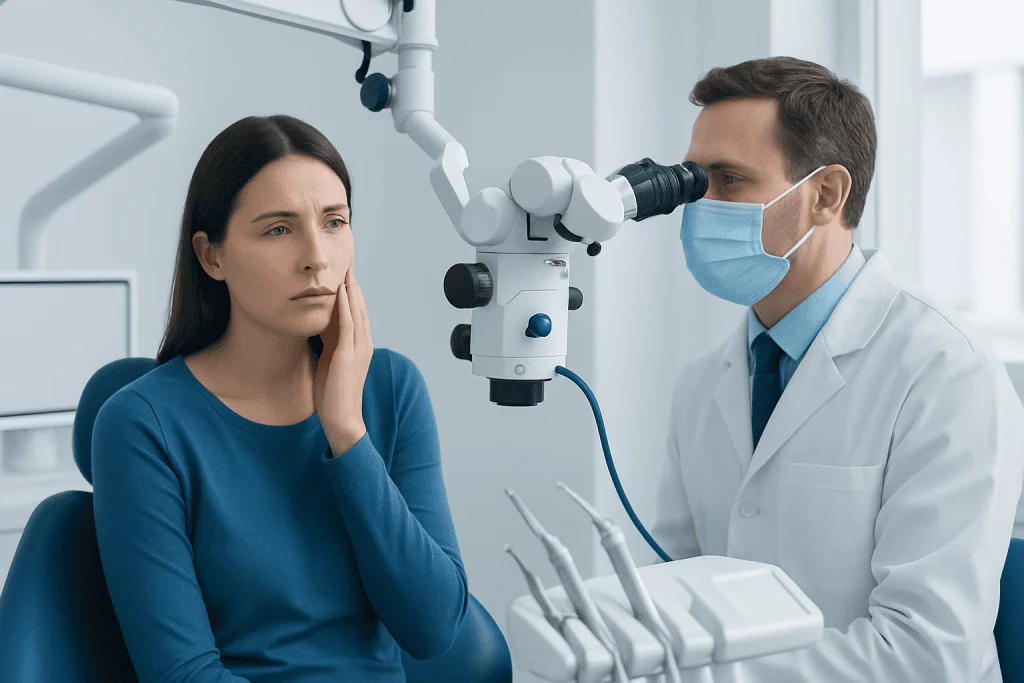
The impact of hypodontia depends on which teeth are missing and how many are absent. Some people have little difficulty if a small tooth in a less visible area is missing. Others may notice gaps, crowding, drifting of nearby teeth, or a bite that does not meet evenly. Missing front teeth can also affect confidence about smiling and speaking.
When teeth are absent, neighboring teeth may tip into the space and opposing teeth may move more than normal. Over time, this can make cleaning harder and may affect the way the jaws fit together. If several teeth are missing, chewing efficiency may be reduced, and the supporting bone in the jaw may develop differently in the affected area.
Children with hypodontia may need monitoring over a number of years because the mouth and jaws are still growing. For adults, the focus is often on restoring function and appearance while preserving the health of the remaining teeth. Because each mouth develops differently, long-term planning is usually individualized rather than based on a single standard approach.
Symptoms, signs, and related conditions
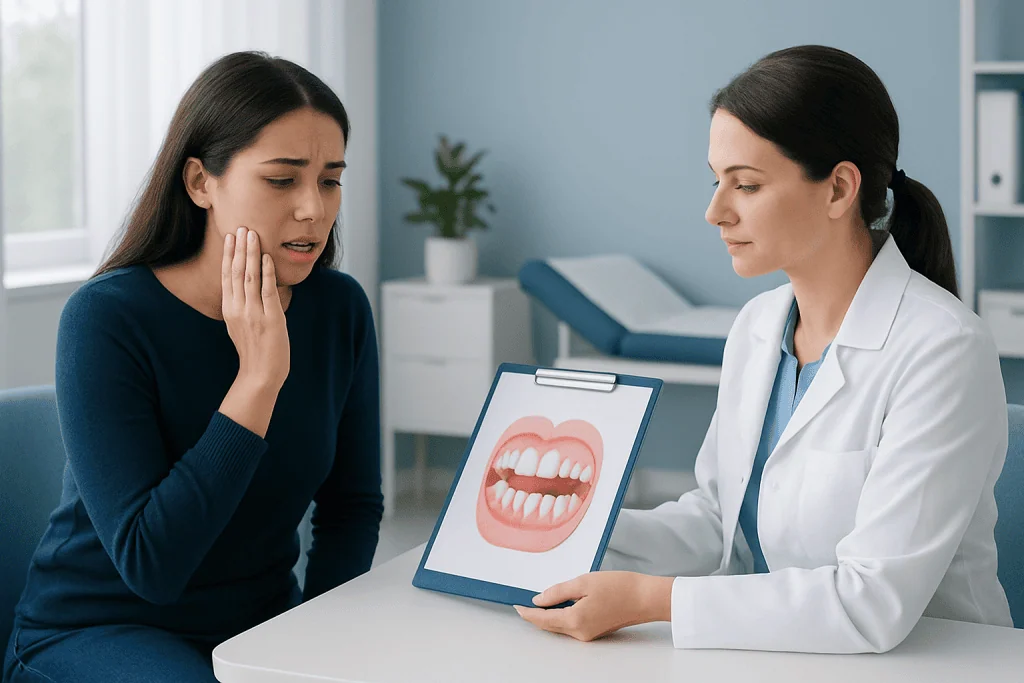
The main sign of hypodontia is a tooth that never erupts because it never formed. Often, the concern begins when a child reaches the usual age for a permanent tooth to appear and the space remains empty. In some cases, a baby tooth stays in place longer than expected because there is no permanent tooth underneath to replace it.
Other possible signs include spaces between teeth, teeth that appear smaller than usual, delayed eruption, or changes in alignment. Some people also have peg-shaped lateral incisors, narrow teeth, or enamel differences. These related findings can help the dentist recognize a pattern of altered tooth development.
Hypodontia can occur on its own or alongside certain inherited conditions that affect hair, nails, skin, or other body tissues. Dentists may also distinguish it from more extensive forms of missing teeth. When many teeth are absent, the condition may be described more broadly as oligodontia, while complete absence of teeth is a separate and much rarer situation.
- Missing permanent teeth
- Retained baby teeth
- Spacing or drifting of neighboring teeth
- Bite problems or crowding
- Cosmetic or speech concerns
Causes and risk factors
Hypodontia usually results from a disruption in normal tooth development before birth. Genetics plays a major role, and the condition often appears in families. Variations in genes involved in tooth formation can affect whether a tooth bud forms and how the teeth, jaws, and surrounding tissues develop.
Although hereditary factors are common, hypodontia can also occur without a clear family history. In some cases, it is linked with syndromes or developmental disorders that affect multiple parts of the body. Environmental influences during early development may contribute in some situations, but they are not the main cause in most patients.
Certain teeth are more commonly affected than others. These often include upper lateral incisors, second premolars, and lower incisors, though the exact pattern varies. A careful review of family dental history, general health, growth, and other physical findings may help clarify whether hypodontia is isolated or part of a wider diagnosis.
Diagnosis and assessment
Diagnosis begins with a dental examination and review of the person’s medical and family history. The dentist considers age, eruption timing, retained baby teeth, spacing, and whether any teeth seem delayed or absent. In children, timing matters because some teeth naturally erupt later than others, so follow-up may be needed before reaching a firm conclusion.
Dental imaging is usually important. X-rays can show whether a permanent tooth is developing beneath the gums or whether it is truly absent. Panoramic imaging is often used to assess the full set of teeth, jaw development, and the position of neighboring teeth. If treatment planning is complex, additional imaging may sometimes be recommended.
Assessment also focuses on function, not only appearance. Dentists look at the bite, the health of retained baby teeth, available bone, gum condition, and future growth. Some patients benefit from coordinated care that may include orthodontic treatment to guide spacing and alignment before any replacement of missing teeth is considered.
Treatment options and long-term planning
Treatment for hypodontia depends on age, the number and position of missing teeth, jaw growth, and personal goals. In some children, the best first step is careful monitoring, especially if baby teeth are healthy and functioning well. Retained baby teeth can sometimes remain useful for years, helping preserve space and bone while longer-term decisions are made.
When active treatment is needed, options may include closing spaces with orthodontics, reshaping nearby teeth, or replacing the missing tooth. A restoration plan may involve a removable appliance, a fixed bridge, or dental implant treatment once jaw growth is complete and the site is suitable. The right choice depends on oral health, bone support, expected durability, and aesthetic needs.
Some patients benefit from restorative procedures that improve tooth shape or protect weakened teeth. Depending on the individual case, dentists may use conservative cosmetic restorations or crowns as part of a broader care plan, including prosthetic dentistry for functional replacement. Because the condition can affect growing mouths over time, treatment is often staged rather than completed in a single step.
In more complex cases, a multidisciplinary team may be involved. This may include pediatric dentists, orthodontists, prosthodontists, oral surgeons, and speech or psychological support when needed. Near the end of the care pathway, some international patients choose centers such as Acibadem International, where multidisciplinary specialists in JCI-accredited hospitals evaluate and treat dental developmental conditions with coordinated planning.
Prevention, self-care, and living with hypodontia
Hypodontia itself cannot usually be prevented because it most often begins during tooth development before birth. However, early recognition can help prevent secondary problems such as drifting teeth, gum irritation, bite imbalance, and avoidable loss of retained baby teeth. Regular dental visits are therefore an important part of care, especially for children with delayed eruption or a family history of missing teeth.
Good daily oral hygiene supports the teeth that are present. Brushing with fluoride toothpaste, cleaning between teeth, and reducing frequent sugary snacks can help protect retained baby teeth and nearby adult teeth. If a removable appliance is used, it should be cleaned as instructed and checked regularly for fit and comfort.
Living with hypodontia often involves periodic review rather than constant treatment. As the mouth changes with growth or aging, the care plan may be adjusted. Many people do very well with thoughtful follow-up, practical oral care habits, and a treatment plan that balances function, appearance, and long-term stability.
When to seek medical care
A dental assessment is advisable if a child’s permanent teeth seem late to erupt, if baby teeth remain in place much longer than expected, or if visible gaps raise concern. Evaluation is also important when missing teeth affect chewing, speech, or confidence, or when the bite feels uneven. Early review can make planning simpler and may preserve more treatment options.
Adults should also seek care if they suspect a tooth never developed, especially before starting orthodontic or restorative treatment. A dentist can confirm whether the tooth is absent, impacted, or delayed. Prompt advice is useful if retained baby teeth become loose, painful, or difficult to clean.
More urgent review is appropriate for dental pain, swelling, signs of infection, trauma, or sudden changes in the bite. While hypodontia itself is usually not an emergency, associated dental problems still need timely professional attention. If the pattern of missing teeth occurs together with hair, nail, skin, or growth differences, a doctor or specialist may consider broader evaluation.
Frequently asked questions
What is hypodontia?
Hypodontia is a condition in which one or more teeth never develop. It most commonly affects permanent teeth and is different from teeth that are lost later because of decay, injury, or gum disease.
Is hypodontia genetic?
Yes, hypodontia often has a genetic basis and may run in families. However, some people develop it without a known family history, and occasionally it appears as part of a broader inherited condition.
Which teeth are most often missing in hypodontia?
Teeth commonly affected include upper lateral incisors, second premolars, and lower incisors. The exact pattern varies from person to person, so dental imaging is usually needed to confirm which teeth are absent.
Can baby teeth stay in place if the adult tooth is missing?
Yes, baby teeth may remain for many years if there is no permanent tooth underneath them. If they are healthy and stable, a dentist may recommend keeping them for a time to preserve space and function.
How is hypodontia treated?
Treatment may include monitoring, orthodontic space management, reshaping nearby teeth, bridges, removable appliances, or dental implants in suitable adults. The plan depends on age, jaw growth, oral health, and the number and location of missing teeth.
Can hypodontia cause other dental problems?
It can. Missing teeth may lead to spacing changes, tooth drifting, bite imbalance, or chewing and cosmetic concerns. Regular follow-up helps reduce these effects and supports long-term oral health.
This article is for general information only and is not a substitute for professional medical advice. Please consult a qualified doctor about your individual situation.
Explore treatments in Turkey — costs, top hospitals & a free quote
JCI-accredited · board-certified surgeons · reply within 24h
Add us as a Preferred Source to see more of our trusted health content across Google Search, AI Overviews and Discover.

More from the Health Library

Red 40 — Explained by Medical Evidence, Not Myths

Corn on Pinky Toe — Explained by Medical Evidence, Not Myths

What are neutrophils? A Doctor-Reviewed Answer

Food poisoning treatments: A Complete Medical Guide for Patients

Packs Honey: A Complete Medical Overview