Hypophosphatasia Treatment: How It Works, Results and What to Expect

Hypophosphatasia is a rare inherited condition caused by low activity of tissue-nonspecific alkaline phosphatase. Treatment depends on the age at onset, symptom severity, bone health, dental concerns, and overall function.
Key Takeaways
- Hypophosphatasia is a rare inherited condition caused by low activity of tissue-nonspecific alkaline phosphatase.
- Treatment depends on the age at onset, symptom severity, bone health, dental concerns, and overall function.
- Enzyme replacement therapy may be appropriate for selected people, particularly those with childhood-onset disease and substantial skeletal effects.
- Pain, stress fractures, muscle weakness, dental loss, and fatigue need coordinated assessment rather than self-treatment.
- Persistent bone pain, repeated fractures, early tooth loss, or difficulty walking should be assessed by a qualified clinician.
Hypophosphatasia treatment is individualized and may combine enzyme replacement therapy, fracture and pain management, dental care, physical rehabilitation, and monitoring by specialists. The goal is to support bone mineralization, reduce complications, preserve mobility, and improve daily comfort while addressing the person’s age and form of the condition.
Overview: how hypophosphatasia treatment works
Hypophosphatasia treatment addresses the effects of an inherited condition in which the body has too little activity of an enzyme called tissue-nonspecific alkaline phosphatase. This enzyme is important for normal mineralization of bones and teeth. When its activity is reduced, bones may be softer or more vulnerable to stress injury, and dental or muscle-related symptoms can also occur.
Care is not the same for every person. Some people have severe symptoms beginning before or shortly after birth, while others first develop problems in adulthood. A treatment plan may include enzyme replacement therapy, orthopedic care for fractures or deformity, dental support, rehabilitation, and management of pain and fatigue.
The central aim is not simply to raise a laboratory result. Clinicians consider symptoms, physical function, fractures, growth in children, dental health, imaging findings, and the person’s priorities. Because hypophosphatasia can affect several body systems, coordinated care is often helpful.
Who may be a candidate for treatment
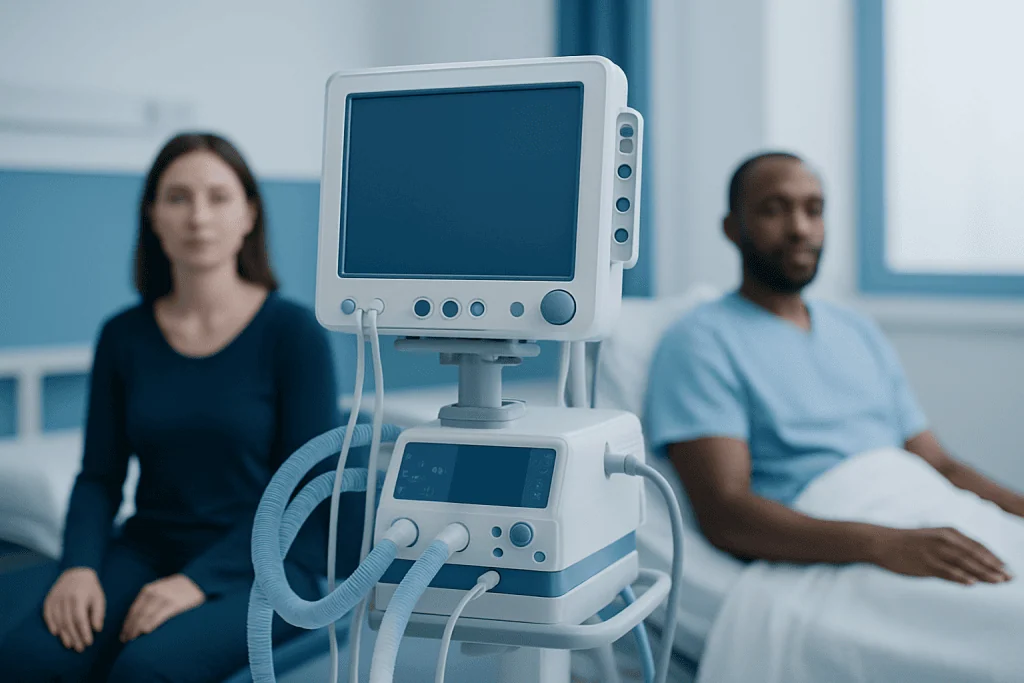
Anyone with suspected or confirmed hypophosphatasia can benefit from an individualized evaluation. The need for active treatment depends on the form of the condition and its impact. Babies and children with skeletal disease, poor growth, breathing difficulties, or early tooth loss generally require prompt specialist involvement. Adults may need assessment when they have recurrent stress fractures, slow-healing fractures, chronic bone or muscle pain, premature loss of teeth, or reduced mobility.
Enzyme replacement therapy is considered for people with clinically significant disease, especially those with pediatric-onset hypophosphatasia or substantial bone manifestations. Suitability is determined by a specialist after reviewing symptoms, age at onset, physical findings, imaging, laboratory testing, and genetic information where appropriate.
Not every person with a low alkaline phosphatase result has hypophosphatasia. Low levels can occur for other reasons, including nutritional factors, certain medicines, or other medical conditions. Confirming the diagnosis before starting treatment is important.
- Symptoms and their effect on walking, work, school, and self-care
- History of fractures, delayed healing, kidney problems, and dental changes
- Age at first symptoms and family history
- Blood tests, imaging, and, when useful, genetic testing
Step by step: assessment and treatment planning

The first step is a clinical review. A clinician asks about bone pain, fracture history, muscle weakness, falls, tooth loss, childhood growth, medication use, and relatives with similar features. Blood tests commonly include alkaline phosphatase and markers that may build up when alkaline phosphatase activity is low. X-rays or other imaging may be used to identify stress fractures, poor healing, or bone changes.
If hypophosphatasia is confirmed or strongly suspected, the care team develops a plan with clear goals. For a child, these may include supporting growth, breathing, feeding, bone development, and mobility. For an adult, priorities may include identifying fractures early, improving function, minimizing pain, protecting dental health, and planning safe activity.
When enzyme replacement therapy is recommended, it is given by injection under the skin on a schedule determined by the treating team. The medicine is designed to replace the missing enzyme activity at the bone surface, helping the body use minerals more effectively in bone formation. Follow-up visits track symptoms, function, growth or weight when relevant, laboratory results, and possible treatment reactions.
Orthopedic surgeons, endocrinologists or metabolic bone specialists, dentists, physiotherapists, pain specialists, nephrologists, and genetic counselors may contribute to care. This shared approach is particularly useful when a person has fractures, mobility limitations, kidney complications, or complex dental needs.
Benefits, limitations and possible risks
For eligible people, enzyme replacement therapy can improve bone mineralization and support better skeletal outcomes. In children with significant disease, it may help with bone development and physical progress. In adults, potential goals include helping fracture healing, reducing skeletal complications, and improving function, although the response varies with the individual and the severity of established bone changes.
Supportive treatment remains important even when enzyme replacement is used. This can include prompt management of fractures, targeted physiotherapy, mobility aids when needed, dental prevention and restoration, and a personalized plan for pain. A clinician may also review calcium, vitamin D, and other supplements because these should not be started or increased without guidance in hypophosphatasia.
Possible side effects of injectable enzyme replacement therapy include reactions at the injection site and allergic reactions. The treating team explains what to monitor and how to respond. Some people may need treatment for complications that are not fully reversed, such as long-standing deformity, advanced tooth loss, or chronic pain.
Bisphosphonates, medicines often used for osteoporosis, are generally approached cautiously in people with confirmed hypophosphatasia because the condition has a different underlying biology. Treatment decisions should therefore be made with a clinician experienced in metabolic bone disorders.
Recovery timeline, monitoring and daily self-care
Hypophosphatasia is usually a long-term condition, so treatment is better understood as ongoing care rather than a one-time procedure with a fixed recovery period. After diagnosis, the timeline depends on the person’s symptoms. A stress fracture may require activity modification and orthopedic follow-up over weeks to months, while improvements in strength, mobility, or pain often develop gradually and require regular reassessment.
Physical therapy can help maintain safe movement, balance, muscle strength, and confidence with daily activities. Exercise plans should be personalized, especially when there is active bone pain, a recent fracture, or poor fracture healing. Low-impact activities may be appropriate for some people, but the safest type and intensity should be discussed with the care team.
Dental follow-up is an important part of care. Children may lose primary teeth early, often with roots still attached, while adults may have loose teeth or other periodontal concerns. Regular dental visits and good oral hygiene can help protect remaining teeth and plan appropriate restorative care.
Acibadem International’s multidisciplinary specialists and JCI-accredited hospitals can evaluate and treat hypophosphatasia for international patients, coordinating metabolic bone, orthopedic, rehabilitation, and dental care when needed.
Does hypophosphatasia get worse with age?
Hypophosphatasia does not follow one predictable course. Some people have symptoms early in life that remain significant, while others have mild disease for years and develop more noticeable problems in adulthood. The genetic change is present throughout life, but symptoms can change as the demands on bones, muscles, and teeth change.
In adults, recurrent stress fractures, delayed fracture healing, pain, fatigue, and dental issues may emerge or become more disruptive over time. However, worsening is not inevitable, and appropriate monitoring can help identify complications early. A specialist can help distinguish hypophosphatasia-related symptoms from common conditions such as osteoporosis, arthritis, or overuse injuries.
Regular review is particularly useful after a new fracture, a drop in mobility, new tooth loss, or a change in pain pattern. Early evaluation can guide treatment and reduce the risk of prolonged limitations.
How painful is hypophosphatasia?
Pain varies widely. Some people have little or no pain, while others experience ongoing aching in bones, joints, or muscles, or more intense pain from stress fractures and poorly healing fractures. Pain may affect the feet, lower legs, hips, back, or other weight-bearing areas, and it can contribute to fatigue and reduced activity.
Persistent pain should not be assumed to be a normal part of aging or exercise. Evaluation may include an examination and imaging to look for stress injuries, fractures, joint problems, or other causes. Treating an underlying fracture or adjusting activity can be as important as using pain-relieving medicine.
Pain management is usually multimodal. It may involve physiotherapy, pacing of activities, sleep support, mobility strategies, and clinician-guided medication when appropriate. A pain plan should account for the person’s bone health, other medical conditions, and daily responsibilities.
What are the early signs of hypophosphatasia in adults?
Early signs of hypophosphatasia in adults can be subtle. They may include recurrent or unexplained foot pain, stress fractures that occur with ordinary activity, fractures that heal slowly, muscle weakness, fatigue, or chronic bone and joint discomfort. Some adults recall losing baby teeth unusually early during childhood, while others first notice dental problems later in life.
Another important clue is repeatedly low alkaline phosphatase on routine blood tests, particularly when it occurs alongside bone pain, fracture history, or premature tooth loss. This finding should be interpreted by a clinician because low alkaline phosphatase has several possible causes.
Adults with these features may benefit from assessment by an endocrinologist, metabolic bone specialist, or clinician familiar with rare bone disorders. Accurate diagnosis helps avoid treatments that may not suit hypophosphatasia and supports more targeted care.
What are the neurological symptoms of hypophosphatasia?
Neurological symptoms are not present in every person with hypophosphatasia, and their nature differs by age and disease severity. In severe forms beginning before or soon after birth, low vitamin B6 availability in the brain can contribute to seizures. These seizures need urgent medical assessment and specialist treatment.
Some people with hypophosphatasia report headaches, fatigue, sleep difficulties, mood changes, or problems with concentration. These symptoms are not specific to hypophosphatasia and can have many causes, including pain, reduced sleep, medication effects, or other medical conditions. They should be assessed rather than automatically attributed to the condition.
New seizures, fainting, sudden weakness, confusion, severe headache, or a major change in balance require urgent medical evaluation. A care team may involve neurology when neurological symptoms are present or when the diagnosis is uncertain.
When to seek medical care
Medical advice is recommended for ongoing bone or muscle pain, repeated stress fractures, a fracture that is slow to heal, unexplained early tooth loss, or persistently low alkaline phosphatase results. People with a family history of hypophosphatasia may also wish to discuss symptoms and genetic counseling with a qualified clinician.
Urgent assessment is needed for a suspected fracture with severe pain or inability to bear weight, breathing difficulty in an infant or child, or seizures. New neurological symptoms, such as sudden confusion, weakness, or loss of consciousness, also require urgent care.
With an accurate diagnosis and a personalized plan, many complications can be monitored and managed. Follow-up helps the clinical team adapt treatment as symptoms, activity needs, and life stages change.
Frequently asked questions
Is there a cure for hypophosphatasia?
Hypophosphatasia is an inherited condition, so there is currently no cure that removes the underlying genetic cause. Treatment can nevertheless address important effects of the condition, including impaired bone mineralization, fractures, pain, dental problems, and reduced mobility. Enzyme replacement therapy may be suitable for some people with clinically significant disease.
How is hypophosphatasia diagnosed?
Diagnosis combines symptoms, physical examination, laboratory testing, and imaging when indicated. Persistently low alkaline phosphatase is an important clue, but it is not diagnostic on its own. Tests for related biochemical markers and genetic testing may help confirm the diagnosis.
Can adults start hypophosphatasia treatment?
Yes. Adults can be assessed and treated when they have symptoms or complications related to hypophosphatasia. The plan may include enzyme replacement therapy for selected individuals as well as fracture care, pain management, rehabilitation, and dental support.
Should people with hypophosphatasia take calcium or vitamin D?
Supplements should only be used under medical guidance. Calcium and vitamin D are important for bone health in many settings, but individual needs differ in hypophosphatasia and excess supplementation may not be appropriate. A clinician can review diet, blood tests, kidney health, and current medicines before advising supplements.
Can hypophosphatasia be mistaken for osteoporosis?
Yes. Adults with fractures or low bone density may initially be thought to have osteoporosis, particularly if hypophosphatasia is not considered. A history of low alkaline phosphatase, stress fractures, poor healing, pain, or early tooth loss can suggest the need for further investigation.
Is hypophosphatasia inherited?
Yes. Hypophosphatasia is caused by changes in the ALPL gene and can be inherited in different patterns depending on the specific genetic change. Genetic counseling can help individuals and families understand inheritance, testing options, and what results may mean for relatives.
References
- MedlinePlus Genetics
- National Institute of Arthritis and Musculoskeletal and Skin Diseases
- National Organization for Rare Disorders
- European Medicines Agency
- International Hypophosphatasia Working Group
This article is for general information only and is not a substitute for professional medical advice. Please consult a qualified doctor about your individual situation.
Joint and spine care in Turkey — expert assessment & treatment
JCI-accredited · board-certified surgeons · reply within 24h
Add us as a Preferred Source to see more of our trusted health content across Google Search, AI Overviews and Discover.