

Hypoplastic Anaemia Treatment: How It Works, Results and What to Expect

Hypoplastic anaemia is commonly used to describe aplastic anemia, a condition in which the bone marrow produces too few blood cells. Treatment is individualized and may involve supportive care, immunosuppressive therapy, blood-forming growth factors or stem cell transplantation.
Key Takeaways
- Hypoplastic anaemia is commonly used to describe aplastic anemia, a condition in which the bone marrow produces too few blood cells.
- Treatment is individualized and may involve supportive care, immunosuppressive therapy, blood-forming growth factors or stem cell transplantation.
- A stem cell transplant may offer a potential cure for selected patients, especially younger people with a well-matched donor.
- Regular blood tests and prompt assessment of fever, bleeding or worsening breathlessness are important throughout treatment.
- Outlook has improved substantially with modern specialist care, but recovery and long-term monitoring needs vary between individuals.
Hypoplastic anaemia treatment depends on how severely the bone marrow is affected, the person’s age, overall health and whether a suitable stem cell donor is available. Care may include transfusions and infection prevention, medicines that suppress immune attack on marrow, or a stem cell transplant intended to rebuild blood formation.
Overview: How hypoplastic anaemia treatment works
Hypoplastic anaemia treatment aims to address low blood-cell production caused by an underactive or damaged bone marrow. In many settings, the term refers to aplastic anemia, a rare bone marrow failure disorder in which production of red blood cells, white blood cells and platelets falls. The best treatment is based on disease severity, symptoms, likely cause, age, donor availability and other health conditions.
Treatment can work in several ways. Supportive treatment replaces missing blood components and helps prevent complications while the marrow is not functioning well. Immunosuppressive treatment reduces an immune-system attack on marrow stem cells in many acquired cases. A hematopoietic stem cell transplant replaces damaged marrow with healthy donor stem cells and may restore lasting blood-cell production in appropriate candidates.
Care is usually coordinated by a hematologist with expertise in bone marrow failure. Because anemia, infections and bleeding can arise from low blood counts, treatment plans include close monitoring and practical advice on when to seek urgent help.
What does hypoplastic anemia mean?
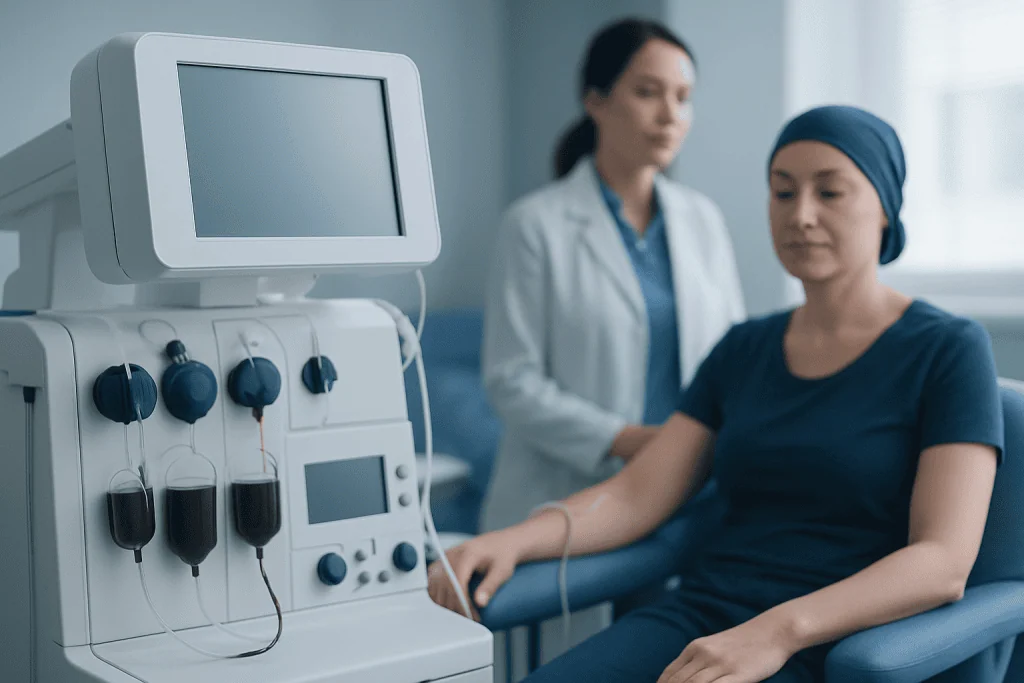
Hypoplastic anemia means anemia associated with a bone marrow that is producing fewer blood cells than expected. “Hypoplastic” describes tissue that is underdeveloped or less active; in this context, the marrow has too few functioning blood-forming cells. The condition may affect only red blood cells or, more commonly in aplastic anemia, all three major blood-cell lines.
Red blood cells carry oxygen, so low levels may cause tiredness, weakness, paleness, dizziness or shortness of breath. Low white blood cells, especially neutrophils, can increase infection risk. Low platelets can lead to easy bruising, tiny red-purple skin spots, nosebleeds, gum bleeding or prolonged bleeding after minor injuries.
Aplastic anemia can be acquired or, less often, inherited. It must be carefully distinguished from other causes of low blood counts, including vitamin deficiencies, infections, medication effects, myelodysplastic syndromes and certain blood cancers. This distinction is essential because treatment and outlook differ.
Who may need treatment and how diagnosis guides candidacy

Some people have mild disease with stable blood counts and few symptoms. They may initially need observation, repeat blood tests and treatment of reversible causes rather than immediate intensive therapy. Others have moderate, severe or very severe aplastic anemia, with substantially reduced counts and a higher risk of infection or bleeding; these cases generally require prompt specialist treatment.
Evaluation commonly includes a full blood count, reticulocyte count, blood film and tests for nutritional, autoimmune, viral and medication-related causes. A bone marrow aspiration and biopsy helps assess marrow cellularity and rule out related disorders. Doctors may also perform chromosome studies, flow cytometry and inherited bone marrow failure testing when clinically appropriate.
For transplant planning, the team determines whether a suitable donor is available, often beginning with matched siblings and then considering unrelated donors when appropriate. Age and overall fitness matter, but they are not the only factors. Prior treatments, infection status, organ function, pregnancy considerations and personal preferences are all part of shared decision-making.
Treatment pathways: supportive care, immune therapy and transplant
Supportive care is important at every stage. Red blood cell transfusions may improve anemia-related symptoms, while platelet transfusions can reduce bleeding risk when platelet counts are very low or bleeding occurs. Clinicians may use antibiotics, antivirals or antifungals when infection risk is high, depending on the individual situation. Repeated transfusions can cause iron overload, so long-term recipients may need monitoring and treatment to lower excess iron.
For many patients with acquired severe aplastic anemia who are not proceeding directly to transplant, immunosuppressive therapy is a standard approach. It typically combines medicines that reduce harmful immune activity with a medicine that supports blood-cell formation. Responses can take several months, and blood counts must be checked regularly because some people need additional treatment or may later relapse.
Hematopoietic stem cell transplantation is often considered first-line treatment for selected younger patients with severe disease and a well-matched sibling donor. It may also be considered after unsuccessful immune therapy or for suitable patients with an appropriately matched unrelated donor. Bone marrow transplantation involves conditioning treatment followed by infusion of donor stem cells, which travel to the marrow and begin making new blood cells.
Some people may benefit from medicines that stimulate marrow activity, especially in combination with immune therapy. If a medicine, toxin, infection or nutritional issue has contributed to low counts, stopping the trigger and treating the underlying cause is also important. A hematology team can explain how these options relate to the person’s specific diagnosis.
Stem cell transplant: what happens step by step
Before a transplant, the patient has detailed testing to assess heart, lung, kidney and liver function, screen for infections and plan blood-product support. The transplant team identifies and confirms a suitable donor and discusses expected benefits, alternatives and possible complications. Fertility preservation may be discussed before conditioning treatment when relevant.
Conditioning treatment is given first to suppress the recipient’s immune system and make space for donor stem cells. The stem cells are then infused through a central venous line, similar to a blood transfusion rather than a surgical operation. The patient is monitored closely in a protected environment while the donor cells settle in the marrow and begin producing blood cells, a process called engraftment.
During the early recovery period, low blood counts can increase the risk of infection, bleeding and fatigue. The team provides transfusions, preventive medicines, nutrition support and regular blood testing. Medicines are also used to reduce the chance of graft-versus-host disease, in which donor immune cells attack the recipient’s tissues.
Recovery continues after discharge with frequent appointments, medication adjustments and infection precautions. The timing varies widely, but immune recovery may take months or longer. Hematology care can help coordinate monitoring of blood counts, treatment effects and long-term health after either transplant or immune therapy.
Benefits, risks and recovery expectations
The main potential benefit of effective treatment is improved blood-cell production, which can reduce transfusion needs, lower infection and bleeding risk, and improve energy and daily functioning. A successful donor stem cell transplant can be curative for some people. Immunosuppressive therapy can also produce durable responses, although it does not replace marrow in the same way and requires continued follow-up.
All treatment options have risks. Transfusions may cause reactions or, over time, iron overload. Immunosuppressive medicines can increase susceptibility to infections and may have effects on the kidneys, liver or blood pressure, depending on the medicines used. Stem cell transplant has more intensive early risks, including serious infections, organ toxicity, graft failure and graft-versus-host disease.
There is no single recovery timeline. Blood counts may begin to improve over weeks to months after immune therapy, while transplant engraftment often occurs earlier but complete immune recovery takes longer. Follow-up is essential because some patients can develop recurrent low counts or related marrow disorders over time. The treating team will tailor activity, food safety, vaccination and return-to-work or school guidance to the individual.
How long can you live with aplastic anemia with treatment?
Life expectancy with aplastic anemia varies greatly and cannot be predicted accurately from one person’s diagnosis alone. It depends on disease severity, age, infection and bleeding risks, response to treatment, donor options and long-term follow-up. With current supportive care, immunosuppressive therapy and transplantation, many people live for years and some achieve long-lasting remission or cure.
Severe untreated aplastic anemia can be life-threatening because of serious infection or bleeding. This is why early assessment by a hematologist and adherence to the treatment plan are so important. Rather than relying on a general survival estimate, patients should ask their care team how their own blood counts, cause of disease and treatment response influence outlook.
Long-term care does not necessarily mean ongoing intensive treatment. It often means periodic blood counts and evaluation for late effects, relapse or clonal changes in the marrow. This monitoring allows clinicians to address changes early.
Can you fully recover from aplastic anemia?
Some people can fully recover from aplastic anemia, particularly after a successful matched-donor stem cell transplant or when an identifiable reversible cause is removed. In these circumstances, blood counts may return to normal or near-normal levels and remain stable. However, recovery is individual, and a cure cannot be promised in advance.
Many patients treated with immunosuppressive therapy achieve a partial or complete response and can have a good quality of life. Some may remain dependent on monitoring or treatment, and others may have relapse or persistent low counts. Even after apparent recovery, hematology follow-up remains important.
Emotional wellbeing is also part of recovery. The uncertainty of a rare marrow disorder, frequent clinic visits and infection precautions can be demanding for patients and families. Support from the clinical team, mental health professionals, trusted family members and patient-support resources can be helpful.
How many people have died from aplastic anemia?
There is no single current number that answers how many people have died from aplastic anemia worldwide. The condition is rare, reporting systems differ between countries, and outcomes have changed over time as transfusion support, infection treatment, immune therapy and transplantation have improved.
Historically, severe aplastic anemia had a high risk of death from infection or bleeding. Today, the outlook is generally better when people receive timely care in an experienced hematology center. Individual risk still varies, particularly during periods of very low neutrophil or platelet counts and during intensive treatment.
For a meaningful discussion of prognosis, a hematologist can review the severity classification, response to treatment and any complications. This provides more useful information than broad historical mortality figures.
When to seek medical care
Anyone with unexplained fatigue, shortness of breath, frequent infections, unusual bruising or bleeding should arrange medical assessment. A blood count can identify anemia or other low blood-cell counts, but further testing is needed to establish the cause. People already diagnosed with aplastic anemia should attend scheduled monitoring even when they feel well.
Urgent medical care is needed for fever, chills, signs of infection, uncontrolled bleeding, black or bloody stools, severe headache, new confusion, chest pain, fainting or marked shortness of breath. People with very low white blood cells should follow their care team’s instructions about fever and should not delay contacting the hospital.
Acibadem International’s multidisciplinary specialists and JCI-accredited hospitals provide assessment and treatment for international patients with bone marrow failure conditions. A hematology consultation can help clarify the diagnosis, discuss transplant eligibility and plan individualized follow-up.
Frequently asked questions
Is hypoplastic anaemia the same as aplastic anemia?
The terms are often used similarly, especially when low blood-cell production is caused by a hypocellular, or underactive, bone marrow. However, hypoplastic anemia can sometimes describe reduced marrow activity more broadly. A hematologist uses blood tests and bone marrow findings to determine the precise diagnosis.
What is the first treatment for hypoplastic anaemia?
The first step is confirming the cause and severity. Supportive treatment, such as transfusions and infection prevention, may be needed immediately if blood counts are very low. For severe acquired aplastic anemia, immune therapy or stem cell transplantation may be recommended depending on donor availability and individual factors.
How quickly does immunosuppressive therapy work for aplastic anemia?
Improvement is usually gradual rather than immediate. Some people begin showing a blood-count response over several months, while others may need more time or a change in treatment. Regular blood tests help the hematology team assess whether the treatment is working.
Can aplastic anemia return after treatment?
Yes, relapse can occur after immunosuppressive therapy, even after an initial response. Some patients may also develop persistent low counts or changes in marrow cells that require further evaluation. Long-term hematology follow-up is therefore important.
Is a bone marrow transplant painful?
The stem cell infusion itself is usually similar to receiving a transfusion and is not a surgical procedure. Conditioning treatment and the recovery period can be demanding, with possible side effects such as fatigue, nausea, mouth soreness and infection risk. The transplant team provides medicines and supportive care to manage symptoms.
What should a person with aplastic anemia avoid?
Advice depends on blood counts and treatment stage. People with low white blood cells may need to reduce exposure to infectious illnesses, while those with low platelets should avoid activities that carry a significant injury or bleeding risk. They should also avoid starting medicines, supplements or herbal products without discussing them with their clinician.
References
- National Heart, Lung, and Blood Institute
- National Institutes of Health
- American Society of Hematology
- European Society for Blood and Marrow Transplantation
- Aplastic Anemia and MDS International Foundation
This article is for general information only and is not a substitute for professional medical advice. Please consult a qualified doctor about your individual situation.
Explore treatments in Turkey — costs, top hospitals & a free quote
JCI-accredited · board-certified surgeons · reply within 24h
Add us as a Preferred Source to see more of our trusted health content across Google Search, AI Overviews and Discover.

More from the Health Library



Related Specialists

Assoc. Prof. Dr. Emre Karabay
Urology
Dr. Baran Şen
Orthopedic Surgery & Traumatology
Dr. Ceyhun Cesur
Aesthetic Plastic & Reconstructive Surgery
Dr. Duygu Demirbaş Keskin
Otorhinolaryngology