Hypothalamic Amenorrhea: An Evidence-Based Guide for Patients

Hypothalamic amenorrhea is a common cause of missed periods in people who are not pregnant. It happens when the brain reduces reproductive hormone signaling, often due to stress, undernutrition, weight loss, or high training loads.
Key Takeaways
- Hypothalamic amenorrhea is a common cause of missed periods in people who are not pregnant.
- It happens when the brain reduces reproductive hormone signaling, often due to stress, undernutrition, weight loss, or high training loads.
- Possible effects extend beyond fertility and can include low estrogen, bone loss, fatigue, and mood changes.
- Diagnosis requires ruling out pregnancy and other medical causes of amenorrhea, such as thyroid disease or polycystic ovary syndrome.
- Treatment focuses on restoring energy balance, reducing stress, adjusting exercise, and protecting bone and reproductive health.
- Early medical evaluation is important if periods stop for three months or longer.
Hypothalamic amenorrhea is the loss of menstrual periods because the hypothalamus slows or stops the hormone signals that drive ovulation and menstruation. It is often related to low energy availability, emotional stress, weight loss, or intense exercise, and it can usually improve when the underlying cause is addressed.
Overview: what hypothalamic amenorrhea means
Hypothalamic amenorrhea is a condition in which menstrual periods stop because the hypothalamus, a small but important area of the brain, reduces the release of hormone signals needed for ovulation. In practical terms, the body shifts away from reproduction when it senses that conditions are not ideal, such as during low calorie intake, rapid weight loss, high physical strain, or ongoing psychological stress.
This condition is often called functional hypothalamic amenorrhea because the hormone pathway is structurally intact but temporarily suppressed. The ovaries may be healthy, yet they do not receive enough stimulation from the brain to produce regular estrogen levels and release an egg each month.
Although many people notice it first as missed periods, hypothalamic amenorrhea is not only a menstrual issue. Low estrogen can affect bone density, cardiovascular health, sexual health, mood, sleep, and fertility. That is why a full medical evaluation is important even when the person otherwise feels well.
Signs and symptoms to recognize
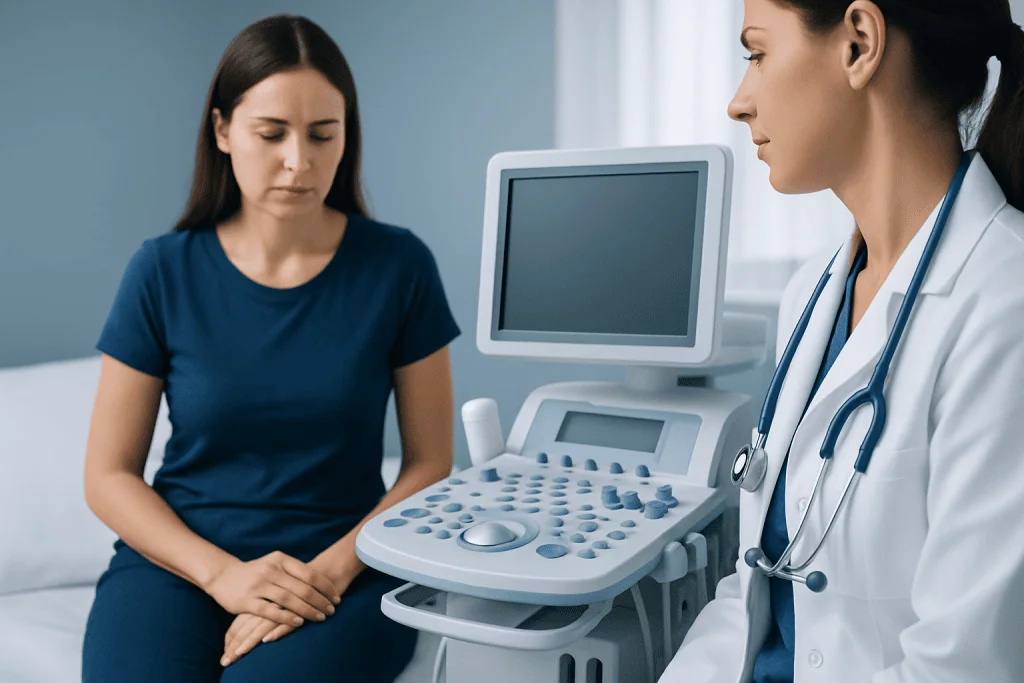
The main symptom is absent menstrual periods. Some people stop having periods completely after previously regular cycles, while others notice that cycles become farther apart before disappearing. In adolescents, it may appear as delayed onset of menstruation.
Other symptoms often reflect low estrogen or the body’s response to low energy availability. These may include fatigue, feeling cold, lower sex drive, vaginal dryness, trouble concentrating, mood changes, or sleep disruption. Some people also notice reduced athletic performance, slower recovery, or increased injuries.
Because hormone patterns differ from person to person, symptoms can vary. A person may look healthy from the outside and still have hypothalamic amenorrhea. This is one reason the condition is sometimes missed, especially in those who exercise regularly or maintain a body weight that appears to be within a typical range.
- Missing periods for 3 months or more
- Irregular or infrequent periods
- History of stress, dieting, weight loss, or intense exercise
- Low libido, vaginal dryness, or hot-flash-like symptoms
- Fatigue or recurrent stress fractures
Why it happens: causes and risk factors

Hypothalamic amenorrhea most often develops when the body does not have enough available energy for its needs. This can happen with restrictive eating, skipped meals, disordered eating patterns, rapid weight loss, or exercise that burns more energy than is being replaced. The issue is not only body weight; even people who are not underweight can develop this condition if energy intake is too low for their activity level.
Emotional stress is another major contributor. Major life changes, academic pressure, work stress, grief, relationship difficulties, or chronic anxiety can all affect the hypothalamus. In many cases, several factors overlap, such as a demanding training schedule combined with dietary restriction and poor sleep.
Certain groups may be at higher risk, including endurance athletes, dancers, gymnasts, military recruits, and people with perfectionistic traits or a history of eating disorders. Clinicians may also consider related patterns such as the female athlete triad or the broader concept of relative energy deficiency in sport. Other conditions can also cause absent periods, so doctors usually compare hypothalamic amenorrhea with problems such as polycystic ovary syndrome or thyroid disease before confirming the diagnosis.
How doctors make the diagnosis
Diagnosis starts with a careful history. A doctor will usually ask about menstrual timing, recent weight changes, diet, exercise habits, stress levels, sleep, medications, pregnancy risk, and symptoms of other hormone conditions. The goal is not only to identify missing periods but to understand why the hormone pathway may have slowed down.
Pregnancy should always be ruled out first in someone of reproductive age with missed periods. Blood tests often include reproductive hormones, thyroid function, and prolactin, because thyroid disorders and elevated prolactin can also stop periods. Depending on the situation, clinicians may evaluate for ovarian insufficiency, chronic illness, or other endocrine conditions.
Imaging is not needed in every case, but pelvic ultrasound may be useful if the diagnosis is unclear or if another gynecologic cause is suspected. In some people, a bone density test is recommended, especially if periods have been absent for many months or if there is concern about stress fractures or low estrogen exposure. When fertility is a concern, a person may also be referred for fertility evaluation and treatment after the underlying hormonal issue is assessed.
Why treatment matters beyond getting periods back
Restoring menstrual cycles is important, but treatment is also about protecting overall health. Estrogen supports bone remodeling, so long-standing hypothalamic amenorrhea can lower bone mineral density and raise the risk of stress fractures and later osteoporosis. This is particularly important during adolescence and young adulthood, when peak bone mass is still developing.
Low estrogen may also affect sexual comfort, mood, and quality of life. Some people feel frustrated because absent periods are sometimes misunderstood as a normal side effect of training or busy schedules. In reality, missing periods can be a sign that the body is under strain and needs attention.
For those who hope to become pregnant, hypothalamic amenorrhea matters because ovulation is often absent. The condition is usually treatable, and many people regain ovulation once the underlying triggers are corrected. If periods do not return or pregnancy is a goal, a specialist in gynecology care or reproductive medicine can help guide the next steps.
Treatment options and recovery
The foundation of treatment is reversing the factors that suppressed the hypothalamus. This often means increasing calorie intake, improving meal regularity, reducing excessive exercise, allowing weight restoration when needed, and addressing psychological stress. Small, sustainable changes are usually more effective than strict rules, and recovery plans should be individualized.
Many patients benefit from a team approach that may include a gynecologist, endocrinologist, dietitian, mental health professional, and sports medicine clinician. Nutrition counseling can help restore energy availability without fear or confusion, while therapy can support stress management, body image concerns, perfectionism, or disordered eating. If an eating disorder is suspected, dedicated treatment is important.
Hormone therapy may be considered in selected cases, especially if periods do not return and bone health is at risk, but it does not replace correcting the underlying energy or stress problem. Follow-up is important to monitor the return of cycles, symptom improvement, and bone health over time. In complex cases, multidisciplinary specialists at Acibadem International’s JCI-accredited hospitals diagnose and treat hypothalamic amenorrhea for international patients.
Self-care and prevention
Prevention centers on supporting the body’s basic needs consistently. Adequate nutrition, balanced training, planned rest days, sleep, and stress management all help keep reproductive hormones working normally. For athletes and active people, the aim is not to stop exercise but to match activity with enough fuel and recovery.
Tracking menstrual cycles can be useful because changes often appear gradually. A cycle becoming longer, lighter, or less predictable may be an early sign that the body is under strain. Coaches, trainers, and families should view menstrual changes as a health signal rather than as a sign of fitness or discipline.
- Eat enough to support daily life and exercise demands
- Avoid rapid weight-loss plans or restrictive diets
- Build recovery days into training schedules
- Seek help early for disordered eating or significant stress
- Discuss recurring injuries, fatigue, or missed periods with a clinician
People with recurrent bone injuries or concern about long-term low estrogen may need specialist input, sometimes including endocrinology assessment to review hormones and bone health in more detail.
When to seek medical care
Medical care is recommended if periods stop for three months or more, if menstruation has never started by the expected age range, or if cycles become widely spaced and irregular without a clear explanation. Evaluation is also important after significant weight loss, intense training changes, or if there are symptoms such as fatigue, low libido, or repeated stress fractures.
Prompt care is especially important if there are signs of an eating disorder, severe anxiety or depression, dizziness, fainting, chest symptoms, or concern about pregnancy. A clinician can rule out other conditions and help build a safe recovery plan. If fertility is a concern, early review with a reproductive specialist may be helpful, and some patients may also need assessment for related conditions such as amenorrhea from other causes.
Frequently asked questions
Is hypothalamic amenorrhea reversible?
In many cases, yes. Periods often return when the underlying causes such as low energy intake, excessive exercise, weight loss, or psychological stress are addressed. Recovery time varies, so regular medical follow-up is important.
Can someone have hypothalamic amenorrhea at a normal body weight?
Yes. The condition is linked to energy availability and stress on the body, not only to being underweight. A person may develop it if exercise demands are high or food intake is too low for their needs, even when their weight appears typical.
Does hypothalamic amenorrhea affect fertility?
It can, because ovulation often does not occur regularly or may stop altogether. Many people regain fertility once ovulation returns, but some need specialist support if pregnancy is desired. A gynecologist or fertility specialist can advise on the safest next step.
Is it dangerous to miss periods from exercise?
Missing periods should not be ignored. It can be a sign that the body is not getting enough fuel or recovery, and long-term low estrogen may affect bone health and other body systems. Medical evaluation helps identify the cause and prevent complications.
How is hypothalamic amenorrhea different from PCOS?
Both can cause irregular or absent periods, but the hormonal patterns and underlying mechanisms are different. Hypothalamic amenorrhea usually reflects reduced brain signaling from stress or low energy availability, while PCOS often involves ovulatory dysfunction with a different endocrine profile. A doctor uses history, blood tests, and sometimes ultrasound to tell them apart.
Will taking birth control fix hypothalamic amenorrhea?
Birth control pills may create scheduled bleeding, but they do not correct the root cause on their own. The underlying issues such as under-fueling, high training load, or chronic stress still need attention. Treatment decisions should be individualized with a clinician.
This article is for general information only and is not a substitute for professional medical advice. Please consult a qualified doctor about your individual situation.
IVF & fertility treatment in Turkey — success rates and costs
JCI-accredited · board-certified surgeons · reply within 24h
Add us as a Preferred Source to see more of our trusted health content across Google Search, AI Overviews and Discover.
Check your numbers in seconds
BMI, calories, due date, blood pressure and 30+ more clinical calculators — free, instant, doctor-reviewed ranges.

More from the Health Library

Pulseless Electrical Activity: An Evidence-Based Guide for Patients

Benjamin Button Illness: What Patients Need to Know

Stone Ground Grits — Explained by Medical Evidence, Not Myths

Breath Smells Like Poop: A Complete Medical Overview

Clubbed Nails: What Patients Need to Know