Hypothyroidism: Fatigue, Weight Changes, Blood Tests, and Treatment

Hypothyroidism can cause fatigue, cold sensitivity, weight changes, dry skin, constipation, mood changes, and menstrual changes, but symptoms may be subtle. The main blood tests are thyroid-stimulating hormone (TSH) and free thyroxine (free T4); thyroid antibody tests may help identify autoimmune thyroid disease.
Key Takeaways
- Hypothyroidism can cause fatigue, cold sensitivity, weight changes, dry skin, constipation, mood changes, and menstrual changes, but symptoms may be subtle.
- The main blood tests are thyroid-stimulating hormone (TSH) and free thyroxine (free T4); thyroid antibody tests may help identify autoimmune thyroid disease.
- The most common cause in many regions is Hashimoto thyroiditis, an autoimmune condition that gradually reduces thyroid hormone production.
- Levothyroxine is the standard treatment for most people with hypothyroidism and is monitored with periodic blood tests.
- Untreated hypothyroidism can affect cholesterol, fertility, pregnancy, and general wellbeing, so persistent symptoms should be discussed with a doctor.
- Lifestyle measures can support overall health, but they do not replace prescribed thyroid hormone when the body needs it.
Hypothyroidism, also called an underactive thyroid, occurs when the thyroid gland does not make enough hormone for the body’s needs. It is usually diagnosed with simple blood tests and managed effectively with regular follow-up and thyroid hormone replacement when needed.
Overview
Hypothyroidism means the thyroid gland is underactive and does not produce enough thyroid hormone. The thyroid is a small, butterfly-shaped gland in the front of the neck. Its hormones help regulate metabolism, body temperature, heart rate, digestion, energy use, skin and hair health, menstrual cycles, and many other body functions.
Because thyroid hormone affects many systems, hypothyroidism can feel different from person to person. Some people notice clear changes such as fatigue, weight gain, constipation, or feeling unusually cold. Others have mild symptoms or no obvious symptoms, and the condition is found through routine blood testing.
Hypothyroidism is common and usually manageable. Once the cause and severity are understood, many people do well with a daily thyroid hormone tablet and periodic monitoring. The goal of care is to restore thyroid hormone levels to a healthy range and improve symptoms safely over time.
Symptoms and Everyday Signs
Symptoms of hypothyroidism often develop gradually. They can be mistaken for stress, aging, poor sleep, depression, or other health problems. A person may feel tired despite adequate rest, have difficulty concentrating, or describe a general slowing down in physical and mental energy.
Common symptoms may include:
- Fatigue, low energy, or increased sleepiness
- Weight gain or difficulty losing weight
- Feeling cold when others are comfortable
- Dry skin, hair thinning, brittle nails, or a puffy face
- Constipation and slower digestion
- Low mood, memory problems, or difficulty focusing
- Muscle aches, joint discomfort, cramps, or weakness
- Heavier or irregular menstrual periods, or fertility concerns
- Slower heart rate or elevated cholesterol found on blood tests
Not everyone with hypothyroidism gains weight, and weight changes are usually modest when hypothyroidism is the only factor. Many symptoms overlap with other conditions, so symptoms alone are not enough to make a diagnosis. Blood tests are important to confirm whether the thyroid is truly underactive.
Causes and Risk Factors

The most frequent cause of hypothyroidism in many countries is Hashimoto thyroiditis. This is an autoimmune condition in which the immune system gradually attacks thyroid tissue. Over time, the gland may produce less hormone. Hashimoto thyroiditis can run in families and is more common in people with other autoimmune conditions.
Hypothyroidism can also occur after thyroid surgery, radioactive iodine treatment, or radiation therapy to the neck. Some medicines can affect thyroid function, including certain heart rhythm medicines, lithium, some cancer therapies, and immune-modulating treatments. People taking these medicines may need thyroid monitoring as part of routine care.
Other causes include iodine imbalance, inflammation of the thyroid, pituitary gland disorders, and congenital thyroid problems present from birth. Pregnancy and the months after childbirth can also reveal or trigger thyroid changes in some women. Risk is higher with a personal or family history of thyroid disease, autoimmune disease, previous thyroid treatment, or neck radiation.
Blood Tests and Diagnosis
Hypothyroidism is diagnosed mainly with blood tests. The two key tests are thyroid-stimulating hormone (TSH) and free thyroxine (free T4). TSH is made by the pituitary gland and signals the thyroid to produce hormone. When the thyroid is underactive, TSH often rises because the body is trying to stimulate the thyroid to work harder.
In primary hypothyroidism, TSH is usually high and free T4 may be low. In subclinical hypothyroidism, TSH is above the reference range while free T4 remains within the normal range. Subclinical results may be monitored or treated depending on symptoms, TSH level, age, pregnancy status, antibody results, heart health, and other factors.
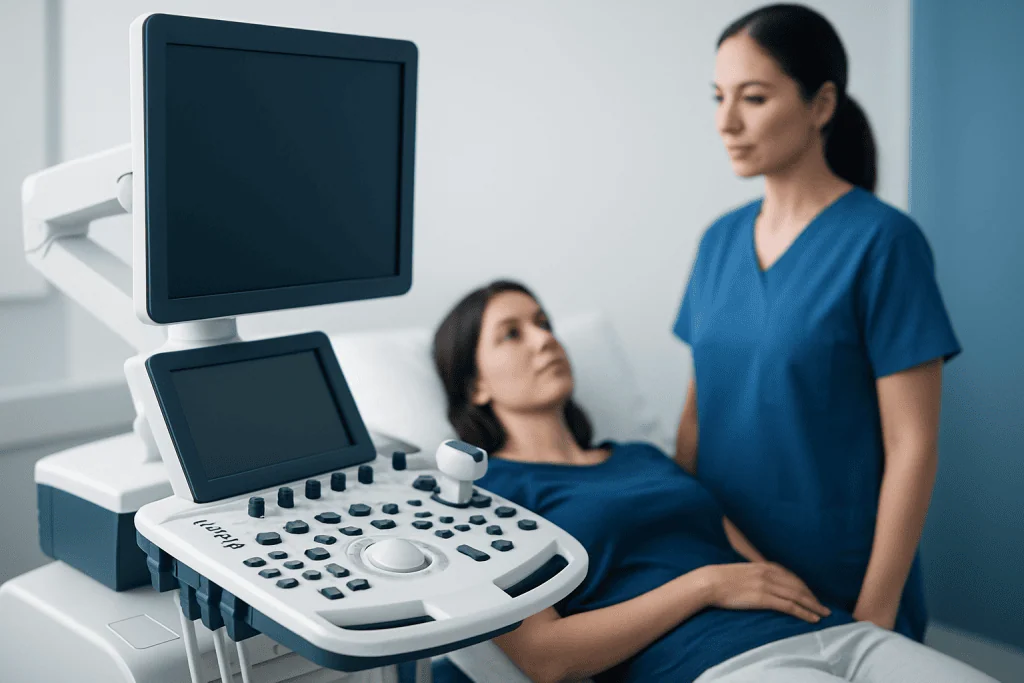
Doctors may also order thyroid peroxidase antibody testing to look for Hashimoto thyroiditis. In selected cases, additional tests such as thyroglobulin antibodies, lipid profile, blood count, or ultrasound may be considered. Thyroid ultrasound is not required for every person with hypothyroidism, but it may be useful if the thyroid is enlarged, nodules are felt, or there are local neck symptoms.
Test interpretation should consider the person’s full medical picture. Pregnancy, recent illness, supplements such as biotin, and certain medicines may affect results. For this reason, it is important to tell the doctor about all prescription medicines, over-the-counter products, vitamins, and supplements before testing.
Treatment Options
The standard treatment for most people with hypothyroidism is levothyroxine, a synthetic form of the main thyroid hormone T4. It replaces what the thyroid gland is not producing in sufficient amounts. The dose is individualized based on age, body size, heart health, pregnancy status, severity of hypothyroidism, other medical conditions, and blood test results.
Levothyroxine is usually taken once daily, often on an empty stomach with water, and separated from products that can reduce absorption. Calcium, iron, some antacids, certain cholesterol medicines, and some supplements may interfere with absorption. A doctor or pharmacist can advise how to time these products safely.
After starting or changing treatment, TSH is typically rechecked after enough time has passed for levels to stabilize. Symptoms may begin to improve gradually, but full improvement can take weeks or longer, especially if hypothyroidism was present for some time. Once the dose is stable, blood tests are usually repeated periodically or sooner if symptoms return, weight changes significantly, pregnancy occurs, or interacting medicines are added.
Some people ask about natural thyroid products or combining T4 and T3 hormones. These approaches are not suitable for everyone and require careful medical supervision because too much thyroid hormone can affect the heart, bones, sleep, and mood. Treatment decisions should be made with a qualified clinician rather than based on symptoms alone.
Prevention, Nutrition and Self-care
Many cases of hypothyroidism, especially autoimmune hypothyroidism, cannot be prevented. However, good self-care supports overall health and helps treatment work well. Taking thyroid medication consistently, attending follow-up visits, and having recommended blood tests are among the most important steps.
Iodine is needed to make thyroid hormone, but more iodine is not always better. In places where iodized salt is used, most people get enough iodine from a balanced diet. High-dose iodine supplements, kelp products, or thyroid-support supplements can sometimes worsen thyroid problems or interfere with treatment, so they should not be used without medical advice.
A thyroid-friendly lifestyle is generally the same as a heart-healthy and metabolism-supportive lifestyle: regular physical activity, adequate sleep, balanced meals with sufficient protein and fiber, and management of stress where possible. If weight has changed, gradual and realistic nutrition and activity plans are safer than extreme diets. For people with celiac disease, anemia, vitamin B12 deficiency, or other autoimmune conditions, targeted testing and treatment may also be needed.
People taking levothyroxine should avoid changing brands, doses, or timing without discussing it with their doctor, because small changes can affect TSH levels. If a dose is missed, patients should follow the instructions given by their clinician or pharmacist rather than doubling doses without advice.
When to See a Doctor
A person should speak with a doctor if they have persistent fatigue, unexplained weight changes, cold intolerance, constipation, dry skin, hair thinning, menstrual changes, low mood, or fertility concerns. These symptoms do not always mean hypothyroidism, but thyroid blood tests can help identify or exclude it as a cause.
Medical advice is especially important during pregnancy or when planning pregnancy, because thyroid hormone supports both maternal health and fetal development. People with known thyroid disease often need closer monitoring before conception, during pregnancy, and after delivery. Dose requirements can change, so testing should not be delayed.
Follow-up is also recommended if someone is already taking thyroid medication and develops palpitations, tremor, increased sweating, unexplained anxiety, insomnia, or unintended weight loss, as these may suggest the dose is too high. Similarly, ongoing tiredness or weight changes despite treatment may require checking thyroid levels and considering other causes such as anemia, sleep disorders, depression, diabetes, or vitamin deficiencies.
Acibadem International’s multidisciplinary specialists and JCI-accredited hospitals diagnose and treat thyroid conditions, including hypothyroidism, for international patients. An endocrinology evaluation can help clarify test results, personalize treatment, and plan safe long-term monitoring.
Frequently asked questions
What is hypothyroidism?
Hypothyroidism is a condition in which the thyroid gland does not make enough thyroid hormone for the body’s needs. Because thyroid hormone helps regulate metabolism and many body functions, low levels can cause tiredness, cold sensitivity, constipation, dry skin, and other symptoms. Diagnosis is confirmed with blood tests, not symptoms alone.
Which blood tests diagnose hypothyroidism?
The main tests are TSH and free T4. A high TSH with a low free T4 usually indicates primary hypothyroidism, while a high TSH with normal free T4 may suggest subclinical hypothyroidism. Thyroid antibody testing may be used to check for Hashimoto thyroiditis.
Can hypothyroidism cause weight gain?
Hypothyroidism can contribute to weight gain or make weight loss more difficult, mainly through slower metabolism and fluid retention. However, weight gain from hypothyroidism alone is often not large, and many other factors can affect body weight. Treatment may help, but healthy nutrition, activity, sleep, and other medical issues should also be considered.
Is hypothyroidism treated for life?
Many people with permanent hypothyroidism, such as from Hashimoto thyroiditis or thyroid surgery, need lifelong thyroid hormone replacement. Some thyroid problems, such as certain types of thyroid inflammation after pregnancy or illness, may be temporary. A doctor can determine the likely cause and whether ongoing treatment is needed.
How long does levothyroxine take to work?
Some people feel gradual improvement within a few weeks, but it can take longer for energy, digestion, skin, hair, and mood to improve. Blood tests are usually repeated after a dose change once hormone levels have had time to stabilize. Patients should not change the dose on their own based only on how they feel.
Can diet or supplements cure hypothyroidism?
Diet can support general health, but it usually cannot replace thyroid hormone when the gland does not make enough. Iodine, selenium, or other supplements are not automatically helpful and may be harmful in excess. Anyone considering supplements should discuss them with a qualified doctor, especially if they take thyroid medication.
Why do symptoms continue if thyroid blood tests are normal?
Persistent symptoms can happen for many reasons, including anemia, vitamin deficiencies, sleep disorders, depression, stress, diabetes, medication effects, or other hormone conditions. If TSH and free T4 are in the target range, a doctor may look beyond the thyroid for additional explanations. A structured review can help avoid unnecessary dose increases and identify treatable causes.
References
- American Thyroid Association
- Endocrine Society
- National Institute of Diabetes and Digestive and Kidney Diseases
- British Thyroid Foundation
- World Health Organization
This article is for general information only and is not a substitute for professional medical advice. Please consult a qualified doctor about your individual situation.
Hypothyroidism in Turkey — costs, top hospitals & a free quote
JCI-accredited · board-certified surgeons · reply within 24h
Add us as a Preferred Source to see more of our trusted health content across Google Search, AI Overviews and Discover.
Check your numbers in seconds
BMI, calories, due date, blood pressure and 30+ more clinical calculators — free, instant, doctor-reviewed ranges.

Check-up & Preventive Medicine
Comprehensive health screenings designed for early detection and prevention.
3 specialists in this unit