Hypotonia Treatment: How It Works, Results and What to Expect

Hypotonia means reduced muscle tone, which can affect posture, movement, feeding and endurance. Treatment targets the underlying condition when one is identified and addresses day-to-day functional needs.
Key Takeaways
- Hypotonia means reduced muscle tone, which can affect posture, movement, feeding and endurance.
- Treatment targets the underlying condition when one is identified and addresses day-to-day functional needs.
- Physical, occupational and speech-language therapy are central parts of care for many people with hypotonia.
- Some children make substantial developmental progress, while outcomes depend on the cause and associated health needs.
- New, sudden or worsening weakness, breathing difficulty or feeding problems require prompt medical assessment.
Hypotonia treatment is individualized because low muscle tone is a sign rather than a single disease. Care commonly combines assessment of the underlying cause with physical, occupational, speech or feeding therapy to support mobility, independence and comfort.
Overview: How hypotonia treatment works
Hypotonia treatment aims to improve function, safety and participation while clinicians investigate and manage the reason for low muscle tone. Hypotonia, often called low muscle tone, describes muscles that feel less resistant to movement than expected. It is different from muscle weakness, although some people have both low tone and reduced strength.
There is no single procedure or medicine that treats every case. A personalized plan may include physical therapy for movement and balance, occupational therapy for hand skills and daily activities, and speech-language therapy for communication, swallowing or feeding concerns. When testing identifies a neurological, genetic, metabolic, muscular or other medical cause, treatment also focuses on that condition.
Goals vary with age and individual needs. For an infant, priorities may include feeding, head control and comfortable positioning. For an older child or adult, the plan may focus on walking, stair climbing, endurance, pain prevention, school or work participation, and independence in everyday life.
Who may benefit and how hypotonia is assessed
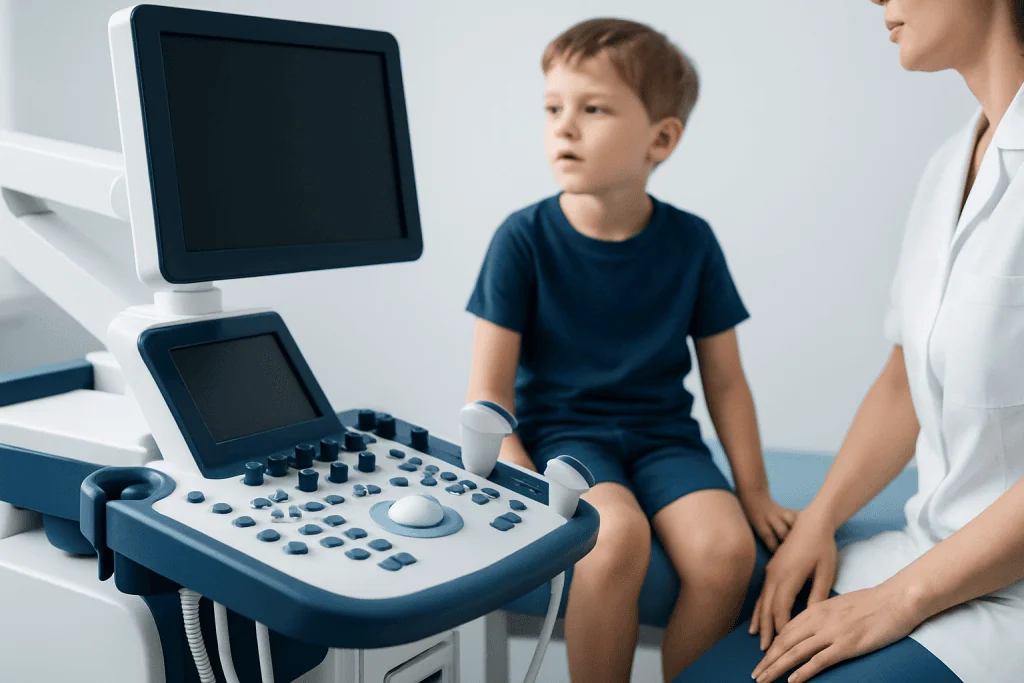
People with hypotonia may benefit from assessment when they have delayed motor milestones, poor head control, a floppy appearance, frequent falls, unusual fatigue, difficulty with fine-motor tasks, speech concerns or feeding challenges. Low tone may be present from birth, develop during childhood, or occur later in life depending on its cause.
A clinician begins with a detailed history and physical examination. They assess posture, reflexes, strength, joint flexibility, coordination, development and, when appropriate, swallowing and breathing. The pattern of symptoms, age at onset and family history help determine whether the concern is mainly related to the brain and nerves, peripheral nerves, muscles, connective tissue, metabolism or another system.
Testing is selected rather than routine for everyone. It may include developmental screening, blood tests, genetic testing, imaging, nerve or muscle studies, and evaluations by specialists such as a pediatric neurologist, geneticist, rehabilitation physician, physiotherapist or speech-language therapist. A clear diagnosis can guide realistic treatment goals and follow-up.
- Infants with feeding or breathing difficulties may need urgent multidisciplinary review.
- Children with joint hypermobility may need guidance on safe movement and joint protection.
- Adults with newly developed hypotonia require assessment for an acquired medical or neurological cause.
Hypotonia treatment: what the care plan involves

Hypotonia treatment is usually delivered as an ongoing rehabilitation plan rather than a one-time intervention. The care team sets practical goals with the patient and family, then adjusts activities as skills and needs change. Therapy should be challenging enough to promote progress but paced to avoid excessive fatigue, pain or discouragement.
Physical therapy may use play, guided exercise and task-specific practice to improve postural control, balance, mobility, coordination and endurance. Therapists can advise on safe positioning, gait training, stretching where needed and activities that build functional strength. Some people may benefit from supportive equipment, such as orthoses, seating systems, walking aids or adapted strollers, selected after an individualized assessment.
Occupational therapy can help develop hand use, self-care skills, sensory-motor abilities and strategies for school, work and home. Speech-language therapy may address speech production, oral-motor skills, chewing, swallowing and communication options. If eating is difficult, the team may include a dietitian and feeding specialist to support nutrition and reduce aspiration risk.
Management of the underlying cause may include condition-specific medication, nutritional treatment, seizure management, respiratory support or specialist care. Families should avoid unproven supplements, restrictive diets or intensive exercise plans unless a qualified clinician has reviewed their safety and likely benefit.
What to expect: therapy steps, progress and recovery timeline
After the initial assessment, the team typically agrees on a small number of measurable goals, such as maintaining sitting balance, climbing stairs with less support, improving pencil control or eating a wider range of textures safely. Sessions may take place in a clinic, hospital, school or home setting. Caregivers are often shown simple activities to incorporate into everyday routines.
There is no universal recovery timeline because hypotonia has many causes. Some infants and children gain skills steadily over months or years as their nervous system matures and they practice new movements. Others need longer-term support when low tone is linked to a lifelong neurological, genetic or neuromuscular condition. Progress is best measured by function and comfort rather than by comparing milestones with another child.
Therapy plans are reviewed regularly. A child who has mastered a movement skill may need new goals for play, school participation or sports, while an adult may need changes after illness, surgery, pain or reduced activity. Reassessment also helps identify equipment needs and prevent complications such as falls, overuse discomfort or reduced participation.
For international patients, Acibadem International’s multidisciplinary specialists and JCI-accredited hospitals can coordinate diagnostic assessment, rehabilitation and condition-specific care when hypotonia requires a broader evaluation.
Benefits, limitations and possible risks
The potential benefits of hypotonia treatment include improved movement efficiency, balance, functional strength, confidence and participation in daily life. Early support for feeding and swallowing can be particularly important for infants and children who struggle to gain weight or cough during meals. Families may also benefit from practical advice that makes routines safer and more manageable.
Treatment cannot always normalize muscle tone or remove the cause of hypotonia. For many people, the realistic goal is to maximize abilities, protect health and maintain independence over time. A clinician can explain the expected outlook after considering the person’s diagnosis, examination findings and developmental progress.
Rehabilitation is generally low risk when delivered by trained professionals, but activities may cause short-term soreness or fatigue. Exercise that is too intense, poorly supervised or unsuitable for joint stability can contribute to pain or injury. Feeding interventions also require careful assessment when swallowing safety is uncertain, because coughing, choking or recurrent chest infections may indicate aspiration.
Caregivers should report new pain, declining skills, increased falls, unusual exhaustion, changes in swallowing or breathing concerns. These changes may mean the plan needs adjustment or that another health issue should be investigated.
Can kids grow out of hypotonia?
Some children with mild hypotonia improve substantially as they grow, develop motor skills and become stronger through normal activity and therapy. This is more likely when low tone is not part of a progressive neurological, genetic, muscle or metabolic condition. However, improvement should not be assumed without appropriate medical assessment.
Even when a child appears to “grow out of” early floppiness, they may continue to have lower endurance, coordination differences, joint flexibility or fine-motor challenges. Periodic review can help ensure that school, play and daily activities remain comfortable and achievable.
When hypotonia has an identifiable underlying cause, the outlook depends mainly on that condition. Early intervention remains valuable because it can support development and help families address practical needs as they arise.
Can you build muscle with hypotonia?
Many people with hypotonia can improve functional strength, endurance and movement skills through appropriately designed activity and therapy. Building strength does not necessarily change the underlying muscle tone, but it can make daily movements such as standing, walking, lifting and maintaining posture easier.
A physiotherapist can recommend activities suited to age, balance, joint stability, heart and lung health, and the underlying diagnosis. Functional exercises, play-based movement, swimming, cycling or carefully progressed resistance activities may be appropriate for some individuals. The right plan is individualized rather than based on a one-size-fits-all fitness program.
Rest and recovery are important. Persistent pain, marked fatigue, worsening weakness or loss of previously gained skills should be discussed with a clinician before increasing activity levels.
Does hypotonia get better with age?
Hypotonia may become less noticeable with age in some people, especially when it is mild and development otherwise progresses well. Greater strength, coordination and experience with movement can improve posture and daily function. In other cases, low tone persists and requires ongoing adaptations or therapy.
Whether hypotonia improves depends on its cause. Stable conditions may allow gradual functional gains, while progressive neuromuscular or neurological conditions can have a different course and need closer specialist monitoring. The healthcare team can provide more individualized expectations once evaluation is complete.
Regular participation in safe physical activity, therapy recommendations and supportive routines can help people make the most of their abilities at every age. The focus remains on meaningful function, wellbeing and participation rather than tone alone.
At what age is hypotonia diagnosed?
Hypotonia can be recognized at any age. It is often noticed in infancy when a baby has poor head control, feels unusually floppy, feeds slowly or does not reach motor milestones as expected. In some children, it becomes more apparent later when running, climbing, handwriting, coordination or stamina are more demanding.
Diagnosis is based on clinical assessment rather than one single test. A pediatrician or other clinician evaluates muscle tone and development, then decides whether specialist review or investigations are needed. Identifying low tone early can allow timely feeding support, therapy and evaluation for associated conditions.
Adults may also be diagnosed when low tone occurs with neurological illness, injury, prolonged inactivity or another acquired condition. Sudden onset should always be assessed promptly.
When to seek medical care
A parent or caregiver should arrange a medical appointment if an infant seems persistently floppy, has trouble holding up the head, feeds poorly, misses expected motor milestones, loses skills or has frequent choking or coughing during feeds. Adults should seek assessment for new low tone, weakness, repeated falls, altered coordination or a meaningful change in mobility.
Urgent medical care is important for difficulty breathing, bluish lips or skin, severe lethargy, inability to feed, signs of dehydration, sudden one-sided weakness, new facial drooping, trouble speaking, or a rapid loss of strength. These symptoms can have causes that need immediate evaluation.
Support is most effective when concerns are shared early and followed over time. A clinician can coordinate referral to the appropriate specialists and help families understand which changes are expected and which need urgent attention.
Frequently asked questions
Is hypotonia the same as muscle weakness?
No. Hypotonia refers to reduced resistance of muscles when they are moved, while weakness means reduced ability to generate force. A person can have hypotonia without significant weakness, although both can occur together depending on the underlying cause.
Is there a cure for hypotonia?
There is no single cure because hypotonia is a clinical sign with many possible causes. When an underlying condition is treatable, addressing it may improve symptoms, while rehabilitation and supportive care can improve daily function in many cases.
How long does hypotonia therapy last?
The duration depends on the person’s age, goals, progress and underlying diagnosis. Some people need short-term support for a specific developmental skill, while others benefit from therapy review and adaptation over a longer period.
What therapy is best for a child with hypotonia?
The most suitable therapy depends on the child’s needs. Physical therapy often supports gross-motor skills and balance, occupational therapy helps with hand skills and daily tasks, and speech-language therapy may help with feeding, swallowing or communication.
Can hypotonia affect feeding?
Yes. Low tone can affect the muscles involved in sucking, chewing and swallowing, particularly in infants and young children. Coughing during feeds, prolonged feeding times, poor weight gain or recurrent chest infections should be evaluated by a healthcare professional.
Should people with hypotonia avoid exercise?
Usually, no. Safe, appropriately tailored activity can support strength, balance, endurance and confidence. The activity plan should be individualized, especially if there is joint instability, heart or lung disease, a neuromuscular condition, pain or significant fatigue.
References
- American Academy of Pediatrics
- Centers for Disease Control and Prevention
- National Institute of Neurological Disorders and Stroke
- National Health Service
- World Health Organization
This article is for general information only and is not a substitute for professional medical advice. Please consult a qualified doctor about your individual situation.
Explore treatments in Turkey — costs, top hospitals & a free quote
JCI-accredited · board-certified surgeons · reply within 24h
Add us as a Preferred Source to see more of our trusted health content across Google Search, AI Overviews and Discover.