Ibogaine Treatment: Potential Benefits, Risks, and Medical Cautions

Ibogaine is a psychoactive substance that is not a standard or widely approved medical treatment for addiction. Some people report reduced withdrawal symptoms or cravings, but evidence is limited and inconsistent.
Key Takeaways
- Ibogaine is a psychoactive substance that is not a standard or widely approved medical treatment for addiction.
- Some people report reduced withdrawal symptoms or cravings, but evidence is limited and inconsistent.
- Ibogaine can cause dangerous complications, including abnormal heart rhythms, mental health effects, and drug interactions.
- A full medical and psychiatric assessment is essential before any discussion of ibogaine.
- Evidence-based addiction treatment usually includes medical supervision, counseling, and long-term follow-up.
- Anyone considering ibogaine should speak with a qualified doctor and addiction specialist first.
Ibogaine treatment is sometimes discussed as a possible aid in addiction recovery, but it remains medically controversial and can cause serious side effects. Patients and families should understand its potential risks, uncertain benefits, and the importance of professional medical care before considering it.
Overview of ibogaine treatment
Ibogaine treatment refers to the use of ibogaine, a naturally derived psychoactive substance, in the context of addiction recovery. It is most often discussed in relation to opioid, stimulant, or alcohol dependence, with the idea that it may reduce withdrawal symptoms, cravings, or the emotional distress linked to substance use. Interest in ibogaine has grown through personal stories and private clinics in some countries, but it is not considered a routine medical treatment in most healthcare systems.
From a medical standpoint, ibogaine remains controversial. Research is limited, treatment protocols vary widely, and there are important concerns about safety. Unlike established addiction care, ibogaine has not been accepted as a standard therapy by many health authorities, partly because its effects can be unpredictable and in some cases severe.
People exploring ibogaine treatment often do so after struggling with long-term substance use or after feeling that conventional care has not fully helped. While that search for relief is understandable, decisions should be made carefully. Addiction is a complex health condition that often needs comprehensive care, including physical, psychological, and social support, rather than a single intervention.
Potential benefits and why people consider it
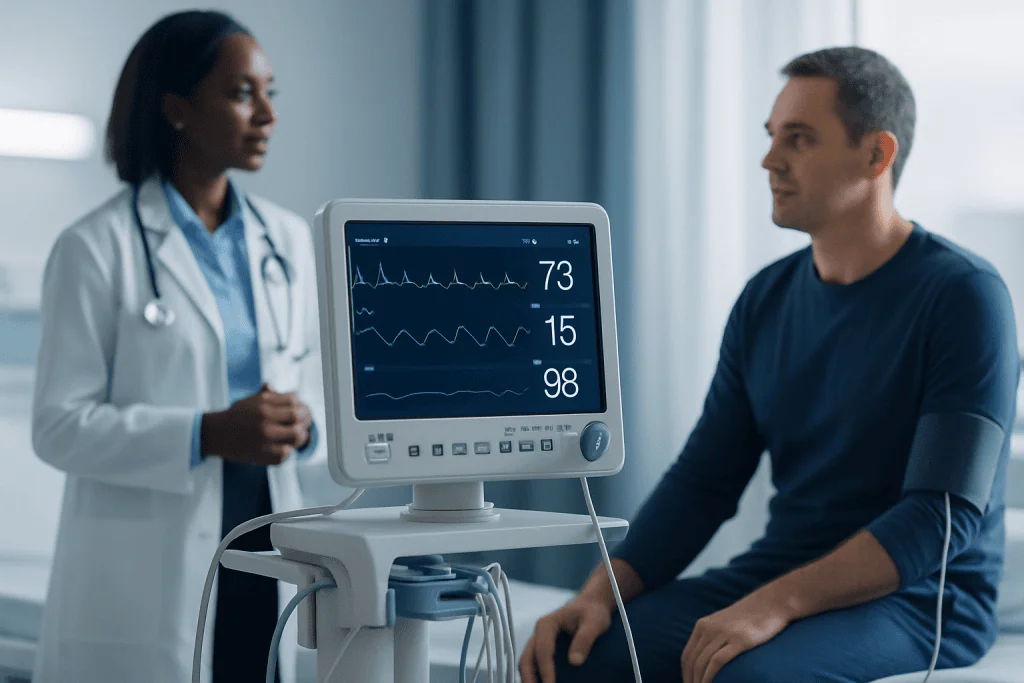
The main reason ibogaine treatment attracts attention is the possibility that it may interrupt the cycle of substance use for some people. Individuals have reported temporary reductions in withdrawal symptoms, decreased cravings, and a period of reflection that helps them reconsider substance use. Some also describe intense psychological experiences that they believe contribute to insight, motivation, or emotional processing.
However, it is important to separate anecdotal reports from strong scientific proof. At present, evidence for ibogaine is still limited, and available studies are generally small, observational, or difficult to compare because treatment settings differ. This means there is not yet clear, high-quality evidence showing that ibogaine is consistently effective or safer than standard care.
Even when early improvement is reported, recovery usually depends on what happens afterward. A person may still need supervised detoxification, mental health treatment, counseling, and structured aftercare. Long-term recovery is more likely when symptoms of substance use disorder are treated within a broader plan that includes relapse prevention, lifestyle support, and follow-up with professionals.
Risks, side effects, and serious medical cautions

Ibogaine treatment can carry significant medical risks. One of the most serious concerns is its effect on the heart. Ibogaine may disturb the heart’s electrical rhythm and increase the risk of dangerous arrhythmias, fainting, or sudden cardiac complications. This risk may be higher in people with underlying heart disease, low potassium or magnesium levels, dehydration, liver problems, or use of other medicines that affect heart rhythm.
Neurological and psychiatric effects are also important. Because ibogaine is psychoactive, it can cause intense changes in perception, confusion, anxiety, agitation, or distressing psychological reactions. In vulnerable individuals, it may worsen underlying mental health conditions such as psychosis, bipolar disorder, severe depression, or trauma-related symptoms. Nausea, vomiting, poor coordination, tremor, and profound fatigue may also occur.
Drug interactions are another major concern. Many people seeking ibogaine treatment are already taking prescription medicines, recreational substances, or undergoing withdrawal. Combining ibogaine with opioids, antidepressants, stimulants, alcohol, sedatives, or other substances can increase toxicity and unpredictability. Because of these concerns, no one should view ibogaine as a low-risk, natural remedy simply because it is plant-derived.
- Possible dangerous heart rhythm changes
- Risk of fainting, breathing problems, or severe weakness
- Confusion, hallucinations, anxiety, or psychological distress
- Serious interactions with medications or substances
- Uncertain dose standardization and inconsistent clinical oversight
Who may be at higher risk
Ibogaine may be especially risky for people with certain medical or psychiatric conditions. A personal or family history of arrhythmia, structural heart disease, prior fainting episodes, seizure disorders, significant liver disease, or electrolyte imbalances should raise concern. The same is true for people taking medications known to affect heart rhythm or those with recent heavy substance use that may already strain the heart and nervous system.
Mental health history also matters. Anyone with psychosis, severe mood instability, suicidal thoughts, or significant dissociation may face a higher chance of harmful psychological effects. Because many individuals with addiction also live with anxiety, depression, or trauma, careful psychiatric assessment is essential rather than optional.
Pregnancy, older age, frailty, and untreated chronic illness may add further risk. In practice, a person who appears highly motivated for ibogaine treatment may still be medically unsuitable for it. That is why decisions should never rely on online claims or informal advice alone. Instead, a structured assessment by qualified addiction and medical professionals is the safer approach.
Assessment, diagnosis, and safer medical evaluation
Before considering any treatment related to substance use, the first step is a complete evaluation. This usually includes a medical history, substance use history, mental health screening, physical examination, and review of current medications and supplements. Doctors may also assess the person’s pattern of use, previous withdrawal experiences, overdose risk, and the presence of coexisting conditions such as anxiety, depression, liver disease, or heart rhythm disorders.
Basic testing may include blood work, liver function tests, electrolyte levels, and an electrocardiogram to check the heart’s rhythm. In many cases, this kind of evaluation can identify serious risks that make ibogaine unsuitable. It can also reveal safer, evidence-based alternatives for withdrawal management and recovery planning.
This assessment is valuable even for people who ultimately decide against ibogaine. It helps clarify what type of care is needed now, whether that means monitored detoxification, medication-assisted treatment, psychiatric care, or a structured rehabilitation program. A thorough evaluation supports informed decision-making and reduces the chance of avoidable harm.
Evidence-based treatment options for addiction recovery
For most patients, standard addiction care offers a more established and medically supervised path than ibogaine treatment. Depending on the substance involved, treatment may include monitored withdrawal care, approved medications, individual therapy, group support, family counseling, and relapse prevention planning. These approaches are backed by broader clinical experience and can be tailored to the individual’s medical and emotional needs.
For opioid use disorder, medication-based treatment is often an important option. For alcohol or sedative dependence, supervised withdrawal may be essential because abrupt stopping can be dangerous. Psychological treatment is also central, especially for people coping with trauma, depression, anxiety, or patterns of repeated relapse. In some cases, a person may benefit from a structured rehabilitation program or comprehensive psychiatric care as part of recovery.
When addiction has affected physical health, broader medical support may be needed as well. That can include evaluation by internal medicine, cardiology, or neurology depending on symptoms and history. The most helpful treatment plan is usually one that combines safety, continuity, and realistic long-term support rather than relying on a single intense intervention.
Aftercare, self-care, and when to seek medical help
Whether a person is considering ibogaine treatment, recovering from substance use, or reassessing past treatment attempts, aftercare remains essential. Recovery is often stronger when it includes regular follow-up, counseling, healthy sleep, nutrition, hydration, stress management, and support from trusted family members or peer groups. Building a structured routine can help reduce relapse risk and improve emotional stability over time.
Immediate medical attention is important if someone develops chest pain, fainting, palpitations, severe shortness of breath, seizure-like activity, extreme confusion, suicidal thoughts, or sudden changes in behavior after using ibogaine or any other psychoactive substance. These symptoms should not be dismissed as a normal part of treatment. Prompt emergency care can be lifesaving.
It is also wise to seek professional help if cravings return, mood symptoms worsen, or daily functioning remains difficult after a detox or psychedelic-type experience. Recovery rarely ends with one treatment session. Acibadem International’s multidisciplinary specialists in JCI-accredited hospitals evaluate and treat addiction-related medical and mental health concerns for international patients, including the need for coordinated medical assessment and follow-up care.
Frequently asked questions
Is ibogaine treatment approved for addiction treatment?
Ibogaine is not a standard approved treatment for addiction in many countries. Its legal status and medical regulation vary by location, and safety concerns remain significant. Anyone considering it should first discuss evidence-based options with a qualified addiction specialist.
Can ibogaine stop withdrawal symptoms completely?
Some people report that ibogaine reduces withdrawal symptoms, but this effect is not guaranteed and may not be complete. Withdrawal severity depends on the substance used, overall health, and the care setting. Because complications can occur, medical supervision is important for any withdrawal treatment.
Why is ibogaine considered risky?
The main concerns are dangerous heart rhythm changes, psychiatric reactions, and interactions with other substances or medications. Ibogaine can also be unpredictable because product purity, dose, and monitoring may vary. These risks make unsupervised use especially unsafe.
Who should avoid ibogaine treatment?
People with heart disease, a history of arrhythmia, seizures, serious liver problems, or certain mental health conditions may face higher risk. It may also be unsafe during pregnancy or when taking medications that affect the heart or brain. A doctor should assess suitability before any consideration of ibogaine.
Are there safer alternatives to ibogaine for addiction recovery?
Yes. Many patients benefit from supervised detoxification, approved medications, counseling, and long-term relapse prevention support. The best treatment depends on the substance involved and the person's medical and mental health history.
What should a person do after an ibogaine experience?
Follow-up care is important even if the person feels better at first. They may still need medical review, psychological support, sleep and nutrition guidance, and a structured recovery plan. Ongoing care helps address relapse risk and any delayed side effects.
References
- World Health Organization
- National Institute on Drug Abuse
- Substance Abuse and Mental Health Services Administration
- U.S. Food and Drug Administration
- European Monitoring Centre for Drugs and Drug Addiction
This article is for general information only and is not a substitute for professional medical advice. Please consult a qualified doctor about your individual situation.
Explore treatments in Turkey — costs, top hospitals & a free quote
JCI-accredited · board-certified surgeons · reply within 24h
Add us as a Preferred Source to see more of our trusted health content across Google Search, AI Overviews and Discover.

More from the Health Library



Related Specialists

Dr. Cem Tangay
Orthopedic Surgery & Traumatology
Dr. Nur Kaşkır Öztürk
Pulmonology
Asst. Prof. Dr. Kemal Ünal
Gastrointestinal Oncology Unit Clinical Service
Dr. Canan Genim Erdem
Gynecology & Obstetrics