Ibuprofen for Stomach Ulcer: What It Treats, How It Works, and What to Watch For

Ibuprofen is used for pain, inflammation, and fever, but it is not a medicine for healing stomach ulcers. NSAIDs such as ibuprofen can reduce protective substances in the stomach lining, increasing ulcer and bleeding risk.
Key Takeaways
- Ibuprofen is used for pain, inflammation, and fever, but it is not a medicine for healing stomach ulcers.
- NSAIDs such as ibuprofen can reduce protective substances in the stomach lining, increasing ulcer and bleeding risk.
- Black stools, vomiting blood, fainting, severe abdominal pain, or sudden weakness require urgent medical assessment.
- Ulcer treatment depends on the cause and may include stopping an offending NSAID, acid-suppressing medicine, and testing for Helicobacter pylori.
- People using blood thinners, corticosteroids, certain antidepressants, or regular alcohol should ask a clinician about ibuprofen safety.
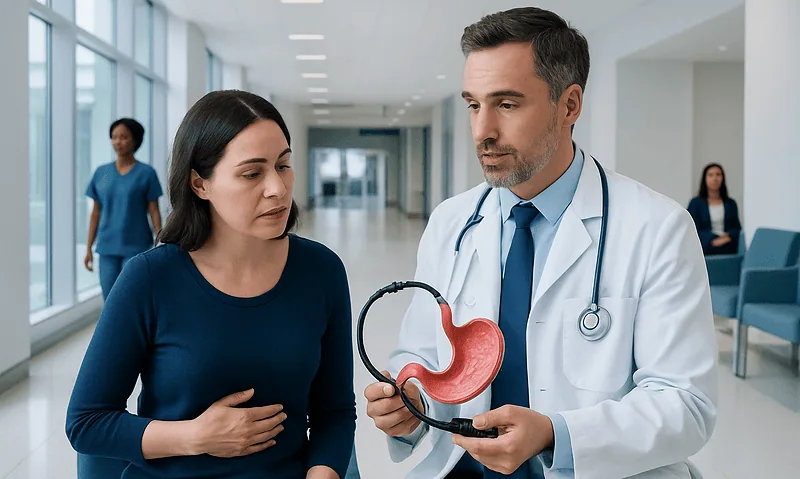
Ibuprofen does not treat a stomach ulcer. As a nonsteroidal anti-inflammatory drug (NSAID), it can irritate the stomach lining and may cause, worsen, or complicate ulcers, including by increasing the risk of bleeding. Anyone with ulcer symptoms or a history of ulcers should discuss pain-relief choices with a qualified clinician.
Overview: Can Ibuprofen Treat a Stomach Ulcer?
Ibuprofen for stomach ulcer is generally not appropriate: ibuprofen does not heal ulcers and may make them worse. It belongs to a group of medicines called nonsteroidal anti-inflammatory drugs, or NSAIDs, which are commonly used to relieve pain, reduce inflammation, and lower fever.
Stomach ulcers are sores in the stomach lining. They most often develop because of infection with Helicobacter pylori (H. pylori) bacteria or use of NSAIDs, including ibuprofen, naproxen, and aspirin. An ulcer may cause upper abdominal discomfort, but some ulcers cause few or no symptoms until bleeding occurs.
A person who thinks they may have an ulcer should not simply manage symptoms with over-the-counter pain medicine. A clinician can identify likely causes, review medicines and health conditions, and recommend an appropriate plan. Stomach ulcer information can help explain the condition and its usual medical evaluation.
Why Ibuprofen Can Harm the Stomach Lining
The stomach normally produces mucus and other protective substances that help shield its lining from digestive acid. Ibuprofen blocks enzymes involved in producing prostaglandins, substances that contribute to pain and inflammation but also help maintain this protective barrier. With less protection, stomach acid can more readily injure the lining.
This effect can lead to inflammation of the stomach lining, known as gastritis, or contribute to an ulcer. Ibuprofen can also affect blood clotting to a limited degree, which may make bleeding from an existing ulcer more likely or harder to notice early.
Risk is influenced by more than one dose or one day of use. Risk may rise with higher or prolonged use, but ulcers and bleeding can occasionally occur without warning, including in people taking nonprescription products. Taking ibuprofen with food may lessen temporary indigestion for some people, but it does not reliably prevent an ulcer or gastrointestinal bleeding.
People should read the product label carefully. Ibuprofen may be present in some combination cold, flu, menstrual-symptom, or pain products, so accidental use of more than one NSAID-containing medicine is possible.
Who Has a Higher Risk of NSAID-Related Ulcers?

Anyone can experience stomach irritation from ibuprofen, but certain factors make an ulcer or gastrointestinal bleeding more likely. A previous stomach or duodenal ulcer, especially one that bled, is an important risk factor. Older age, serious illness, and regular or prolonged NSAID use may also increase risk.
Other medicines can add to the concern. These include prescription blood thinners or anticoagulants, antiplatelet medicines, corticosteroids, and some antidepressants known as selective serotonin reuptake inhibitors. Aspirin is also an NSAID, although it may be prescribed for cardiovascular reasons; people should not stop prescribed aspirin without speaking to the clinician who manages it.
Alcohol can irritate the stomach and may increase bleeding risk when combined with NSAIDs. Smoking may also delay ulcer healing. Kidney disease, liver disease, heart disease, dehydration, and pregnancy can affect whether ibuprofen is suitable for a particular individual.
- A history of ulcers, gastrointestinal bleeding, or H. pylori infection
- Use of blood thinners, steroids, aspirin, or another NSAID
- Regular alcohol use or smoking
- Older age or significant kidney, liver, or cardiovascular disease
Symptoms That Need Attention
Ulcer symptoms vary. Some people describe burning, aching, gnawing, or discomfort in the upper abdomen. Symptoms may come and go, may relate to meals, or may be accompanied by nausea, bloating, early fullness, belching, or loss of appetite. These symptoms can also occur with other digestive conditions, so they do not confirm an ulcer on their own.
Bleeding is a serious possible complication. It may be visible as vomit that is bloody or resembles coffee grounds, or as black, sticky, tar-like stools. Slow bleeding can sometimes cause tiredness, shortness of breath with activity, paleness, or light-headedness because of anemia.
Not every ulcer is painful. This is one reason people with higher risk factors should be cautious about ibuprofen and should seek advice if they develop persistent digestive symptoms. A healthcare professional may advise avoiding NSAIDs while symptoms are being assessed.
How a Stomach Ulcer Is Diagnosed and Treated
Diagnosis starts with a medical history, including symptoms, current medicines, alcohol use, and prior ulcers or bleeding. Depending on the situation, testing for H. pylori may involve a breath test, stool test, or tissue sample. Blood tests may help identify anemia when bleeding is suspected.
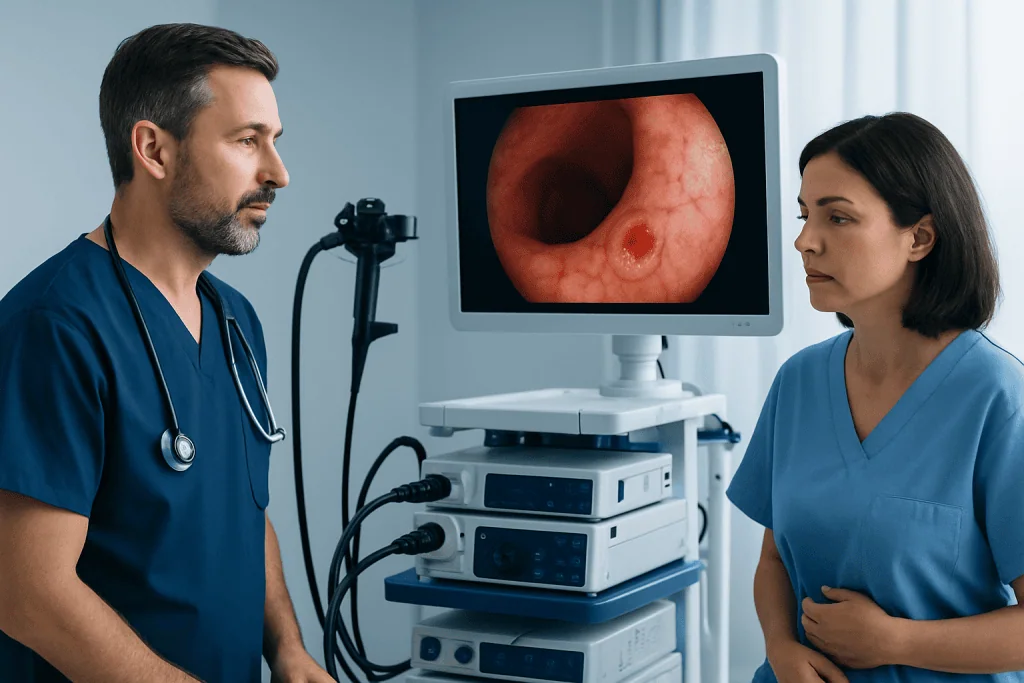
Upper endoscopy is often considered when symptoms are concerning, recurrent, persistent, or associated with warning signs. During this procedure, a flexible camera examines the esophagus, stomach, and first part of the small intestine. It can identify ulcers, obtain biopsies when needed, and sometimes treat a source of bleeding.
Treatment focuses on the cause. When an NSAID is contributing, a clinician may recommend stopping it or choosing another approach to pain management. Medicines that lower stomach acid, commonly proton pump inhibitors, are frequently used to support healing. If H. pylori is found, treatment usually includes a combination of antibiotics and acid suppression, followed by testing to confirm the infection has cleared when appropriate.
Care should be individualized, particularly for people who need an NSAID or aspirin for an ongoing medical reason. Upper endoscopy may be used to investigate symptoms or manage certain ulcer-related problems under specialist guidance.
Medication Safety and Pain-Relief Choices
Ibuprofen labels advise users to seek medical advice before use if they have had stomach ulcers or bleeding, have a serious medical condition, or take certain other medicines. It should not be combined with another NSAID unless a clinician specifically recommends this. Medication lists should include nonprescription medicines, supplements, and combination products.
For some people, an alternative pain-relief medicine may be more suitable, but the best option depends on the reason for pain and the person’s liver, kidney, heart, stomach, pregnancy, and medication history. Acetaminophen (also called paracetamol) does not belong to the NSAID group and does not have the same ulcer mechanism, but it is not suitable for everyone and can harm the liver if used improperly. A pharmacist or clinician can help compare safe options.
People should follow the official product label and any individual prescription instructions. They should not increase a dose, lengthen use, or use ibuprofen to self-treat ongoing abdominal pain without clinical advice. Questions about a specific dose, timing, or medicine combination should be directed to a doctor or pharmacist.
When to Seek Medical Care
Urgent medical care is needed for vomiting blood or coffee-ground material, black tar-like stools, fainting, confusion, sudden severe abdominal pain, a rigid abdomen, chest pain, or symptoms of shock such as marked weakness, clammy skin, or a fast heartbeat. These signs can indicate significant bleeding or another urgent condition.
A non-urgent medical appointment is appropriate for persistent upper abdominal pain, recurrent indigestion, unexplained nausea or vomiting, trouble swallowing, reduced appetite, unintended weight loss, fatigue, or symptoms that begin after taking ibuprofen or another NSAID. A clinician can assess whether an ulcer, gastritis, reflux, gallbladder disease, or another condition may be responsible.
Acibadem International’s multidisciplinary specialists and JCI-accredited hospitals diagnose and treat digestive conditions for international patients. Timely assessment can help clarify the cause of symptoms and guide treatment safely.
Frequently asked questions
Can ibuprofen heal a stomach ulcer?
No. Ibuprofen is not an ulcer treatment and can damage the stomach lining, potentially causing or worsening an ulcer. A clinician may recommend acid-reducing treatment and evaluate for causes such as H. pylori infection or NSAID use.
Can I take ibuprofen if I have had a stomach ulcer before?
A past ulcer, especially one that bled, can increase the risk of another ulcer or gastrointestinal bleeding with ibuprofen. A clinician or pharmacist should review the person’s health history and medicines before ibuprofen is used. Do not assume that occasional or over-the-counter use is automatically safe.
Does taking ibuprofen with food protect against ulcers?
Taking ibuprofen with food may reduce short-term stomach upset in some people, but it does not reliably prevent ulcers or bleeding. People with ulcer symptoms or risk factors should seek professional advice rather than relying on food to make NSAID use safe.
What are warning signs of bleeding from a stomach ulcer?
Warning signs include black, tar-like stools; vomiting blood; vomit that looks like coffee grounds; fainting; and marked weakness or dizziness. These symptoms need urgent medical assessment. Slow bleeding may also cause ongoing fatigue, pallor, or shortness of breath.
What medicines should not be combined with ibuprofen without medical advice?
Ibuprofen should not be combined with another NSAID unless advised by a clinician. It can also interact with medicines such as blood thinners, antiplatelet drugs, corticosteroids, certain antidepressants, some blood pressure medicines, and diuretics. A pharmacist can check a complete medicine and supplement list.
How long does a stomach ulcer take to heal?
Healing time varies according to the ulcer’s cause, size, location, and whether the person can stop an offending medicine. Many ulcers improve with appropriate treatment, but follow-up may be needed, particularly for ulcers linked to H. pylori, ongoing NSAID need, bleeding, or persistent symptoms. A clinician can explain the expected course for the individual situation.
References
- U.S. Food and Drug Administration
- National Institute of Diabetes and Digestive and Kidney Diseases
- American College of Gastroenterology
- National Health Service
- Mayo Clinic
This article is for general information only and is not a substitute for professional medical advice. Please consult a qualified doctor about your individual situation.
Persistent digestive symptoms? Get evaluated in Turkey
JCI-accredited · board-certified surgeons · reply within 24h
Add us as a Preferred Source to see more of our trusted health content across Google Search, AI Overviews and Discover.