Ideomotor Apraxia: A Complete Medical Overview

Ideomotor apraxia affects motor planning, not simply muscle strength, motivation, or intelligence. A person may be unable to mime using a tool or make a familiar gesture on request but may sometimes perform the action more naturally in daily life.
Key Takeaways
- Ideomotor apraxia affects motor planning, not simply muscle strength, motivation, or intelligence.
- A person may be unable to mime using a tool or make a familiar gesture on request but may sometimes perform the action more naturally in daily life.
- Stroke is a common cause, but traumatic brain injury, brain tumors, and neurodegenerative conditions can also contribute.
- Assessment includes neurological examination, observation of gestures and everyday tasks, and brain imaging when appropriate.
- Treatment focuses on the underlying cause and individualized rehabilitation, particularly occupational therapy and practical support.
- Sudden new difficulty with speech, facial movement, arm use, balance, or learned actions needs urgent medical assessment.
Ideomotor apraxia is a neurological condition in which a person has difficulty carrying out familiar learned movements or gestures when asked, even though they understand the instruction and may have enough strength to move. It commonly results from damage to brain networks involved in planning skilled actions and requires assessment of the underlying cause.
What Is Ideomotor Apraxia?
Ideomotor apraxia is difficulty translating an idea for a learned movement into the correct action. A person may understand exactly what is being asked and have sufficient movement, sensation, and attention to try, yet still struggle to perform a familiar gesture such as waving goodbye, saluting, pretending to brush their teeth, or showing how to use a key.
The condition is not caused by a lack of effort or by poor intelligence. Instead, it reflects disruption in brain networks that organize and retrieve learned purposeful movements. The difficulty is most evident when a movement is performed on command or by imitation. In some cases, the person may carry out a similar action more successfully when it occurs naturally in a familiar real-life setting.
Ideomotor apraxia is a clinical sign rather than a diagnosis by itself. It can affect one hand, both hands, the face, or the whole body, and it may occur alongside language difficulties, weakness, sensory changes, visual-spatial problems, or cognitive changes. The pattern and timing of symptoms help clinicians identify the possible underlying condition.
How Ideomotor Apraxia May Appear in Daily Life
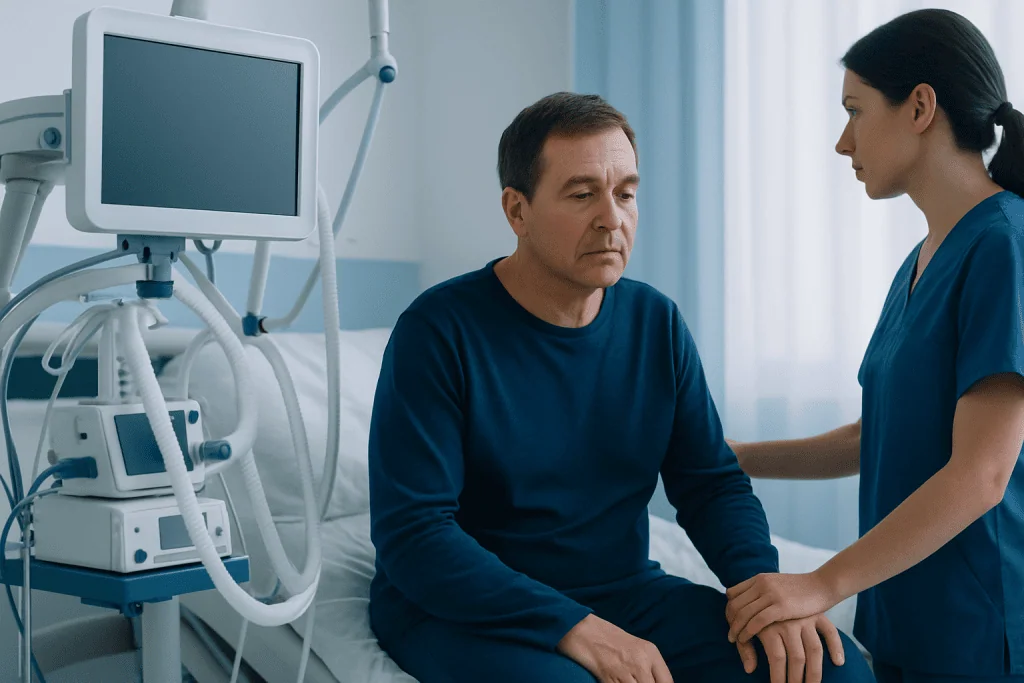
Symptoms vary considerably. Someone may use the wrong hand position, move in the wrong direction, use part of the body as if it were the object, or perform only part of a requested gesture. For example, when asked to demonstrate using a toothbrush, the person may make an awkward hand movement near the mouth rather than correctly miming holding and moving a toothbrush.
Tasks that require several planned steps can become difficult, including dressing, preparing food, using household tools, operating a phone, or learning new routines. These challenges can be frustrating, especially when the person knows what they want to do. Family members may mistakenly interpret the problem as forgetfulness, clumsiness, unwillingness, or confusion.
The symptom can be subtle. A person may compensate by relying on routines, watching others, using the actual object rather than pantomiming its use, or taking extra time. A structured assessment is therefore useful, particularly after a stroke or head injury, or when difficulties are gradually worsening.
- Difficulty copying hand or finger positions
- Problems making symbolic gestures, such as waving or signaling “come here”
- Awkward use of familiar tools despite knowing their purpose
- Trouble following a motor command that is not explained by weakness
- Greater difficulty when asked to demonstrate an action than when using a real object
Why It Happens: Brain Networks and Causes

Purposeful actions depend on connected brain regions rather than a single “movement center.” In many right-handed people, and in many left-handed people as well, the left side of the brain has an important role in storing and organizing learned movement patterns. Areas in the parietal and frontal lobes, together with the connections between them, help turn an intention into a coordinated action.
Stroke is one of the most common causes of new-onset ideomotor apraxia, particularly when it affects the left cerebral hemisphere. Symptoms may also develop after traumatic brain injury, brain surgery, infection or inflammation involving the brain, or a brain tumor. The exact effects depend on the location and extent of brain involvement.
Some neurodegenerative conditions can cause apraxia that develops gradually. These include corticobasal syndrome and certain forms of dementia, including Alzheimer’s disease. In these situations, apraxia may be one part of a broader pattern that can include changes in memory, language, behavior, movement, or independence. Clinicians assess all symptoms together rather than drawing conclusions from apraxia alone.
How Doctors Diagnose It
Diagnosis begins with a detailed history. A clinician may ask when the problem began, whether it appeared suddenly or gradually, which activities are affected, and whether there are accompanying symptoms such as weakness, numbness, speech changes, headache, seizures, memory difficulties, or changes in walking. Information from a family member or caregiver can be particularly helpful because everyday problems may be more noticeable at home.
During a neurological examination, the clinician checks strength, muscle tone, reflexes, sensation, vision, coordination, language, attention, and spatial awareness. They may ask the person to carry out meaningful gestures on command, imitate gestures, use an actual object, or complete a practical task. Comparing performance in different situations helps distinguish motor-planning difficulty from other causes of impaired movement.
Brain imaging, usually CT or MRI, may be needed to look for stroke, bleeding, a tumor, structural injury, or other changes. Cognitive, language, and occupational therapy assessments can provide a detailed picture of how symptoms affect safety and daily activities. Apraxia should be differentiated from weakness, tremor, joint pain, ataxia, neglect, loss of sensation, aphasia, and severe memory impairment, as these conditions can also make tasks difficult.
Treatment and Rehabilitation Options
There is no single treatment that reverses ideomotor apraxia in every situation. Care is directed at the cause and at the practical effects of the condition. For example, treatment after stroke may include acute stroke care and prevention of further vascular events, while treatment for a tumor, inflammation, or neurodegenerative disorder is tailored to the specific diagnosis.
Occupational therapy is often central to rehabilitation. Therapists can break activities into manageable steps, practice meaningful routines, recommend adaptive equipment, and adjust the home or work environment to support independence. Repeated practice with real objects, visual cues, verbal prompts, demonstration, and consistent routines may help some people perform tasks more effectively.
Physical therapy may be useful when walking, balance, strength, or general mobility are also affected. Speech and language therapy can help when apraxia occurs with aphasia or other communication difficulties. Rehabilitation goals are individualized and may focus on dressing, eating, personal care, safe transfers, household activities, communication, or returning to valued roles.
Recovery varies according to the cause, the area of brain affected, other neurological symptoms, and access to rehabilitation. Early assessment and regular review can help the care team adapt strategies as needs change. Acibadem International’s multidisciplinary specialists and JCI-accredited hospitals diagnose and treat neurological conditions for international patients, with rehabilitation planning based on individual functional goals.
Practical Support, Prevention and Self-Care
For people living with apraxia, simple, predictable approaches are often most helpful. It may be easier to give one instruction at a time, demonstrate the action, allow extra time, and reduce distractions. Calm encouragement is preferable to repeated correction, since frustration and fatigue can make planning movements more difficult.
Using labeled storage, laying out items in the order they will be used, keeping commonly used objects in consistent places, and choosing clothing or tools that are easier to manage can support independence. Caregivers should avoid taking over every task when safe practice is possible. Occupational therapists can advise on tailored strategies, safety measures, and equipment for the person’s home and routines.
Not all causes of ideomotor apraxia can be prevented. However, lowering the risk of stroke can reduce the risk of stroke-related apraxia. This includes managing blood pressure, diabetes and cholesterol when present; avoiding tobacco; staying physically active within medical advice; eating a balanced diet; and seeking regular medical care for cardiovascular risk factors.
When to Seek Medical Care
Sudden difficulty performing familiar actions, particularly when accompanied by facial drooping, arm weakness, numbness, trouble speaking, confusion, vision changes, severe imbalance, or a sudden severe headache, may be a sign of stroke. Emergency medical services should be contacted immediately. Prompt assessment is important even if symptoms improve after a short time.
A non-emergency medical appointment is appropriate for new or gradually worsening problems using tools, dressing, writing, making gestures, following movement instructions, or managing familiar daily tasks. Assessment is also important after a head injury, seizure, brain infection, or known neurological illness.
Family members should share observations about changes in function, safety concerns, falls, medication management, and the person’s ability to manage at home. A clinician can arrange appropriate neurological evaluation and referrals to rehabilitation professionals when needed.
Frequently asked questions
Is ideomotor apraxia the same as weakness?
No. Weakness means the muscles cannot generate normal force, while ideomotor apraxia is primarily a problem planning and organizing a learned action. A person can have both conditions at the same time, especially after a stroke, so careful examination is needed.
Can a person with ideomotor apraxia understand what they are being asked to do?
Often, yes. The person may understand the verbal instruction and recognize the purpose of the movement but still be unable to produce the action accurately. Language or memory problems can coexist, however, and may further affect performance.
Does ideomotor apraxia improve after a stroke?
Some people improve, particularly with recovery after the initial injury and individualized rehabilitation. The degree and pace of improvement vary based on the stroke location and size, other symptoms, general health, and therapy participation. Rehabilitation can also teach compensatory methods for tasks that remain difficult.
What is the difference between ideomotor and ideational apraxia?
Ideomotor apraxia mainly affects performing a learned gesture correctly on command or imitation. Ideational apraxia more often involves difficulty understanding, sequencing, or completing the steps of a multistage activity, such as preparing a meal or using several objects in order. The terms may overlap in clinical practice.
Can ideomotor apraxia occur with dementia?
Yes. It may occur in some neurodegenerative disorders, including Alzheimer’s disease and corticobasal syndrome. When symptoms develop gradually, clinicians consider cognitive, language, movement, and functional changes together to identify the most likely cause.
How can family members help someone with apraxia?
Family members can simplify the environment, give short step-by-step prompts, demonstrate actions, and allow adequate time for a response. It is helpful to encourage safe independence and ask an occupational therapist for strategies tailored to the person’s daily routines. Sudden symptom changes should be treated as urgent.
References
- National Institute of Neurological Disorders and Stroke
- American Stroke Association
- Merck Manual Professional Edition
- Mayo Clinic
- World Health Organization
This article is for general information only and is not a substitute for professional medical advice. Please consult a qualified doctor about your individual situation.
Explore treatments in Turkey — costs, top hospitals & a free quote
JCI-accredited · board-certified surgeons · reply within 24h
Add us as a Preferred Source to see more of our trusted health content across Google Search, AI Overviews and Discover.