Immediate Treatment for High Blood Pressure at Home: How It Works, Results and What to Expect
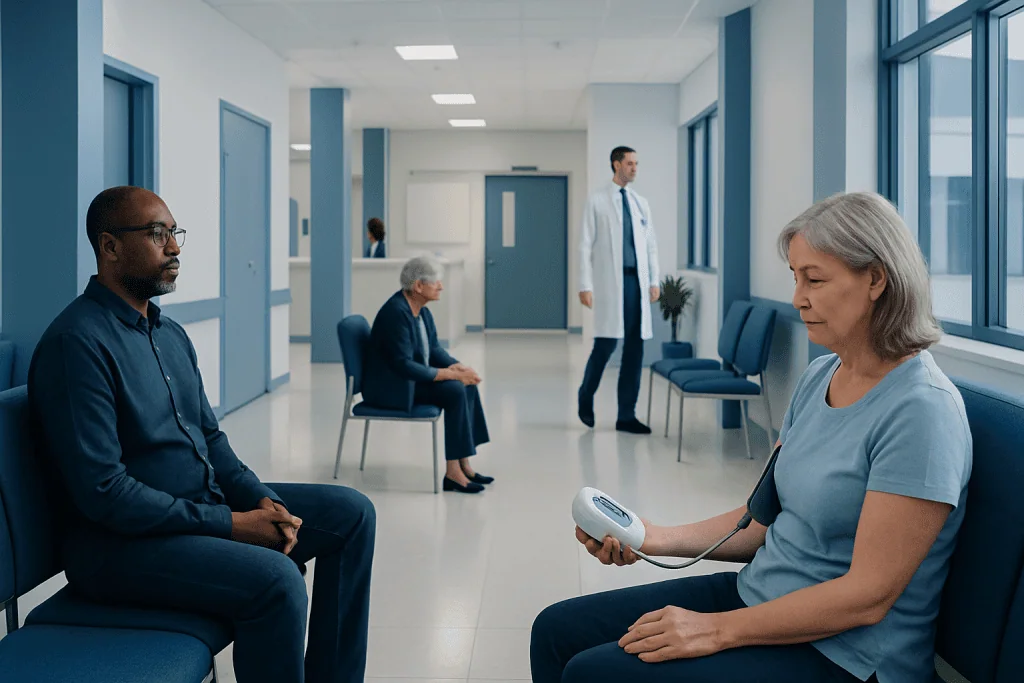
A single high home reading should be repeated after at least 5 minutes of quiet rest using correct measurement technique. Blood pressure of 180/120 mmHg or higher with chest pain, shortness of breath, neurological symptoms, vision changes, or severe headache is a medical emergency.
Key Takeaways
- A single high home reading should be repeated after at least 5 minutes of quiet rest using correct measurement technique.
- Blood pressure of 180/120 mmHg or higher with chest pain, shortness of breath, neurological symptoms, vision changes, or severe headache is a medical emergency.
- Do not take an extra dose, someone else’s medicine, or unprescribed fast-acting medication to lower blood pressure unless a clinician has specifically instructed this.
- There is no safe home method that cures high blood pressure in 15 minutes; long-term control usually needs regular monitoring, lifestyle measures, and prescribed treatment.
- A clinician should review repeated high readings even when no emergency symptoms are present.
Immediate treatment for high blood pressure at home is usually not a medicine or remedy that lowers numbers instantly. The safest first steps are to sit quietly, repeat the measurement correctly, follow an existing clinician-approved plan, and get emergency help promptly when severe readings occur with warning symptoms.
Immediate treatment for high blood pressure at home: the safe first response
Immediate treatment for high blood pressure at home begins with checking whether the reading is accurate and whether there are symptoms that need urgent medical assessment. A stressful event, recent activity, pain, caffeine, nicotine, a full bladder, or incorrect cuff placement can temporarily raise a measurement. Sitting quietly and measuring again correctly can provide a more reliable result.
If the blood pressure is 180/120 mmHg or higher and the person has chest pain, trouble breathing, weakness or numbness, difficulty speaking, confusion, fainting, severe headache, new vision changes, or severe back pain, emergency services should be contacted immediately. These symptoms may indicate damage to organs such as the heart, brain, kidneys, or eyes and should not be managed at home.
If the reading is very high but there are no warning symptoms, the person should sit calmly, avoid exertion, and repeat the measurement after at least 5 minutes. If it remains at or above 180/120 mmHg, they should contact a doctor or urgent medical service as soon as possible for individual advice. They should not try to force the number down rapidly with unapproved remedies or extra medication.
How it works: why a calm repeat measurement matters
Blood pressure naturally varies throughout the day. It rises and falls in response to activity, emotions, sleep, meals, medicines, illness, and other factors. Home monitoring is useful because it helps identify patterns, but the result is only meaningful when the device, cuff size, body position, and timing are appropriate.
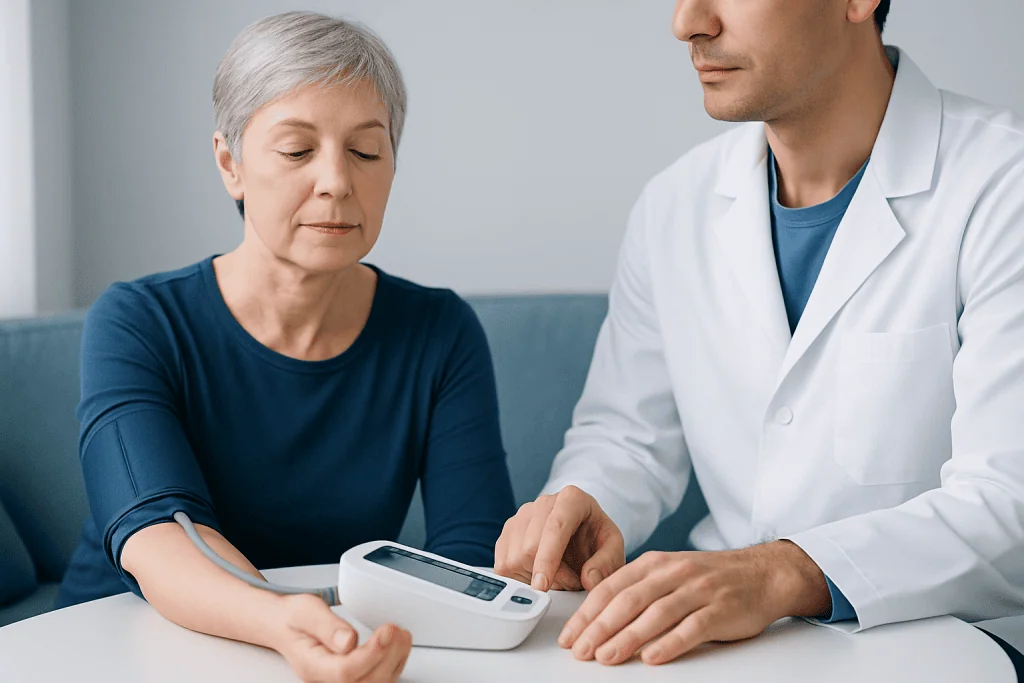
For a repeat measurement, the person should empty their bladder, sit with their back supported, keep both feet flat on the floor, and rest the arm on a surface so the cuff is level with the heart. The cuff should be placed on bare skin, not over clothing. Talking, crossing the legs, or checking the reading immediately after walking can increase the result.
A validated upper-arm monitor is generally preferred for home checks. Taking two readings about one minute apart and recording both results, along with the time and any symptoms, gives the clinician more helpful information than relying on one number. A regular record can support the assessment and management of hypertension.
How to get blood pressure to go down immediately?
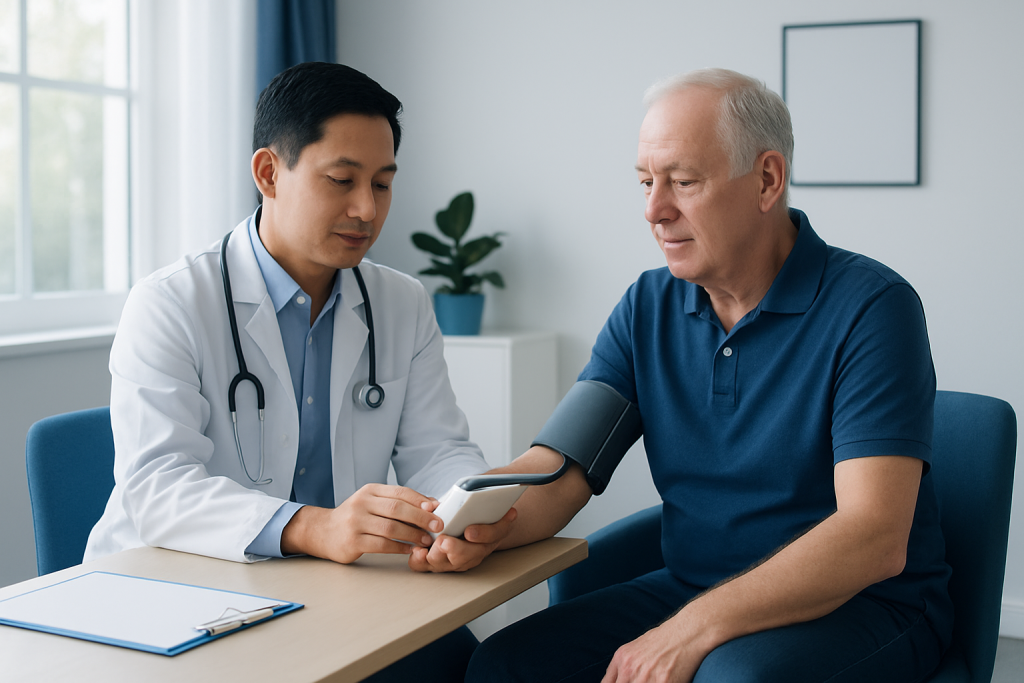
The safest way to respond at home is to stop activity, sit quietly, breathe normally, and repeat the blood pressure reading after resting. This may lower a temporarily stress-related reading, but it is not a treatment for persistently high blood pressure. The goal is to obtain an accurate reading and identify whether urgent care is needed.
Someone who has a prescribed blood pressure medicine should take it exactly as directed. They should not double a dose or take an additional tablet unless their own clinician has given a specific written or verbal plan for that situation. Rapid, unsupervised lowering of blood pressure can reduce blood flow to vital organs and may be harmful.
It is also sensible to avoid smoking, alcohol, caffeine, exercise, and decongestants until medical advice is obtained, especially if readings are unusually high. Relaxation can be helpful for anxiety, but it should never delay emergency care when severe blood pressure is accompanied by concerning symptoms.
Is there a way to instantly treat high blood pressure?
There is no reliable, safe home method that instantly treats severe high blood pressure. Long-term blood pressure medicines work in different ways and may take hours, days, or weeks to reach their full effect. In some situations, hospital clinicians use carefully monitored medicines to lower blood pressure, but this is not appropriate for self-treatment at home.
The reason for the high reading matters. A sudden severe rise may occur with acute illness, pain, medication effects, kidney problems, pregnancy-related conditions, or an emergency affecting the heart or brain. Medical teams assess symptoms, repeat measurements, medical history, and sometimes blood or imaging tests before deciding whether blood pressure should be lowered and how quickly.
For people with established hypertension, the most effective approach is prevention of dangerous rises through a personalized plan. This commonly includes regular monitoring, consistent use of prescribed medicines, and attention to lifestyle factors such as salt intake, physical activity, weight, sleep, and alcohol use.
What is the immediately effective medication for high blood pressure?
No single medication is appropriate for everyone with a high home blood pressure reading. The right medicine depends on the blood pressure level, symptoms, medical conditions, current medicines, pregnancy status, kidney function, and the suspected cause. Some fast-acting medicines used in emergency settings require monitoring because an overly rapid fall in blood pressure can be dangerous.
People should not use medicines prescribed for another person, take leftover medication, place medicine under the tongue, or use non-prescribed supplements in an attempt to lower blood pressure quickly. Products marketed as natural or rapid remedies may be ineffective, may interact with prescribed treatment, and may delay appropriate care.
If a clinician has provided a specific action plan for high readings, that plan should be followed exactly. For ongoing control, a cardiovascular clinician may recommend hypertension treatment that combines tailored medication choices with lifestyle support and follow-up monitoring.
Can high blood pressure be cured in 15 minutes?
High blood pressure cannot be cured in 15 minutes. A brief reduction after rest may reflect relief of temporary stress or improved measurement conditions, but it does not mean the underlying condition has resolved. Hypertension is often a long-term condition that requires continued attention, even when the person feels well.
Some people can substantially improve blood pressure through sustained changes in eating patterns, body weight, activity, sleep, alcohol intake, and treatment of contributing conditions. Others need long-term medicine in addition to these changes. Whether medication can later be reduced or stopped should be decided with a clinician, not based on occasional normal readings.
High blood pressure commonly has no noticeable symptoms, which is why regular checks matter. Following a treatment plan consistently helps lower the chance of complications involving the heart, blood vessels, kidneys, and brain over time.
Candidacy, step-by-step plan, benefits and risks of home action
Home blood pressure monitoring is suitable for many adults who have been advised by a clinician to track their readings. It is especially useful for people with diagnosed hypertension, those starting or changing treatment, and people whose clinic readings may be higher because of anxiety. It does not replace urgent assessment when readings are severely elevated or symptoms are present.
A practical step-by-step response is: stop and rest; check for emergency symptoms; measure blood pressure using correct technique; repeat it after at least 5 minutes; record the results and symptoms; and follow the person’s established care plan or contact a clinician. If emergency symptoms are present, emergency services should be called rather than repeating multiple readings.
The benefit of this approach is that it reduces avoidable errors and helps clinicians make decisions based on dependable information. The main risk is false reassurance from a single lower result or harm from attempting to lower blood pressure too rapidly. A normal repeat reading does not override serious symptoms such as chest pain, sudden weakness, or trouble speaking.
There is no recovery timeline after a high reading in the same way there is after a procedure. The next steps depend on the cause and severity. A clinician may ask for several days of home readings, review medicines, order tests, or arrange faster follow-up if blood pressure remains above the target range.
When to seek medical care
Emergency medical care is needed for a blood pressure reading of 180/120 mmHg or higher with chest pain, shortness of breath, severe headache, confusion, fainting, seizures, weakness, numbness, difficulty speaking, loss of coordination, sudden vision change, or severe pain. Pregnant people with a severe reading, headache, vision changes, upper abdominal pain, or swelling should seek urgent medical assessment as well.
A person with a repeated reading of 180/120 mmHg or higher but no symptoms should contact a healthcare professional urgently for guidance. Repeated readings above the person’s usual range, even below this threshold, also deserve timely review, particularly when they occur despite taking prescribed medicine.
Routine appointments are important for anyone with newly identified elevated home readings. Acibadem International’s multidisciplinary specialists and JCI-accredited hospitals can assess and manage high blood pressure for international patients, including evaluation of related heart, kidney, and metabolic health needs.
Frequently asked questions
What should a person do after one unexpectedly high blood pressure reading?
They should sit quietly for at least 5 minutes and repeat the measurement using proper positioning and cuff technique. They should record both readings and any symptoms. If the reading remains very high or concerning symptoms occur, they should seek medical advice promptly.
Is 180/120 always an emergency?
A reading of 180/120 mmHg or higher requires prompt attention. It is an emergency when it occurs with symptoms such as chest pain, shortness of breath, neurological changes, severe headache, or vision changes. Without symptoms, the person should still contact a clinician or urgent service as soon as possible for advice.
Can drinking water lower blood pressure quickly?
Drinking water may be appropriate if a person is mildly dehydrated, but it is not a reliable immediate treatment for high blood pressure. It should not be used instead of medical assessment for severe readings or symptoms. People with heart or kidney conditions should follow their clinician’s guidance about fluid intake.
Should someone take an extra blood pressure tablet if the reading is high?
They should not take an extra dose unless their own clinician has specifically instructed them to do so. Taking too much medication can lower blood pressure excessively, cause dizziness or fainting, and affect kidney blood flow. A personalized action plan is safer than self-adjusting treatment.
Can anxiety cause a high blood pressure reading?
Yes, anxiety and acute stress can temporarily increase blood pressure. However, a high reading should not automatically be attributed to anxiety, especially if it is repeated, unusually high, or accompanied by symptoms. Correct repeat measurements and medical review help distinguish a temporary rise from ongoing hypertension.
How often should blood pressure be checked at home?
The best schedule depends on the person’s health situation and clinician’s advice. Many people are asked to take two readings in the morning and evening for several days before an appointment, but they should avoid frequent repeated checks driven by anxiety. The readings should be logged with dates, times, medicines, and relevant symptoms.
References
- American Heart Association
- Centers for Disease Control and Prevention
- National Heart, Lung, and Blood Institute
- World Health Organization
- European Society of Cardiology
This article is for general information only and is not a substitute for professional medical advice. Please consult a qualified doctor about your individual situation.
Explore treatments in Turkey — costs, top hospitals & a free quote
JCI-accredited · board-certified surgeons · reply within 24h
Add us as a Preferred Source to see more of our trusted health content across Google Search, AI Overviews and Discover.
Check your numbers in seconds
BMI, calories, due date, blood pressure and 30+ more clinical calculators — free, instant, doctor-reviewed ranges.

More from the Health Library



Related Specialists

Dr. Süreyya Menteş
Gynecology & Obstetrics
Prof. Dr. Emine Nur Tozan
Treatment of Pain Algology
Dr. Ayşe İrem İskenderoğlu
Aesthetic Plastic & Reconstructive Surgery
Dr. Sinem Bostan Kayaoğlu
Gynecology & Obstetrics