Imposter Syndrome: Diagnosis, Outlook, and Modern Treatment Approaches

Imposter syndrome involves chronic fear of being exposed as not good enough despite objective success. It is not a standalone psychiatric diagnosis, but clinicians may assess it when symptoms affect daily life.
Key Takeaways
- Imposter syndrome involves chronic fear of being exposed as not good enough despite objective success.
- It is not a standalone psychiatric diagnosis, but clinicians may assess it when symptoms affect daily life.
- Treatment focuses on understanding thought patterns, addressing related anxiety or depression, and building healthier coping skills.
- Early support can reduce stress, improve confidence, and help prevent burnout.
- Medical care is important if self-doubt comes with panic, low mood, sleep problems, or thoughts of self-harm.
Imposter syndrome is a pattern of persistent self-doubt in which a person feels undeserving of success despite clear evidence of ability or achievement. It is not a formal mental health diagnosis on its own, but it can affect wellbeing, work, study, and relationships and may overlap with anxiety, depression, perfectionism, or burnout.
Overview
Imposter syndrome is a common term for a distressing pattern of thinking in which a person doubts their abilities and feels like a fraud, even when their skills, effort, or results show otherwise. People with this pattern may believe they succeeded only because of luck, timing, or other people’s low expectations. As a result, praise can feel uncomfortable and achievements may be dismissed rather than absorbed.
Although widely recognized in psychology and everyday language, imposter syndrome is not listed as a separate medical diagnosis in major diagnostic manuals. Even so, the experience is real and can significantly affect quality of life. It may appear in students, professionals, caregivers, athletes, artists, and people in leadership roles. It can also affect those entering new environments, changing careers, or managing high expectations.
The most helpful way to understand imposter syndrome is as a pattern of thoughts, emotions, and behaviors rather than a fixed personality trait. It often includes harsh self-criticism, fear of failure, overpreparing, avoiding challenges, or working excessively to prevent being “found out.” In some people, it overlaps with anxiety disorders or low mood, which is why proper assessment matters when symptoms persist.
Common Signs and Symptoms
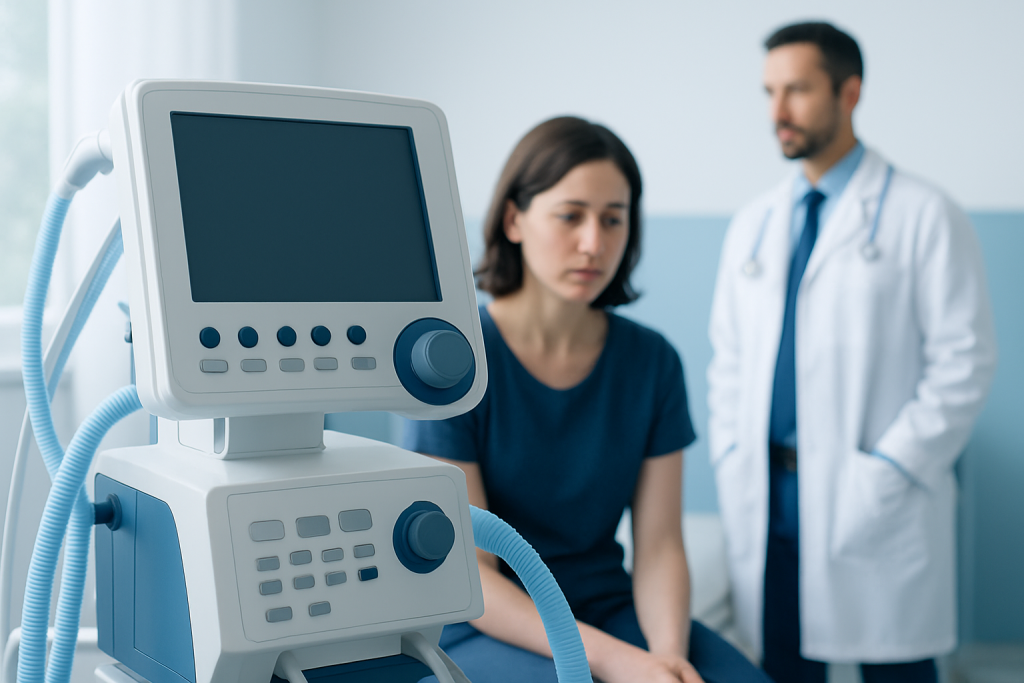
Imposter syndrome can look different from person to person, but several signs are common. A person may feel intense self-doubt after success, struggle to accept compliments, or compare themselves unfavorably with others. They may believe they need to know everything before speaking up, or feel uneasy when given more responsibility.
Emotional symptoms can include worry, shame, guilt, tension, and a persistent sense of not measuring up. These feelings may become stronger around exams, job interviews, promotions, public speaking, performance reviews, or social situations where ability is being observed. Some people also notice physical stress symptoms such as poor sleep, headaches, stomach upset, or fatigue.
Behaviorally, imposter syndrome may lead to perfectionism, procrastination, overworking, avoidance of new opportunities, or repeatedly checking work for mistakes. Some people try to protect themselves by staying quiet, turning down advancement, or attributing all success to luck. Others push themselves beyond healthy limits, which may contribute to chronic stress or burnout.
- Difficulty internalizing success or positive feedback
- Fear of being exposed as incompetent
- Setting unrealistically high standards
- Avoiding tasks with a risk of failure
- Overpreparing or overworking to compensate for self-doubt
- Persistent comparison with peers
Why It Happens: Causes and Risk Factors

There is no single cause of imposter syndrome. Experts generally view it as the result of several interacting factors, including personality style, life experiences, family expectations, school or work culture, and social pressures. A person who values achievement very highly may be more likely to judge themselves harshly, especially in competitive settings.
Perfectionism is one of the strongest related patterns. When a person believes anything short of flawless performance means failure, even good results may feel inadequate. Low self-esteem, sensitivity to criticism, and a tendency toward anxiety can also increase vulnerability. Major transitions, such as starting university, returning to work, migration, parenthood, or taking on leadership roles, may trigger or worsen symptoms.
Context matters as well. People who are underrepresented in a field, exposed to bias, or working in environments with unclear expectations may feel increased pressure to prove themselves. Social media can add to the problem by creating unrealistic comparisons and highlighting only other people’s polished outcomes rather than their effort, setbacks, or support systems.
Imposter syndrome can also coexist with recognized mental health conditions. For example, ongoing self-doubt may accompany depression or anxious thinking. In these cases, addressing the broader emotional picture is often more effective than focusing on confidence alone.
How It Is Assessed and Diagnosed
Because imposter syndrome is not a formal standalone diagnosis, there is no single lab test or scan that confirms it. Assessment usually begins with a detailed conversation about symptoms, triggers, stress levels, work or school functioning, relationships, sleep, and mood. A doctor, psychologist, or psychiatrist may ask how long the feelings have been present and whether they interfere with daily life.
The aim of assessment is not only to identify the imposter pattern but also to check for related conditions that may need treatment. Clinicians may screen for anxiety disorders, depression, trauma-related symptoms, obsessive-compulsive traits, attention difficulties, or sleep problems. This is important because severe self-doubt can sometimes be one part of a broader mental health concern.
Psychological questionnaires may be used to better understand thought patterns, perfectionism, stress, and emotional symptoms. The clinician also looks at context: whether the person is in a highly demanding environment, coping with recent change, or exposed to criticism or discrimination. A careful, supportive evaluation helps distinguish ordinary self-doubt from a more persistent pattern that deserves clinical attention.
In some cases, a comprehensive mental health evaluation may be recommended through psychiatry care or psychological assessment. The goal is not to label the person negatively, but to clarify what is driving distress and what kind of support is most likely to help.
Modern Treatment Approaches
Treatment for imposter syndrome is usually individualized and often combines education, therapy, and practical coping strategies. A key first step is helping the person recognize the pattern: success is repeatedly discounted, while mistakes are magnified. Once this cycle becomes clearer, it is often easier to challenge unhelpful beliefs and build a more realistic self-view.
Talking therapies are commonly used when symptoms cause distress or interfere with functioning. Cognitive behavioral therapy can help identify distorted thoughts, reduce all-or-nothing thinking, and test beliefs against real evidence. Other helpful approaches may include acceptance-based therapies, compassion-focused work, or psychodynamic therapy, depending on the person’s needs and the issues contributing to self-doubt. Many patients benefit from psychotherapy that targets perfectionism, fear of failure, and chronic comparison.
If imposter syndrome occurs alongside significant anxiety, depression, or panic symptoms, treatment may also include care for those conditions. This may involve structured counseling, stress-management strategies, and in some cases medication prescribed by a qualified clinician. Medication does not treat “imposter syndrome” itself, but it may help when a related condition is present and contributing to distress.
Supportive lifestyle changes can strengthen recovery. These may include improving sleep habits, setting realistic goals, limiting excessive comparison, keeping a factual record of achievements, and practicing balanced self-talk. For some people, group support, mentoring, workplace coaching, or guided stress programs are useful additions. When stress is prominent, broader mental health support can help restore daily functioning and reduce the risk of escalation.
Self-care, Prevention, and Long-term Outlook
There is no guaranteed way to prevent imposter syndrome completely, especially during major life changes, but healthy habits can reduce its impact. It helps to treat self-doubt as a signal to pause and reflect rather than as proof of inadequacy. Looking at objective evidence, such as feedback, completed work, and learned skills, can make internal judgments more accurate over time.
Practical self-care often includes setting boundaries around work, breaking large tasks into smaller steps, and replacing perfectionistic goals with realistic standards. People may also benefit from noticing the language they use about themselves. Changing phrases like “I fooled everyone” to “I prepared and did well” can gradually reshape automatic thinking patterns.
Building supportive relationships is equally important. Trusted colleagues, friends, mentors, or therapists can offer perspective and reduce isolation. Schools and workplaces can help by giving clear expectations, balanced feedback, and psychologically safe environments where learning is valued over appearing flawless.
The outlook is generally good when the pattern is recognized early and addressed consistently. Many people experience meaningful improvement with therapy, support, and practice. Symptoms may return during times of stress, but learning the signs and responding early usually makes them easier to manage.
When to Seek Medical Care
Occasional self-doubt is common, but medical or psychological support is a good idea when these feelings become persistent, intense, or disruptive. A person should consider professional help if they avoid opportunities, cannot enjoy achievements, work excessively out of fear, or experience ongoing stress that affects sleep, concentration, or relationships.
It is especially important to seek care when self-doubt is accompanied by panic symptoms, severe anxiety, persistent sadness, hopelessness, or exhaustion that may suggest a related condition. Help is also needed if there are thoughts of self-harm or suicide, or if daily functioning is noticeably declining. In urgent situations, emergency services or a local crisis resource should be contacted right away.
A doctor or mental health professional can assess whether imposter syndrome is part of a broader issue and help create an appropriate treatment plan. Near the end of the care pathway, if specialist support is needed, Acibadem International’s multidisciplinary specialists and JCI-accredited hospitals provide assessment and treatment for international patients with a range of mental health concerns.
Frequently asked questions
Is imposter syndrome a real medical diagnosis?
Imposter syndrome is a real and recognized experience, but it is not a separate formal diagnosis in major psychiatric manuals. Clinicians still take it seriously because it can affect work, study, relationships, and emotional wellbeing.
What is the difference between imposter syndrome and low confidence?
Low confidence can be broad and may affect many parts of life. Imposter syndrome usually has a more specific pattern: a person achieves objectively but still feels fraudulent and fears being exposed despite evidence of competence.
Can imposter syndrome cause anxiety or depression?
It can contribute to significant stress and may occur alongside anxiety or depression. Ongoing self-criticism, perfectionism, and fear of failure can increase emotional strain, which is why assessment is important if symptoms persist.
How is imposter syndrome treated?
Treatment usually focuses on therapy, education about the pattern, and practical coping skills. If related anxiety, depression, or sleep problems are present, those may also need treatment as part of a broader care plan.
Can imposter syndrome go away on its own?
Mild symptoms may improve with insight, support, and changes in environment. However, when the pattern is longstanding or causes distress, professional support often helps recovery happen more effectively and with less disruption.
Who is most likely to experience imposter syndrome?
It can affect anyone, including high achievers, students, professionals, and people entering new roles. It is often more noticeable during periods of change, in competitive environments, or when a person has perfectionistic traits.
References
- World Health Organization
- National Institute of Mental Health
- American Psychiatric Association
- National Health Service
- American Psychological Association
This article is for general information only and is not a substitute for professional medical advice. Please consult a qualified doctor about your individual situation.
Explore treatments in Turkey — costs, top hospitals & a free quote
JCI-accredited · board-certified surgeons · reply within 24h
Add us as a Preferred Source to see more of our trusted health content across Google Search, AI Overviews and Discover.

More from the Health Library



Related Specialists

Dr. Yusuf İzzet Güngörmüş
Ophthalmology
Cüneyt Karoğlu
Physical Medicine & Rehabilitation
Prof. Dr. Volkan Özben
General Surgery
Dr. Sibel Özbek
Pediatrics