Impotent: An Evidence-Based Guide for Patients

Impotent most often refers to erectile dysfunction, not a loss of masculinity or fertility. Erection problems can be linked to blood vessel disease, diabetes, hormone changes, medications, stress, or relationship factors.
Key Takeaways
- Impotent most often refers to erectile dysfunction, not a loss of masculinity or fertility.
- Erection problems can be linked to blood vessel disease, diabetes, hormone changes, medications, stress, or relationship factors.
- Persistent erectile dysfunction can be an early sign of heart and blood vessel disease and should not be ignored.
- Treatment may include lifestyle changes, counseling, medication, vacuum devices, injections, or other specialist care.
- A medical evaluation helps identify reversible causes and guides the safest treatment choice.
Impotent is a common term often used to describe erectile dysfunction, meaning ongoing difficulty getting or maintaining an erection firm enough for satisfactory sexual activity. While the word can feel stigmatizing, the condition is common, medically important, and often treatable once the underlying cause is identified.
What “impotent” means in medical terms
The term impotent is commonly used to mean erectile dysfunction—ongoing difficulty getting an erection, keeping an erection, or having an erection firm enough for satisfying sexual activity. Doctors usually prefer the term erectile dysfunction because it is more precise and less judgmental. It describes a medical issue, not a person’s worth, masculinity, or desire.
Occasional erection problems are common and can happen because of fatigue, stress, alcohol, or temporary illness. Erectile dysfunction is usually considered when the problem happens repeatedly over time. The experience can affect self-confidence, relationships, and emotional well-being, but many causes are treatable once they are properly assessed.
An erection depends on healthy blood flow, nerve signals, hormone balance, and psychological comfort. Because several body systems are involved, erectile dysfunction can have more than one cause at the same time. For some men, it is the first visible sign of a broader health issue such as diabetes, high blood pressure, or cardiovascular disease.
Signs and symptoms to notice
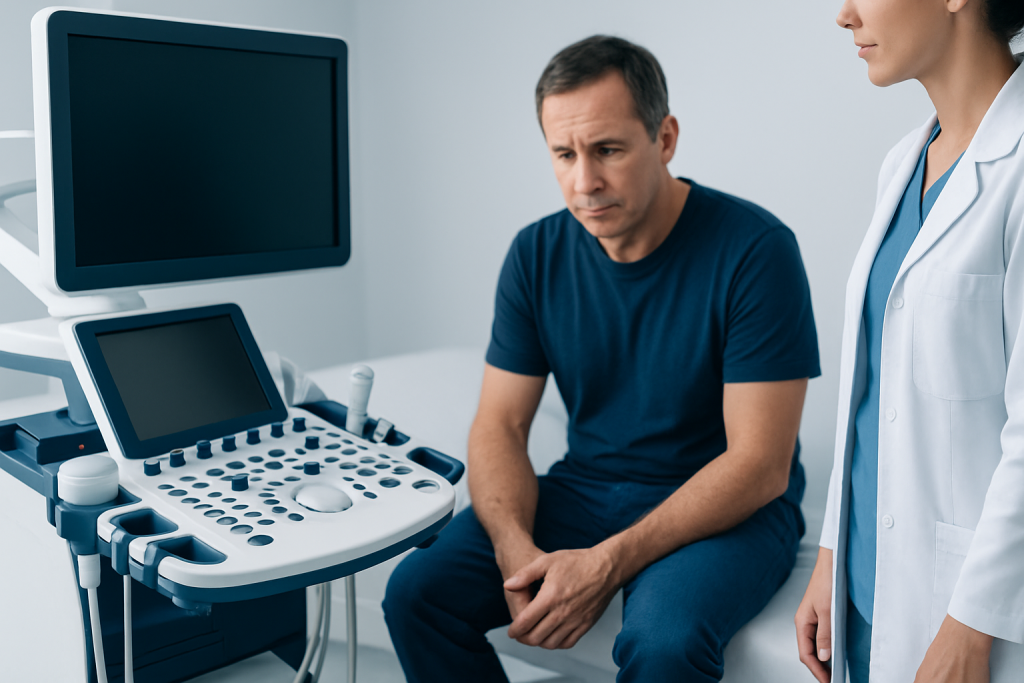
The main symptom is difficulty with erections. This may mean trouble getting an erection at all, losing it sooner than desired, or noticing that erections are less firm than before. Some men also report reduced confidence around sex or avoiding intimacy because they are worried the problem will happen again.
Related symptoms can help doctors understand the likely cause. For example, a lower sex drive may point toward hormonal or psychological factors, while pain, penile curvature, or changes in ejaculation may suggest a different urologic condition. If erections during sleep or on waking are still present, that may sometimes suggest that stress or anxiety is contributing, though this is not a perfect test.
Symptoms that deserve added attention include erectile dysfunction that starts suddenly, progresses quickly, or appears together with chest pain, leg pain while walking, numbness, urinary symptoms, or marked fatigue. These clues can indicate circulation problems, nerve conditions, hormone changes, or another health disorder that should be evaluated rather than self-treated.
Common causes and risk factors

Erectile dysfunction often has a physical basis. Blood vessel problems are a leading cause because the penis needs good circulation for an erection. Conditions such as high blood pressure, high cholesterol, atherosclerosis, obesity, and smoking can reduce blood flow. Diabetes is another major cause because it can damage both blood vessels and nerves over time. Men with diabetes or high blood pressure may notice erection changes earlier than other symptoms.
Hormonal and neurological factors can also play a role. Low testosterone may contribute to reduced sex drive and erectile difficulties in some men, although not every man with erectile dysfunction has low hormone levels. Nerve damage from pelvic surgery, spinal cord problems, stroke, multiple sclerosis, or long-term diabetes can interfere with the signals needed for an erection.
Psychological factors are important as well. Stress, anxiety, depression, relationship tension, grief, and performance anxiety can all affect sexual function. Sometimes the problem starts with a physical cause and then worsens because of worry or embarrassment. Certain medicines may also contribute, including some used for blood pressure, depression, anxiety, and prostate symptoms. Alcohol misuse, recreational drugs, poor sleep, and untreated sleep apnea can add to the problem.
- Older age increases risk, but erectile dysfunction is not an inevitable part of aging.
- Smoking and inactivity are major modifiable risks.
- Heart disease, kidney disease, and metabolic syndrome are commonly linked.
- Pelvic trauma or surgery can affect erections.
Why evaluation matters
Many people think erectile dysfunction is only a quality-of-life issue, but it can also be a health signal. The arteries in the penis are smaller than the arteries supplying the heart, so reduced blood flow may show up as erection problems before chest symptoms appear. For that reason, ongoing erectile dysfunction can be an early warning sign of cardiovascular disease and should be discussed with a clinician rather than dismissed.
A careful evaluation can identify reversible causes, uncover related health problems, and make treatment safer. This is especially important because some erectile dysfunction medicines are not suitable for everyone, particularly men taking nitrate medications for chest pain or those with certain heart conditions. Self-medicating with unregulated products bought online can be risky and may delay diagnosis of an underlying illness.
The goal of medical assessment is not only to improve erections, but also to support long-term health. Addressing weight, blood pressure, blood sugar, sleep, mental health, and medication side effects may improve sexual function and reduce future health risks at the same time.
How doctors diagnose erectile dysfunction
Diagnosis begins with a detailed medical and sexual history. The doctor may ask when the problem started, whether it is occasional or persistent, whether morning or nighttime erections occur, and whether there is pain, curvature, low desire, or ejaculation concerns. Questions about stress, relationships, sleep, smoking, alcohol use, and current medicines are also important because they often reveal treatable contributors.
A physical exam may include blood pressure measurement and assessment of the penis, testicles, pulses, body hair pattern, and signs of hormonal or vascular disease. Depending on the situation, blood tests may be recommended to check blood sugar, cholesterol, kidney function, and sometimes testosterone or other hormone levels. If urinary symptoms are present, the evaluation may overlap with the work-up for prostate conditions or other urologic issues, though erectile dysfunction itself is not the same as prostate cancer.
Some men may need further testing, especially if first-line treatment does not help or surgery is being considered. Specialized studies can assess penile blood flow or nighttime erections, but they are not necessary for everyone. In many cases, the diagnosis is made clinically and treatment can begin once the main contributing factors are understood.
Treatment options and what to expect
Treatment depends on the cause, overall health, and personal preference. For many men, the first step is improving factors that interfere with circulation and nerve function. Better control of blood sugar, blood pressure, and cholesterol; stopping smoking; reducing excess alcohol; increasing physical activity; sleeping well; and managing stress can all help. If a medicine is contributing, a doctor may be able to adjust it safely.
Prescription medication is often effective and is commonly used when there are no contraindications. These medicines support the natural process of erection by improving blood flow response to sexual stimulation, but they do not create desire on their own. They should be used only under medical guidance because interactions and safety considerations matter. In some cases, doctors may discuss other treatments such as vacuum erection devices, self-injection therapy, hormone treatment when a true deficiency is confirmed, or surgical implants for persistent cases. Men who need further evaluation or procedural care may be referred for urology assessment or a focused erectile dysfunction treatment plan.
Psychological support can be just as important as physical treatment. Counseling can help with performance anxiety, depression, relationship strain, or the cycle of fear that develops after repeated difficulty. Couples therapy may also help partners communicate and reduce pressure during intimacy. Effective treatment often combines medical care with lifestyle and emotional support rather than relying on a single solution.
Self-care, prevention, and daily habits that help
Prevention focuses on protecting the blood vessels, nerves, and hormones that support erections. A heart-healthy lifestyle is also a penis-healthy lifestyle. Regular exercise, a balanced eating pattern, weight management, good sleep, and avoiding tobacco can lower the risk of erectile dysfunction and improve overall well-being.
It also helps to manage chronic conditions consistently. Men who keep diabetes, blood pressure, and cholesterol well controlled may reduce progression of erectile difficulties and improve treatment response. Reviewing medications with a doctor rather than stopping them independently is important, because some medicines are essential even if they may affect sexual function.
Open communication matters. Shame and silence often make the problem feel bigger than it is. Speaking honestly with a partner and seeking medical advice early can prevent unnecessary worry and may lead to earlier treatment of important underlying disease. Near the end of the care pathway, some patients may benefit from coordinated support from specialists in cardiology, endocrinology, mental health, and comprehensive check-up services. Acibadem International’s multidisciplinary specialists and JCI-accredited hospitals also diagnose and treat erectile dysfunction for international patients when advanced evaluation is needed.
When to seek medical care
Medical care is appropriate if erection problems happen repeatedly, last for several weeks or longer, or cause distress for the individual or couple. A doctor should also be consulted if there is low sex drive, penile pain or curvature, urinary symptoms, infertility concerns, or suspicion that a medication may be contributing. Professional guidance helps rule out important conditions and identify the safest treatment.
Urgent medical care is needed for chest pain, severe shortness of breath, new neurological symptoms, or an erection that lasts longer than four hours. These problems are not typical erectile dysfunction and may require emergency treatment. Men with significant heart disease should ask their doctor whether sexual activity and specific erectile dysfunction treatments are safe for them.
Even when the problem seems minor, it is sensible to seek evaluation if there are risk factors such as diabetes, smoking, obesity, high blood pressure, or high cholesterol. Early assessment can improve both sexual health and general health, often before complications become more serious.
Frequently asked questions
Does impotent mean infertile?
No. Impotent usually refers to erectile dysfunction, which is difficulty getting or keeping an erection. Infertility means trouble achieving pregnancy and involves sperm, ovulation, or reproductive anatomy; the two problems can occur separately or together.
Is erectile dysfunction just a normal part of aging?
Aging increases the risk, but erectile dysfunction is not something a person simply has to accept. It often reflects treatable factors such as blood vessel disease, diabetes, medication effects, or stress. Evaluation is worthwhile at any age.
Can stress or anxiety really cause someone to feel impotent?
Yes. Stress, anxiety, depression, and performance worries can interfere with the brain signals that help trigger an erection. Psychological factors may act alone or combine with physical causes, which is why a full assessment is helpful.
When should someone worry that erection problems are a sign of heart disease?
Persistent erectile dysfunction deserves medical attention, especially in men with diabetes, smoking history, high blood pressure, high cholesterol, or obesity. Because erection problems can appear before other symptoms of vascular disease, doctors often use them as a reason to review cardiovascular risk.
Do over-the-counter supplements work for erectile dysfunction?
Some supplements are marketed for sexual performance, but quality and safety can be uncertain. Certain products may contain undeclared ingredients or interact with prescription medicines. It is safer to discuss symptoms and treatment options with a qualified doctor.
What if erectile dysfunction medicine does not work?
There are several possible reasons, including incorrect timing, inadequate sexual stimulation, a dose issue, severe vascular disease, low testosterone in selected cases, or significant anxiety. A doctor can reassess the cause and discuss other options such as devices, injections, counseling, or specialist referral.
References
- National Institute of Diabetes and Digestive and Kidney Diseases
- American Urological Association
- European Association of Urology
- National Institutes of Health
- Mayo Clinic
This article is for general information only and is not a substitute for professional medical advice. Please consult a qualified doctor about your individual situation.
Explore treatments in Turkey — costs, top hospitals & a free quote
JCI-accredited · board-certified surgeons · reply within 24h
Add us as a Preferred Source to see more of our trusted health content across Google Search, AI Overviews and Discover.
Check your numbers in seconds
BMI, calories, due date, blood pressure and 30+ more clinical calculators — free, instant, doctor-reviewed ranges.

More from the Health Library



Related Specialists

Prof. Dr. Ayşe Yenigün
Pediatric Allergy
Dr. Tülin Turan Hizli
Pediatrics
Dr. Ceyda Perçinoğlu
Gynecology & Obstetrics
Dr. Chasan Ismaıl Basa
Emergency Service