Infection Prevention After Transplant: Vaccines, Hygiene, and Early Warning Signs

Immunosuppressive medicines help prevent rejection but also reduce the body’s ability to fight infections. Vaccines should be planned with the transplant team; inactivated vaccines are commonly used, while live vaccines are usually avoided after transplant.
Key Takeaways
- Immunosuppressive medicines help prevent rejection but also reduce the body’s ability to fight infections.
- Vaccines should be planned with the transplant team; inactivated vaccines are commonly used, while live vaccines are usually avoided after transplant.
- Hand hygiene, safe food handling, mask use in higher-risk settings, and avoiding sick contacts can reduce everyday infection exposure.
- Fever, chills, cough, urinary symptoms, wound changes, diarrhea, or unusual fatigue should be reported early because symptoms may be subtle.
- Patients should never stop or change immunosuppressive or preventive medicines without medical advice.
Infection prevention after transplant is an essential part of protecting a new organ and supporting long-term recovery. Vaccination planning, careful hygiene, safe food habits, and early recognition of symptoms can help patients seek care promptly and confidently.
Overview
Infection prevention after transplant is a central part of care for people who have received a kidney, liver, heart, lung, pancreas, or other organ transplant. After transplantation, patients take immunosuppressive medicines to help prevent the immune system from attacking the new organ. These medicines are necessary, but they also make it harder for the body to recognize and control some infections.
The risk of infection is not the same for every person or at every stage of recovery. It depends on the type of transplant, the intensity of immunosuppression, previous infections, other health conditions, the patient’s environment, and whether preventive medicines are being used. The transplant team usually provides an individualized prevention plan that may include vaccines, antimicrobial prophylaxis, blood tests, and guidance on daily activities.
The goal is not for patients to live in fear or isolation. Instead, infection prevention focuses on practical habits that can be maintained over time. Good hand hygiene, safe food choices, appropriate vaccines, and knowing when to contact a doctor can significantly improve safety during recovery and beyond.
Why Infection Risk Is Higher After Transplant
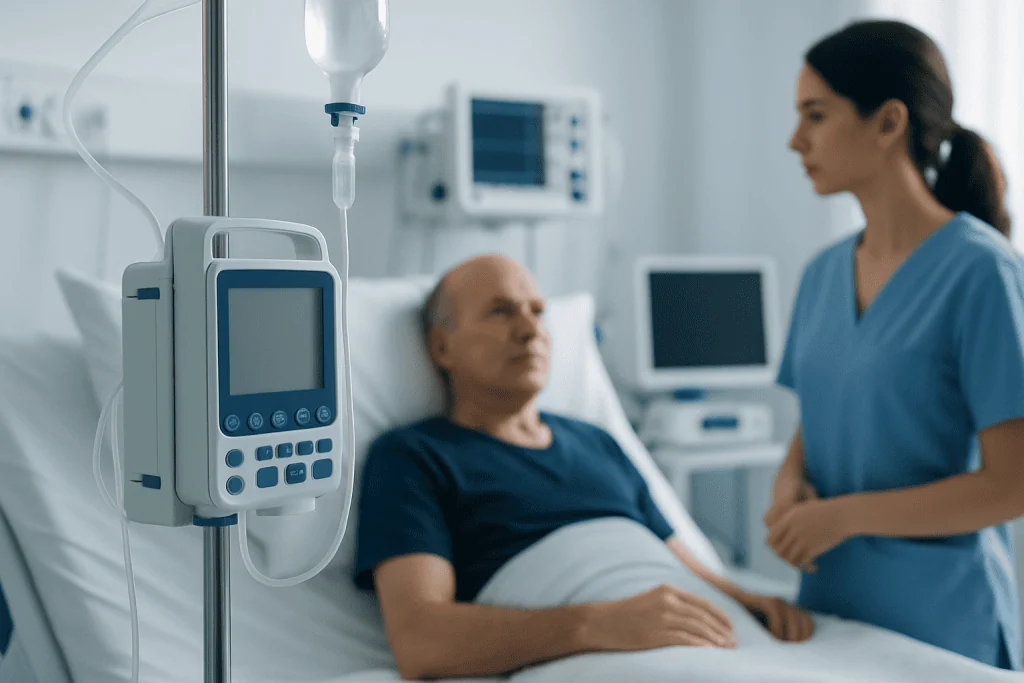
Immunosuppressive therapy is the main reason infection risk increases after transplant. These medicines reduce immune activity so the transplanted organ is less likely to be rejected. However, the same immune pathways also help protect against viruses, bacteria, fungi, and parasites. This means infections may develop more easily and, in some cases, symptoms may be less obvious at first.
The first months after transplant are often the period of greatest vulnerability because immunosuppression is usually strongest and the body is still healing from surgery. Surgical wounds, catheters, drains, and hospital exposure may also contribute to risk early on. Later, the risk may decrease, but it does not disappear, especially for patients who need higher doses of immunosuppressive medication or treatment for rejection.
Some infections are community-acquired, such as influenza, COVID-19, foodborne infections, or urinary tract infections. Others may be related to transplantation, including cytomegalovirus, certain fungal infections, or reactivation of viruses that were already present in the body. Preventive medicines may be prescribed for specific risks, and it is important to take them exactly as directed unless the transplant team changes the plan.
Vaccines Before and After Transplant
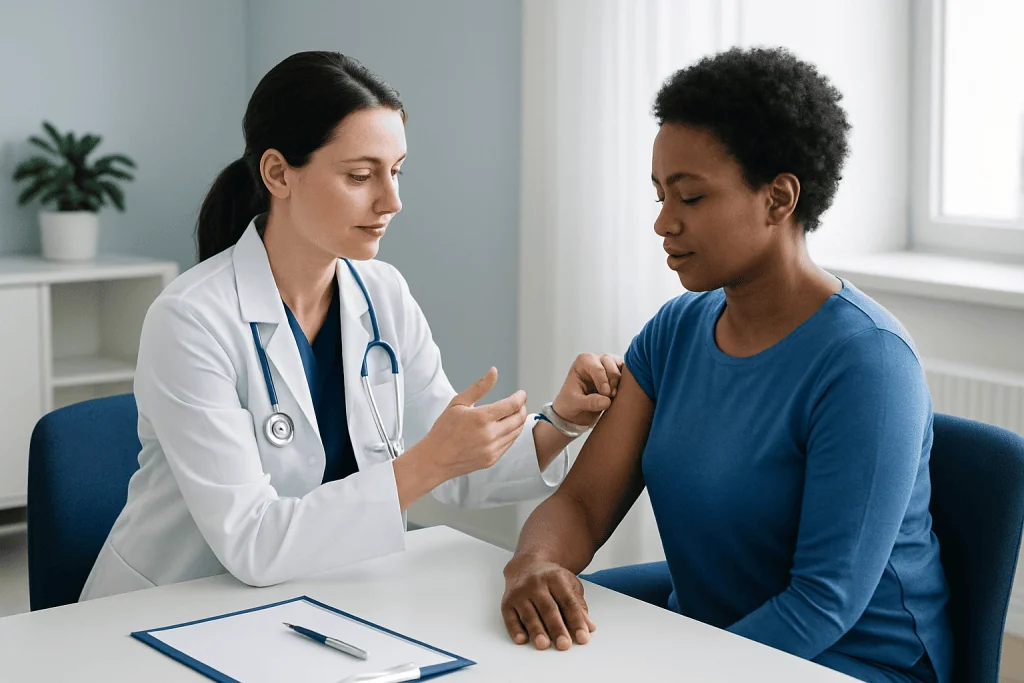
Vaccination is one of the most important tools for infection prevention after transplant, but timing matters. Whenever possible, vaccine status is reviewed before transplantation because the immune response is usually stronger before immunosuppressive therapy begins. Patients may be advised to update vaccines such as influenza, COVID-19, pneumococcal, hepatitis B, tetanus-diphtheria-pertussis, and others based on age, history, travel plans, and local recommendations.
After transplant, inactivated or non-live vaccines are generally considered safe, but they may be delayed until the immune system is more stable and the transplant team recommends them. Many centers reassess vaccines a few months after transplant, although timing varies according to the patient’s condition and medication intensity. Annual influenza vaccination and updated COVID-19 vaccination are often recommended, but the exact schedule should come from the treating team.
Live vaccines are usually avoided after transplant because they contain weakened forms of viruses or bacteria that may not be safe for immunocompromised patients. Examples may include measles-mumps-rubella, varicella, and some travel vaccines. In special circumstances, vaccine decisions require careful specialist review, and patients should not receive any vaccine without informing the vaccination provider that they have had a transplant.
Household members and close contacts also play a protective role. Family members are often encouraged to stay up to date with recommended vaccines to reduce the chance of bringing infections home. If a household contact receives a live vaccine, the transplant team can advise whether any temporary precautions are needed.
Daily Hygiene and Environmental Precautions
Everyday hygiene is a simple but powerful way to lower exposure to germs. Handwashing with soap and water is especially important before eating, after using the bathroom, after coughing or sneezing, after touching pets, and after being in public places. When soap and water are not available, an alcohol-based hand sanitizer can be useful, unless hands are visibly dirty.
Patients are often advised to avoid close contact with people who have fever, respiratory symptoms, vomiting, diarrhea, or contagious rashes. In crowded indoor settings, especially during respiratory virus season, wearing a well-fitting mask may reduce exposure. Good ventilation and avoiding poorly ventilated crowded spaces can also help, particularly in the early months after transplant or during periods of increased immunosuppression.
Home cleaning does not need to become extreme, but common-sense routines are helpful. Frequently touched surfaces, bathrooms, and kitchens should be cleaned regularly. Patients should avoid exposure to mold, heavy dust, and construction areas when possible, because some fungi can be more dangerous for immunosuppressed people. Gardening, soil handling, and cleaning animal waste may require gloves and careful handwashing, or temporary avoidance depending on the patient’s risk level.
- Use separate towels and avoid sharing razors, toothbrushes, or nail clippers.
- Keep surgical wounds clean and dry as instructed by the care team.
- Wear gloves for tasks involving soil, compost, animal litter, or bodily fluids.
- Ask the transplant team before swimming, using hot tubs, or returning to gyms.
Food Safety, Pets, Travel, and Lifestyle
Food safety is an important part of transplant infection prevention because some foodborne germs can cause more serious illness in immunosuppressed people. Patients are usually advised to eat well-cooked meats, poultry, seafood, and eggs; wash fruits and vegetables carefully; avoid unpasteurized milk, juices, and cheeses; and follow safe refrigerator and storage practices. Leftovers should be cooled promptly, stored safely, and reheated thoroughly.
Restaurant and buffet choices should be made carefully, especially early after transplant. Foods that have been left at room temperature, undercooked items, raw sprouts, and raw or lightly cooked seafood may carry higher risk. A transplant dietitian or clinician can provide specific advice that fits the patient’s culture, preferences, and nutritional needs.
Pets can be an important source of comfort, and many transplant recipients can live safely with animals by following hygiene precautions. Patients should avoid bites and scratches, wash hands after handling animals, keep pets’ vaccinations and parasite prevention up to date, and ask someone else to clean litter boxes, bird cages, or aquariums when possible. Reptiles, amphibians, young poultry, and exotic animals may carry organisms that are riskier for immunocompromised people, so discussing pet exposure with the transplant team is wise.
Travel after transplant should be planned in advance. Patients may need vaccine review, medication planning, safe water advice, travel insurance considerations, and a written medical summary. It is also important to carry immunosuppressive medicines in hand luggage, avoid missed doses across time zones, and know how to contact medical care while away.
Early Warning Signs of Infection
Infection symptoms after transplant may be different from what patients experienced before transplant. Because immunosuppressive medicines can reduce fever and inflammation, an infection may begin with mild or nonspecific symptoms such as unusual fatigue, reduced appetite, body aches, or a general feeling that something is not right. Taking symptoms seriously and reporting them early allows the medical team to decide whether testing or treatment is needed.
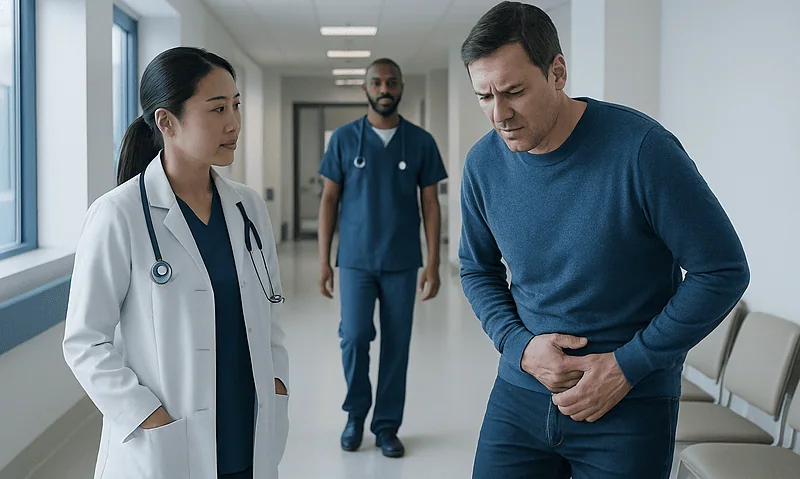
Patients should know the warning signs that require prompt contact with their transplant team. These include fever or low body temperature, chills, persistent cough, shortness of breath, sore throat, painful urination, frequent urination, cloudy or bloody urine, new abdominal pain, vomiting, diarrhea, severe headache, confusion, or dizziness. Redness, swelling, warmth, drainage, worsening pain, or opening of a surgical wound should also be reported.
Organ-specific symptoms also matter. A kidney transplant recipient may be asked to monitor urine output, swelling, blood pressure, or changes in kidney blood tests. A liver transplant recipient may need to report jaundice, dark urine, pale stools, or abdominal swelling. Heart and lung transplant recipients may be advised to report changes in breathing, exercise tolerance, oxygen levels, or heart rhythm symptoms. These signs do not always mean infection, but they deserve timely assessment.
Patients should not start leftover antibiotics, stop immunosuppressive medicines, or adjust doses on their own. Doing so can make diagnosis harder or increase the risk of rejection or medication side effects. The safest approach is to contact the transplant team, who can guide testing and treatment based on the patient’s transplant history.
Medical Follow-Up and Preventive Medicines
Regular follow-up is essential because some infections can be detected before they cause major symptoms. Transplant teams may order blood tests to monitor organ function, medication levels, blood counts, and specific viruses such as cytomegalovirus or BK virus, depending on the transplant type. These tests help clinicians adjust medicines and respond early to changes.
Many patients receive preventive antimicrobial medicines for a limited time after transplant. These may help reduce the risk of specific infections such as Pneumocystis pneumonia, cytomegalovirus, herpes viruses, or fungal infections, depending on the patient’s risk profile. The choice and duration vary, and patients should take these medicines exactly as prescribed and report side effects rather than stopping them independently.
Medication interactions are another important safety issue. Some antibiotics, antifungals, antivirals, herbal products, and over-the-counter medicines can affect immunosuppressant levels. Patients should check with their transplant team or pharmacist before starting any new medication or supplement, including common remedies for colds, pain, or stomach upset.
At the end of the prevention plan is partnership. Patients, caregivers, primary doctors, pharmacists, dentists, and transplant specialists all have roles in reducing infection risk. Acibadem International’s multidisciplinary specialists and JCI-accredited hospitals diagnose and treat transplant-related infections and complications for international patients as part of coordinated transplant follow-up.
When to See a Doctor
Transplant recipients should contact their transplant team promptly if they develop fever, chills, new respiratory symptoms, urinary symptoms, persistent diarrhea or vomiting, wound changes, rash, severe pain, confusion, or sudden weakness. They should also seek advice if they have been exposed to chickenpox, measles, tuberculosis, meningitis, or another significant contagious illness. Early contact does not always mean emergency treatment is needed, but it helps the team give safe, individualized instructions.
Urgent medical care may be needed for difficulty breathing, chest pain, fainting, severe dehydration, confusion, a rapidly worsening condition, or signs of sepsis such as extreme weakness, fast breathing, or feeling very unwell. Patients should follow the emergency plan provided by their transplant center and carry key information, including transplant type, medications, allergies, and contact details for the transplant team.
It is also appropriate to call before routine procedures such as dental work, vaccinations, travel, or planned surgery. The transplant team can advise whether preventive antibiotics, medication adjustments, or extra monitoring are needed. Clear communication helps patients stay active and independent while protecting their transplant health.
Frequently asked questions
Can transplant recipients receive vaccines?
Yes, many vaccines are recommended for transplant recipients, especially inactivated or non-live vaccines. Timing is important because vaccine response may be weaker soon after transplant or during high-dose immunosuppression. Patients should review every vaccine with their transplant team before receiving it.
Are live vaccines safe after an organ transplant?
Live vaccines are generally avoided after transplant because immunosuppressive medicines can make them unsafe. Examples may include measles-mumps-rubella, varicella, and some travel vaccines. In rare situations, specialists may consider exceptions, but patients should never receive a live vaccine without transplant-team approval.
What temperature is considered a fever after transplant?
Each transplant center may give its own fever threshold and instructions, so patients should follow their written plan. In general, any confirmed fever, chills, or feeling unusually unwell should prompt contact with the transplant team. Fever may be mild or absent in some immunosuppressed patients, so other symptoms also matter.
Should transplant recipients avoid crowds forever?
Most patients do not need to avoid crowds permanently. Extra caution is often advised in the early months after transplant, during outbreaks, or when immunosuppression is increased. The transplant team can advise when it is reasonable to return to work, school, travel, exercise facilities, and social events.
Is it safe to live with pets after transplant?
Many transplant recipients can safely live with pets by using practical precautions. Handwashing, avoiding bites and scratches, keeping pets healthy, and having someone else clean litter boxes or cages can reduce risk. Patients should discuss reptiles, birds, young animals, or exotic pets with their transplant team.
Can a transplant recipient take antibiotics without calling the doctor?
Transplant recipients should not take leftover antibiotics or start new antibiotics without medical advice. Some antibiotics interact with immunosuppressive medicines or may not treat the correct infection. The transplant team can choose safer treatment and decide whether tests are needed.
How can family members help prevent infections after transplant?
Family members can help by staying up to date with recommended vaccines, washing hands regularly, avoiding close contact when sick, and supporting safe food preparation. They can also help track medicines, appointments, and early symptoms. A shared prevention routine makes recovery safer and less stressful.
References
- Centers for Disease Control and Prevention
- World Health Organization
- American Society of Transplantation
- European Society of Clinical Microbiology and Infectious Diseases
- Kidney Disease: Improving Global Outcomes
This article is for general information only and is not a substitute for professional medical advice. Please consult a qualified doctor about your individual situation.
Explore treatments in Turkey — costs, top hospitals & a free quote
JCI-accredited · board-certified surgeons · reply within 24h
Add us as a Preferred Source to see more of our trusted health content across Google Search, AI Overviews and Discover.