Infectious Disease Treatment: Antibiotics, Antivirals, and Supportive Care

Treatment is based on the type of infection, such as bacterial, viral, fungal, or parasitic. Antibiotics help treat bacterial infections but do not work against viruses.
Key Takeaways
- Treatment is based on the type of infection, such as bacterial, viral, fungal, or parasitic.
- Antibiotics help treat bacterial infections but do not work against viruses.
- Supportive care, including hydration, fever control, and rest, is often an important part of recovery.
- Early diagnosis can help guide the right treatment and reduce complications.
- Using medicines exactly as prescribed helps lower the risk of treatment failure and antimicrobial resistance.
Infectious disease treatment depends on what is causing the illness, how severe it is, and the patient’s overall health. Care may include antibiotics, antivirals, antifungals, fluids, rest, pain relief, and close monitoring to support recovery and prevent complications.
Overview of infectious disease treatment
Infectious disease treatment is the medical care used to manage illnesses caused by bacteria, viruses, fungi, or parasites. The main goal is to identify the cause of infection, relieve symptoms, help the body recover, and reduce the chance of complications or spread to others. Treatment plans vary widely because not all infections behave the same way, and not every infection needs the same kind of medicine.
Some infections are mild and improve with rest, fluids, and symptom relief alone. Others require targeted medicines such as antibiotics, antivirals, antifungals, or antiparasitic drugs. In more serious cases, treatment may include hospital care, intravenous fluids, oxygen, or monitoring of organs such as the lungs, kidneys, or heart.
Doctors consider several factors before choosing treatment. These include the likely organism causing the illness, the part of the body affected, symptom severity, age, pregnancy status, immune health, allergies, and whether the patient has other medical conditions. A personalized approach helps avoid unnecessary medicines and improves the chance of successful recovery.
Symptoms that may need treatment
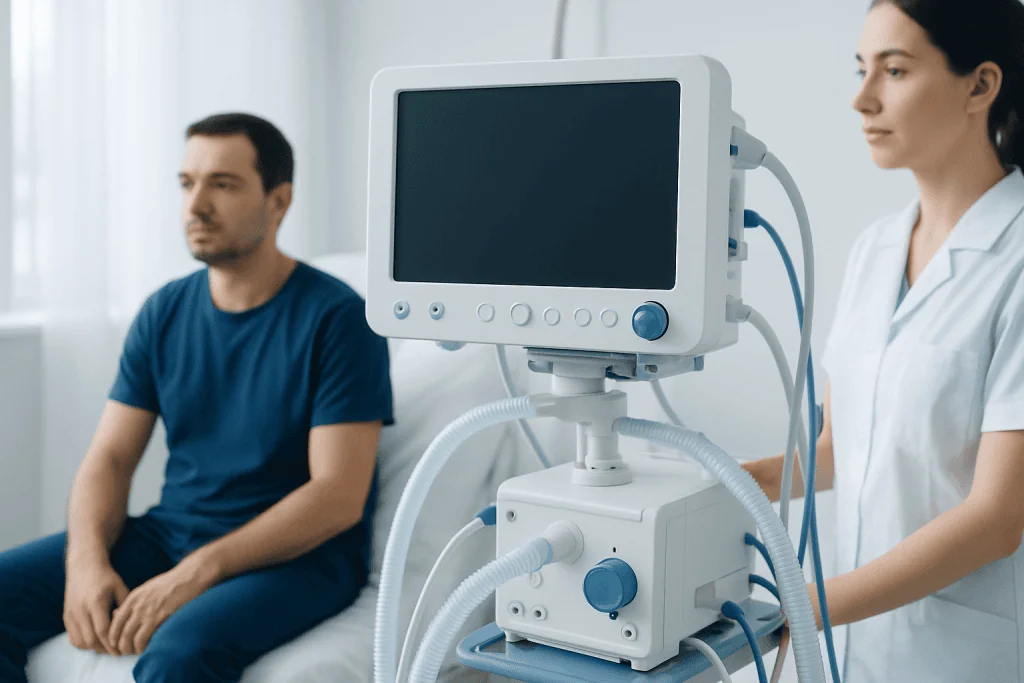
Infections can affect almost any part of the body, so symptoms differ from person to person. Common signs include fever, chills, fatigue, cough, sore throat, body aches, diarrhea, vomiting, painful urination, skin redness, swelling, or discharge. Some people also develop headaches, shortness of breath, confusion, or dehydration, especially if the infection is more severe.
The need for treatment depends not only on symptoms but also on how long they last and whether they are getting worse. For example, a mild viral upper respiratory infection may need supportive care only, while pneumonia, severe urinary infection, or a rapidly spreading skin infection may require prompt medical treatment. People with weaker immune systems may need earlier evaluation even when symptoms seem mild.
Warning signs that deserve urgent attention include difficulty breathing, chest pain, severe weakness, fainting, persistent high fever, severe dehydration, a stiff neck, confusion, or signs of sepsis. Infants, older adults, pregnant people, and patients receiving cancer treatment or immune-suppressing medicines may be at higher risk of complications from common infections.
Antibiotics, antivirals, and other medicines
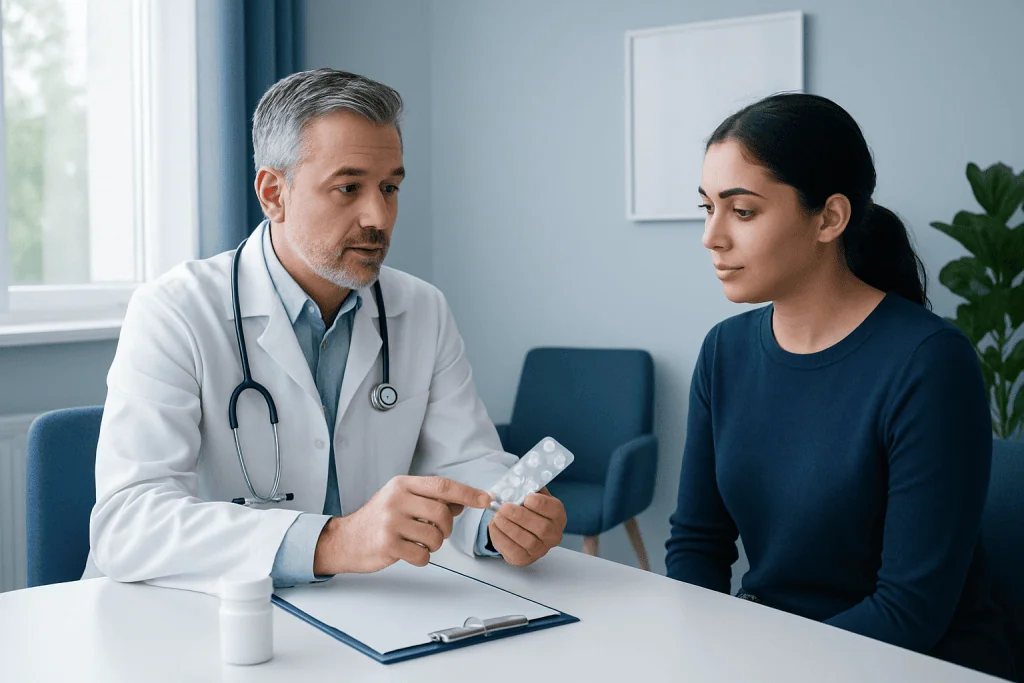
Medicines for infections are chosen according to the cause. Antibiotics treat bacterial infections, such as some forms of pneumonia, urinary tract infection, and strep throat. They do not treat viral illnesses like the common cold or most cases of flu. Using antibiotics when they are not needed can expose patients to side effects and contributes to antimicrobial resistance, which makes future infections harder to treat.
Antiviral medicines are used for certain viral infections, including influenza, herpes virus infections, hepatitis, and some other serious viral illnesses. These medicines work best in specific situations and often need to be started early. Antifungal drugs treat infections caused by fungi, such as some skin, nail, or systemic fungal infections. Antiparasitic treatments are used for infections caused by parasites, depending on the organism and where it is found in the body.
Doctors may begin treatment based on symptoms and examination, especially if infection is likely and waiting could be risky. Later, laboratory results may confirm the diagnosis and show whether treatment should be adjusted. It is important to take medicines exactly as prescribed, avoid sharing them, and complete the course if the doctor advises this. Patients should also tell their doctor about allergies, pregnancy, liver or kidney disease, and any other medicines or supplements they use.
- Antibiotics: for bacterial infections
- Antivirals: for selected viral infections
- Antifungals: for fungal infections
- Antiparasitic drugs: for parasitic infections
- Symptom-relieving medicines: for fever, pain, nausea, or cough when appropriate
The role of supportive care
Supportive care is a key part of infectious disease treatment. It does not directly kill the germ, but it helps the body cope with the illness and recover more comfortably. This may include rest, hydration, nutrition, fever reduction, pain relief, and measures to ease symptoms such as congestion, cough, or nausea. For many viral infections, supportive care is the main treatment.
In more serious infections, supportive care may be given in a hospital. Patients may need intravenous fluids for dehydration, oxygen for breathing problems, or close monitoring of blood pressure and organ function. If eating and drinking become difficult, doctors may adjust fluids and nutrition carefully. Supportive measures are especially important for children, older adults, and people with chronic conditions.
Self-care should be sensible and safe. Patients should drink enough fluids unless a doctor has advised otherwise, get adequate rest, and follow guidance on over-the-counter medicines. It is also helpful to avoid strenuous activity during recovery and to watch for signs that symptoms are worsening instead of improving.
How doctors diagnose the cause of infection
Diagnosis begins with a medical history and physical examination. Doctors ask about symptoms, timing, travel, recent exposures, vaccination history, sexual history when relevant, animal bites, food or water exposures, and contact with sick people. They also ask about immune conditions, recent surgery, hospital stays, and current medicines because these details can change the likely cause and the best treatment approach.
Laboratory and imaging tests may help identify the infection. Common tests include blood tests, urine tests, throat or nasal swabs, stool tests, sputum cultures, and wound cultures. In some situations, imaging such as a chest X-ray, ultrasound, or CT scan is needed to look for pneumonia, abscesses, or deeper infection. Modern tests can sometimes identify viral or bacterial genetic material quickly, helping doctors choose more precise treatment.
Not every infection requires extensive testing. Doctors balance the need for speed with the need for accuracy, especially if the patient is very unwell. Follow-up can be just as important as the first visit, because symptoms and test results may evolve over time and lead to changes in the treatment plan.
Treatment in hospital and special situations
Some infections can be treated safely at home, but others require hospital care. Reasons for admission may include severe dehydration, low oxygen levels, uncontrolled fever, confusion, sepsis, inability to take medicines by mouth, or a need for procedures such as drainage of an abscess. Patients with weak immune systems, including transplant recipients and some cancer patients, may need especially careful monitoring.
Hospital treatment may involve intravenous antibiotics or antivirals, oxygen therapy, imaging, repeated blood tests, or support from infectious disease specialists. If an infection affects a specific organ, treatment may also involve other specialists, such as lung, heart, kidney, or surgical teams. In some cases, removing infected tissue or draining pus is necessary because medicines alone may not be enough.
International patients or those with complex infections may benefit from coordinated multidisciplinary care. Near the end of the treatment journey, some patients also need recovery planning, repeat testing, or specialist follow-up. Acibadem International’s multidisciplinary specialists in JCI-accredited hospitals diagnose and treat infectious diseases for international patients when advanced evaluation or hospital-based care is needed.
Prevention, self-care, and when to see a doctor
Many infections can be prevented or their severity reduced. Good hand hygiene, safe food preparation, vaccination, safer sex practices, and avoiding close contact with others when ill are simple but effective steps. Travelers may need special advice depending on destination, season, and planned activities. People with chronic illness should also stay up to date with routine medical care, since conditions such as diabetes can increase infection risk.
At home, patients should follow treatment instructions carefully and monitor symptoms. They should not stop prescribed medicine early unless a doctor advises it, and they should avoid taking leftover antibiotics from a previous illness. Rest, fluids, and appropriate symptom control often support recovery well. It is also wise to stay home from work, school, or social activities if there is a risk of spreading infection.
Medical review is important if symptoms are severe, do not improve, or return after seeming to get better. A doctor should be contacted promptly for trouble breathing, persistent vomiting, worsening pain, confusion, a spreading rash, signs of dehydration, or fever in very young infants. Early advice can help determine whether the illness needs tests, prescription treatment, or hospital care.
Frequently asked questions
What is the difference between antibiotics and antivirals?
Antibiotics treat infections caused by bacteria, while antivirals are used for certain infections caused by viruses. They work in different ways, so the right choice depends on the cause of the illness. A doctor can help decide whether either medicine is needed.
Do all infections need antibiotics?
No. Many infections, especially common viral illnesses, do not improve with antibiotics. Using antibiotics when they are not needed may cause side effects and can contribute to antibiotic resistance.
What is supportive care for an infection?
Supportive care means treatments that help the body recover and ease symptoms without directly targeting the germ. This can include fluids, rest, fever relief, pain control, oxygen, or intravenous hydration in more serious cases.
Why might a doctor order tests before treatment?
Tests can help identify the cause of infection and show whether it is bacterial, viral, fungal, or something else. This helps guide treatment and may reduce unnecessary medicines. In urgent situations, treatment may start before all results are back.
What is antimicrobial resistance?
Antimicrobial resistance happens when germs change over time and become harder to treat with standard medicines. It is one reason doctors try to use antibiotics and other antimicrobials only when they are truly needed. Taking medicines exactly as prescribed can help reduce this risk.
When should someone seek urgent care for an infection?
Urgent care is important for symptoms such as difficulty breathing, chest pain, confusion, severe dehydration, fainting, or rapidly worsening illness. Infants, older adults, pregnant people, and those with weakened immune systems should seek medical advice early if they are unwell.
References
- World Health Organization
- Centers for Disease Control and Prevention
- National Health Service
- Mayo Clinic
- Infectious Diseases Society of America
This article is for general information only and is not a substitute for professional medical advice. Please consult a qualified doctor about your individual situation.
Explore treatments in Turkey — costs, top hospitals & a free quote
JCI-accredited · board-certified surgeons · reply within 24h
Add us as a Preferred Source to see more of our trusted health content across Google Search, AI Overviews and Discover.
Check your numbers in seconds
BMI, calories, due date, blood pressure and 30+ more clinical calculators — free, instant, doctor-reviewed ranges.

Infectious Diseases Department
22 specialists in this unitMore from the Health Library



Related Specialists
Dt. Cem Şarkan
Oral & Dental Health
Dr. Semra Pehlivan
Acibadem Life Clinical Service
Prof. Dr. Tevfik Rifki Evrenkaya
Internal Medicine
Dilem Kadıoğlu
Physical Medicine & Rehabilitation