Ingrown Hair in Nostril — Explained by Medical Evidence, Not Myths
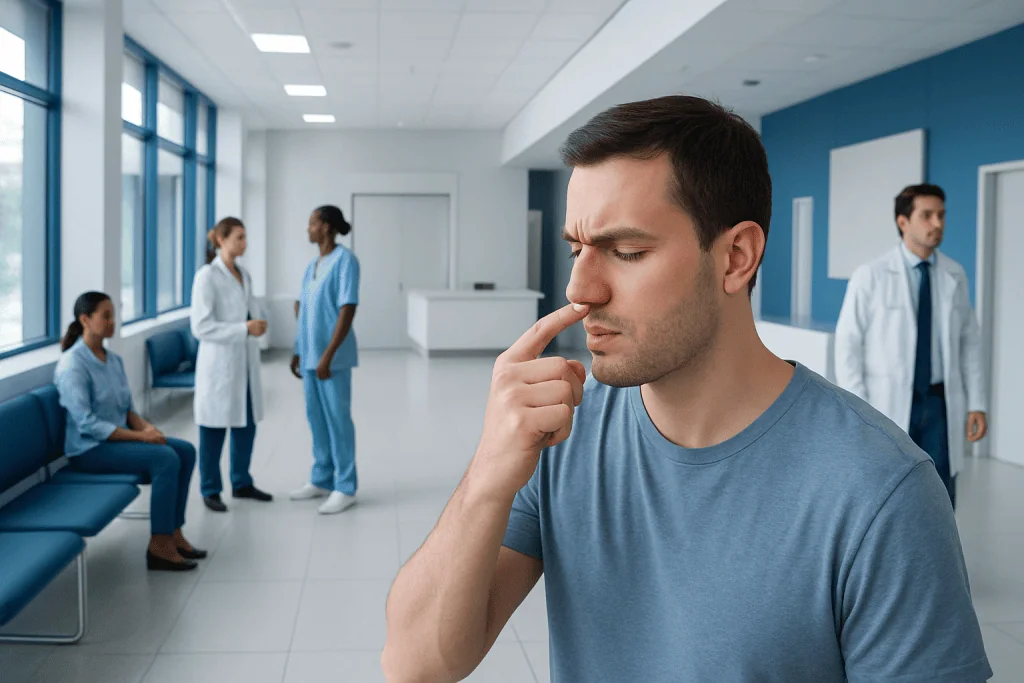
An ingrown nasal hair typically affects the hair-bearing skin just inside the nostril, not the deeper nasal passages. Plucking, squeezing, or digging into the nostril can worsen inflammation and increase the chance of infection.
Key Takeaways
- An ingrown nasal hair typically affects the hair-bearing skin just inside the nostril, not the deeper nasal passages.
- Plucking, squeezing, or digging into the nostril can worsen inflammation and increase the chance of infection.
- Warm compresses and gentle hygiene may ease mild irritation while the hair and skin heal.
- Persistent pain, pus, a boil-like lump, spreading redness, fever, or swelling of the face require prompt medical advice.
- A clinician may diagnose nasal vestibulitis or another condition and recommend appropriate treatment when infection is present.
An ingrown hair in nostril usually occurs when a nasal hair grows back into the skin or irritates its follicle, causing a tender bump, redness, or a small pimple-like spot near the nostril opening. Most cases improve with gentle care and avoiding further irritation, but infection symptoms should be assessed by a clinician.
Overview: What an Ingrown Hair in Nostril Means
An ingrown hair in nostril is usually a nasal hair that has curled or grown sideways into the surrounding skin instead of outward. It can also refer to inflammation of the hair follicle after a hair is pulled, trimmed very closely, or disturbed. Because coarse hairs grow near the entrance of the nose, the affected area is generally the visible or front inner part of the nostril, called the nasal vestibule.
The result may be a sore, red, pimple-like bump, sometimes with a tiny visible hair or whitehead. Mild cases are common and often settle as irritation reduces. However, the skin in and around the nose can develop bacterial follicle infections, so a bump that becomes increasingly painful, swollen, crusted, or filled with pus should not simply be assumed to be an ingrown hair.
Nasal hairs have a useful role: they help trap dust, pollen, and other particles before these enter deeper airways. Removing every nasal hair is neither necessary nor recommended. Safer grooming and early attention to infection symptoms can help protect the delicate skin inside the nostrils.
How It May Feel and Look
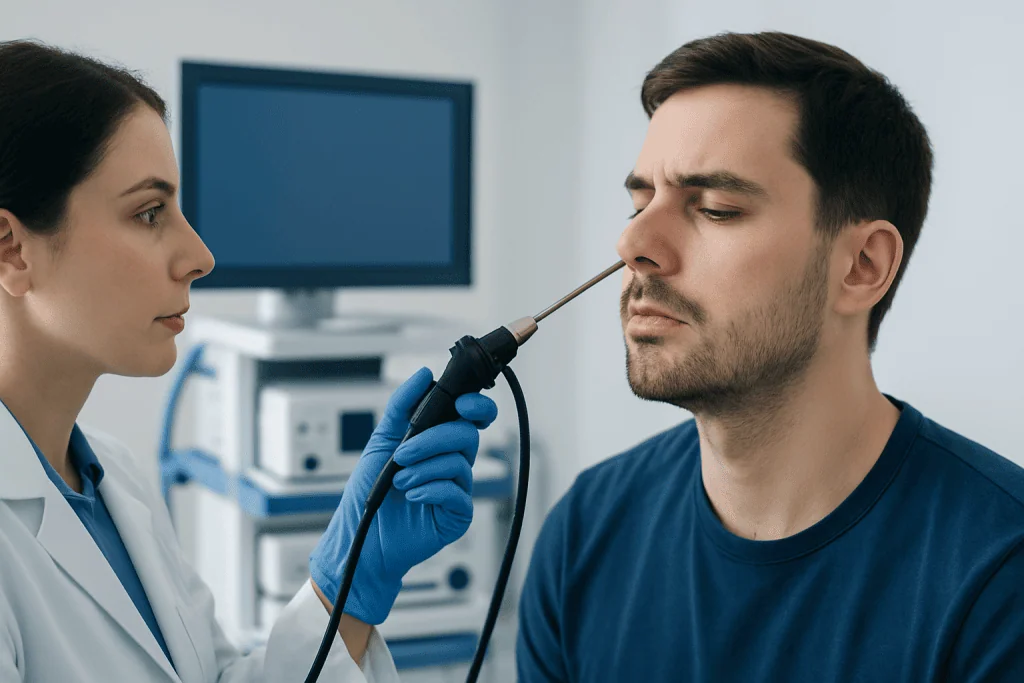
A mild ingrown nasal hair may cause local tenderness when touching the tip or side of the nose. Some people notice itching, a prickling sensation, or discomfort when blowing the nose. A small red bump at the nostril opening may resemble acne, and there may be mild swelling around one hair follicle.
If the follicle becomes infected, symptoms can become more noticeable. The area may form a crust, produce a small amount of discharge, or develop a pustule, which is a bump containing pus. This type of infection in the nasal vestibule is often called nasal vestibulitis. A deeper infection around a follicle can form a boil-like lump, also known as a furuncle.
Not every bump in the nose is caused by an ingrown hair. Dryness and cracking, eczema, acne, cold sores, trauma, allergies, and other skin conditions can produce similar discomfort. A recurrent, non-healing, bleeding, or firm lesion deserves medical examination rather than repeated home treatment.
- Small tender bump close to the nostril opening
- Localized redness or mild swelling
- Itching, stinging, or sensitivity when the nose is touched
- A visible trapped hair, crust, or pimple-like center
- Occasionally, pus or a painful boil if infection develops
Why Ingrown Nasal Hairs Develop

Ingrown hairs develop when the tip of a growing hair enters nearby skin, or when irritation causes the follicle to become blocked and inflamed. Nasal hairs may be coarse, curly, or angled in ways that make this more likely after close trimming or hair removal. The risk is not limited to any one age group or sex.
Plucking is a particularly common trigger. Pulling a hair from its root can irritate the follicle and create a small break in the skin. Bacteria that normally live on the skin, including Staphylococcus species, may then enter and cause folliculitis or nasal vestibulitis. Picking at crusts, rubbing the nose frequently, and inserting unclean fingers or grooming tools can add irritation.
Dry indoor air, frequent nose blowing during a cold or allergy season, and minor nasal trauma may also damage the protective skin barrier. People with diabetes, conditions or medicines that reduce immune function, or repeated skin infections may be more prone to troublesome infections and should seek advice earlier if nasal symptoms occur.
An ingrown hair is not a sign of poor hygiene. Over-cleaning, scrubbing, or using harsh products inside the nose can make the skin more irritated. The goal is gentle care rather than aggressive removal.
What to Do at Home and What to Avoid
For a small, mildly tender bump without fever, spreading redness, or drainage, the safest first step is to leave the area alone. Avoid pulling at a visible hair, squeezing the bump, or attempting to dig beneath the skin with tweezers, fingernails, or sharp objects. These actions can push bacteria deeper into the follicle and delay healing.
A clean, warm, damp compress placed gently against the outside of the affected nostril for several minutes may help relieve tenderness and encourage natural drainage. The face and nostril entrance can be cleaned gently with water and a mild cleanser used externally. Hands should be washed before and after touching the nose.
It is sensible to pause close trimming or hair removal until the skin has healed. If nasal hair grooming is wanted later, carefully trimming only protruding hairs with a clean electric trimmer or rounded-tip scissors is generally less irritating than plucking. Scissors should never be inserted deeply into the nostril.
Do not apply acne treatments, essential oils, strong antiseptics, or non-prescribed antibiotic products deep inside the nose. Some substances can burn or dry sensitive tissue, and unnecessary antibiotics can contribute to resistance or contact allergy. A pharmacist or clinician can advise on products that are appropriate for the nasal area.
How Clinicians Diagnose and Treat It
A doctor can often identify an ingrown hair, folliculitis, or nasal vestibulitis by asking about symptoms and examining the nostril entrance. Most people do not need blood tests or scans. If infections are severe, recurrent, not improving with treatment, or associated with significant drainage, a clinician may take a swab to look for the bacteria involved and guide antibiotic selection.
Treatment depends on the finding and severity. Mild irritation may need only protection from further trauma and supportive care. When a bacterial infection is suspected, a clinician may prescribe a topical antibiotic suitable for use in the nasal vestibule. More extensive infection, a large boil, or infection affecting surrounding skin may require oral antibiotics or another procedure chosen by the treating clinician.
A painful collection of pus should be evaluated rather than squeezed at home. In selected cases, a trained clinician may need to drain it safely. Recurrent infections may lead the care team to consider contributing factors such as frequent plucking, chronic nasal irritation, skin conditions, diabetes, or bacterial carriage.
Acibadem International’s multidisciplinary specialists and JCI-accredited hospitals can assess nasal and skin concerns, including suspected nasal vestibulitis, for international patients. The appropriate clinician may include an ear, nose, and throat specialist, dermatologist, or primary care physician depending on the symptoms.
When to Seek Medical Care
Medical advice is appropriate if a nostril bump does not begin to improve after a few days of gentle care, keeps returning, or is painful enough to interfere with sleep, facial movement, or normal activities. A clinician should also assess persistent crusting, pus, bleeding, or a lesion that does not appear to heal.
Prompt assessment is especially important for rapidly increasing redness or swelling around the nose, cheek, upper lip, or eye; a worsening boil-like lump; fever; severe headache; changes in vision; or feeling generally unwell. These symptoms are uncommon, but they can indicate a more significant infection that needs timely treatment.
People with diabetes, immune suppression, a history of recurrent skin infections, or recent nasal surgery should contact a healthcare professional sooner for a painful or infected-looking nasal bump. Children should also be assessed if there is substantial swelling, fever, or uncertainty about what is inside the nostril.
Preventing Future Irritation
The most effective prevention is to avoid plucking nasal hairs. Nasal hair does not need to be completely removed to look neat; trimming only the hairs that extend beyond the nostril rim is usually enough. Use a clean device designed for nasal grooming, follow its instructions, and avoid trimming so close that the skin is scraped.
Gentle hand hygiene matters because fingers can transfer bacteria to irritated skin. It may also help to avoid nose picking and to use soft tissues when blowing the nose. During dry weather or respiratory illnesses, preventing excessive rubbing and maintaining comfortable indoor humidity may reduce cracking at the nostril entrance.
Those who repeatedly develop sore bumps should discuss this pattern with a clinician. Recurrence can sometimes reflect an ongoing skin condition, bacterial colonization, or a grooming practice that needs to change. With the correct diagnosis, most people can manage the problem without removing nasal hair aggressively.
Frequently asked questions
Can an ingrown hair in the nostril go away on its own?
Yes. A small, non-infected ingrown nasal hair or irritated follicle often improves on its own when it is not touched, plucked, or squeezed. Gentle warmth and avoiding further grooming can support healing. If pain, redness, swelling, or drainage is increasing, medical advice is recommended.
Should a person pull out an ingrown nose hair?
No. Pulling out a suspected ingrown hair can further injure the follicle and raise the risk of bacterial infection. It is safer to leave the area alone and have a clinician examine it if the hair remains painful, trapped, or associated with a swollen bump.
Is an infected ingrown nasal hair dangerous?
Most infections near a nasal hair follicle are treatable, especially when assessed early. However, worsening swelling, spreading redness, pus, fever, severe pain, headache, eye symptoms, or facial swelling needs prompt medical evaluation. These signs may indicate infection beyond a simple irritated follicle.
What is nasal vestibulitis?
Nasal vestibulitis is inflammation or infection of the skin just inside the nostrils. It is often associated with bacteria entering irritated skin after nose picking, frequent blowing, trimming, or plucking nasal hairs. Symptoms can include soreness, crusting, pimples, redness, and sometimes small boils.
Can trimming nose hair cause ingrown hairs?
Very close trimming can irritate the skin and hair follicles, although plucking is generally more likely to cause follicle trauma. Using a clean trimmer and cutting only visible protruding hairs can reduce irritation. Avoid inserting grooming tools deeply into the nostril.
When should a bump inside the nose be checked by a doctor?
A doctor should check a bump that persists, recurs, bleeds, drains pus, becomes very painful, or does not heal as expected. Assessment is also important if there is fever or redness and swelling spreading beyond the nostril. A clinician can distinguish an ingrown hair from infection or other nasal and skin conditions.
This article is for general information only and is not a substitute for professional medical advice. Please consult a qualified doctor about your individual situation.
Hair transplant in Turkey — costs, graft counts & a free assessment
JCI-accredited · board-certified surgeons · reply within 24h
Add us as a Preferred Source to see more of our trusted health content across Google Search, AI Overviews and Discover.

More from the Health Library

Maltose: A Complete Medical Overview

Bladder Stones: A Complete Medical Overview

Banana Hair Mask — Explained by Medical Evidence, Not Myths
Cerebral amyloid angiopathy: Symptoms, Causes, and Treatment — Complete Patient Guide
Purple Toes: What Patients Need to Know