Ingrown Hairs Therapy: Early Signs, Risk Factors, and How It Is Treated
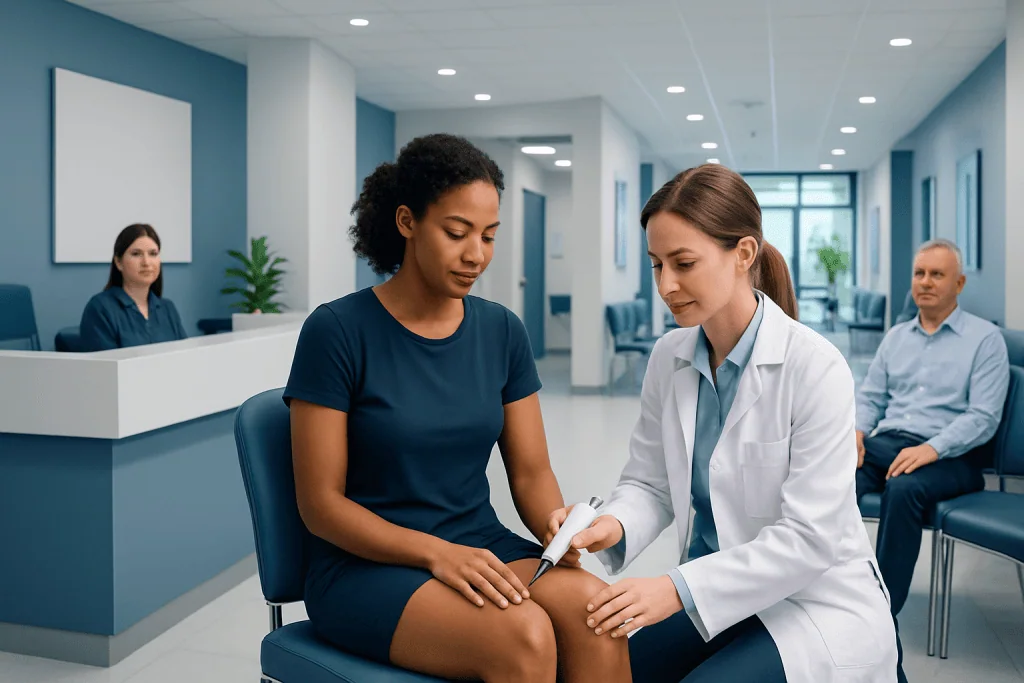
Ingrown hairs happen when a hair curls or grows back into the skin instead of outward. Early signs include small bumps, tenderness, itching, and darkening or redness around hair follicles.
Key Takeaways
- Ingrown hairs happen when a hair curls or grows back into the skin instead of outward.
- Early signs include small bumps, tenderness, itching, and darkening or redness around hair follicles.
- The best ingrown hairs therapy often combines skin care with safer shaving or hair-removal techniques.
- Medical care may be needed if bumps are recurrent, very painful, scar-forming, or show signs of infection.
- People with curly hair, coarse hair, or frequent close shaving are at higher risk.
Ingrown hairs therapy usually focuses on reducing inflammation, releasing trapped hairs safely, and changing hair-removal habits so the problem is less likely to come back. Most cases improve with gentle skin care, but persistent, painful, or infected bumps may need assessment and treatment by a doctor.
Overview: what ingrown hairs therapy involves
Ingrown hairs therapy is the care used to treat hairs that have grown sideways or curled back into the skin instead of emerging normally. The main goals are to calm irritation, prevent infection, help trapped hairs resolve without damaging the skin, and reduce future episodes by improving hair-removal habits. In many people, this means a combination of gentle cleansing, avoiding aggressive picking, and adjusting shaving or waxing techniques.
Ingrown hairs can appear anywhere hair is removed, but they are especially common on the face, neck, underarms, bikini area, legs, and chest. They may look like small red or skin-colored bumps, and sometimes a hair can be seen trapped beneath the surface. In darker skin tones, they may leave persistent dark marks after inflammation settles.
This condition is closely related to razor bumps, also called pseudofolliculitis barbae, which often affects areas shaved closely. While many ingrown hairs improve on their own, repeated inflammation can lead to discomfort, pigmentation changes, and occasionally scarring. That is why early, consistent care matters as much as treatment after bumps appear.
Early signs and symptoms
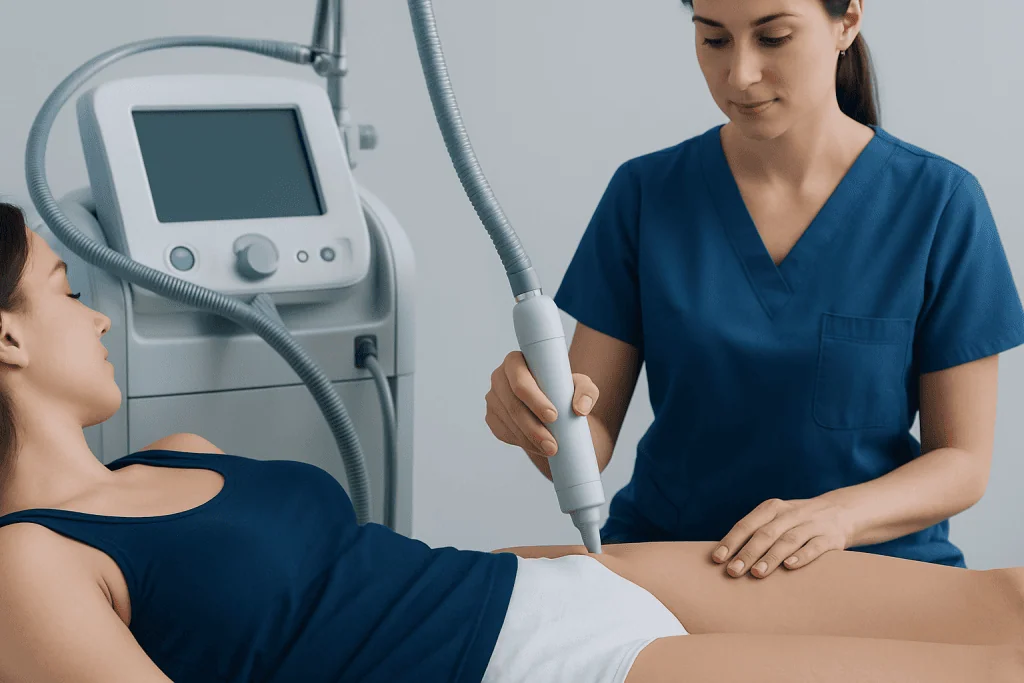
Early signs of an ingrown hair are usually mild but noticeable. A person may feel tenderness, itching, or a prickling sensation in an area that has recently been shaved, waxed, plucked, or epilated. Soon after, a small bump may appear where the hair follicle becomes blocked or the hair curves back into the skin.
These bumps can be red, inflamed, or filled with a small amount of pus if irritation becomes more intense. Some people can see a looped or dark hair line under the skin surface. Others may notice only roughness and repeated tiny bumps that resemble acne, especially in the beard area or along the bikini line.
In some cases, the most persistent symptom is not pain but skin discoloration. After the bump heals, the area may remain darker or occasionally lighter than the surrounding skin for some time. Recurrent ingrown hairs may also make the skin feel thickened, uneven, or sensitive.
- Small raised bumps after hair removal
- Redness or skin darkening around follicles
- Itching, burning, or tenderness
- A visible trapped hair beneath the skin
- Pus-filled bumps if secondary infection develops
Why ingrown hairs happen: causes and risk factors

Ingrown hairs develop when the normal path of hair growth is disrupted. A freshly cut hair can have a sharp tip that re-enters the skin, especially when hair is shaved very closely. In other situations, dead skin cells block the follicle opening, causing the hair to curl under the skin rather than grow outward.
Certain hair types are more prone to this problem. Curly or tightly coiled hair is more likely to bend back toward the skin. Coarse hair can also create more friction after shaving. People who remove hair frequently, shave against the direction of growth, stretch the skin while shaving, or use dull blades may experience more repeated episodes.
Clothing and skin care habits can contribute as well. Tight collars, waistbands, and underwear can rub the area and trap hairs. Heavy friction from sportswear may worsen the problem on the thighs or groin. Waxing, plucking, and epilating can also trigger ingrown hairs in some people because the new hair may struggle to come through the skin surface.
Some recurrent cases are associated with razor bumps rather than isolated trapped hairs. This pattern is common in the beard area and may overlap with folliculitis, where inflamed follicles become more irritated or infected. A dermatologist can help distinguish between these conditions because the best treatment approach may differ slightly.
How doctors diagnose ingrown hairs
Diagnosis is usually based on the appearance of the skin and a person’s hair-removal history. A doctor will ask where the bumps occur, how long they last, whether they recur after shaving or waxing, and whether there is pain, drainage, or scarring. The pattern often gives a clear clue, particularly when symptoms repeatedly affect the same hair-bearing areas.
A close skin examination may reveal curved hairs under the surface, inflamed follicles, post-inflammatory dark marks, or signs of infection. In most cases, no blood tests or scans are needed. If the rash is unusual, severe, or does not respond to standard care, a specialist may consider other causes such as acne, eczema, bacterial folliculitis, fungal infection, or cysts.
Sometimes diagnosis matters because not every shaving-related bump is simply an ingrown hair. For example, widespread inflamed follicles may need evaluation for other skin conditions, and persistent scarring can benefit from a more individualized treatment plan. A clinical assessment helps guide both immediate therapy and prevention.
Treatment options for ingrown hairs
The most effective ingrown hairs therapy begins with reducing further irritation. Doctors often recommend pausing shaving, waxing, or plucking in the affected area until inflammation improves. Gentle cleansing and warm compresses may soften the skin and help a trapped hair emerge naturally. Picking, squeezing, or digging under the skin is discouraged because it increases the risk of infection, bleeding, and scarring.
When bumps are inflamed, topical treatments may be used to reduce swelling and help remove excess dead skin from around the follicle opening. Depending on the case, a clinician may suggest medications that calm inflammation or support exfoliation. If infection is present or strongly suspected, treatment may also include antibiotics. Persistent pigment changes or scarring may need a separate treatment plan after the active bumps settle.
For people with repeated episodes, long-term improvement often depends on changing the method of hair removal rather than only treating each bump. Shaving less closely, using proper technique, or switching methods can reduce recurrence. In selected patients, laser hair removal may be considered to reduce hair growth in problem areas and lower the chance of future ingrown hairs, especially when conservative measures have not worked well.
Some individuals develop deeper painful bumps or recurrent follicle inflammation that benefits from specialist care in dermatology. If there is an abscess, extensive infection, or significant scarring, treatment should be guided by a qualified doctor rather than home care alone.
Prevention and self-care that support recovery
Prevention is a central part of ingrown hairs therapy because repeated episodes are common if daily habits do not change. Before shaving, the skin and hair should be softened with warm water and a gentle shaving product. Shaving in the direction of hair growth, avoiding repeated passes over the same area, and not stretching the skin can help reduce the chance that cut hairs will re-enter the skin.
Using a clean, sharp blade is also important. Dull razors can pull hairs unevenly and increase irritation. Some people do better with electric clippers that leave hair slightly longer rather than with very close shaving. Others may find that trimming instead of complete removal gives the skin time to recover while still meeting grooming preferences.
Regular but gentle exfoliation may help reduce buildup of dead skin cells that can trap new hair growth. This should be done carefully, because harsh scrubbing can worsen inflammation. After hair removal, a light, non-comedogenic moisturizer may reduce friction and dryness. Wearing looser clothing can also help in commonly affected areas such as the neck, underarms, and bikini line.
- Pause hair removal if the skin is actively inflamed
- Shave with the grain rather than against it
- Avoid very close shaving and repeated razor strokes
- Do not pick at bumps or use needles at home
- Consider alternative hair-removal methods if episodes are frequent
When to seek medical care
Medical advice is appropriate when ingrown hairs are very painful, keep returning, or do not improve with basic self-care. A person should also seek care if bumps become large, warm, increasingly red, or start draining pus, since these features can suggest infection or more significant inflammation. Recurrent bumps in the beard area may represent pseudofolliculitis barbae and often benefit from a tailored treatment strategy.
Professional assessment is especially helpful when ingrown hairs leave dark marks, scars, or thickened areas of skin. This is important for people whose work or daily routine requires regular shaving, because prevention must be practical as well as effective. A doctor can also review whether another skin condition is contributing to the problem.
Near the end of a treatment journey, some patients may need more advanced options for long-term control or for managing scarring and pigmentation. Acibadem International’s multidisciplinary specialists in JCI-accredited hospitals diagnose and treat skin and hair-related conditions for international patients, including cases that need coordinated dermatologic care.
Frequently asked questions
What is the best ingrown hairs therapy?
The best approach depends on how severe and recurrent the bumps are. For many people, treatment includes stopping close hair removal for a short time, using gentle skin care, and changing shaving habits. If there is significant inflammation, infection, or scarring, a doctor may prescribe targeted treatment.
Do ingrown hairs go away on their own?
Many mild ingrown hairs improve on their own if the area is left alone and not repeatedly shaved or picked. Warm compresses and gentle skin care can support healing. However, recurrent or painful bumps may continue unless the hair-removal method is changed.
Can an ingrown hair become infected?
Yes. When the skin is broken by scratching, squeezing, or repeated friction, bacteria can enter and cause infection. Warning signs include increasing redness, warmth, swelling, pain, and pus drainage.
Is it safe to pull out an ingrown hair at home?
Trying to dig out an ingrown hair at home is usually not recommended. It can damage the skin, increase inflammation, and lead to infection or scarring. If a hair is deeply trapped or the area is very painful, it is safer to have it assessed by a clinician.
Who gets ingrown hairs most often?
Anyone can develop them, but they are more common in people with curly, coarse, or tightly coiled hair. They also occur more often in areas that are shaved closely or exposed to friction from clothing. Frequent shaving, waxing, or plucking can raise the risk.
Can laser hair removal help prevent ingrown hairs?
For some people with repeated ingrown hairs, laser hair removal can reduce recurrence by decreasing the amount of hair that grows back. It is not the right choice for everyone, and suitability depends on skin type, hair type, and the treatment area. A dermatologist or trained specialist can explain whether it may be helpful.
References
- American Academy of Dermatology
- National Health Service
- Mayo Clinic
- Merck Manual Consumer Version
This article is for general information only and is not a substitute for professional medical advice. Please consult a qualified doctor about your individual situation.
Hair transplant in Turkey — costs, graft counts & a free assessment
JCI-accredited · board-certified surgeons · reply within 24h
Add us as a Preferred Source to see more of our trusted health content across Google Search, AI Overviews and Discover.

More from the Health Library



Related Specialists

Asst. Prof. Dr. Deniz Demircioğlu
Dermatology
Dyt. Zehra Mevce Abatay Bıkmaz
Nutrition & Diet
Assoc. Prof. Dr. Yeşim Çimen
Physical Medicine & Rehabilitation
Dr. Serap Sapmaz Deniz
Pediatrics