Inspiresleep Com Cost: A Complete Medical Overview

Inspire therapy is a surgically implanted system used for selected people with obstructive sleep apnea. The overall cost may include sleep testing, specialist consultations, surgery, anesthesia, the implant, device activation and long-term follow-up.
Key Takeaways
- Inspire therapy is a surgically implanted system used for selected people with obstructive sleep apnea.
- The overall cost may include sleep testing, specialist consultations, surgery, anesthesia, the implant, device activation and long-term follow-up.
- Insurance coverage, deductibles, co-insurance, network status and prior authorization can substantially affect personal out-of-pocket costs.
- Inspire is not appropriate for every person with sleep apnea; careful airway and sleep evaluation is essential.
- A sleep specialist and insurance provider can help patients understand eligibility, coverage requirements and expected financial responsibility.
Inspiresleep com cost cannot be given as one reliable figure because the total depends on insurance benefits, preoperative testing, surgeon and hospital fees, device-related services, and follow-up care. Inspire therapy is an implanted treatment for selected adults with obstructive sleep apnea, so suitability should be confirmed clinically before cost planning begins.
What does inspiresleep com cost mean for patients?
When people search for inspiresleep com cost, they are usually trying to understand the financial planning involved in Inspire therapy, also called upper airway stimulation or hypoglossal nerve stimulation. There is no single medically appropriate price to quote because the total can differ substantially by country, hospital, insurance plan, clinical needs, and the services included before and after implantation.
Inspire therapy is not an over-the-counter sleep aid or a simple office procedure. It involves specialist assessment, an implanted device, surgery under anesthesia, device activation, and ongoing review. A clear estimate should therefore describe the complete episode of care rather than only the implant or operation.
For many patients, the first practical step is confirming whether the therapy is clinically suitable and whether an insurer requires prior authorization. The treating sleep and surgical teams can then provide an individualized treatment plan, while the insurer or benefits administrator can explain covered services and the patient’s likely out-of-pocket responsibility.
How Inspire therapy works
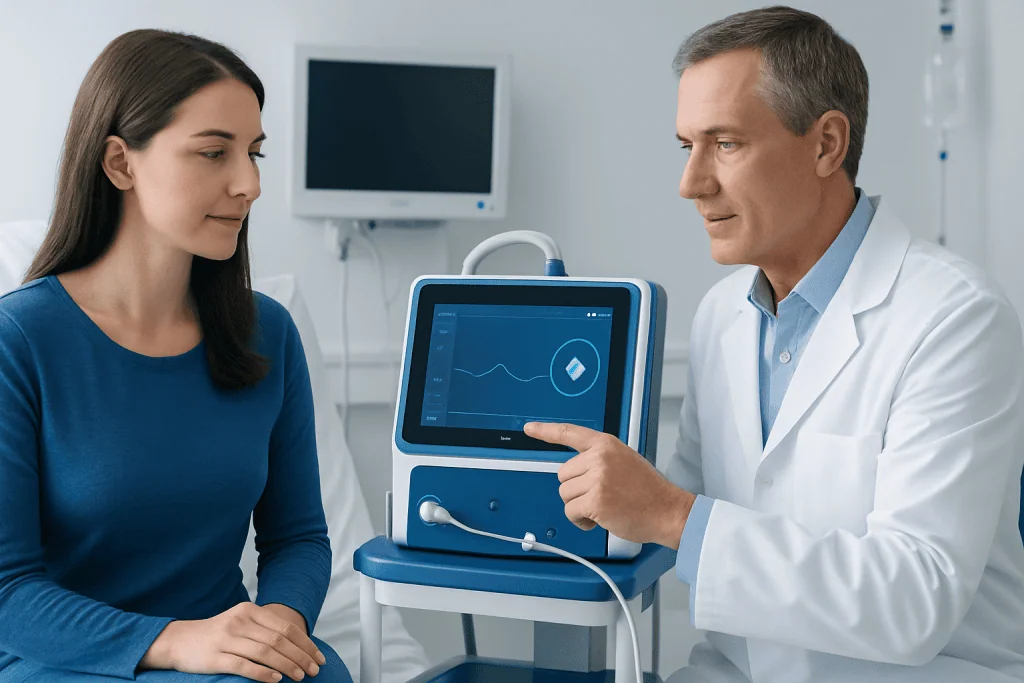
Inspire therapy is designed to help keep the upper airway open during sleep in selected people with obstructive sleep apnea. The system is implanted under the skin and includes a small generator, a sensing lead that monitors breathing, and a stimulation lead connected to a nerve that helps control tongue movement.
When the device detects an attempt to breathe during sleep, it delivers mild stimulation timed with breathing. This moves the tongue forward and may reduce airway blockage. Patients turn the system on before sleep using a remote, following instructions from their clinical team.
It is important to distinguish Inspire therapy from continuous positive airway pressure, commonly called CPAP. CPAP uses airflow through a mask to support the airway and remains an effective first-line treatment for many people. Inspire may be considered when CPAP has not been tolerated or has not provided adequate benefit despite appropriate efforts to use it.
What can affect the total cost of care?

Several elements may contribute to the overall financial picture. These commonly include appointments with a sleep medicine specialist and surgeon, an updated sleep study when needed, imaging or laboratory testing, a medication review, and a detailed assessment of the nose, throat, and airway.
A key part of the evaluation is often drug-induced sleep endoscopy, a procedure performed under sedation to observe how the airway behaves during sleep-like conditions. The procedure helps identify whether the pattern of airway collapse is compatible with upper airway stimulation. Its availability, clinical indication, and coverage arrangements can vary.
The surgical portion may involve professional fees, hospital or ambulatory surgical center charges, anesthesia, the implanted device, and routine postoperative care. After implantation, additional services can include wound checks, device activation, adjustment visits, and sleep testing to optimize settings. Future needs, such as replacement of the generator battery after years of use, may also be relevant to long-term planning.
Coverage is influenced by the health plan’s medical policy, whether clinicians and facilities are in network, deductibles, co-insurance, annual out-of-pocket limits, and authorization rules. Patients should ask for written estimates where possible and confirm that each component of care—not only the surgery—is included in the discussion.
Who may be considered for Inspire therapy?
Eligibility is based on clinical findings rather than symptoms alone. Candidates are generally adults with moderate to severe obstructive sleep apnea who have been unable to use CPAP consistently or effectively despite appropriate support. A sleep study is needed to establish the diagnosis and measure its severity.
Clinical teams also consider body weight, airway anatomy, the type of airway collapse seen during evaluation, medical history, and the proportion of breathing events that are obstructive rather than central. Certain patterns of complete airway collapse may make this therapy unsuitable. A clinician will also review whether the person can safely undergo surgery and operate the device.
Upper airway stimulation does not replace healthy sleep habits, weight management when appropriate, or treatment of contributing nasal and throat conditions. People with sleep apnea may also benefit from a broader care plan that addresses blood pressure, cardiovascular risk, daytime fatigue, and other health concerns linked with disrupted breathing during sleep.
People who are considering an implant but have not yet had a thorough sleep assessment should begin with a qualified sleep medicine professional. The evaluation may also identify alternatives, including CPAP treatment, oral appliances, positional approaches, lifestyle measures, or surgery for selected anatomical concerns.
How to discuss insurance and financial planning
Patients can prepare for a coverage conversation by collecting their insurance card, sleep study report, CPAP history, referrals, and any notes documenting difficulty tolerating CPAP. The sleep clinic may submit medical records to support a prior authorization request, but approval criteria vary among insurers and may change over time.
Useful questions for the insurance provider include whether upper airway stimulation is covered under the individual plan, whether prior authorization is required, which sleep specialists and surgical facilities are in network, and how the device and surgery are billed. Patients may also ask whether preoperative testing, device programming, postoperative sleep studies, and future battery replacement are handled separately.
It can be helpful to speak with the hospital’s financial counseling or billing team before scheduling surgery. They may explain expected billing categories, payment policies, and what information is needed to request an estimate. An estimate is not a guarantee of final responsibility, especially if care needs change or insurance benefits are revised.
For patients traveling internationally, planning should also include consultation schedules, recovery time, follow-up arrangements at home, and whether local clinicians can provide device-related care. Decisions should be based on clinical suitability and continuity of care, not cost alone.
Benefits, limitations and recovery considerations
For appropriately selected patients, upper airway stimulation may reduce obstructive breathing events and improve sleep-related symptoms. However, results vary from person to person. Some patients still need adjustments over time, and the therapy may not fully eliminate sleep apnea or every symptom of poor sleep.
As with any surgery, implantation has potential risks. These can include pain, swelling, bleeding, infection, scarring, changes in tongue sensation or movement, discomfort from stimulation, and the need for further procedures. The surgical team will explain the individual risks, expected recovery, wound care, activity restrictions, and warning signs before treatment.
The device is usually activated after the surgical area has had time to heal. Settings are increased gradually and are commonly refined with follow-up visits and sleep testing. Patients should attend scheduled reviews and tell their care team about persistent discomfort, changes in symptoms, new medical devices, or planned imaging procedures.
A multidisciplinary evaluation can help patients compare options thoughtfully. Acibadem International’s sleep, ear-nose-throat, and surgical specialists in JCI-accredited hospitals assess and treat sleep-related breathing disorders for international patients, with care plans based on individual clinical needs.
When to seek medical care
A person should arrange a medical evaluation if they snore loudly, have witnessed pauses in breathing, wake gasping or choking, experience unrefreshing sleep, or have significant daytime sleepiness. These symptoms can have several causes, but obstructive sleep apnea is an important condition to assess because treatment can improve sleep quality and may support overall health.
Prompt medical advice is particularly important when daytime sleepiness affects driving, work, school, or safety. People should avoid driving or operating machinery when they feel unable to stay alert. Those with chest pain, severe shortness of breath, fainting, or other urgent symptoms should seek emergency care rather than assuming sleep apnea is the cause.
Patients using CPAP who are struggling with the mask, pressure, nasal symptoms, or adherence should not stop treatment without discussing alternatives with their clinician. Practical adjustments, education, and treatment of nasal obstruction can often improve comfort before an implant is considered.
Frequently asked questions
Is there one official inspiresleep com cost?
No single figure applies to every patient. The total depends on the required assessments, the surgical setting, implant-related services, follow-up care, and the person’s insurance coverage. A hospital billing team and insurance provider can give the most relevant individualized information.
Does insurance usually cover Inspire therapy?
Coverage varies by insurer, policy, country, and clinical eligibility. Many plans require documentation of obstructive sleep apnea, evidence that CPAP has not been tolerated or effective, and prior authorization. Patients should confirm coverage directly with their insurer before proceeding.
What is included in the cost planning for Inspire therapy?
Planning may include consultations, sleep testing, airway evaluation, surgery, anesthesia, the implant, device activation, programming visits, and postoperative monitoring. Not every patient needs exactly the same services. Asking for a written breakdown can make discussions clearer.
Is Inspire therapy cheaper than CPAP?
These treatments have different care pathways and cannot be compared reliably with one simple price. CPAP is non-surgical and is often tried first, while Inspire therapy requires surgery and long-term device follow-up. The appropriate choice should be based primarily on medical suitability, effectiveness, tolerance, and coverage.
Who is not a good candidate for Inspire therapy?
People may not be suitable if their sleep study shows a high proportion of central sleep apnea events, if airway evaluation identifies an incompatible collapse pattern, or if surgery would present unacceptable risk. Individual eligibility also depends on anatomy, health status, and the ability to use and follow up with the device. A specialist assessment is necessary.
How long is follow-up needed after implantation?
Follow-up begins after surgery to check healing and activate the device. Further visits are used to adjust settings and may include sleep testing to assess treatment response. Long-term reviews are important because needs can change and the implanted generator will eventually require clinical reassessment.
References
- American Academy of Sleep Medicine
- U.S. Food and Drug Administration
- National Heart, Lung, and Blood Institute
- Mayo Clinic
- Inspire Medical Systems
This article is for general information only and is not a substitute for professional medical advice. Please consult a qualified doctor about your individual situation.
Explore treatments in Turkey — costs, top hospitals & a free quote
JCI-accredited · board-certified surgeons · reply within 24h
Add us as a Preferred Source to see more of our trusted health content across Google Search, AI Overviews and Discover.
Check your numbers in seconds
BMI, calories, due date, blood pressure and 30+ more clinical calculators — free, instant, doctor-reviewed ranges.