Integumentary System Organs: A Complete Medical Overview
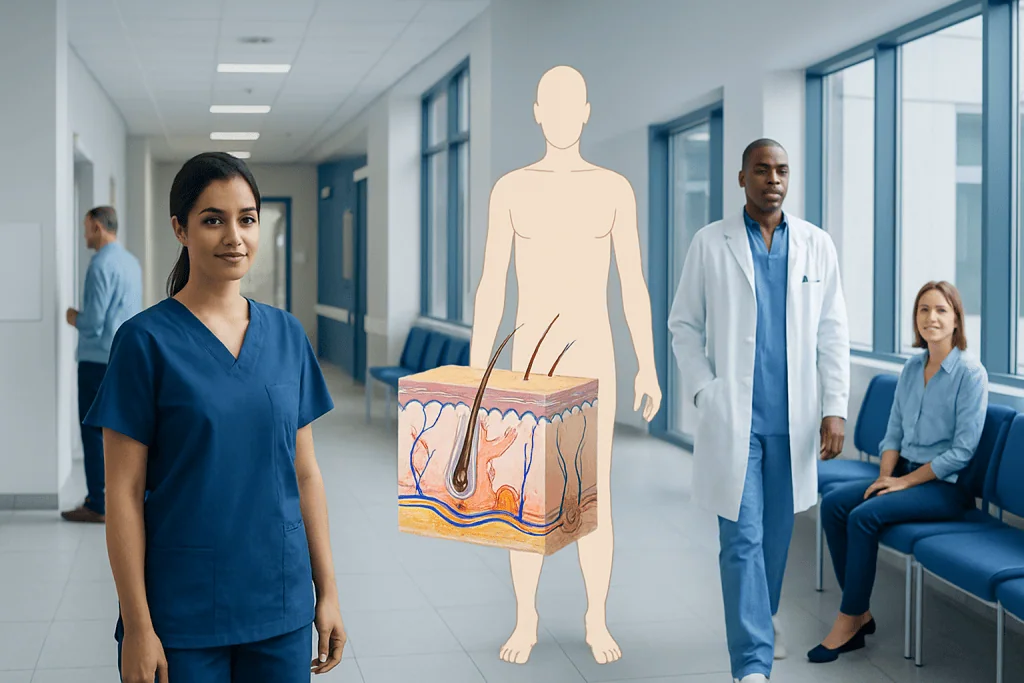
The main integumentary system organs are the skin, hair, nails, sweat glands, and sebaceous glands. These structures protect the body from injury, germs, water loss, and harmful environmental exposure.
Key Takeaways
- The main integumentary system organs are the skin, hair, nails, sweat glands, and sebaceous glands.
- These structures protect the body from injury, germs, water loss, and harmful environmental exposure.
- The integumentary system also helps regulate body temperature, supports sensation, and contributes to vitamin D production.
- Common problems include rashes, infections, acne, eczema, hair loss, nail disorders, and suspicious skin changes.
- Persistent itching, changing moles, non-healing wounds, or signs of infection should be assessed by a qualified doctor.
Integumentary system organs are the skin, hair, nails, sweat glands, and sebaceous glands. Together, they form the body’s outer protective system, helping with temperature control, sensation, hydration, immune defense, and wound healing.
Overview: What Are the Integumentary System Organs?
Integumentary system organs are the body structures that create its outer covering: the skin, hair, nails, sweat glands, and sebaceous (oil) glands. These organs work together as a functional system rather than as isolated parts, forming a protective barrier between the body and the outside world.
This system does much more than provide appearance or physical coverage. It helps prevent dehydration, reduces the entry of germs, protects deeper tissues from mechanical injury, senses touch and temperature, and supports healing after everyday damage. The integumentary system also plays a role in vitamin D production when skin is exposed to sunlight.
Many people think mainly of the skin when they hear this term, but hair, nails, and specialized glands are also essential. Each has a specific role, and changes in any of these organs can sometimes signal a local skin problem or a broader health issue.
The Main Organs and Structures in the Integumentary System
The skin is the largest and most visible organ in the integumentary system. It has three main layers: the epidermis, dermis, and subcutaneous tissue below. The epidermis forms the outer barrier, the dermis contains blood vessels, nerves, hair follicles, and glands, and the deeper fatty layer cushions and insulates the body.
Hair grows from follicles in the skin and helps with protection, sensation, and temperature control. Scalp hair can reduce heat loss and sun exposure, while eyelashes and nasal hair help keep particles away from sensitive areas. Hair also has social and cosmetic importance, which is why hair disorders may affect emotional well-being as well as health.
Nails are hard plates made mainly of keratin. They protect the tips of the fingers and toes and make fine hand movements easier. Changes in nail color, shape, thickness, or texture can occur with trauma, fungal infection, skin disease, or systemic illness.
Sweat glands and sebaceous glands are specialized gland structures within the skin. Sweat glands release moisture that cools the body as it evaporates. Sebaceous glands produce sebum, an oily substance that helps lubricate the skin and hair. Blockage or inflammation of these glands may contribute to problems such as acne or skin irritation.
How the Integumentary System Protects and Supports the Body

The integumentary system’s best-known function is protection. Healthy skin acts as a barrier against bacteria, viruses, chemicals, and minor physical trauma. It also limits water loss, which is essential for maintaining normal hydration and stable internal body conditions.
Another major function is temperature regulation. When the body becomes warm, sweat glands produce sweat and blood vessels near the skin surface widen to release heat. In cooler conditions, blood vessels constrict to help conserve heat. This continuous adjustment helps the body maintain a safe internal temperature.
The system also supports sensation. Nerve endings in the skin detect pressure, vibration, pain, touch, and temperature. This information helps a person respond quickly to the environment, such as pulling a hand away from a hot surface or noticing an injury before it becomes worse.
In addition, the integumentary system contributes to immune defense and healing. Skin cells and immune cells help recognize and respond to threats. When the skin is injured, a coordinated repair process begins to close the wound, reduce infection risk, and restore tissue integrity.
Common Conditions That Affect Integumentary System Organs
Because these organs are exposed to the environment every day, they are vulnerable to many different conditions. Common skin concerns include dryness, contact irritation, infections, acne, dermatitis, fungal problems, and chronic inflammatory conditions such as eczema and psoriasis. Symptoms may include itching, redness, flaking, pain, swelling, or visible rash.
Hair and scalp conditions are also frequent. These may include dandruff, scalp inflammation, patchy hair loss, diffuse shedding, or changes related to hormones, nutrition, stress, medication, or autoimmune disease. Nail problems can include brittleness, discoloration, thickening, ingrown nails, and fungal infection.
Some changes in integumentary system organs deserve closer attention because they may represent precancerous or cancerous disease. A sore that does not heal, a mole that changes in size or color, persistent bleeding, or a new growth should be assessed by a medical professional. Skin cancer can appear in many forms, so early evaluation matters.
In other cases, skin findings may reflect internal health issues. For example, pallor, yellowing, bluish discoloration, severe dryness, or unusual bruising can sometimes be linked to blood, liver, endocrine, or circulation problems. The skin can therefore provide useful clues about overall health.
What Influences the Health of Integumentary System Organs?
Integumentary health is shaped by both internal and external factors. Age naturally changes the skin, hair, and nails over time. Skin may become thinner and drier, wound healing may slow, and hair or nails may change in texture. Hormones, genetics, immune function, and underlying medical conditions can also affect how these organs look and function.
Environmental exposure is another important influence. Sunlight, extreme temperatures, low humidity, friction, harsh soaps, irritants, and allergens can all affect the skin barrier. Repeated ultraviolet exposure increases the risk of premature skin aging and skin cancer, making sun protection an essential long-term habit.
Lifestyle factors matter as well. Nutrition, hydration, sleep, smoking, stress, and personal care routines all influence skin and appendage health. Inadequate nutrition may contribute to brittle nails or hair shedding, while smoking can impair circulation and delay wound healing.
Medications and medical treatments may also produce visible changes. Some drugs can increase sun sensitivity, trigger rashes, worsen dryness, or affect hair growth. When changes appear soon after starting a new medicine, it is reasonable to ask a clinician whether there may be a connection.
How Doctors Evaluate Skin, Hair, Nail, and Gland Problems
Assessment usually starts with a detailed medical history and physical examination. A doctor may ask when symptoms began, whether they are itchy or painful, whether new products or medications were used, and whether there is a personal or family history of skin disease, allergy, or autoimmune conditions. They will also look at the pattern, location, and appearance of the changes.
In many cases, a clinical examination is enough to guide diagnosis and treatment. When needed, further tests may include skin swabs, scrapings for fungal infection, patch testing for allergies, blood tests, or a skin biopsy. A biopsy involves taking a small sample so the tissue can be examined more closely.
Suspicious moles or lesions may require dermoscopic assessment or referral to a dermatologist. Persistent acne, recurrent infections, severe hair loss, or chronic rashes may also need specialist input. In some patients, treatment planning may include options such as dermatology evaluation or skin biopsy when a precise diagnosis is important.
Treatment, Prevention, and Everyday Self-care
Treatment depends on which integumentary organ is affected and what the underlying cause is. Management may include moisturizers, barrier repair products, antifungal treatment, anti-inflammatory medicines, allergy avoidance, wound care, or procedures for suspicious lesions. Hair and nail problems may improve when the root cause is identified, such as infection, nutritional deficiency, skin disease, or repeated trauma.
For many people, daily prevention starts with gentle skin care. Helpful habits include using mild cleansers, avoiding overly hot water, moisturizing regularly, protecting the skin from unnecessary friction, and choosing products suited to sensitive skin when irritation is a problem. Nails benefit from careful trimming, limiting repeated wet work when possible, and avoiding aggressive cosmetic practices that damage the nail plate.
Sun protection is one of the most effective ways to care for the integumentary system. Practical steps include seeking shade, wearing protective clothing, and using broad-spectrum sunscreen when appropriate. People with changing or suspicious lesions may need expert assessment and, in some cases, procedures related to skin cancer treatment or targeted care for chronic inflammatory disease.
When skin, hair, or nail symptoms are ongoing, self-treatment should not continue indefinitely without review. Medical assessment is especially important if symptoms are spreading, recurring, painful, infected, or affecting sleep and quality of life. Near the end of a care pathway, some international patients may choose centers such as Acibadem International, where multidisciplinary specialists in JCI-accredited hospitals diagnose and treat a wide range of integumentary system conditions.
When to Seek Medical Care
Medical advice should be sought for any rash, wound, mole, nail change, or hair problem that is severe, persistent, or getting worse. It is also important to seek care for redness with warmth, pus, fever, rapidly spreading swelling, or significant pain, as these may suggest infection or deeper inflammation.
Prompt assessment is recommended for a non-healing sore, a mole that changes in color or border, sudden widespread rash, blistering, or skin symptoms associated with trouble breathing or swelling of the lips or face. These situations may require urgent evaluation.
Children, older adults, and people with diabetes, immune suppression, circulation problems, or chronic skin disease may need earlier review because complications can develop more easily. If there is uncertainty, a qualified doctor or dermatologist can help decide whether the problem is minor, chronic, or something that needs prompt treatment.
Frequently asked questions
What are the organs of the integumentary system?
The integumentary system organs are the skin, hair, nails, sweat glands, and sebaceous glands. Together, they protect the body, support temperature regulation, and help with sensation and healing.
Is the skin considered an organ?
Yes, the skin is an organ, and it is the body’s largest organ. It has multiple layers and performs several vital jobs, including barrier protection, temperature control, and sensory input.
What is the main function of the integumentary system?
Its main function is to protect the body from the external environment. It also helps prevent water loss, regulates body temperature, supports immune defense, enables sensation, and contributes to wound healing.
How do hair and nails help the body?
Hair helps with protection, insulation, and sensation, depending on its location. Nails protect the ends of the fingers and toes and improve the ability to grip and perform fine movements.
What are common signs that something is wrong with the integumentary system?
Common signs include rash, itching, redness, pain, dryness, unusual hair loss, nail discoloration, or sores that do not heal. A changing mole or spreading skin infection also deserves medical attention.
Can problems in the integumentary system reflect other health issues?
Yes, sometimes skin, hair, or nail changes can be linked to internal conditions such as hormonal disorders, nutritional deficiencies, autoimmune disease, liver disease, or circulation problems. That is one reason persistent or unexplained changes should be evaluated by a doctor.
References
- American Academy of Dermatology
- National Institute of Arthritis and Musculoskeletal and Skin Diseases
- Merck Manual Consumer Version
- Mayo Clinic
- MedlinePlus
This article is for general information only and is not a substitute for professional medical advice. Please consult a qualified doctor about your individual situation.
Hair transplant in Turkey — costs, graft counts & a free assessment
JCI-accredited · board-certified surgeons · reply within 24h
Add us as a Preferred Source to see more of our trusted health content across Google Search, AI Overviews and Discover.

More from the Health Library



Related Specialists
Prof. Dr. Meltem Serin
Radiation Oncology
Dt. Gonca Katmer
Oral & Dental Health
Dr. Bülent Özmen
Orthopedic Surgery & Traumatology
Dr. Osman Bütün
Medical Oncology