Internal Radiation Therapy: How It Works, Results and What to Expect
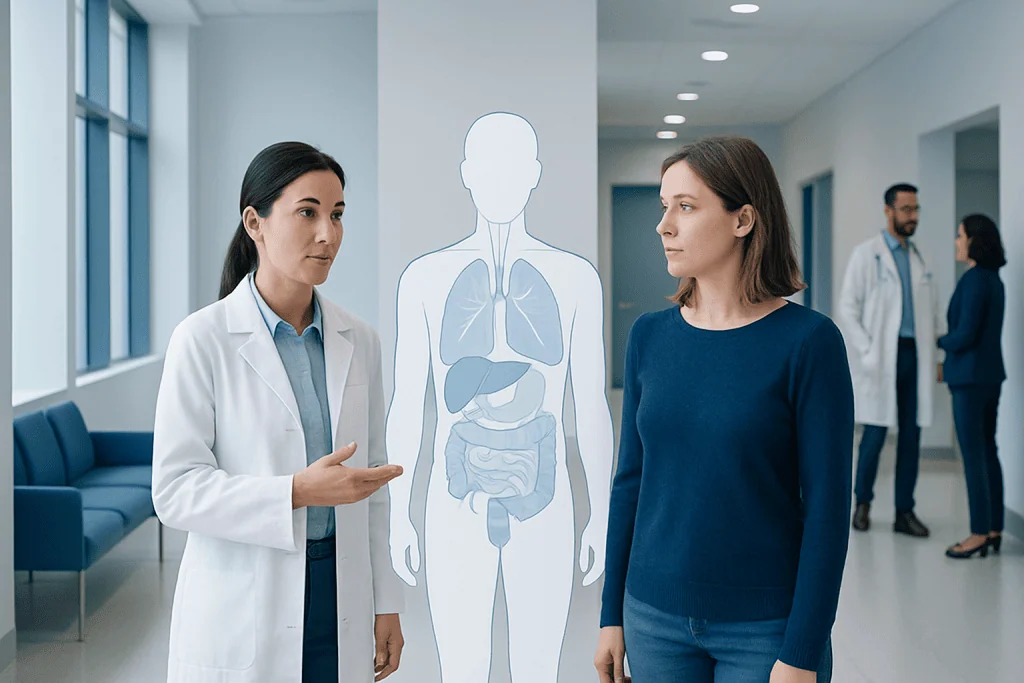
Internal radiation therapy delivers a concentrated radiation dose close to the cancer site. The radioactive material may be temporary or permanently implanted, depending on the treatment plan.
Key Takeaways
- Internal radiation therapy delivers a concentrated radiation dose close to the cancer site.
- The radioactive material may be temporary or permanently implanted, depending on the treatment plan.
- Treatment planning is individualized and involves imaging, radiation oncology, and sometimes surgery or anesthesia teams.
- Side effects depend mainly on the treated body area and may be temporary or longer lasting.
- Follow-up examinations and scans help the care team assess treatment response over time.
Internal radiation therapy, also called brachytherapy, places a radioactive source inside or close to a tumor for a planned period of time. It can be used alone or alongside surgery, external-beam radiation, chemotherapy, or other cancer treatments, depending on the cancer type and stage.
Overview: What Is Internal Radiation Therapy?
Internal radiation therapy is a cancer treatment that delivers radiation from within the body or immediately next to the tumor. It is most often called brachytherapy. Unlike external-beam radiation, which directs radiation from a machine outside the body, brachytherapy places a carefully planned radiation source in or near the area needing treatment.
Because the source is close to the tumor, internal radiation therapy can deliver a high dose to a small, defined area while reducing radiation exposure to surrounding tissues. It may be used for cancers of the prostate, cervix, uterus, vagina, breast, skin, head and neck, lung, esophagus, eye, and other sites. The most suitable approach depends on the cancer, its location, prior treatment, and the person’s overall health.
Some people receive internal radiation therapy as their main local treatment. Others receive it after surgery, before or after external-beam radiation, or together with systemic treatments such as chemotherapy, hormone therapy, immunotherapy, or targeted therapy. A radiation oncologist explains the purpose of treatment, expected benefits, possible side effects, and available alternatives before planning begins.
How Internal Radiation Therapy Works
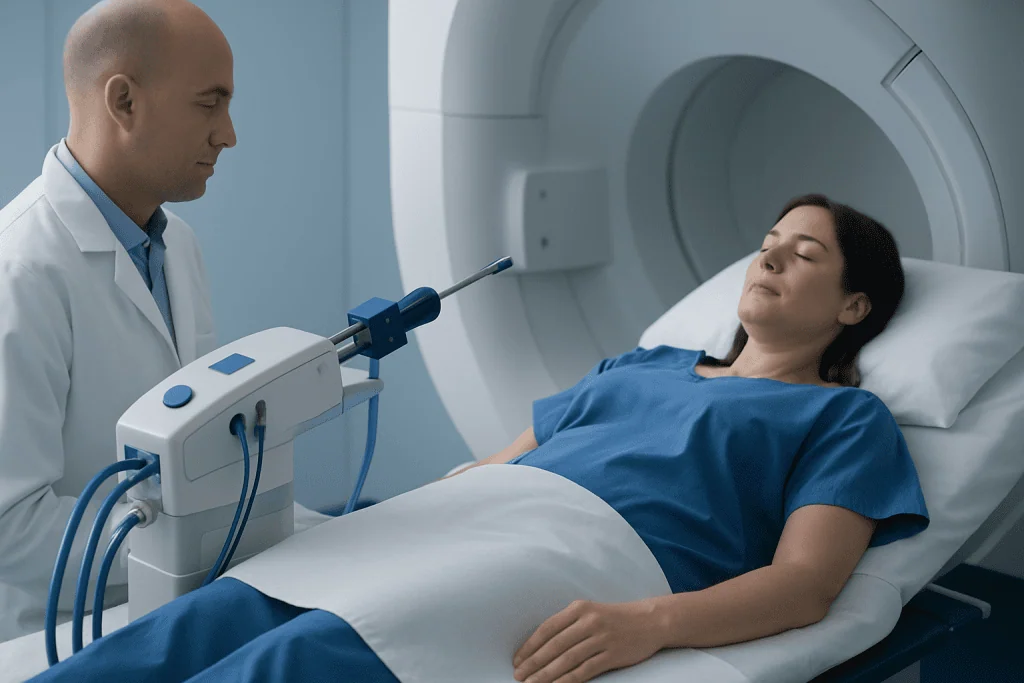
Radiation damages the DNA of cancer cells, making it difficult for them to keep dividing. Cancer cells are often less able than healthy cells to repair this damage. The effect develops over time, which is why the response to radiation is usually assessed over weeks to months rather than immediately after a procedure.
In brachytherapy, radiation may be delivered through small sealed sources, often called seeds, wires, pellets, or applicators. The source is placed using needles, tubes, catheters, or a device designed for the treatment area. Imaging such as ultrasound, CT, MRI, or X-ray may be used to guide placement and confirm that the intended tissues receive the prescribed dose.
There are several delivery methods. High-dose-rate brachytherapy uses a strong source for a short treatment session and is usually temporary. Low-dose-rate brachytherapy delivers radiation more slowly over hours or days, or through permanent radioactive seeds in selected situations, such as some prostate cancers. The radiation team uses specialized planning software and safety checks for every treatment.
- Interstitial brachytherapy: sources are placed directly into tissue, such as the prostate or breast.
- Intracavitary brachytherapy: an applicator is placed in a body cavity, commonly for gynecologic cancers.
- Intraluminal brachytherapy: a source is positioned within a passageway, such as the airway or esophagus, in selected cases.
Who May Be a Candidate?

Candidacy for internal radiation therapy is based on far more than a cancer diagnosis alone. The team considers the exact cancer type, size and location of the tumor, whether the disease has spread, pathology results, symptoms, previous surgery or radiation, and the goals of care. In some cases, brachytherapy is used with curative intent; in others, it may help control a tumor or relieve symptoms.
People may need blood tests, physical examinations, and imaging before treatment. For cancers involving the cervix, uterus, prostate, breast, or other organs, the specialist may also evaluate anatomy and whether an applicator or implant can be positioned safely. Pregnancy, certain infections, bleeding concerns, implanted medical devices, and previous radiation to the same region require careful discussion.
A multidisciplinary cancer team may include radiation oncologists, medical oncologists, surgeons, radiologists, pathologists, medical physicists, radiation therapists, nurses, and anesthesiology specialists. Related treatment decisions may include prostate cancer care or cervical cancer care where these diagnoses are relevant. The final recommendation should reflect the individual’s clinical circumstances and preferences.
What Happens During the Procedure?
Planning usually begins with a consultation and simulation appointment. The radiation oncologist reviews the diagnosis and treatment goals, while the team obtains images and measurements needed to create a personalized plan. Patients should tell the team about all medicines, allergies, implanted devices, prior treatments, and any possibility of pregnancy. Instructions about eating, drinking, bowel preparation, and medicines vary by procedure.
On treatment day, the person may receive local anesthesia, sedation, spinal anesthesia, or general anesthesia depending on the treatment site and method. The doctor places an applicator, catheter, or implant with imaging guidance when needed. For temporary brachytherapy, the radioactive source is often inserted remotely into the applicator after the person is positioned, then removed after the prescribed treatment time.
For a high-dose-rate session, the active radiation delivery may last only minutes, although preparation and positioning take longer. Some courses require several sessions over days or weeks. For low-dose-rate treatment performed in hospital, the source may remain in place for a longer period and activity may be restricted to prevent movement. Permanent seed implants remain in the body but become less radioactive over time.
Modern brachytherapy treatment requires precise coordination among clinical teams and medical physicists. Patients should feel comfortable asking who will be present, how long each visit may take, what discomfort to expect, and what support person or transportation arrangements are needed after sedation or anesthesia.
Recovery Timeline, Benefits and Possible Risks
Recovery depends on the body area treated, the type of implant, anesthesia, and whether other cancer treatment is being given. After an outpatient procedure, many people go home the same day once they are awake, stable, and able to follow discharge instructions. Mild soreness, tiredness, light bleeding, discharge, urinary changes, or bowel changes can occur, depending on the treatment area.
In the first days to weeks, the care team may recommend rest balanced with gentle movement, good hydration, and avoiding certain activities such as heavy lifting, strenuous exercise, swimming, sexual activity, tampon use, or driving after sedation. These limits are not the same for every procedure. The team’s written instructions should take priority because they are tailored to the treatment site and technique.
The main benefit of internal radiation therapy is highly focused radiation delivery. This can make it a valuable option for cancers where nearby healthy tissue needs protection. However, all radiation treatment can cause side effects. Possible short-term effects include fatigue, skin or tissue irritation, pain, urinary urgency or burning, diarrhea, constipation, rectal irritation, vaginal dryness or discharge, or swallowing discomfort, depending on the site treated.
Less common or longer-term effects may include scarring, narrowing of a treated passageway, changes in bowel or bladder function, sexual health changes, fertility concerns, lymphedema, or damage to nearby organs. Serious complications are uncommon but possible. A patient should discuss site-specific risks before consenting to treatment and report new or worsening symptoms promptly.
How Long Does Internal Radiation Stay in Your Body After Treatment?
How long internal radiation stays in the body depends on the type of brachytherapy. With temporary high-dose-rate brachytherapy, the radioactive source is removed immediately after each treatment session. The applicator may also be removed at that time or may remain in place between closely scheduled treatments, but it does not continue to emit radiation once the source is removed.
With temporary low-dose-rate brachytherapy, the source may remain in place for hours or days and is removed by the care team afterward. In permanent seed brachytherapy, commonly used for selected prostate cancers, small radioactive seeds remain in the body. Their radiation level decreases naturally over time until they are no longer active.
Patients receiving permanent implants may be given temporary safety guidance about close contact with pregnant people or young children. These instructions are precautionary, individualized, and based on the isotope used. The radiation oncology team will clearly explain what is safe at home, at work, during travel, and around family members.
How to Tell If Radiation Therapy Is Working?
Radiation therapy is not usually judged by how a person feels immediately after treatment. Some symptoms may improve over time, but fatigue or local irritation can temporarily occur even when treatment is effective. Cancer cells and surrounding tissues need time to respond and heal, so assessment is planned at specific follow-up intervals.
The care team may use physical examinations, symptom review, blood tests, tumor markers, endoscopy, and imaging studies such as CT, MRI, PET, ultrasound, or mammography. The appropriate test and timing depend on the cancer type. For example, after prostate treatment, clinicians may monitor prostate-specific antigen trends; after gynecologic treatment, pelvic examination and imaging may be used when clinically indicated.
A tumor may shrink slowly, remain stable while treatment effects continue, or appear temporarily inflamed on early imaging. For this reason, results should be interpreted by the treating oncology team rather than from a single scan or symptom alone. Keeping follow-up appointments is an important part of cancer care.
What Is the Success Rate of Brachytherapy?
There is no single success rate for brachytherapy. Outcomes vary substantially according to the cancer type, stage, tumor features, treatment intent, whether other treatments are used, and how success is defined. For some early-stage cancers, brachytherapy can be an important curative treatment. In other settings, it may be used to reduce the chance of local recurrence, control tumor growth, or relieve symptoms.
Reliable outcome discussions should be specific to the individual diagnosis. A radiation oncologist can explain the expected local control, cure potential, recurrence risk, symptom benefit, and likely side effects based on pathology, imaging, overall health, and published evidence for that particular cancer. It is reasonable for patients to ask what the goal of treatment is and how the team will measure response.
When brachytherapy is being considered as part of a broader cancer plan, options such as radiotherapy and surgery or systemic therapy may also be reviewed. Comparing options should include effectiveness, side effects, practical treatment schedules, fertility and sexual health considerations, and the person’s priorities.
What I Wish I Knew Before Radiation?
Many people find it helpful to know that treatment preparation can take longer than the actual radiation delivery. Positioning, imaging, anesthesia, applicator placement, and safety verification are essential parts of accurate care. Bringing a written list of questions and arranging support for travel or recovery can make the day feel more manageable.
It is also important to understand that side effects may be delayed, gradual, and specific to the treatment site. Patients should ask which symptoms are expected, which are urgent, how to manage discomfort, and whether diet, activity, skin care, bowel care, bladder care, or sexual activity need temporary adjustments. They should also discuss fertility preservation and sexual health before treatment when relevant.
Emotional wellbeing matters as much as physical preparation. Anxiety, sleep changes, and uncertainty are common during cancer treatment. Oncology nurses, social workers, counselors, rehabilitation professionals, and support groups can help patients and families navigate practical and emotional needs throughout treatment.
When to Seek Medical Care
Patients should contact their radiation oncology team promptly if they develop fever, increasing pain, heavy bleeding, new swelling, persistent vomiting, inability to drink fluids, inability to pass urine, severe diarrhea, worsening shortness of breath, chest pain, confusion, or symptoms that feel severe or unusual. Emergency services should be used for urgent or life-threatening symptoms.
It is also appropriate to call the care team for concerns that are not emergencies, including persistent fatigue, skin changes, urinary or bowel symptoms, vaginal discharge, sexual health concerns, or difficulty following aftercare instructions. Early guidance can often improve comfort and help prevent complications.
Acibadem International’s multidisciplinary specialists and JCI-accredited hospitals diagnose and treat cancer for international patients, including those who may be considered for internal radiation therapy. A consultation with a qualified radiation oncologist can clarify whether this approach is appropriate and what follow-up will be needed.
Frequently asked questions
Is internal radiation therapy the same as brachytherapy?
In most cancer care settings, internal radiation therapy refers to brachytherapy. It involves placing a radiation source inside the body or very close to the tumor. The exact technique differs according to the cancer site and treatment goal.
Is internal radiation therapy painful?
Discomfort varies by treatment site and how the applicator or implant is placed. Local anesthesia, sedation, spinal anesthesia, or general anesthesia may be used to improve comfort. Some soreness or irritation afterward can occur and should be discussed with the treatment team.
Can a person be around family after internal radiation therapy?
After temporary brachytherapy, the radioactive source is removed before the patient leaves treatment, so there is generally no ongoing radiation exposure to others. With permanent seed implants, the team may provide short-term precautions around pregnant people and young children. Patients should follow the specific instructions given for their implant type.
How soon can normal activities resume after brachytherapy?
Many people resume light daily activities within days, especially after outpatient treatment. However, recovery and activity restrictions depend on the treatment area, anesthesia, and any symptoms. The radiation oncology team will advise when work, exercise, driving, swimming, and sexual activity can resume.
Will internal radiation therapy make a person radioactive?
A person is not radioactive after temporary brachytherapy because the source is removed. Permanent seed implants do emit low-level radiation for a limited time as the seeds naturally decay. The care team explains any necessary safety measures before discharge.
Can internal radiation therapy be given with other cancer treatments?
Yes. Brachytherapy may be combined with surgery, external-beam radiation, chemotherapy, hormone therapy, immunotherapy, or targeted therapy when clinically appropriate. The sequence and combination depend on the cancer type, stage, and overall treatment plan.
References
- National Cancer Institute
- American Cancer Society
- American Society for Radiation Oncology
- International Atomic Energy Agency
- European Society for Radiotherapy and Oncology
This article is for general information only and is not a substitute for professional medical advice. Please consult a qualified doctor about your individual situation.
Radiation Therapy in Turkey — costs, top hospitals & a free quote
JCI-accredited · board-certified surgeons · reply within 24h
Add us as a Preferred Source to see more of our trusted health content across Google Search, AI Overviews and Discover.

Radiation Oncology
Precision radiotherapy and radiosurgery using advanced linear accelerators and image-guided techniques.
26 specialists in this unit