Interpersonal Psychotherapy — Explained by Medical Evidence, Not Myths

Interpersonal psychotherapy is a structured form of psychotherapy that focuses on present-day relationships and life transitions. IPT is widely used for depression and may also be helpful for some anxiety, eating, and perinatal mental health concerns.
Key Takeaways
- Interpersonal psychotherapy is a structured form of psychotherapy that focuses on present-day relationships and life transitions.
- IPT is widely used for depression and may also be helpful for some anxiety, eating, and perinatal mental health concerns.
- Treatment commonly focuses on grief, role changes, relationship conflict, or social isolation.
- IPT differs from medication and from cognitive behavioral therapy, although these approaches can sometimes be combined.
- A qualified mental health professional can assess whether IPT is appropriate for an individual’s symptoms and needs.
Interpersonal psychotherapy, often called IPT, is an evidence-based talking therapy that helps people manage depression and related symptoms by addressing current relationship difficulties and life changes. It is structured, practical, and focused on improving communication, support, and coping rather than examining every aspect of the past.
What Is Interpersonal Psychotherapy?
Interpersonal psychotherapy is a structured, evidence-based form of talking therapy that primarily treats depression by working on current relationships, social support, and major life changes. Also called IPT, it is based on the understanding that mood and relationships can affect one another: depression may make communication and connection harder, while conflict, loss, isolation, or stressful changes can worsen low mood.
Rather than trying to explain every cause of a person’s distress, IPT identifies one or two important interpersonal areas that are most closely linked to current symptoms. The therapist and patient then work together on practical strategies, such as expressing needs more clearly, resolving misunderstandings, adjusting to a new role, or building supportive connections.
IPT is usually time-limited and goal-oriented. Sessions commonly include reviewing mood and recent interactions, discussing difficult situations, practicing communication approaches, and agreeing on manageable steps to try between appointments. It is not simply advice-giving; it is a collaborative clinical treatment led by a trained professional.
What Concerns Can IPT Help Address?
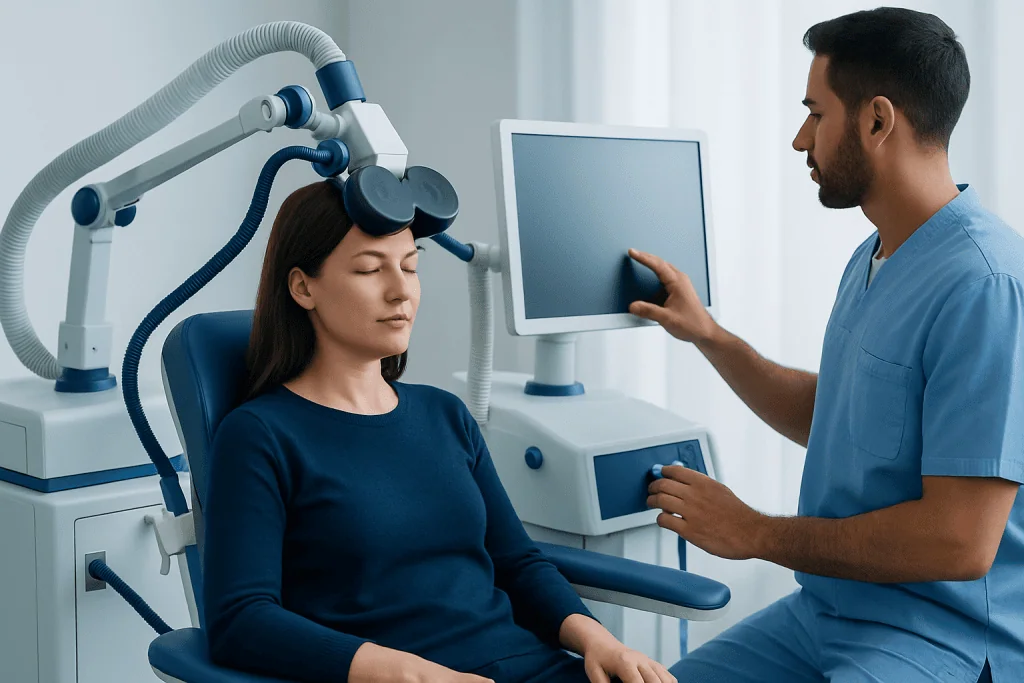
Interpersonal psychotherapy has a strong evidence base for major depressive disorder, including mild to severe depression when delivered by an appropriately trained clinician. Depending on a person’s symptoms, history, safety needs, and preferences, it may be used on its own or alongside medication, other psychological therapies, and practical social support.
Clinicians may also consider IPT for depression during pregnancy or after childbirth, depression in adolescents and older adults, and some eating-related or anxiety-related difficulties. However, the evidence and recommended treatment plan vary by condition. A full assessment is important because similar symptoms can have different causes and may require different care.
IPT can be especially relevant when symptoms began or became worse after a significant interpersonal stressor. Examples include bereavement, a separation, becoming a parent, moving country, retirement, caring for a family member, workplace changes, or a period of loneliness. These experiences are common, and needing support to adapt to them is not a personal failure.
- Persistent sadness, loss of interest, guilt, or hopelessness
- Stress linked to conflict with a partner, family member, friend, or colleague
- Difficulty adapting to a major life transition or changed responsibilities
- Grief that is affecting daily functioning or social connection
- Withdrawal from others and reduced sources of support
The Four Interpersonal Areas in IPT

At the beginning of therapy, the clinician develops an interpersonal inventory: a careful review of important relationships, recent changes, sources of support, and areas of strain. Together, they select the main treatment focus. Although a person may have several concerns, concentrating on a priority area can make therapy clearer and more manageable.
One focus is grief, when a death or another meaningful loss is closely associated with depression. Therapy can help the person process emotions, remember the relationship in a healthy way, and gradually reconnect with present-day roles and supports. IPT does not suggest that grief should be rushed or “fixed.”
A second focus is role transition, such as becoming a parent, starting university, migration, illness, divorce, job loss, or retirement. A third is role dispute, meaning ongoing conflict or unmet expectations in an important relationship. The fourth is interpersonal deficits or social isolation, where the work may involve understanding recurring relationship patterns and developing opportunities for closer, more supportive connections.
What Happens During Interpersonal Psychotherapy?
IPT commonly begins with an assessment of symptoms, daily functioning, medical and mental health history, relationships, and personal goals. The clinician may use validated questionnaires to follow depressive symptoms over time. They should also ask about sleep, substance use, physical health, medication, and safety, including any thoughts of self-harm.
Early sessions clarify how depression is affecting the person’s relationships and how relationship stress may be affecting mood. The therapist explains the treatment model and agrees on a central interpersonal focus. This shared plan helps ensure that sessions remain purposeful while still allowing room for urgent concerns that arise.
In middle sessions, the patient may examine recent conversations in detail, identify feelings that were difficult to communicate, rehearse alternative wording, or plan a conversation with someone important. The therapist may encourage problem-solving and role-play, but does not take over decisions or tell the patient which relationships to keep or end.
Later sessions review progress, identify helpful skills and support systems, and prepare for future challenges. The number and frequency of sessions vary. Some people benefit from a brief course, while others may need longer-term care, another therapy approach, medication, or support for social and medical issues.
How IPT Differs From Other Mental Health Treatments
Interpersonal psychotherapy is sometimes confused with general supportive counseling because both involve talking about relationships and emotions. The difference is that IPT has a defined clinical framework, specific treatment targets, and an active focus on the connection between current interpersonal experiences and mood symptoms.
IPT also differs from cognitive behavioral therapy (CBT). CBT commonly focuses on the links between thoughts, feelings, and behaviors, and may include identifying unhelpful thinking patterns or gradually facing avoided situations. IPT focuses more directly on relationships, communication, social roles, grief, and support. Neither approach is universally better; suitability depends on the person’s symptoms, goals, prior treatment, and access to trained care.
Antidepressant medication can be an important option for some people, particularly when depression is moderate to severe, recurrent, or significantly affecting functioning. Medication and psychotherapy may be used together under medical guidance. A clinician can discuss expected benefits, possible side effects, treatment preferences, and whether additional assessment is needed.
IPT is not a substitute for urgent psychiatric care. People experiencing psychosis, mania, severe substance-related problems, immediate safety risks, or marked inability to care for themselves may need more intensive and coordinated treatment before or alongside outpatient psychotherapy.
How to Get the Most From IPT
A good therapeutic relationship matters. It can be helpful to ask a prospective therapist about their professional qualifications, experience treating depression, and training or supervision in interpersonal psychotherapy. The patient should feel able to discuss whether the approach is making sense and whether treatment goals still reflect their priorities.
Progress is rarely perfectly linear. Mood can fluctuate, and meaningful interpersonal change may take time, especially when another person is not ready or able to change. In IPT, success may include clearer communication, better use of support, improved confidence in relationships, and reduced depressive symptoms—not necessarily a conflict-free life.
Between sessions, patients may benefit from noticing mood changes, recording significant interactions, practicing agreed communication skills, and maintaining basic routines around sleep, meals, activity, and social contact where possible. These steps should be realistic and compassionate rather than another source of pressure.
If symptoms do not improve, the clinician can reassess the diagnosis, treatment focus, attendance barriers, medication needs, and possible physical contributors to low mood. Changing or adding treatment is a normal part of personalized mental health care, not a sign that someone has failed therapy.
When to Seek Medical Care
Anyone with persistent low mood, loss of interest, anxiety, grief that feels overwhelming, or relationship stress that is affecting sleep, work, study, caregiving, or daily life should consider speaking with a doctor or qualified mental health professional. Early support can help clarify what is happening and identify appropriate treatment options, including interpersonal psychotherapy when suitable.
Urgent help is needed if a person has thoughts of suicide or self-harm, feels unable to stay safe, has thoughts of harming someone else, experiences hallucinations or severe confusion, or is unable to manage essential daily needs. They should contact local emergency services, go to the nearest emergency department, or seek immediate support from a trusted person and a crisis service in their area.
A medical assessment is also important when mood symptoms start suddenly, follow a medication change, occur with major changes in energy or sleep, or may be related to a physical health condition. Acibadem International’s multidisciplinary specialists and JCI-accredited hospitals can assess and treat mental health concerns for international patients as part of coordinated care.
Frequently asked questions
Is interpersonal psychotherapy effective for depression?
Interpersonal psychotherapy is an evidence-based treatment for depression and is included in clinical guidance as an option for many people. Its effectiveness can depend on symptom severity, the person’s circumstances, the therapeutic relationship, and whether other treatments, such as medication, are also needed.
How long does interpersonal psychotherapy take?
IPT is often delivered as a time-limited treatment, commonly over a number of regular sessions. The exact length varies according to the treatment setting, the person’s symptoms, progress, and whether there are complex or ongoing mental health needs.
Does IPT only involve talking about childhood?
No. Although past experiences may be discussed when they help explain a current relationship pattern, IPT mainly focuses on present relationships and recent life events. The goal is to identify practical changes that may improve mood and social support now.
Can interpersonal psychotherapy be used with antidepressants?
Yes. Some people receive IPT alongside antidepressant medication, particularly when symptoms are more severe, recurrent, or not improving sufficiently with one approach. A doctor or psychiatrist can help determine whether combined treatment is appropriate.
What is the difference between IPT and couples therapy?
IPT is usually individual therapy, even when relationship conflict is a major treatment focus. Couples therapy generally involves both partners attending and works directly on the relationship as a shared unit; the most suitable option depends on the situation and each person’s needs.
Who should provide interpersonal psychotherapy?
IPT should be provided by a qualified mental health professional, such as a psychologist, psychiatrist, psychotherapist, counselor, or clinical social worker, who has appropriate training in the model. Patients can ask about credentials, experience, confidentiality, and how treatment progress will be reviewed.
References
- American Psychiatric Association
- National Institute for Health and Care Excellence
- World Health Organization
- International Society for Interpersonal Psychotherapy
- National Institute of Mental Health
This article is for general information only and is not a substitute for professional medical advice. Please consult a qualified doctor about your individual situation.
Explore treatments in Turkey — costs, top hospitals & a free quote
JCI-accredited · board-certified surgeons · reply within 24h
Add us as a Preferred Source to see more of our trusted health content across Google Search, AI Overviews and Discover.

More from the Health Library



Related Specialists

Özge Bölükbaşı
Physical Medicine & Rehabilitation
Assoc. Prof. Dr. Hakan Yardımcı
General Surgery
Dr. Utkan Topçu
Neurosurgery
Assoc. Prof. Dr. Ersoy Hazneci
Dermatology