

Interventional Neurology for Stroke Prevention: Who May Need It?

Interventional neurology focuses on catheter-based procedures inside blood vessels to help prevent stroke in selected patients. It is not needed for everyone at risk of stroke; many people do well with medicines and lifestyle changes alone.
Key Takeaways
- Interventional neurology focuses on catheter-based procedures inside blood vessels to help prevent stroke in selected patients.
- It is not needed for everyone at risk of stroke; many people do well with medicines and lifestyle changes alone.
- Common reasons for evaluation include carotid artery narrowing, intracranial vessel disease, aneurysms, and certain vascular malformations.
- Doctors use brain and vessel imaging, medical history, and overall risk to decide whether a procedure may help.
- Stroke prevention usually combines procedures with blood pressure control, cholesterol management, diabetes care, and smoking cessation.
Interventional neurology for stroke prevention uses minimally invasive, image-guided procedures to reduce stroke risk in carefully selected patients. It may be considered when blood vessels in the neck or brain are narrowed, blocked, malformed, or otherwise likely to cause future stroke.
Overview
Interventional neurology for stroke prevention is a subspecialty approach that uses thin tubes called catheters, advanced imaging, and tiny devices to diagnose and treat problems in blood vessels supplying the brain. These procedures are typically performed through a small puncture in an artery, often in the wrist or groin, rather than through open surgery. The goal is to lower the chance of a future stroke by improving blood flow or securing a blood vessel abnormality before it causes harm.
Stroke can happen when blood flow to part of the brain is blocked or when a blood vessel bleeds. Not every stroke risk factor requires a procedure. In fact, many people are best treated with medication, careful monitoring, and lifestyle measures. Interventional treatment is usually considered when imaging shows a vascular problem that carries a meaningful risk and when the expected benefit of treatment outweighs the risks.
Examples include severe narrowing of the carotid arteries in the neck, certain cases of narrowing inside the brain, aneurysms that may rupture or form clots, and some arteriovenous malformations or fistulas. In these situations, a specialist may recommend a minimally invasive option such as stenting, angioplasty, or embolization. This field overlaps with stroke care because the same expertise used to treat acute stroke can also help prevent future events in selected patients.
Who May Need It?
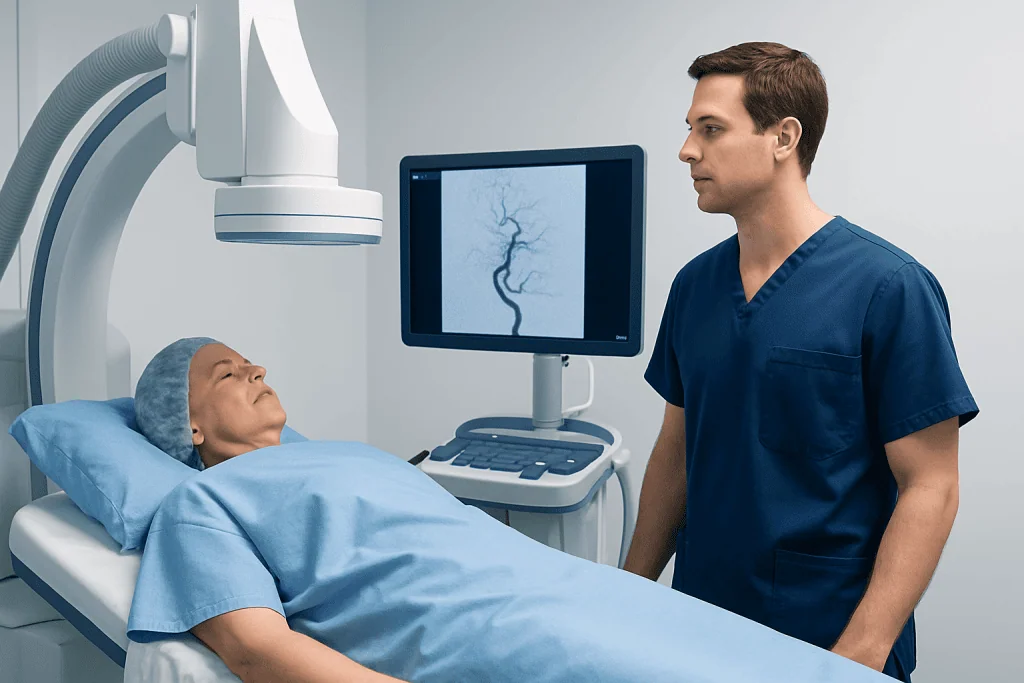
A person may be referred for interventional neurology when standard evaluation shows a blood vessel problem that cannot be managed well enough with medicine alone, or when the anatomy suggests a high future risk. The decision is individualized. Age, symptoms, general health, prior stroke or transient ischemic attack (TIA), and imaging findings all matter.
People who may benefit include those with significant carotid artery stenosis, especially if they have already had symptoms such as temporary weakness, numbness, speech difficulty, or vision loss. Some people with repeated TIAs despite good medical treatment may also be considered for a procedure. Others are evaluated because a scan found an aneurysm or vascular malformation that could increase the chance of bleeding or clot formation.
Interventional neurology may also help when there is disease inside the brain arteries, although this area requires especially careful selection. In some cases, a procedure is used after a full team review involving neurologists, interventional neuroradiologists, neurosurgeons, and vascular specialists. The aim is not simply to treat an image finding, but to lower a real and meaningful stroke risk in the safest way possible.
- People with symptomatic carotid artery narrowing
- Selected patients with high-grade asymptomatic carotid stenosis
- Patients with recurrent TIAs or minor strokes despite treatment
- People with certain aneurysms or vascular malformations
- Selected cases of intracranial atherosclerotic disease
Conditions Commonly Evaluated

One of the most common reasons for referral is carotid artery disease. The carotid arteries, located in the neck, carry blood to the brain. When plaque builds up and narrows one of these arteries, clots may form or small pieces of plaque may break off and travel to the brain. Depending on the degree of narrowing and whether symptoms have occurred, a doctor may consider carotid artery stenting or another revascularization approach.
Another important condition is intracranial atherosclerotic disease, which means narrowing in arteries inside the brain. These cases can be complex. Medical therapy is often the first step, but selected patients with ongoing symptoms may need further evaluation. Interventional options may include angioplasty or stenting, though these are reserved for carefully chosen situations because the risks and benefits must be balanced with great care.
Interventional neurology is also used to manage aneurysms and vascular malformations that may increase stroke risk through bleeding or clot-related complications. Some aneurysms can be treated with brain aneurysm treatment using endovascular techniques such as coiling or flow diversion. Certain arteriovenous malformations or fistulas may be addressed with embolization to reduce abnormal blood flow. These decisions depend on the lesion’s size, location, shape, and the person’s age and symptoms.
In addition, some people are evaluated after a TIA, which is often called a “mini-stroke.” A TIA does not cause lasting brain injury in the same way a stroke does, but it is a warning sign that future stroke risk may be higher. When the cause is a treatable vascular abnormality, interventional neurology can become part of a broader prevention plan.
Symptoms and Warning Signs That Prompt Evaluation
Interventional neurology is not based on symptoms alone, but symptoms often lead to the testing that identifies an underlying vessel problem. Common warning signs include sudden weakness or numbness on one side of the body, trouble speaking or understanding speech, sudden vision loss in one eye, double vision, dizziness, loss of balance, or sudden severe headache in some situations. These symptoms should always be treated as urgent because they may signal a stroke or TIA.
Some people have no symptoms at all and learn about a blood vessel problem during imaging for another reason. For example, a neck ultrasound may show carotid narrowing, or a brain scan may detect an aneurysm. Even when there are no symptoms, the finding still deserves a careful medical review to determine whether observation, medicines, or a procedure is most appropriate.
After an emergency event, doctors also look for patterns suggesting ongoing risk. Repeated brief neurological episodes, worsening symptoms despite treatment, or evidence of poor blood flow on imaging may all support referral to a specialist. Early evaluation helps a care team act before a major stroke occurs.
How Doctors Diagnose Stroke Risk and Decide on Treatment
Diagnosis begins with a detailed history and neurological examination. Doctors ask about prior stroke or TIA, timing of symptoms, high blood pressure, diabetes, smoking, high cholesterol, irregular heartbeat, family history, and current medications. They also review whether symptoms came from a likely brain blood vessel problem or from another condition that can mimic stroke.
Imaging is central to planning. Common tests include carotid ultrasound, CT angiography, MR angiography, and standard cerebral angiography. Brain MRI or CT may show whether a prior stroke occurred and which area of the brain was affected. These scans help measure the degree of narrowing, define vessel anatomy, and show whether an aneurysm or malformation is present.
Doctors do not rely on one scan alone. They combine imaging with a person’s symptoms and overall health. For example, two patients may have similar carotid narrowing, but one may benefit more from a procedure because of recent symptoms, while the other may be best treated with medicine and follow-up imaging. This careful selection is one reason stroke prevention decisions are often made by a multidisciplinary team.
Additional tests may include heart rhythm monitoring, echocardiography, and blood tests to look for other causes of stroke risk. The aim is to understand the full picture, not just the blood vessel abnormality seen on imaging. A complete assessment helps avoid unnecessary procedures and supports safer, more effective prevention.
Treatment Options in Interventional Neurology
Treatment depends on the specific condition, symptom history, and degree of risk. For carotid artery narrowing, options may include best medical therapy alone, surgery, or an endovascular procedure such as stenting. In selected people, a specialist may place a small mesh tube to keep the artery open and reduce future blockage. This is considered alongside age, anatomy, and whether the person has already had stroke-like symptoms.
For disease inside the brain arteries, treatment usually starts with intensive medical management, including antiplatelet therapy, blood pressure control, cholesterol lowering, and lifestyle changes. Endovascular treatment may be considered only in selected patients with persistent symptoms or high-risk anatomy after full specialist review. This cautious approach reflects the need to balance the benefit of improved blood flow with the potential risks of the procedure itself.
Aneurysms can sometimes be treated from inside the blood vessel using coils, stents, or flow-diverting devices to lower the chance of rupture or clot-related complications. Similarly, vascular malformations and fistulas may be sealed or reduced using embolic materials delivered by catheter. In emergency settings, interventional neurology also overlaps with thrombectomy for acute stroke caused by a large vessel blockage, although that is treatment rather than prevention.
Any procedure has risks, including bleeding, clot formation, vessel injury, contrast reactions, kidney strain in susceptible patients, or stroke during the procedure. For this reason, doctors recommend intervention only when the likely benefit is clear. Patients are usually advised to ask why a procedure is being suggested, what alternatives exist, and what follow-up care will be needed afterward.
Prevention, Self-care, and Long-term Follow-up
Whether or not a procedure is performed, the foundation of stroke prevention remains the same: controlling risk factors. This includes keeping blood pressure in a healthy range, lowering high cholesterol, managing diabetes, stopping smoking, maintaining a healthy weight, being physically active, and following a balanced eating pattern. Medicines such as antiplatelet drugs or cholesterol-lowering therapy may play a key role and should be taken exactly as prescribed.
People who undergo an interventional procedure still need ongoing prevention. A stent or embolization does not remove all stroke risk. Follow-up visits may include neurological assessment, blood tests, and repeat imaging to confirm that the treated vessel remains stable. Doctors also review medications, since some procedures require a period of blood-thinning or antiplatelet treatment.
Daily habits can make a meaningful difference. Limiting tobacco exposure, reducing excess alcohol intake, sleeping well, and staying active all support vascular health. It is also helpful to learn the warning signs of stroke and to seek emergency help immediately if they occur, even if symptoms improve quickly. Fast action can save brain tissue and improve outcomes.
For international patients seeking evaluation, Acibadem International’s multidisciplinary specialists and JCI-accredited hospitals diagnose and treat complex cerebrovascular conditions using modern imaging and minimally invasive techniques when appropriate. A specialist can explain whether monitoring, medicine, or intervention is the most suitable path.
When to See a Doctor
Anyone with sudden neurological symptoms should seek emergency medical care right away. This includes face drooping, arm weakness, speech difficulty, sudden confusion, severe imbalance, sudden vision loss, or a sudden severe headache unlike previous headaches. Even if symptoms disappear within minutes, urgent evaluation is important because a TIA may be a warning of a larger stroke ahead.
A non-emergency appointment is also important for people who have been told they have carotid stenosis, an aneurysm, or another vascular abnormality. A neurologist or interventional specialist can review imaging, explain the level of risk, and discuss whether treatment is needed now or whether observation is safer. People with multiple vascular risk factors may benefit from preventive assessment even without known vessel disease.
It can help to ask practical questions during the visit: What is causing the stroke risk? What are the treatment options? Is medicine enough, or is a procedure recommended? What are the benefits, risks, and follow-up needs? Clear communication supports informed, confident decisions.
Frequently asked questions
What is interventional neurology for stroke prevention?
It is a medical specialty that uses minimally invasive, image-guided procedures inside blood vessels to reduce the risk of stroke in selected patients. It is most often considered when scans show a treatable problem in the arteries of the neck or brain, or another vascular abnormality.
Does everyone at risk of stroke need a procedure?
No. Many people can lower their stroke risk effectively with medication, blood pressure and cholesterol control, diabetes care, and healthy lifestyle changes. Procedures are usually reserved for people whose imaging findings and clinical history suggest that intervention may provide added benefit.
What conditions are commonly treated?
Commonly evaluated conditions include carotid artery narrowing, certain forms of intracranial artery disease, brain aneurysms, and some vascular malformations or fistulas. The best approach depends on symptoms, the exact anatomy, and the person's overall health.
Are interventional neurology procedures safe?
These procedures are widely used and can be very effective in the right patient, but they still carry risks. Possible complications include bleeding, blood clots, vessel injury, or stroke during the procedure, which is why careful patient selection is essential.
How do doctors decide if I need treatment?
Doctors combine your symptoms, medical history, neurological exam, and imaging results to estimate stroke risk and compare treatment options. In many cases, decisions are made by a multidisciplinary team to ensure that a procedure is recommended only when it is likely to help.
Will I still need medication after a procedure?
Usually, yes. Even after a successful intervention, ongoing medical treatment and risk-factor control remain important because no procedure removes all stroke risk. Follow-up medications and imaging depend on the type of condition treated and the procedure performed.
References
- World Stroke Organization
- American Heart Association
- National Institute of Neurological Disorders and Stroke
- European Stroke Organisation
- Society of NeuroInterventional Surgery
This article is for general information only and is not a substitute for professional medical advice. Please consult a qualified doctor about your individual situation.
Interventional Neurology in Turkey — costs, top hospitals & a free quote
JCI-accredited · board-certified surgeons · reply within 24h
Add us as a Preferred Source to see more of our trusted health content across Google Search, AI Overviews and Discover.

More from the Health Library



Related Specialists

Dr. Osman Özdabakoğlu
Cardiology
Asst. Prof. Dr. Mehmet Karaarslan
Internal Medicine
Prof. Dr. Nigar Baykan
Anesthesiology
Dr. Selim Çepel
Orthopedic Surgery & Traumatology