Intra Arterial Chemotherapy: How It Works, Results and What to Expect

Intra arterial chemotherapy sends medicine directly into an artery that supplies a tumor or affected organ. It is not suitable for every cancer; candidacy depends on cancer type, location, stage, blood supply, general health, and treatment goals.
Key Takeaways
- Intra arterial chemotherapy sends medicine directly into an artery that supplies a tumor or affected organ.
- It is not suitable for every cancer; candidacy depends on cancer type, location, stage, blood supply, general health, and treatment goals.
- The procedure is usually performed by an interventional radiology team using imaging guidance and a catheter inserted through an artery.
- Potential benefits include greater medicine exposure near the tumor, but side effects and procedure-related risks still require close monitoring.
- Treatment plans are individualized and often involve medical oncology, surgical oncology, radiation oncology, and interventional radiology.
Intra arterial chemotherapy is a regional cancer treatment that delivers anticancer medicine through a catheter placed in an artery feeding a tumor. It may be considered for selected cancers when a specialist team believes concentrated local treatment could complement surgery, radiation therapy, systemic therapy, or other care.
Overview: how intra arterial chemotherapy works
Intra arterial chemotherapy is a treatment in which anticancer medicine is delivered through a thin tube called a catheter into an artery that supplies a tumor or a specific organ. Unlike standard intravenous chemotherapy, which circulates through the bloodstream throughout the body, this approach focuses medicine closer to the area being treated. The goal is to achieve a high local concentration of the drug while limiting exposure to some other tissues, although the medicine can still enter the general circulation.
The procedure is a form of regional cancer therapy. It is most often discussed for cancers in organs with an identifiable arterial blood supply, such as certain liver tumors, and may also be used in selected situations involving other tumor sites. It is not a replacement for systemic chemotherapy in every case; rather, it may be one part of a broader, personalized plan.
A multidisciplinary cancer team considers how the tumor is supplied by blood, whether it can be safely reached with a catheter, and what the treatment is intended to achieve. Depending on the situation, the aim may be to shrink a tumor before surgery, control tumor growth, relieve symptoms, treat cancer that remains mainly in one region, or support other therapies.
Who may be a candidate
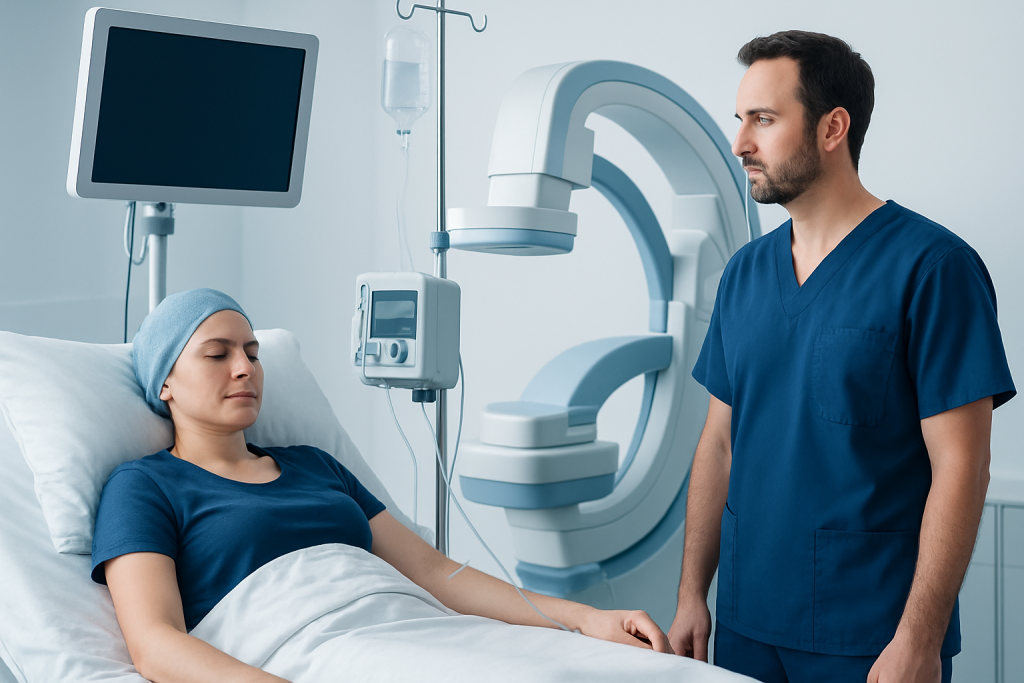
Suitability for intra arterial chemotherapy depends on the individual cancer and the person’s overall health. Doctors review the tumor’s location, size, number, blood-vessel anatomy, stage, prior treatments, and whether cancer has spread outside the target region. They also consider liver, kidney, heart, and bone marrow function, because these factors can affect procedural safety and the body’s ability to tolerate chemotherapy.
This treatment may be considered when a tumor has a blood supply that can be selectively accessed and when local delivery is expected to offer a meaningful clinical advantage. For example, liver-directed arterial therapies may be evaluated for selected primary or secondary liver tumors. However, the best approach differs widely among tumor types, and not all patients with cancer in an organ are candidates.
Before recommending treatment, the team balances potential benefits against alternatives such as surgery, radiation therapy, intravenous or oral systemic therapy, immunotherapy, targeted therapy, ablation, or other catheter-based treatments. Imaging findings, pathology results, laboratory tests, symptoms, personal preferences, and treatment goals all inform the decision.
- Patients may need blood tests to assess blood counts, clotting, liver function, and kidney function.
- CT, MRI, ultrasound, or angiography can help map the tumor and nearby blood vessels.
- People should tell their care team about all medicines, allergies, previous reactions to contrast dye, and any bleeding or kidney problems.
What happens during the procedure

Intra arterial chemotherapy is typically performed in an angiography or interventional radiology suite. The patient lies on an imaging table while the team monitors blood pressure, pulse, oxygen level, and comfort. Local anesthetic is commonly used at the catheter-entry site, often in the groin or wrist. Some people also receive medication to help them relax or manage discomfort; the type of sedation varies by procedure and clinical needs.
The interventional radiologist inserts a small catheter into an artery and guides it through the blood vessels using live X-ray imaging. Contrast material may be used to show the vascular anatomy and confirm that the catheter is positioned in the artery supplying the intended treatment area. The chemotherapy medicine is then infused through the catheter over a planned period.
In some treatment plans, the catheter is removed at the end of the session and pressure or a closure device is applied to the access site. In other cases, a device may be placed to allow repeated infusions, depending on the cancer type and protocol. The procedure itself can vary substantially, so the care team will explain whether treatment is a one-time session or part of a series.
Patients should follow pre-procedure instructions carefully. These may include guidance about eating and drinking, diabetes medicines, blood thinners, and arrangements for transport home if sedation is used. It is important not to stop prescribed medication unless the treating team specifically advises it.
Benefits, limits and expected results
The potential benefit of intra arterial chemotherapy is that it concentrates chemotherapy delivery in or near the tumor’s blood supply. This may help control a tumor in a targeted region and, in selected cases, can reduce tumor size or slow progression. It can be used with other cancer treatments rather than as a stand-alone option.
Results depend on many factors, including the cancer type and biology, tumor burden, response to previous treatment, technical success of catheter placement, and whether other therapies are used. A response may mean tumor shrinkage, reduced blood supply to a tumor, stable disease, symptom improvement, or making another treatment more feasible. It is important to understand that response patterns vary, and local treatment may not address cancer cells outside the treated region.
Follow-up imaging and blood tests are used to assess the response and watch for side effects. The oncologist may recommend additional arterial treatment sessions, a change in systemic treatment, surgery, radiation therapy, or surveillance, depending on the findings. Discussion of expected outcomes should be individualized and should include both the potential advantages and the limits of treatment.
For patients exploring catheter-based cancer care, intra arterial chemotherapy treatment may be discussed within a coordinated oncology plan. Related treatment decisions may also include therapies directed at the specific tumor type and location.
Recovery timeline and follow-up
Recovery after intra arterial chemotherapy varies according to the treatment area, medicine used, length of the procedure, and a person’s health. Many patients are observed for several hours after the procedure, while some require an overnight stay for monitoring. The access site is checked for bleeding, bruising, swelling, or changes in circulation to the arm or leg.
For the first day or two, patients may be advised to rest, drink fluids if permitted, and avoid heavy lifting or strenuous activity. Mild soreness or bruising where the catheter entered the body is common. Fatigue, reduced appetite, nausea, or low-grade fever may occur after some regional chemotherapy treatments, but the care team should explain which symptoms are expected for the specific protocol.
Chemotherapy-related side effects can occur immediately or develop over days to weeks. Depending on the medicine, these may include tiredness, nausea, vomiting, mouth sores, diarrhea, reduced blood counts, infection risk, hair thinning or loss, and effects on the treated organ. The team may prescribe supportive medicines, arrange blood tests, and provide specific instructions about food, fluids, activity, and infection prevention.
Follow-up usually includes an oncology appointment, laboratory testing, and imaging at an interval chosen by the clinical team. Patients should keep all scheduled follow-up visits, as treatment response and side effects may not be apparent immediately after the infusion.
Risks and safety considerations
Intra arterial chemotherapy combines the possible side effects of chemotherapy with the procedural risks of catheter-based arterial treatment. Most procedures are completed safely by experienced teams, but no invasive treatment is risk-free. Before treatment, the doctor reviews the expected benefits, alternatives, and risks that are most relevant to the individual.
Catheter-related risks can include bleeding, bruising, infection, blood-vessel injury, blood clots, contrast reactions, and rarely reduced blood flow to tissues beyond the intended target. There can also be effects on the organ being treated, particularly if medicine reaches nearby healthy tissue. The exact risk profile depends on the artery used, tumor site, treatment medicine, and any accompanying procedure.
Systemic chemotherapy effects remain possible because some drug can circulate beyond the target area. People with reduced kidney or liver function, poor blood counts, active infection, significant bleeding risk, or certain vascular conditions may need additional assessment or may be advised to use a different approach.
Clear communication helps reduce avoidable risks. Patients should report a history of contrast allergy, asthma, kidney disease, diabetes, heart disease, prior vascular procedures, pregnancy or possible pregnancy, and all supplements or prescription medicines. The oncology and interventional radiology teams can then plan appropriate precautions.
When to seek medical care
Patients should contact their treatment team promptly if they develop worsening pain, persistent vomiting, fever, chills, unusual weakness, new swelling, or symptoms that interfere with drinking fluids or taking prescribed medicines. A care team can advise whether symptoms are an expected treatment effect, need same-day assessment, or can be managed at home.
Urgent medical care is needed for heavy bleeding from the catheter-entry site, rapidly enlarging swelling or severe pain at that site, chest pain, shortness of breath, fainting, sudden confusion, new weakness or numbness, or a cold, pale, or painful arm or leg. These symptoms are uncommon but require prompt evaluation.
People receiving cancer treatment should also contact a clinician without delay if they develop fever or other possible signs of infection, especially when they have been told that their white blood cell count may be low. They should use the emergency contact instructions provided by their cancer center rather than waiting for their next routine appointment.
Acibadem International’s multidisciplinary specialists and JCI-accredited hospitals support international patients undergoing assessment and treatment for complex cancers, including selected catheter-based therapies. A qualified oncology team can explain whether this approach fits an individual diagnosis and care plan.
Frequently asked questions
Is intra arterial chemotherapy the same as regular chemotherapy?
No. Standard chemotherapy is usually given into a vein or taken by mouth and circulates throughout the body. Intra arterial chemotherapy delivers medicine through an artery supplying a targeted tumor area, although some medicine may still enter the bloodstream.
How long does intra arterial chemotherapy take?
The time varies by the artery treated, imaging needed, medication protocol, and whether another catheter-based treatment is performed at the same time. The infusion and catheter procedure may take several hours, and additional observation afterward is often needed.
Is intra arterial chemotherapy painful?
The catheter entry area is numbed with local anesthetic, and sedation or pain-relieving medicine may be provided when appropriate. People may feel pressure or brief discomfort during catheter placement, but significant pain should be reported immediately to the team.
What side effects can occur after intra arterial chemotherapy?
Side effects can include fatigue, nausea, appetite changes, soreness at the catheter site, and effects related to the chemotherapy medicine. Depending on the treatment, low blood counts, infection risk, and temporary effects on the treated organ can also occur.
Can intra arterial chemotherapy cure cancer?
Intra arterial chemotherapy may be used with curative intent in carefully selected treatment plans, but it is not a cure for every cancer. Its purpose may instead be to shrink or control a tumor, reduce symptoms, or help make surgery or another treatment possible.
How is treatment response checked?
Doctors usually use follow-up imaging, such as CT or MRI, alongside blood tests and clinical assessment. The timing of these checks depends on the cancer type, treatment protocol, and the person’s condition.
References
- National Cancer Institute
- American Cancer Society
- Society of Interventional Radiology
- European Society for Medical Oncology
- National Comprehensive Cancer Network
This article is for general information only and is not a substitute for professional medical advice. Please consult a qualified doctor about your individual situation.
Chemotherapy in Turkey — costs, top hospitals & a free quote
JCI-accredited · board-certified surgeons · reply within 24h
Add us as a Preferred Source to see more of our trusted health content across Google Search, AI Overviews and Discover.
Check your numbers in seconds
BMI, calories, due date, blood pressure and 30+ more clinical calculators — free, instant, doctor-reviewed ranges.

Medical Oncology Department
Medical treatment of cancer with chemotherapy, immunotherapy and targeted therapies under a multidisciplinary tumor board.
60 specialists in this unitMore from the Health Library



Related Specialists

Dr. Mehmet Murat Çuhadaroğlu
Nuclear Medicine
Dr. Bedii Ender Topçu
Oral & Dental Health
Prof. Dr. Sinan Zeren
Urology
Assoc. Prof. Dr. Muhammet Ahmet Karakaya
Anesthesiology