

Intracranial Atherosclerosis: Stroke Risk, Imaging, and Endovascular Options

Intracranial atherosclerosis affects arteries inside the brain and may reduce blood flow or trigger clot formation. Symptoms can be temporary, as in a transient ischemic attack, or persistent, as in an ischemic stroke.
Key Takeaways
- Intracranial atherosclerosis affects arteries inside the brain and may reduce blood flow or trigger clot formation.
- Symptoms can be temporary, as in a transient ischemic attack, or persistent, as in an ischemic stroke.
- Diagnosis often combines brain imaging with CT angiography, MR angiography, ultrasound, or catheter angiography in selected cases.
- Most patients are treated first with medical therapy, including antiplatelet medication, cholesterol management, blood pressure control, and lifestyle changes.
- Angioplasty or stenting may be considered only for carefully selected patients, usually when symptoms continue despite optimal medical treatment.
- Urgent medical assessment is important for sudden weakness, speech difficulty, vision loss, severe dizziness, or other stroke-like symptoms.
Intracranial atherosclerosis is a narrowing of arteries inside the skull caused by plaque buildup, and it is an important, treatable cause of transient ischemic attack and ischemic stroke. Care usually focuses on accurate vascular imaging, strong control of risk factors, medication, and carefully selected endovascular procedures when appropriate.
Overview
Intracranial atherosclerosis is the buildup of fatty, cholesterol-rich plaque in the arteries that run inside the skull and supply the brain. As plaque grows, it can narrow the artery, a condition often called intracranial artery stenosis. This narrowing may reduce blood flow to a part of the brain or create an uneven surface where a blood clot can form.
The condition is important because it can cause a transient ischemic attack, sometimes called a mini-stroke, or an ischemic stroke. A transient ischemic attack causes stroke-like symptoms that improve within a short time, while an ischemic stroke occurs when blood flow is blocked long enough to injure brain tissue. Both require medical evaluation, because even temporary symptoms can be a warning sign.
Intracranial atherosclerosis is managed with a careful, step-by-step approach. Doctors assess the symptoms, confirm which artery is affected, estimate the degree of narrowing, and look for other possible causes of stroke. Treatment is then tailored to reduce the chance of another event while balancing the benefits and risks of each option.
Symptoms and Warning Signs
Symptoms depend on which brain artery is narrowed and which part of the brain is affected. Some people have no symptoms and the narrowing is found during imaging for another reason. When symptoms occur, they often resemble those of a transient ischemic attack or stroke and may appear suddenly.
Common warning signs include weakness or numbness on one side of the body, facial drooping, trouble speaking or understanding speech, loss of vision in one eye or part of the visual field, severe imbalance, dizziness with coordination problems, or sudden confusion. Symptoms may last minutes and then resolve, or they may persist. A short duration does not make the episode harmless.
Because stroke treatment is time-sensitive, sudden neurological symptoms should be treated as an emergency. A person should not wait to see whether symptoms disappear, and should not drive to the hospital if emergency services are available. Rapid assessment can help doctors decide whether urgent treatments, brain imaging, or blood vessel imaging are needed.
Causes and Risk Factors

Atherosclerosis develops over years as cholesterol, inflammatory cells, calcium, and fibrous tissue accumulate in the artery wall. Inside the skull, these plaques can narrow arteries such as the middle cerebral, intracranial internal carotid, vertebral, or basilar arteries. Stroke can occur from reduced blood flow, a clot forming on the plaque, or small pieces of clot traveling downstream into smaller brain vessels.
Risk factors for intracranial atherosclerosis are similar to those for atherosclerosis elsewhere in the body. They include high blood pressure, high LDL cholesterol, diabetes, smoking, chronic kidney disease, physical inactivity, obesity, and a family history of vascular disease. Age also increases risk, although the condition can occur in younger adults, especially when multiple risk factors are present.
Some people have more than one possible cause of stroke. For example, atrial fibrillation, carotid artery disease in the neck, small vessel disease, or blood clotting disorders may coexist with intracranial narrowing. This is why doctors usually perform a broad evaluation rather than assuming that one imaging finding explains every symptom.
Imaging and Diagnosis
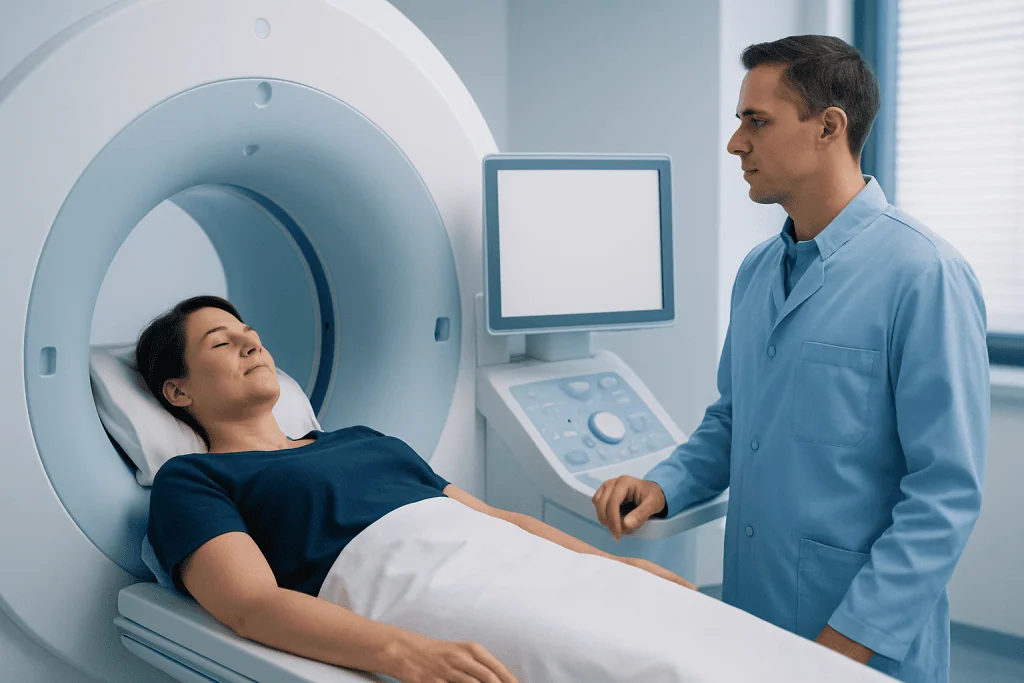
Diagnosis begins with a neurological examination and a detailed history of symptoms, timing, medications, and vascular risk factors. Brain imaging, usually CT or MRI, helps determine whether a stroke has occurred and whether there is bleeding or another condition that might mimic stroke. MRI can be particularly useful for detecting small or early ischemic injuries.
Blood vessel imaging is central to diagnosing intracranial atherosclerosis. CT angiography and MR angiography can show narrowing in the brain arteries and help estimate its severity. Transcranial Doppler ultrasound may measure blood flow velocities in certain intracranial vessels. Digital subtraction angiography, a catheter-based test, provides very detailed images and may be used when noninvasive tests are unclear or when a procedure is being considered.
In some centers, advanced MRI techniques such as vessel wall imaging can help distinguish atherosclerotic plaque from other causes of narrowing, such as inflammation, dissection, or vasospasm. Perfusion imaging may be used to evaluate whether a narrowed artery is causing reduced blood supply to brain tissue. The choice of tests depends on symptoms, kidney function, previous imaging, and the clinical question being asked.
Diagnosis also includes looking beyond the narrowed artery. Blood tests may assess cholesterol, glucose control, kidney function, and other relevant factors. Heart rhythm monitoring and echocardiography may be recommended to look for heart-related sources of clots. This full evaluation helps create a treatment plan that addresses the patient’s overall stroke risk.
Medical Treatment Options
For most patients with symptomatic intracranial atherosclerosis, medical treatment is the first and most important strategy. The goal is to prevent another transient ischemic attack or stroke by reducing clot formation, stabilizing plaque, and improving vascular health. Treatment decisions are individualized based on the severity of narrowing, recent symptoms, bleeding risk, and other medical conditions.
Antiplatelet medications are commonly used to reduce the tendency of blood cells called platelets to form clots on an atherosclerotic plaque. Some patients may be prescribed a short period of dual antiplatelet therapy after a recent event, followed by longer-term single antiplatelet treatment, depending on the physician’s assessment. Anticoagulants are not routinely used for intracranial atherosclerosis unless there is another indication, such as certain heart rhythm disorders.
Cholesterol-lowering therapy, often with a statin, is a key part of care because it can help stabilize atherosclerotic plaque and reduce vascular risk. Blood pressure and diabetes management are also essential, but targets should be set by the treating physician, especially soon after a stroke when blood pressure goals may vary by situation. Smoking cessation, nutrition support, and supervised rehabilitation may be included in the care plan.
In an acute ischemic stroke, emergency treatments may be considered if the patient arrives within the appropriate time window and meets clinical and imaging criteria. These may include clot-dissolving medication or mechanical clot removal for certain large vessel blockages. These urgent treatments are separate from longer-term management of intracranial atherosclerosis, but both are part of comprehensive stroke care.
Endovascular Options: Angioplasty and Stenting
Endovascular treatment means treating a blood vessel from inside using a catheter, usually inserted through an artery in the wrist or groin. In intracranial atherosclerosis, the main endovascular options are balloon angioplasty, which gently widens the narrowed segment, and stenting, which places a small mesh tube to help keep the artery open. These procedures are technically complex because brain arteries are delicate and supply highly sensitive tissue.
Current practice generally favors intensive medical therapy before intracranial stenting for many patients, because studies have shown that procedures can carry early risks, including stroke, vessel injury, or bleeding. However, endovascular treatment may still be considered for selected patients who have severe narrowing and repeated symptoms despite optimized medical therapy, particularly when imaging suggests that the narrowed artery is causing ongoing risk. The decision requires careful review by specialists experienced in stroke neurology, neuroradiology, and neurointervention.
Before an endovascular procedure, doctors review the exact location and length of the stenosis, the size and shape of the artery, the timing of the recent stroke or transient ischemic attack, and the patient’s ability to take antiplatelet medication. After a procedure, follow-up imaging and medication adherence are important because restenosis, or re-narrowing, can occur. Patients should discuss the expected benefits, alternatives, and procedure-specific risks with the treating team.
Prevention, Self-Care, and Follow-Up
Prevention focuses on reducing the overall burden of vascular risk factors. A heart- and brain-healthy lifestyle can support medical treatment, although it does not replace prescribed medication. Practical steps often include stopping tobacco, following a balanced diet rich in vegetables, fruits, whole grains, legumes, fish or lean proteins, limiting highly processed foods, and choosing physical activity that is safe for the individual’s condition.
Regular follow-up helps doctors monitor symptoms, medication tolerance, blood pressure, cholesterol, and glucose control. Some patients need repeat CT angiography, MR angiography, or ultrasound to assess whether the narrowing is stable. Rehabilitation therapies may support recovery after stroke, including physiotherapy, occupational therapy, speech therapy, and cognitive rehabilitation when needed.
Medication adherence is especially important because intracranial atherosclerosis is a chronic vascular condition. Patients should not stop antiplatelet, cholesterol, blood pressure, or diabetes medications without medical advice. If side effects occur, the healthcare team can often adjust the plan or choose an alternative.
Family members and caregivers can help by recognizing stroke warning signs, supporting healthy routines, and assisting with appointments. Written care plans, medication lists, and clear instructions for what to do if symptoms recur can make day-to-day management safer and less stressful.
When to See a Doctor
Immediate emergency care is needed for sudden weakness or numbness, facial drooping, trouble speaking, new vision loss, severe imbalance, sudden confusion, or a sudden severe headache with neurological symptoms. These symptoms may represent a stroke or transient ischemic attack, and rapid evaluation can open the door to time-sensitive treatments. Even if symptoms improve quickly, urgent assessment is still recommended.
A non-urgent but timely appointment with a neurologist or stroke specialist is appropriate for patients who have been told they have intracranial artery stenosis, have had a recent transient ischemic attack, or have vascular risk factors that are difficult to control. Follow-up is also important if new symptoms occur, if medication side effects develop, or if questions arise about imaging results or endovascular options.
Acibadem International’s multidisciplinary specialists and JCI-accredited hospitals diagnose and treat cerebrovascular conditions, including intracranial atherosclerosis, for international patients. A coordinated team approach can help patients understand imaging findings, compare medical and procedural options, and plan follow-up care with their local physicians.
Frequently asked questions
What is intracranial atherosclerosis?
Intracranial atherosclerosis is plaque buildup in the arteries inside the skull that supply blood to the brain. The plaque can narrow an artery, reduce blood flow, or encourage clot formation. It is an important cause of transient ischemic attack and ischemic stroke.
Is intracranial artery stenosis the same as a stroke?
No. Intracranial artery stenosis means an artery inside the brain is narrowed, while a stroke means brain tissue has been injured due to interrupted blood flow or bleeding. However, stenosis can increase the risk of an ischemic stroke, especially if it has already caused symptoms.
Which imaging test is best for intracranial atherosclerosis?
There is no single best test for every patient. CT angiography and MR angiography are commonly used noninvasive tests, while digital subtraction angiography provides more detailed vessel images when needed. The choice depends on the symptoms, kidney function, previous scans, and whether a procedure is being considered.
Can intracranial atherosclerosis be reversed?
Existing plaque may not completely disappear, but treatment can often stabilize it and reduce the chance of stroke. Cholesterol management, blood pressure control, diabetes care, stopping smoking, antiplatelet therapy, and healthy lifestyle changes can all lower vascular risk. Follow-up imaging may show whether the narrowing is stable or changing.
When is stenting used for intracranial atherosclerosis?
Stenting is not usually the first treatment for most patients with intracranial atherosclerosis. It may be considered for carefully selected patients with severe narrowing who continue to have symptoms despite optimized medical therapy. The decision should be made by an experienced stroke and neurointerventional team after reviewing the risks and alternatives.
What should a patient do after a transient ischemic attack?
A transient ischemic attack should be treated as an urgent medical warning sign, even if symptoms resolve. The patient should seek emergency or rapid specialist evaluation to identify the cause and start prevention. Early treatment can reduce the risk of a future stroke.
References
- American Heart Association
- American Stroke Association
- European Stroke Organisation
- National Institute of Neurological Disorders and Stroke
- Society of NeuroInterventional Surgery
This article is for general information only and is not a substitute for professional medical advice. Please consult a qualified doctor about your individual situation.
Explore treatments in Turkey — costs, top hospitals & a free quote
JCI-accredited · board-certified surgeons · reply within 24h
Add us as a Preferred Source to see more of our trusted health content across Google Search, AI Overviews and Discover.
Check your numbers in seconds
BMI, calories, due date, blood pressure and 30+ more clinical calculators — free, instant, doctor-reviewed ranges.

More from the Health Library



Related Specialists

Dr. Selcen Bahadır
Gynecology & Obstetrics
Dr. Gülhan İpek Deniz
Medical Oncology
Melisa İpar
Physical Medicine & Rehabilitation
Dr. Yeşim Tasalı
Ophthalmology