Invisalign Elastics: A Complete Medical Overview
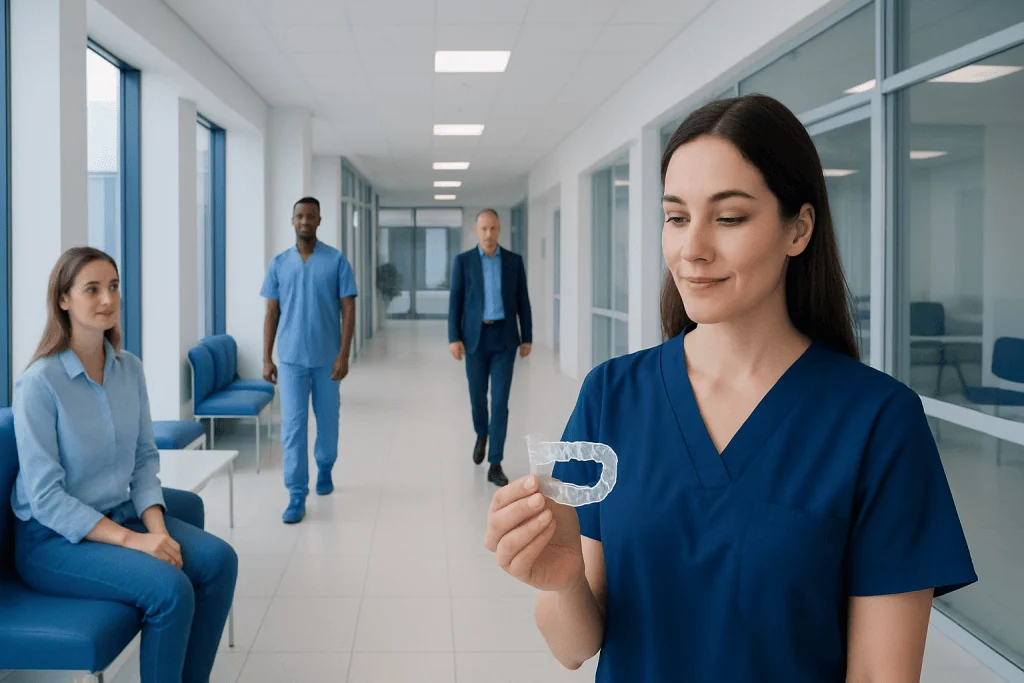
Invisalign elastics apply controlled force between the upper and lower arches to improve bite alignment. They may be used for overbites, underbites, crossbites, open bites, and certain tooth-position problems.
Key Takeaways
- Invisalign elastics apply controlled force between the upper and lower arches to improve bite alignment.
- They may be used for overbites, underbites, crossbites, open bites, and certain tooth-position problems.
- Elastics should usually be replaced daily and removed only as instructed for eating, brushing, or other specific activities.
- Temporary tooth tenderness, jaw fatigue, or minor irritation can occur as the mouth adapts to treatment.
- Broken attachments, persistent pain, swelling, or a poor-fitting aligner should be assessed by an orthodontic professional.
Invisalign elastics are small rubber bands prescribed with clear aligners to help correct how the upper and lower teeth meet. They work only when worn exactly as directed by an orthodontist, alongside consistent aligner use and regular follow-up care.
What Are Invisalign Elastics?
Invisalign elastics are small, medical-grade rubber bands used with clear aligners to guide the relationship between the upper and lower teeth. While aligner trays primarily move individual teeth, elastics create additional directional force between the dental arches. This can help improve the bite, meaning the way the upper and lower teeth come together.
They are sometimes called Invisalign rubber bands, clear-aligner elastics, or interarch elastics. They are not needed in every clear-aligner plan. An orthodontist recommends them when tooth movement alone is unlikely to fully correct a bite discrepancy.
The bands usually connect to small hooks or precision-cut openings on the aligners. In some cases, tooth-colored attachments or other orthodontic components provide a stable point for the elastic. The exact placement, strength, and wearing schedule are individualized; using a different configuration without professional advice can interfere with treatment.
How Elastics Help Correct the Bite
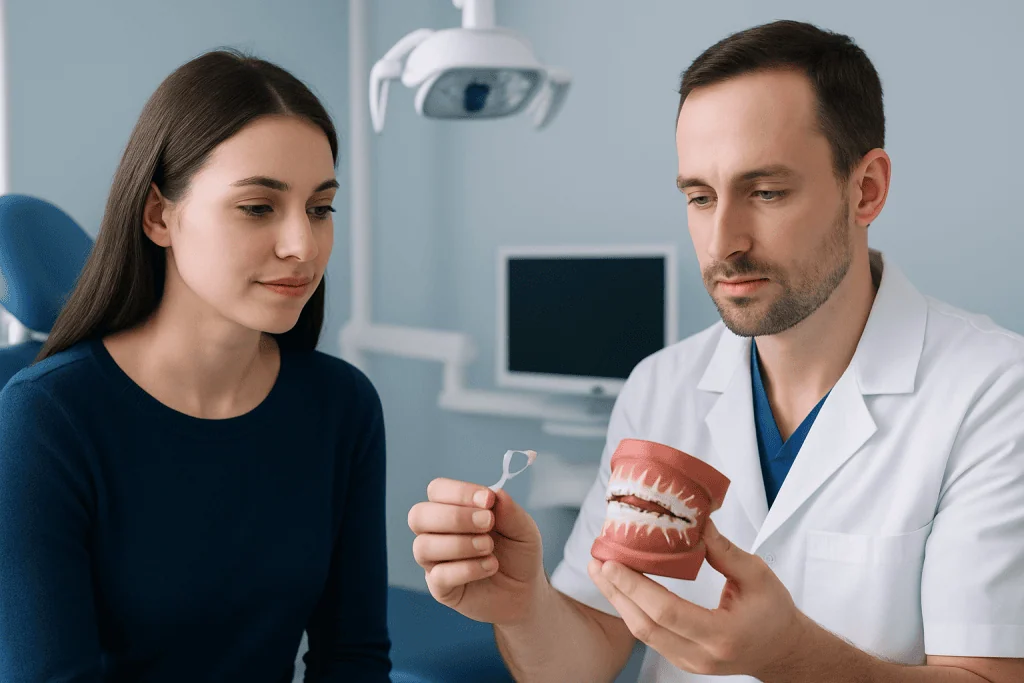
Healthy bite alignment supports effective chewing and helps distribute force across the teeth. When the jaws or teeth do not meet in the intended relationship, an orthodontist may use elastics to apply steady, gentle force that encourages coordinated movement of the upper and lower arches.
For example, elastics may be used as part of treatment for an increased overjet, where upper front teeth sit far ahead of lower front teeth; an underbite, where lower teeth sit ahead of upper teeth; a crossbite, where some upper teeth bite inside lower teeth; or an open bite, where front or back teeth do not contact as expected. The same type of elastic can have very different effects depending on where it is attached.
Clear aligner treatment is a form of orthodontic treatment that relies on planned, incremental changes. Elastics add a second element of force and can be particularly helpful when treatment needs to address the bite as well as tooth crowding or spacing. They are prescribed after a clinical examination and digital treatment planning.
Who May Need Invisalign Elastics?

Invisalign elastics may be considered for teenagers or adults whose bite requires correction during clear-aligner treatment. Their use depends on the type and severity of the bite issue, tooth and gum health, jaw growth status, and the person’s ability to follow the wear instructions reliably.
Some bite differences can be managed effectively with aligners and elastics, while more complex skeletal jaw discrepancies may require other approaches. These can include conventional braces, additional orthodontic appliances, or, in selected cases, jaw surgery. An orthodontist can explain whether clear aligners are appropriate for the individual situation.
Before treatment begins, the clinician reviews the teeth, gums, bite, jaw function, and relevant dental imaging. Active gum disease, untreated decay, loose teeth, or significant jaw symptoms may need attention first. Good oral health helps make orthodontic tooth movement safer and more predictable.
Elastics are an adjunct to treatment, not a sign that clear aligners have failed. They are a routine tool used to achieve movements that require interaction between both arches.
How to Wear and Care for Elastics
The orthodontist provides a specific instruction sheet showing which hooks to use, how many elastics to wear, and when to change them. Many patients are asked to wear elastics for most of the day and night, removing them for meals and oral hygiene, but schedules vary. Following the personal plan matters more than following advice intended for someone else.
Fresh elastics provide more consistent force than bands that have been stretched for a long time. Patients are commonly advised to replace them at least daily or more often if instructed, and to carry spare packets when away from home. Used elastics should be discarded rather than washed and reused.
Hands should be clean before handling aligners or elastics. A small elastic hook tool may make placement easier, especially at the beginning. It is helpful to check in a mirror that each band is seated on the correct hook and has not slipped onto the gum tissue.
- Wear the prescribed size and type only; different bands are not interchangeable.
- Use a simple reminder, such as a phone alarm or a spare pack in a bag, to support consistency.
- Keep aligners clean and brush teeth before reinserting them after meals.
- Contact the orthodontic team if a hook breaks, an attachment comes off, or elastics cannot be placed as demonstrated.
What to Expect During Treatment
Mild pressure or tenderness in the teeth and jaw area is common when elastics are first introduced or when the configuration changes. This usually reflects the forces of orthodontic movement and often settles as the mouth adapts. Soft tissues may also feel mildly irritated at first if a hook rubs against the cheek or lip.
Regular wear is important because intermittent use can lead to stop-start forces. This may make the adjustment period more noticeable and can reduce the efficiency of the planned tooth movement. If elastics are missed, patients should not double up or change the arrangement unless their orthodontist specifically advises this.
Appointments allow the orthodontist to assess fit, bite changes, tooth movement, and oral health. The elastic pattern may be modified as treatment progresses. Wearing aligners and elastics as prescribed, attending reviews, and reporting concerns early are practical ways to support the treatment plan.
Clear aligners should fit closely over the teeth. An aligner that suddenly no longer fits, repeatedly lifts away from the teeth, or causes sharp pressure should be checked rather than forced into place. This may indicate an issue requiring clinical review.
Oral Hygiene, Food and Everyday Habits
Orthodontic treatment makes daily oral hygiene especially important. Food debris and plaque can collect around attachments, hooks, and along the gumline. Brushing twice daily with fluoride toothpaste, cleaning between the teeth as advised, and attending routine dental visits help reduce the risk of decay and gum inflammation.
Most people remove aligners and elastics before eating unless their orthodontist gives different instructions. This protects the elastic from snapping, stretching, or becoming contaminated with food. After meals, teeth should ideally be brushed before aligners are reinserted; when brushing is not possible, rinsing the mouth and aligners with water can be a useful temporary step.
It is best to avoid chewing gum while wearing elastics and to avoid pulling or repeatedly playing with the bands. These habits can break the elastics or distort the intended force. Smoking and tobacco use can affect oral health and may stain aligners, so discussing cessation support with a healthcare professional can be beneficial.
For people with clenching, grinding, jaw clicking, or jaw pain, it is important to tell the orthodontist. These symptoms do not always prevent aligner treatment, but they may influence monitoring and the choice of treatment mechanics.
When to Seek Medical Care
Contact the orthodontist promptly if an elastic hook breaks, an attachment falls off, the aligner cracks, or the trays no longer fit as expected. The care team can advise whether the patient should continue with the current aligner, temporarily stop using elastics, or arrange an earlier appointment. Trying to repair an aligner or add a hook at home is not recommended.
Professional advice is also appropriate for persistent or worsening pain, jaw locking, severe difficulty opening the mouth, ongoing gum bleeding, sores that do not improve, or signs of infection such as facial swelling, fever, or drainage. Urgent dental or medical assessment is needed for significant facial swelling, trouble breathing or swallowing, or severe trauma to the teeth or jaw.
Routine tenderness is usually short-lived, but pain should not simply be ignored if it is intense, prolonged, or associated with a loose tooth. A dentist or orthodontist can evaluate the cause and recommend safe next steps. Acibadem International’s multidisciplinary specialists and JCI-accredited hospitals diagnose and treat dental and orthodontic concerns for international patients.
Frequently asked questions
Do Invisalign elastics work?
Invisalign elastics can be effective when they are appropriately prescribed and worn consistently. They are used to add controlled force that helps improve the relationship between the upper and lower teeth. Results depend on the type of bite issue, the treatment plan, oral health, and adherence to wear instructions.
How many hours a day should Invisalign elastics be worn?
The required wear time varies by the orthodontic plan. Many people are instructed to wear them nearly full-time, removing them for eating and cleaning their teeth, but some schedules differ. The orthodontist’s instructions should always take priority.
Should elastics be removed at night?
In many treatment plans, elastics are worn overnight because consistent force is important. However, whether they should be removed at night depends on the specific bite correction being planned. Patients should ask their orthodontist if their instructions are unclear.
Do Invisalign elastics hurt?
Mild pressure, tooth sensitivity, or temporary jaw fatigue can occur when elastics are first worn or changed. These effects often improve over several days as the mouth adapts. Severe, worsening, or persistent pain should be discussed with the orthodontic team.
What happens if Invisalign elastics are not worn regularly?
Irregular wear can reduce the consistency of orthodontic force and may delay the intended bite correction. It can also make the mouth repeatedly readjust to the force, which may be uncomfortable. Patients should not compensate by wearing extra elastics unless instructed by their orthodontist.
Can a patient use any rubber bands with Invisalign?
No. Orthodontic elastics differ in size and force, and the prescribed type is selected for a particular treatment goal. Using store-bought or unapproved bands, or changing the attachment pattern, can create unwanted tooth movement or damage the aligners.
This article is for general information only and is not a substitute for professional medical advice. Please consult a qualified doctor about your individual situation.
Invisalign in Turkey — costs, top hospitals & a free quote
JCI-accredited · board-certified surgeons · reply within 24h
Add us as a Preferred Source to see more of our trusted health content across Google Search, AI Overviews and Discover.

More from the Health Library

T4: A Complete Medical Overview

Spiders and Spider Bites: A Complete Medical Overview

Epidemic: A Complete Medical Overview

Immunoglobulin E: A Complete Medical Overview

Yawn Throat Hurts: What Patients Need to Know