Iodine Deficiency — Explained by Medical Evidence, Not Myths

Iodine is essential for making thyroid hormones that regulate metabolism, growth, and brain development. Iodine deficiency may cause goiter, fatigue, dry skin, constipation, and feeling unusually cold.
Key Takeaways
- Iodine is essential for making thyroid hormones that regulate metabolism, growth, and brain development.
- Iodine deficiency may cause goiter, fatigue, dry skin, constipation, and feeling unusually cold.
- Pregnant people, infants, and those who avoid iodized salt or certain foods may face higher risk.
- Doctors diagnose iodine deficiency by reviewing symptoms, examining the thyroid, and using thyroid-related tests when needed.
- Treatment focuses on restoring iodine intake safely and managing any thyroid problems under medical guidance.
Iodine deficiency means the body does not get enough iodine to make normal thyroid hormones. It can cause tiredness, neck swelling, feeling cold, and developmental problems in pregnancy and childhood, but it is usually preventable and treatable once identified.
Overview: what iodine deficiency means
Iodine deficiency occurs when the body does not have enough iodine to produce adequate amounts of thyroid hormones. These hormones help control metabolism, body temperature, energy use, and normal growth and brain development. When iodine intake stays too low for long enough, the thyroid gland may struggle to keep up, and symptoms can gradually appear.
This condition is often discussed in simple terms, but the medical picture is more specific: iodine deficiency does not always cause immediate symptoms, and not every thyroid symptom means a person lacks iodine. Evidence-based evaluation matters because both too little and too much iodine can affect thyroid function. The goal is not to guess, but to identify the cause and treat it safely.
Iodine deficiency remains especially important during pregnancy, infancy, and childhood, when thyroid hormones are critical for healthy brain and nervous system development. In adults, deficiency may lead to an enlarged thyroid gland, called a goiter, as the gland tries to capture more iodine from the bloodstream.
How iodine supports the thyroid and the body
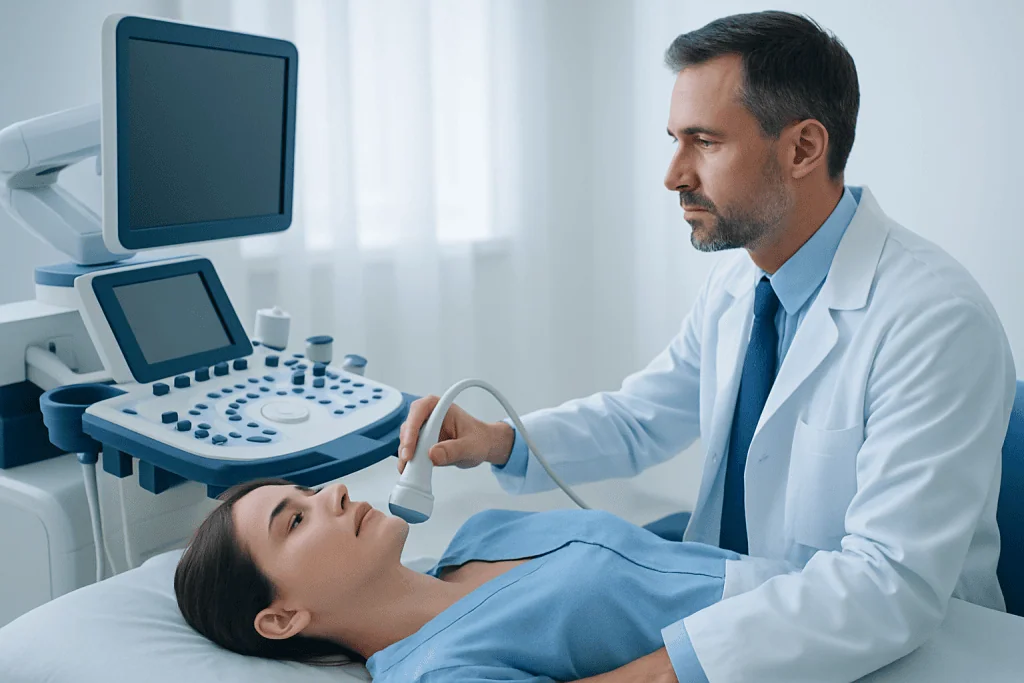
The thyroid is a small gland in the front of the neck. It uses iodine from food to make two major hormones: thyroxine (T4) and triiodothyronine (T3). These hormones influence heart rate, digestion, temperature regulation, skin and hair health, menstrual cycles, and many other body functions.
If iodine intake is low, the thyroid may initially compensate by working harder. Over time, however, thyroid hormone production can fall, which may contribute to hypothyroidism. Some people with suspected iodine-related thyroid problems are assessed in the broader context of thyroid diseases, because other thyroid conditions can produce similar symptoms.
In pregnancy, iodine needs increase because the body must support both the pregnant person and the developing baby. Adequate iodine is particularly important early in pregnancy, when the baby’s brain development depends on thyroid hormone supply. For this reason, prevention and early nutritional guidance are key parts of care.
Symptoms and signs of iodine deficiency

Iodine deficiency can develop slowly, and symptoms may be mild at first. A common sign is enlargement of the thyroid gland, which can appear as a visible or noticeable swelling in the lower front of the neck. This is called a goiter and may or may not cause discomfort.
Other symptoms often reflect low thyroid hormone levels rather than iodine deficiency itself. These may include tiredness, feeling cold more easily than usual, dry skin, constipation, slowed thinking, weight gain, hoarse voice, muscle weakness, or changes in mood. In children, poor growth or learning difficulties may raise concern and deserve medical evaluation.
Symptoms can vary widely. Some people have deficiency with few obvious complaints, while others may develop clearer signs of hypothyroidism. Because these symptoms overlap with many other conditions, self-diagnosis is unreliable. A clinician may also consider related findings such as an enlarged thyroid gland when deciding which tests are appropriate.
- Neck swelling or fullness
- Fatigue or low energy
- Feeling cold
- Dry skin and hair changes
- Constipation
- Slower concentration or memory problems
Causes, myths, and who is at higher risk
The direct cause of iodine deficiency is not getting enough iodine from food and drink. In many places, iodized salt has greatly reduced the problem, but deficiency can still happen. People who use non-iodized specialty salts, avoid dairy or seafood, follow highly restrictive diets, or live in areas where soil iodine is low may have lower intake.
Pregnant and breastfeeding people need more iodine than other adults, so they are at higher risk if intake is not adequate. Infants depend on iodine supply through breast milk, formula, or food, making maternal nutrition especially important. People with limited access to a varied diet may also be vulnerable.
Several myths can be misleading. Iodine deficiency is not diagnosed by symptoms alone, and taking high-dose iodine supplements without medical advice is not a safe shortcut. More iodine is not always better; excessive iodine can sometimes worsen thyroid problems or trigger abnormal thyroid function in susceptible people. That is why clinicians focus on balanced intake and careful assessment rather than internet trends or home remedies.
How doctors diagnose iodine deficiency
Diagnosis begins with a medical history, diet review, and physical examination. A doctor may ask about salt use, seafood intake, pregnancy, family history of thyroid disease, and symptoms such as tiredness or neck swelling. On examination, the thyroid gland may feel enlarged or irregular.
Because iodine deficiency affects thyroid hormone production, blood tests are often used to assess thyroid function. These may include thyroid-stimulating hormone (TSH) and thyroid hormone levels. In some situations, imaging such as thyroid ultrasound helps evaluate the size and structure of the gland, especially if a goiter or nodules are suspected.
Measuring iodine status directly can be more complex than many people expect. Urinary iodine testing can be useful in populations and in selected clinical settings, but it is not always needed for every individual. If thyroid enlargement is significant or another thyroid condition is possible, a doctor may recommend further assessment to guide treatment safely.
Treatment options and restoring iodine safely
Treatment depends on the severity of the deficiency, the person’s age, pregnancy status, and whether thyroid dysfunction has already developed. In many cases, the main approach is to improve iodine intake through diet or appropriately chosen supplements. This should be done with medical guidance, especially in pregnancy or if thyroid disease is already present.
Food sources of iodine commonly include iodized salt, dairy products, seafood, eggs, and some fortified foods. The best dietary plan varies by region and personal eating pattern. If a person has developed hypothyroidism because of iodine deficiency, they may also need evaluation and management for underactive thyroid rather than relying on nutrition alone.
When a goiter is large, symptoms are significant, or the diagnosis is uncertain, specialist review may be needed. In selected cases, doctors may use thyroid function tests and follow-up imaging to monitor response over time. Near the end of the care pathway, some patients benefit from coordinated evaluation by endocrinology, nutrition, radiology, and primary care teams. Acibadem International’s multidisciplinary specialists and JCI-accredited hospitals diagnose and treat thyroid-related conditions for international patients.
Self-treating with kelp products, concentrated iodine drops, or multiple supplements is not recommended unless a qualified clinician advises it. Too much iodine can cause as many problems as too little, particularly in people with underlying thyroid sensitivity.
Prevention and everyday self-care
Most people can prevent iodine deficiency through a balanced diet and regular use of iodized salt in appropriate amounts. This does not mean increasing salt intake overall; rather, if salt is used, choosing an iodized form may help support adequate iodine intake. People who follow vegan, dairy-free, or seafood-free diets may benefit from discussing iodine sources with a healthcare professional or dietitian.
Prenatal nutrition deserves special attention. Anyone who is pregnant, planning pregnancy, or breastfeeding should ask a clinician whether their diet and prenatal supplement provide appropriate iodine. Advice should be individualized, because nutritional needs and supplement formulations differ.
General self-care also includes avoiding unnecessary high-dose supplements and informing doctors about all vitamins, herbal products, and specialty diets. If thyroid-related symptoms persist despite good nutrition, medical evaluation is still important because the cause may be unrelated to iodine. In some cases, broader endocrine testing or follow-up endocrinology assessment may be the most useful next step.
When to seek medical care
Medical advice is appropriate if a person notices neck swelling, ongoing fatigue, unexplained weight changes, constipation, feeling unusually cold, or other symptoms that suggest thyroid dysfunction. These symptoms are often treatable, but they should not be attributed to iodine deficiency without assessment.
Pregnant people, those planning pregnancy, and parents concerned about an infant’s or child’s growth and development should seek guidance promptly. Early attention is important because iodine and thyroid hormones play a major role in healthy development.
Urgent evaluation may be needed if neck swelling causes trouble swallowing, breathing difficulty, or a feeling of pressure in the throat. Even then, many causes are manageable, and timely review helps doctors identify the reason and recommend the right treatment path.
Frequently asked questions
What is iodine deficiency?
Iodine deficiency means the body does not get enough iodine to make normal thyroid hormones. Because these hormones affect metabolism, growth, and brain development, low iodine intake can lead to thyroid enlargement and other health problems over time.
What are the most common iodine deficiency symptoms?
Common iodine deficiency symptoms include tiredness, feeling cold, dry skin, constipation, and swelling in the front of the neck from a goiter. However, these symptoms are not specific, so a doctor should confirm the cause.
Can iodine deficiency cause thyroid problems?
Yes. If iodine intake stays too low, the thyroid may enlarge and may not produce enough hormones, which can contribute to hypothyroidism. Still, not all thyroid problems are caused by iodine deficiency, so proper testing matters.
Who is most at risk for iodine deficiency?
People who are pregnant or breastfeeding, those who avoid iodized salt, and those with very limited or restrictive diets may face higher risk. Risk may also be higher in areas where local food sources contain less iodine.
How is iodine deficiency treated?
Treatment usually focuses on restoring adequate iodine intake through food or supplements recommended by a healthcare professional. If thyroid hormone levels are already affected, additional treatment and follow-up may be needed.
Is it safe to take iodine supplements without a doctor?
Not always. Taking too much iodine can sometimes worsen or trigger thyroid problems, especially in people with underlying thyroid disease. It is safer to discuss supplements with a qualified clinician, particularly during pregnancy or if symptoms are present.
References
- World Health Organization
- National Institutes of Health Office of Dietary Supplements
- American Thyroid Association
- UNICEF
- Endocrine Society
This article is for general information only and is not a substitute for professional medical advice. Please consult a qualified doctor about your individual situation.
Explore treatments in Turkey — costs, top hospitals & a free quote
JCI-accredited · board-certified surgeons · reply within 24h
Add us as a Preferred Source to see more of our trusted health content across Google Search, AI Overviews and Discover.
Check your numbers in seconds
BMI, calories, due date, blood pressure and 30+ more clinical calculators — free, instant, doctor-reviewed ranges.

More from the Health Library

Herpes on Tongue: An Evidence-Based Guide for Patients

Flexural Eczema: An Evidence-Based Guide for Patients

Eye Cva: An Evidence-Based Guide for Patients

White Toes: A Complete Medical Overview

Lad Artery: What Patients Need to Know