Iron Infusion — Explained by Medical Evidence, Not Myths

Iron infusion delivers iron directly into a vein and can raise iron stores faster than tablets. It is commonly used when oral iron causes side effects, does not work well, or when iron needs are urgent.
Key Takeaways
- Iron infusion delivers iron directly into a vein and can raise iron stores faster than tablets.
- It is commonly used when oral iron causes side effects, does not work well, or when iron needs are urgent.
- Doctors usually confirm iron deficiency with blood tests before recommending an infusion.
- Most people tolerate iron infusion well, but monitoring is important because side effects and allergic-type reactions can occur.
- Treating the reason for iron loss or poor iron absorption is as important as replacing the iron itself.
Iron infusion is an intravenous treatment that restores iron levels when oral supplements are not enough, not tolerated, or not appropriate. It can improve iron deficiency and iron deficiency anemia, but it should be used after a medical assessment to confirm the cause of low iron and choose the right treatment.
What iron infusion is and when it is used
Iron infusion is a medical treatment that gives iron directly into a vein. It is used to rebuild the body’s iron stores when iron deficiency is present and iron tablets are unsuitable, ineffective, or likely to work too slowly. In simple terms, it is not a general energy treatment; it is a targeted therapy for people whose low iron has been confirmed or strongly suspected by a clinician.
Iron is needed to make hemoglobin, the protein in red blood cells that carries oxygen. It also supports muscle function, brain performance, and overall energy metabolism. When iron stores fall, a person may first develop iron deficiency and later iron deficiency anemia if the deficiency becomes severe enough to reduce hemoglobin.
Compared with oral iron, an infusion bypasses the digestive system. This can be helpful for people who cannot absorb iron well, have troublesome stomach side effects from tablets, or need faster correction because symptoms are affecting daily life. It may also be considered in some people with chronic medical conditions, ongoing blood loss, or after certain gastrointestinal surgeries.
Iron infusion treats the deficiency, but it does not explain why the deficiency happened. For that reason, doctors usually focus on both problems at the same time: restoring iron levels and looking for the cause of low iron, such as heavy menstrual bleeding, digestive blood loss, pregnancy-related needs, or poor absorption.
Signs that may suggest iron deficiency
Low iron can cause a range of symptoms, and some are subtle at first. Common complaints include tiredness, reduced exercise tolerance, weakness, headaches, difficulty concentrating, dizziness, shortness of breath on exertion, and paleness. Some people notice restless legs, brittle nails, hair shedding, or a sore tongue.
If iron deficiency progresses to anemia, symptoms may become more noticeable. The heart may beat faster during activity because the body is trying to deliver enough oxygen despite lower hemoglobin. In children and adolescents, low iron may affect attention, learning, behavior, and growth. In pregnancy, it can increase fatigue and may need closer monitoring.
Not every tired person has low iron, and not everyone with iron deficiency feels unwell. That is why symptoms alone are not enough to decide on treatment. Blood tests are important to confirm the diagnosis and to distinguish iron deficiency from other causes of fatigue or anemia, including anemia from chronic illness, vitamin deficiency, or inherited blood conditions.
Because symptoms can overlap with many other health issues, self-diagnosis is not reliable. A clinician can interpret symptoms together with medical history, examination, and blood test results before suggesting oral iron, iron infusion, or another approach.
Why iron levels become low

Iron deficiency develops when iron intake or absorption does not keep up with the body’s needs, or when blood loss removes more iron than the body can replace. Common reasons include heavy menstrual bleeding, pregnancy, blood donation, poor dietary intake, and blood loss from the stomach or intestines. Digestive causes can include ulcers, hemorrhoids, inflammatory bowel disease, or polyps, and in some people the source needs careful investigation.
Reduced absorption is another important cause. Conditions such as celiac disease, inflammatory bowel disease, and previous stomach or bowel surgery can make it harder for the body to absorb enough iron from food or tablets. Some medicines can also reduce absorption indirectly, and persistent vomiting or digestive symptoms may limit oral treatment.
Certain chronic conditions increase the chance that intravenous iron will be considered. These include kidney disease, heart failure, inflammatory disorders, cancer treatment settings, and situations where blood loss is ongoing. In these cases, doctors may balance the likely benefit of faster iron replacement against the patient’s overall health and treatment plan.
The underlying cause matters because successful treatment is more than replacing iron once. If bleeding continues or absorption remains poor, iron stores may fall again after the infusion. A complete assessment may involve gynecology, gastroenterology, primary care, or hematology depending on the person’s symptoms and risk factors.
How doctors decide if an iron infusion is appropriate
Doctors usually start with blood tests. These often include a full blood count, ferritin, transferrin saturation, and sometimes markers of inflammation or additional vitamin tests. Ferritin helps estimate iron stores, but because it can rise during inflammation, it may need to be interpreted alongside other results and the person’s medical history.
An iron infusion may be considered when tablets have caused constipation, nausea, abdominal pain, or poor adherence; when blood tests show that oral iron has not corrected the deficiency; or when quicker replacement is needed. It may also be recommended before certain operations, during later pregnancy in selected cases, or in people with known absorption problems. Some patients undergoing hematology assessment may be referred for infusion after a broader review of possible blood disorders.
Before treatment, the care team checks for past reactions to iron products, current infection, allergies, asthma history, and other medical factors that may affect safety. They also decide which intravenous iron formulation is most suitable and how much iron is needed overall. Different products are given over different time periods, so the practical details vary.
In some situations, iron infusion is not the first or best choice. For example, a person with mild deficiency and no major symptoms may do well with dietary changes and oral supplementation. In others, severe anemia may need urgent evaluation to decide whether an iron infusion alone is enough or whether other treatments are necessary.
What happens during the procedure and what to expect afterward
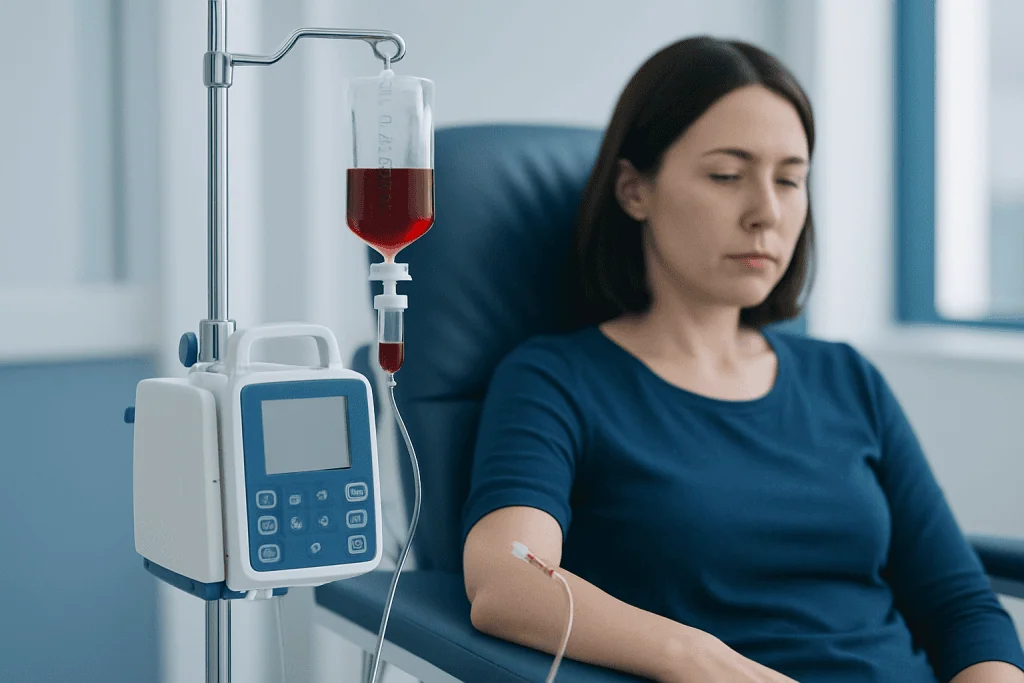
During an iron infusion, a healthcare professional places a small cannula into a vein, usually in the arm, and the iron solution is given over a set period of time. The exact duration depends on the product used and the dose planned. Blood pressure, pulse, and symptoms are monitored during and shortly after the infusion because reactions are uncommon but important to recognize early.
Most people can go home the same day. It is common to feel normal afterward, though some people notice a metallic taste, temporary flushing, mild headache, nausea, muscle aches, or fatigue for a short time. There may also be minor bruising or soreness where the cannula was inserted.
Serious allergic-type reactions are rare, but infusion centers are prepared to manage them. Patients are usually advised to tell staff immediately if they feel wheezy, lightheaded, itchy, tight in the chest, or suddenly unwell. Prompt communication helps the team adjust or stop the infusion and provide treatment if needed.
Iron levels and hemoglobin do not improve instantly on the same day. The body still needs time to use the iron to build red blood cells and refill its stores. Follow-up blood tests are often arranged after several weeks to check whether the deficiency is improving and whether more investigation or treatment is needed.
Benefits, limitations, and possible side effects
The main benefit of iron infusion is that it can replace a large amount of iron without relying on the gut to absorb it. This makes it especially useful for people who cannot tolerate tablets or whose digestive system is unlikely to absorb enough iron. It can also be more convenient than months of oral treatment when the clinician judges that faster correction is important.
However, iron infusion is not automatically better than oral iron for everyone. It requires supervised administration, venous access, and monitoring. It also does not address the cause of iron loss, so symptoms may return if bleeding, poor intake, or malabsorption continues after treatment.
Side effects are usually mild and short-lived, but they can happen. These may include headache, nausea, dizziness, flushing, muscle or joint aches, changes in taste, temporary low blood pressure, or skin staining if iron leaks outside the vein. Skin staining can last, which is why careful cannula placement is important.
Rarely, more significant reactions occur. These include allergic-type reactions and delayed flu-like symptoms. Patients with persistent or unexplained low iron may also need broader assessment, such as gastroenterology review if digestive blood loss is suspected, or internal medicine follow-up to coordinate testing and long-term care.
Prevention, diet, and self-care after treatment
After iron has been replaced, prevention focuses on maintaining healthy iron stores and correcting the reason they fell. Iron-rich foods include red meat, poultry, fish, beans, lentils, tofu, fortified cereals, pumpkin seeds, and dark leafy greens. Vitamin C can help the body absorb non-heme iron from plant foods, so combining iron-rich foods with fruit or vegetables may be useful.
Some habits can reduce iron absorption from meals, such as drinking tea or coffee at the same time as iron-rich foods. This does not mean these drinks must be avoided altogether, but spacing them away from meals may help in people who are prone to low iron. Any dietary plan should fit the person’s overall health, culture, and other medical needs.
Self-care also means keeping follow-up appointments and repeating blood tests when advised. If heavy periods, digestive symptoms, unintentional weight loss, black stools, or repeated fatigue continue, the underlying cause may not yet be fully addressed. Ongoing monitoring is especially important in pregnancy, chronic kidney disease, inflammatory bowel disease, and after bariatric or intestinal surgery.
Where appropriate, a clinician may recommend continuing oral iron for a period after infusion or using dietary changes alone. The right plan depends on why the deficiency happened and how likely it is to return. Near the end of the care pathway, some patients choose specialist follow-up at centers such as Acibadem International, where multidisciplinary teams in JCI-accredited hospitals evaluate and treat iron deficiency and related conditions for international patients.
When to seek medical care
Medical care is appropriate if symptoms such as persistent tiredness, breathlessness, dizziness, paleness, or reduced exercise tolerance are affecting daily life or not improving. A person should also seek assessment if they have risk factors for iron deficiency, including heavy menstrual bleeding, pregnancy, digestive disease, recent surgery, restricted diet, or a history of anemia.
Urgent medical advice is important if there is chest pain, fainting, severe shortness of breath, black or bloody stools, vomiting blood, or rapid worsening of weakness. These symptoms can signal significant anemia or active bleeding and should not be attributed to iron deficiency without evaluation.
After an infusion, prompt medical attention is needed for signs of a serious reaction, such as wheezing, swelling of the face or throat, severe rash, marked dizziness, or difficulty breathing. A painful, swollen, or discolored infusion site should also be reported, especially if skin staining is suspected.
People should not start or repeat iron treatment indefinitely without review. Recurrent low iron may point to a correctable medical problem, and the safest plan is one guided by blood tests and a qualified clinician.
Frequently asked questions
How quickly does an iron infusion work?
An iron infusion starts replenishing iron stores right away, but symptom improvement usually takes days to weeks rather than hours. Hemoglobin and energy levels rise gradually as the body uses the iron to make new red blood cells.
Is iron infusion better than iron tablets?
It is not always better; it is better suited to specific situations. Doctors may prefer it when tablets are not tolerated, not absorbed well, ineffective, or too slow for the person’s clinical needs.
Are iron infusions safe?
Iron infusions are generally safe when given in an appropriate clinical setting with monitoring. Mild side effects are more common than serious reactions, but because allergic-type reactions can occur, trained staff observe patients during and after treatment.
Can someone have an iron infusion without anemia?
Yes, in some cases a person can have iron deficiency without anemia and still have symptoms or a medical reason for treatment. The decision depends on blood test results, symptoms, underlying cause, and whether oral iron is a reasonable option.
What should be avoided after an iron infusion?
Most people can return to normal activities unless their clinician gives different advice. It is sensible to follow any instructions about observation, report new symptoms promptly, and attend follow-up blood testing rather than making assumptions about recovery.
Will one iron infusion fix low iron permanently?
Not necessarily. An infusion can restore iron stores, but if the reason for iron loss or poor absorption continues, levels may fall again over time and additional treatment or investigation may be needed.
References
- World Health Organization
- National Institutes of Health
- American Society of Hematology
- National Heart, Lung, and Blood Institute
- British Society of Gastroenterology
This article is for general information only and is not a substitute for professional medical advice. Please consult a qualified doctor about your individual situation.
Explore treatments in Turkey — costs, top hospitals & a free quote
JCI-accredited · board-certified surgeons · reply within 24h
Add us as a Preferred Source to see more of our trusted health content across Google Search, AI Overviews and Discover.

More from the Health Library

Aquaphor: A Complete Medical Overview

Argyria: A Complete Medical Overview

Cool Sculpt: Procedure, Recovery and Results

Mesenteric: What Patients Need to Know

Bullous Pemphigoid — Explained by Medical Evidence, Not Myths